


Edwardian Inlaid Chiffonier
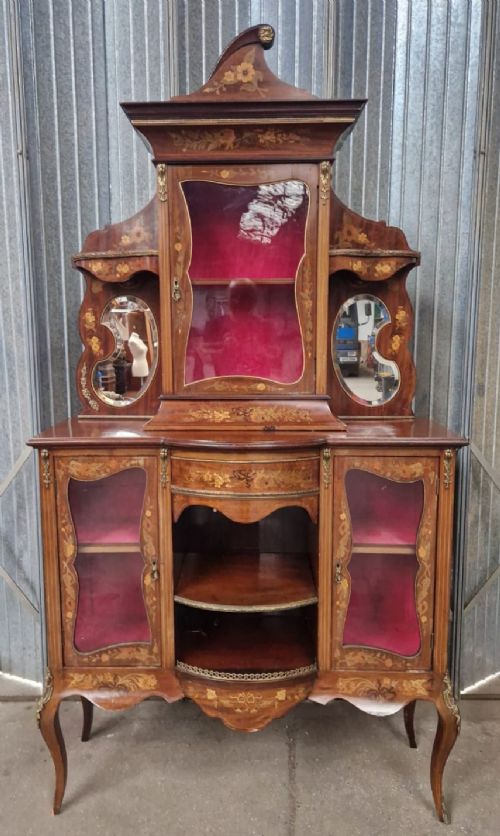
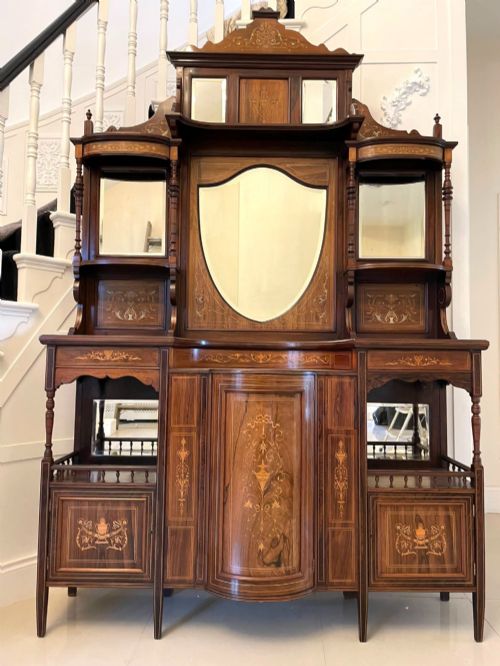
An edwardian inlaid chiffonier brings together polished mahogany or rosewood and delicate cabinet work to anchor a reception room with low storage and display.
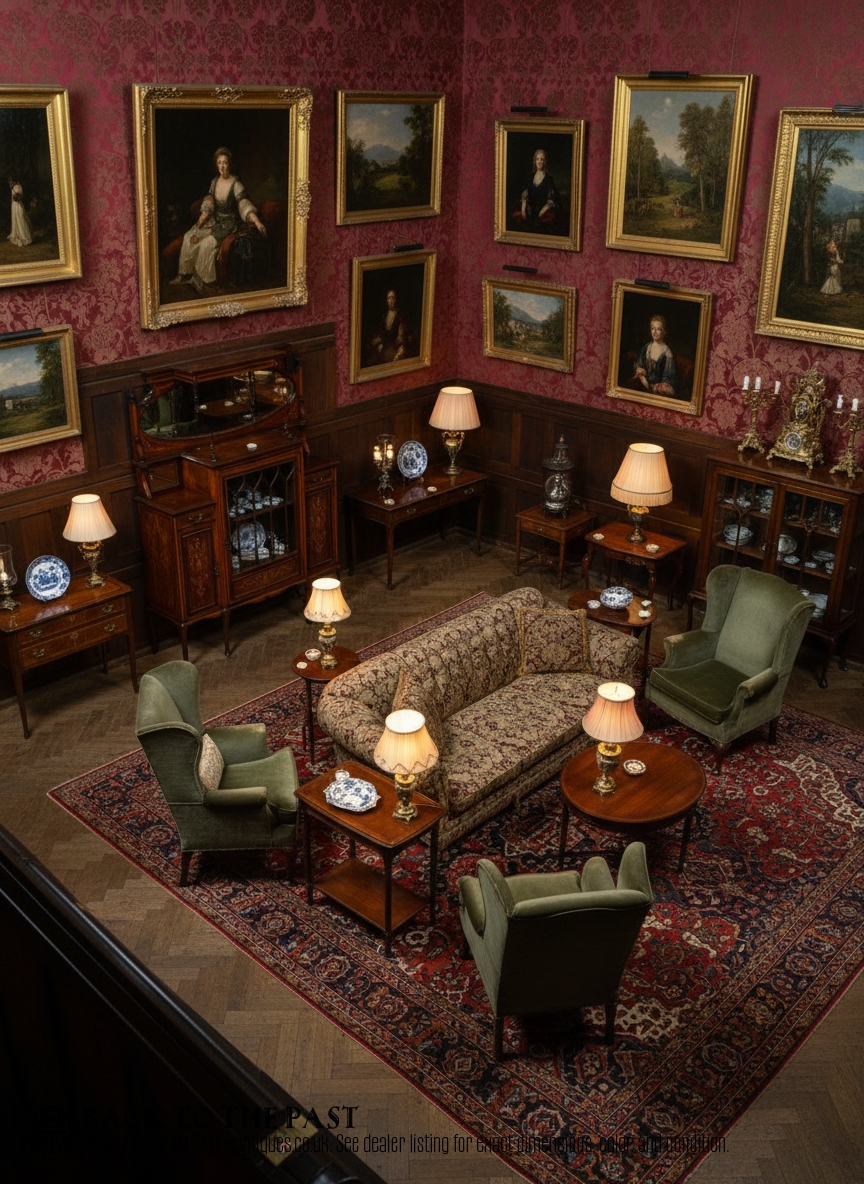
Edwardian Inlaid Chiffonier
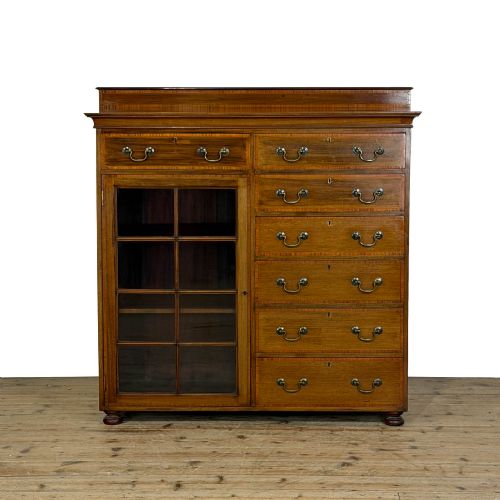
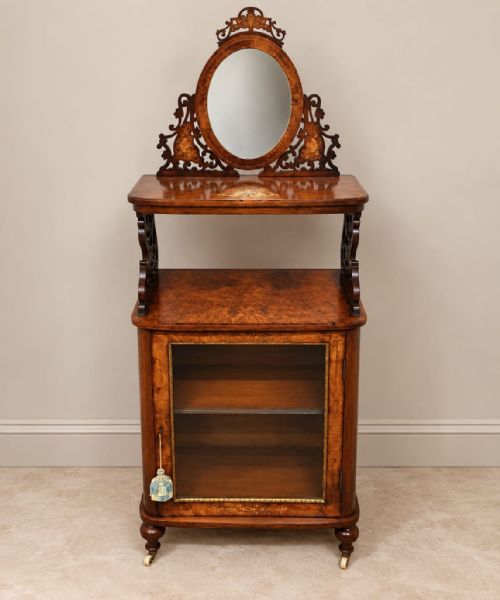
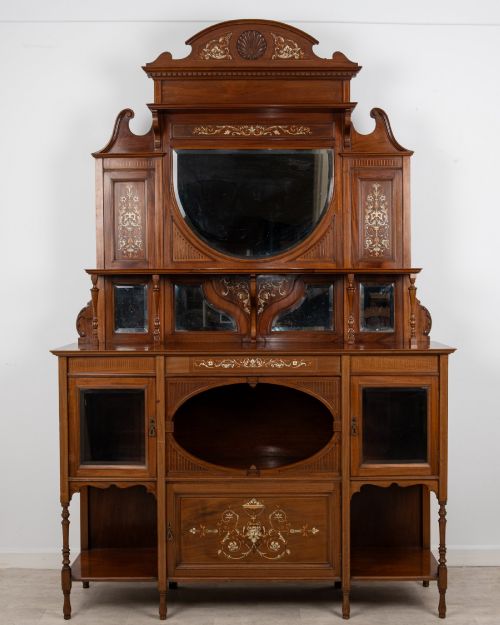
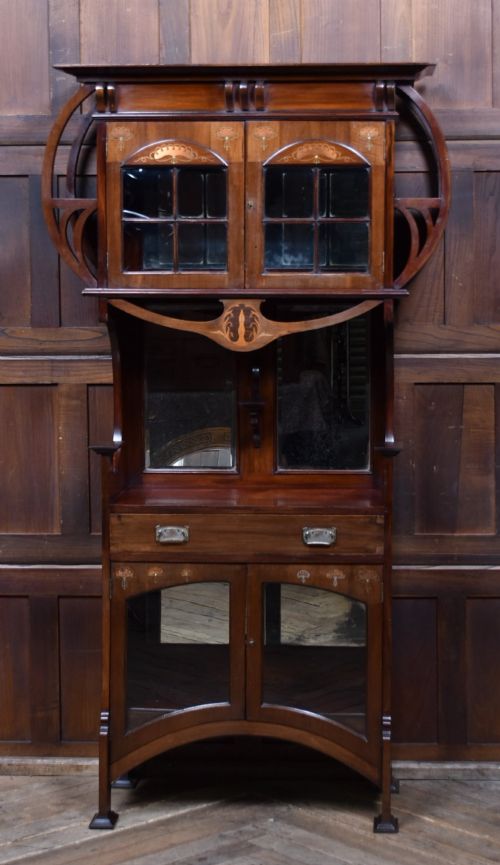
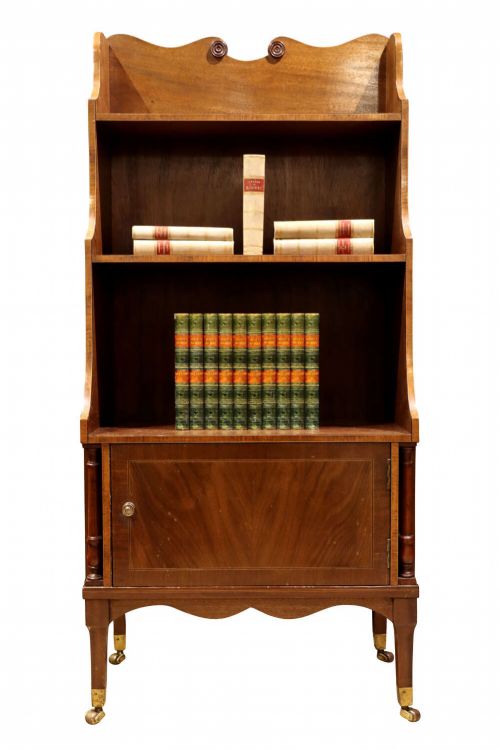
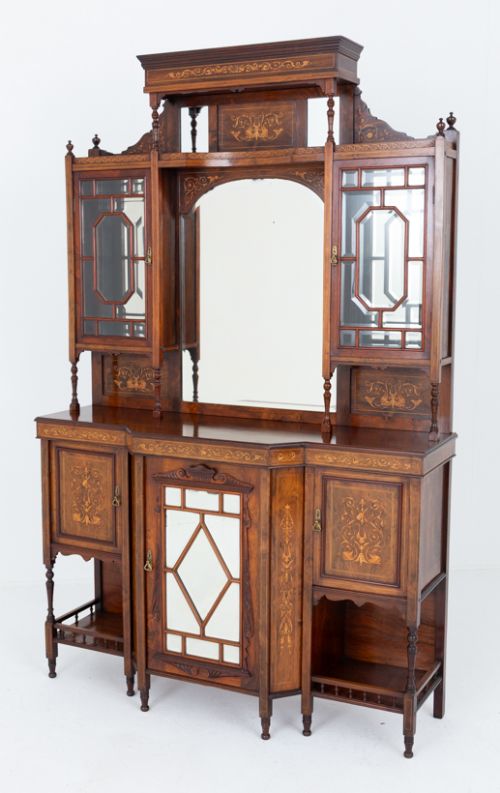
When you search for an edwardian inlaid chiffonier, you are looking at low timber storage furniture designed for the parlour or dining room, spanning the Victorian and Edwardian periods. The pieces appearing here range from mirror-backed display cabinets and waterfall bookcases to side cabinets and sideboards.
The materials you will encounter most frequently on this page are mahogany and rosewood, often paired with contrasting satinwood or boxwood inlay. These timbers provide the foundational dark or warm ground that highlights the lighter decorative banding and marquetry details.
While the archival records heavily feature Edwardian examples of the chiffonier form, the current listings draw upon late 19th-century Victorian workmanship as well. You will find variations incorporating glass doors, brass castors, and mirror backs alongside simpler cupboard bases.
How they were made
Cabinet makers constructed these pieces using solid timbers and fine veneers of mahogany and rosewood over secondary woods. Surfaces were then polished to a deep gloss that accentuated the natural grain of the wood.
Decoration relied heavily on precision cutting of contrasting light woods such as satinwood and boxwood to create geometric banding, floral marquetry, and classical motifs. These inlaid elements were set directly into recesses carved into the primary timber surface.
Functional hardware played an integral role in the construction, featuring cast brass fittings, key escutcheons, and occasionally brass castors on the feet of larger side cabinets. Glass panels and mirrored backs were integrated securely into rebated frames to support display functions.
Many a Victorian parlour cabinet hides a deep rosewood drawer designed specifically for stashing away unruly Sunday correspondence.
What varies in quality
The distinction between standard utility furniture and superior cabinet work lies in the crispness and complexity of the inlay. Pieces featuring intricate marquetry panels and multi-wood stringing demonstrate a higher tier of workshop skill than those with simple linear banding.
Selection of the primary timber also dictates the grade of the piece, with rich, highly figured rosewood and dense mahogany commanding greater refinement. The depth of the hand-applied polish and the stability of the carcase construction further separate workshop output.
Edwards and Roberts·Gillows
The Edwardian Inlaid Chiffonier Glossary
- Chiffonier
- A low sideboard or cabinet, typically featuring cupboards and sometimes a raised shelf or mirror back. It evolved from a simple dining room piece into a decorative parlour cabinet.
- Inlay
- A technique where pieces of contrasting wood, such as boxwood or satinwood, are inserted into recessed portions of the primary carcase to form patterns.
- Marquetry
- Elaborate pictorial or decorative veneer work assembled from various tinted woods to create intricate surface designs.
- Satinwood
- A durable tropical hardwood with a lustrous golden yellow appearance, frequently utilised for contrasting stringing and inlay on darker cabinets.
- Waterfall bookcase
- A tiered shelving unit where each successive shelf is narrower or stepped back from the one below, creating a cascading profile.
Edwardian Inlaid Chiffonier: Frequently Asked Questions
What is an edwardian inlaid chiffonier?
An edwardian inlaid chiffonier is a low timber cabinet combining cupboard storage with decorative display surfaces, often featuring contrasting wood banding.
These pieces typically incorporate mahogany or rosewood structures adorned with satinwood or boxwood inlay, reflecting the refined tastes of the early twentieth century.
Where were these cabinets used?
They were primarily placed in the formal parlour, drawing room, or dining room of Edwardian and Victorian homes.
Owners utilised the enclosed cupboards for tableware or linens while employing the top surface or mirror-backed shelves for ornaments and books.
How do I care for rosewood?
Rosewood surfaces require consistent humidity levels and protection from direct sunlight to prevent the timber from drying out or fading.
Applying a traditional beeswax polish occasionally helps maintain the lustre of the grain without building up heavy residue.
How can I tell periods apart?
Victorian examples tend to feature heavier proportions, darker rosewood, and elaborate marquetry, whereas Edwardian pieces often display lighter mahogany and simpler Sheraton Revival lines.
Examining the secondary woods and construction methods inside the drawers and carcase helps confirm the manufacturing era.