
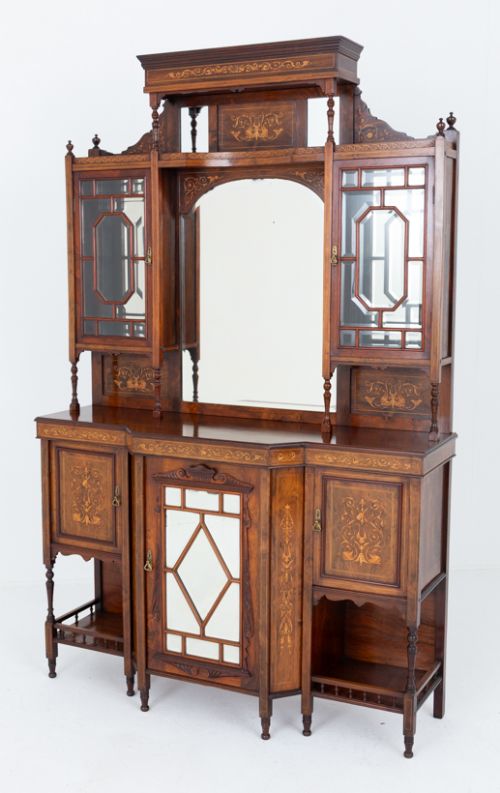


Inlaid Rosewood Sideboard
An inlaid rosewood sideboard brings rich grain and precise contrasting detail to a room, uniting functional storage with fine cabinet-making.
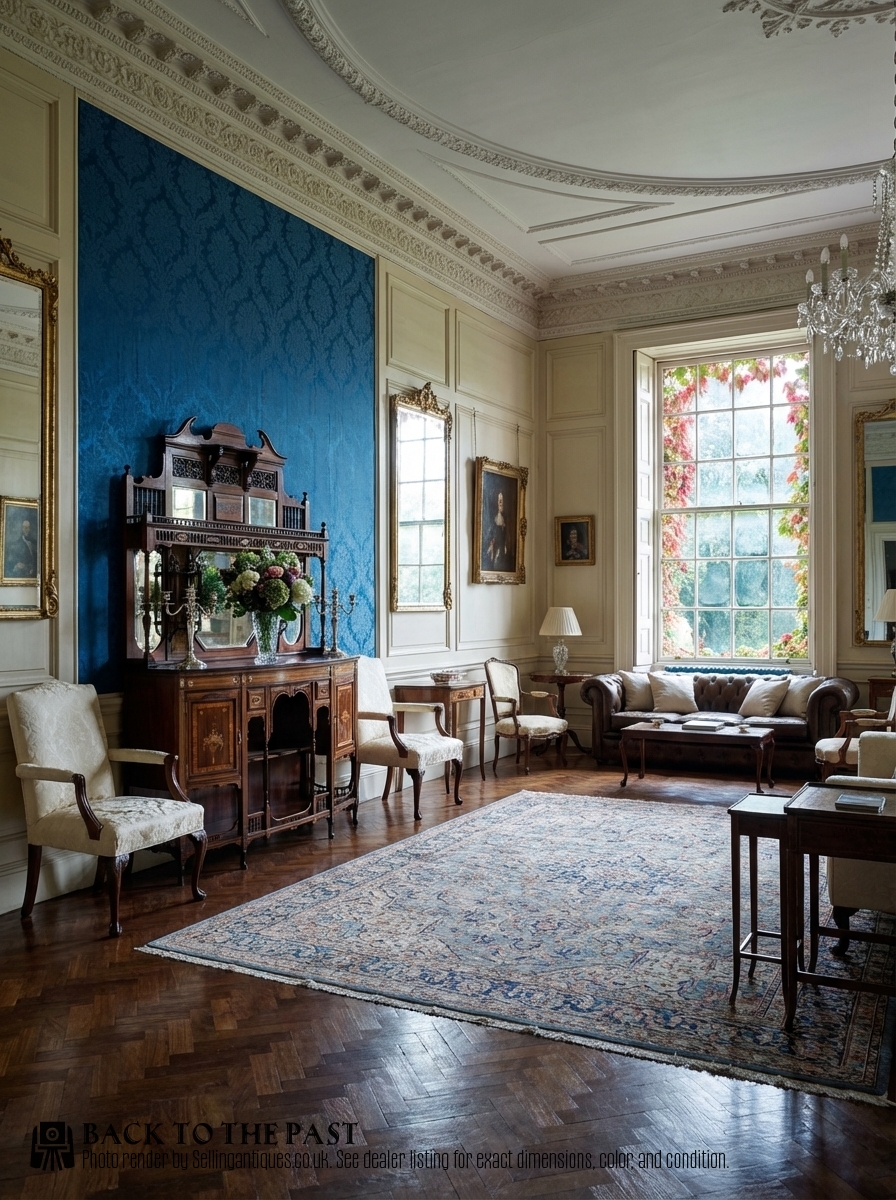
Inlaid Rosewood Sideboard
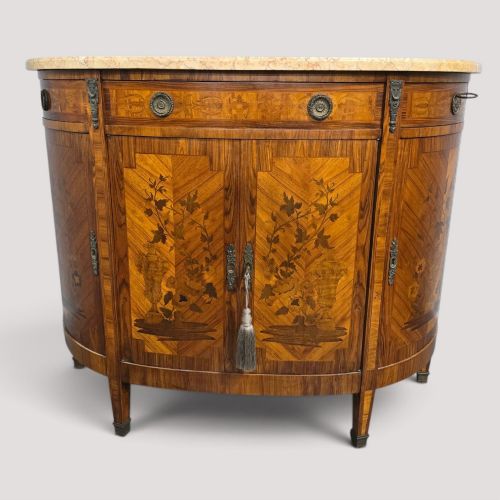
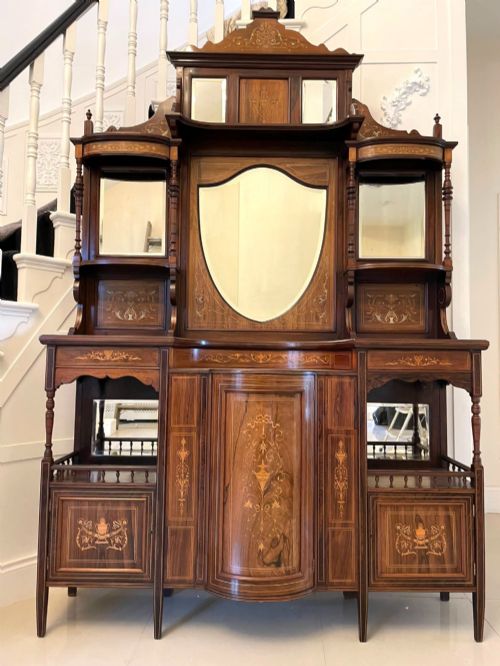
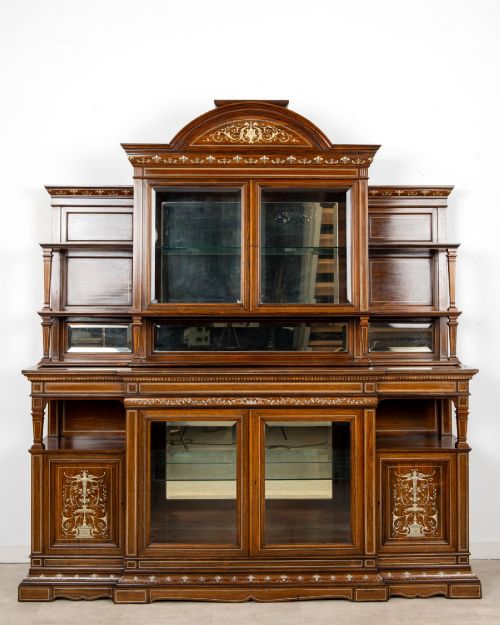
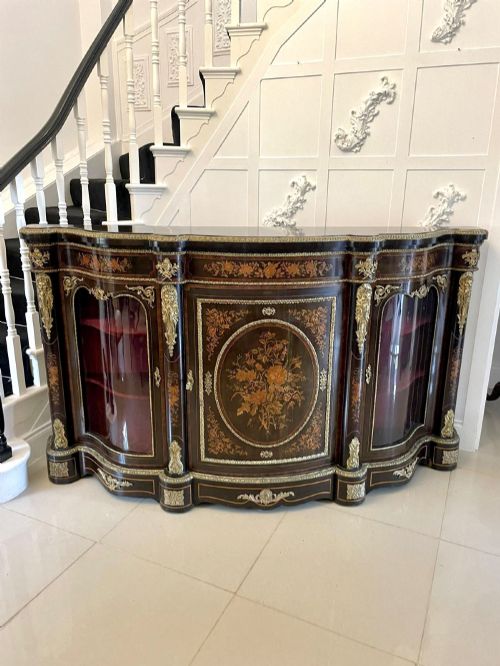
When you search for an inlaid rosewood sideboard, you encounter a range of formal storage furniture spanning the Regency period through to the early twentieth century. The selection includes compact chiffoniers, breakfront display cabinets, and serpentine credenzas alongside traditional sideboards.
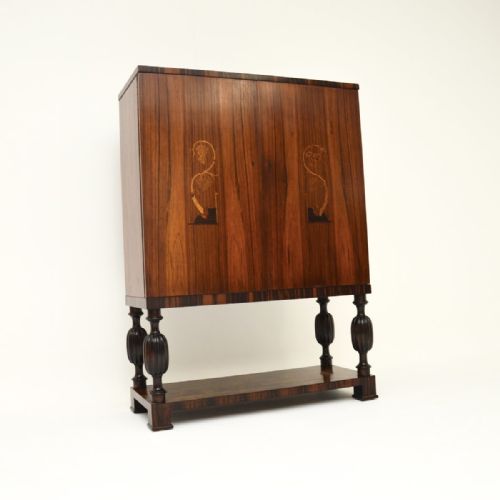
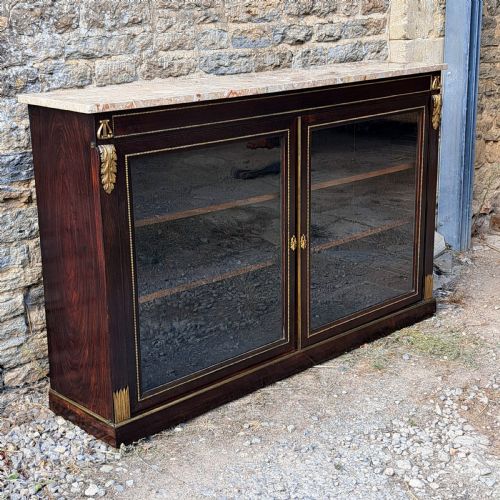
Regency pieces frequently display linear brass inlay against dark timber, while Victorian and Edwardian examples lean towards floral marquetry and satinwood banding. Mid-nineteenth century cabinet work often incorporates mirrored backs or marble tops, shifting the function from pure dining storage to display.
Origins stretch from English workshops to French ateliers and Swedish studios, reflecting diverse regional interpretations of classical and revival styles. A buyer finds pieces spanning George III revival designs up to early twentieth-century interpretations.
Materials and Construction
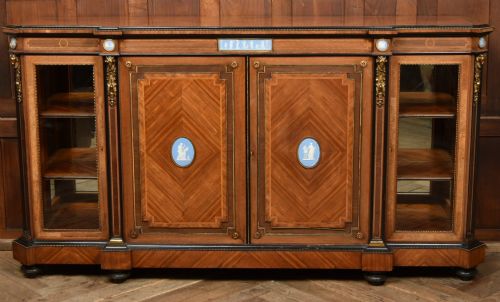
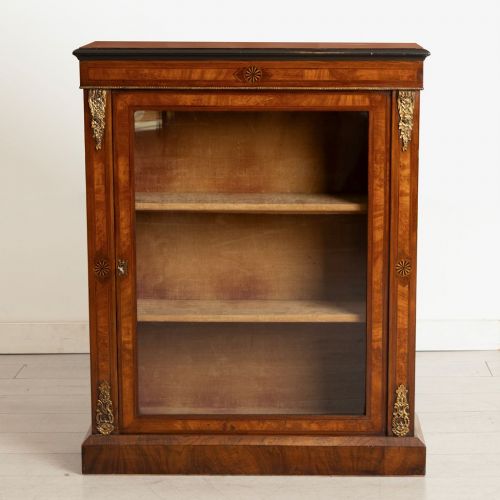
Makers built these pieces using dense rosewood veneers applied to solid secondary timbers, frequently contrasting the dark ground with lighter boxwood, satinwood, or brass stringing. Ormolu mounts and gilt bronze frames accent the finest examples, particularly those following French Louis XVI models.
Marquetry panels utilise botanical and scroll motifs cut from varied exotic woods, whilst brass inlay sits flush into hand-cut channels within the timber. Structural carcasses rely on traditional joinery, housing glass doors, marble tops, and internal shelving adapted for display or storage.
Inlaid Rosewood Sideboard Retail Price Guide 2026
Typical asking prices for inlaid rosewood sideboard among the pieces listed under this phrase on Sellingantiques today, from the lower quarter to the upper quarter. They describe what is for sale here now, not the wider market.
Listings feature rosewood, satinwood, brass, and marble across Regency, Victorian, and Edwardian periods.
Craft and Distinction
The distinction between standard commercial output and exceptional cabinet-making rests in the precision of the marquetry and the crispness of the cast mounts. Hand-cut brass stringing that follows intricate curves without gaps denotes superior workshops.
Selection of timber grain dictates visual depth, with master makers matching rosewood veneers across large expanses to create symmetrical patterns. Signed pieces by established makers carry greater documentary weight, reflecting rigorous workshop standards in every joint and polish layer.
Collinson & Lock·John McClean·Edwards and Roberts·James Plunckett
The Inlaid Rosewood Sideboard Glossary
- Marquetry
- Decorative patterns formed by fitting together small pieces of veneer into a wooden ground. This technique creates pictorial or floral designs across cabinet doors and top surfaces.
- Chiffonier
- A low cabinet with doors, developed during the Regency period and often fitted with a shelf superstructure supported on columns.
- Ormolu
- Gilt bronze mounts applied to furniture for decorative enrichment. These chased metal elements frame panels and accent corners on high-status cabinets.
- Boulle work
- A style of marquetry using tortoiseshell and brass inlay developed in France. It creates a contrasting metallic and dark surface pattern.
- Breakfront
- A piece of furniture where the central section projects forward from the flanking wings. This architectural arrangement creates depth and shadow across the facade.
Inlaid Rosewood Sideboard: Frequently Asked Questions
How do I care for rosewood veneer?
Keep these cabinets away from direct sunlight and steady heat sources to prevent the rosewood veneer from drying or splitting.
Apply a traditional wax polish occasionally and buff gently with a soft cloth to maintain the natural sheen of the timber.
Were these used in dining rooms?
Many of these pieces served dining rooms as sideboards or serving tables for storing plate and glassware.
Smaller chiffoniers and display cabinets were equally suited to drawing rooms and parlours for displaying porcelain and books.
How do I date an inlaid cabinet?
Examine the secondary timbers inside the carcass, the style of the brass hardware, and the complexity of the marquetry.
Linear brass work points to the Regency era, whilst floral marquetry and mirror backs usually indicate Victorian or Edwardian production.