


Satinwood Inlaid Bookcase
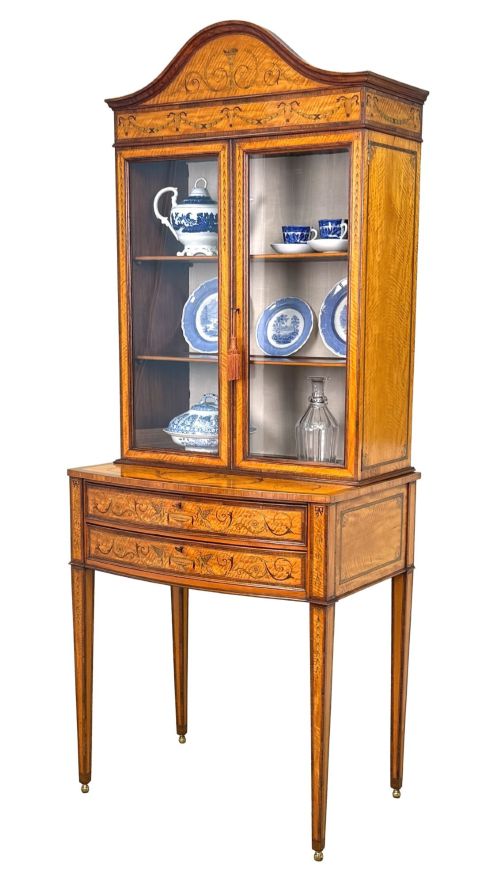
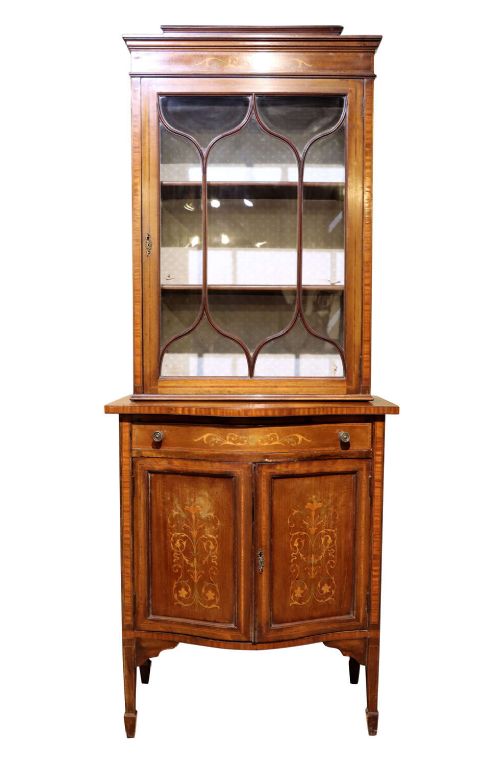
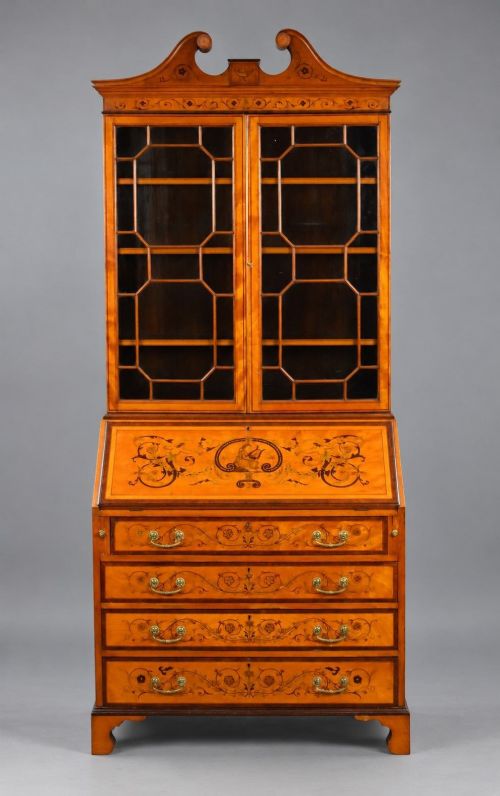
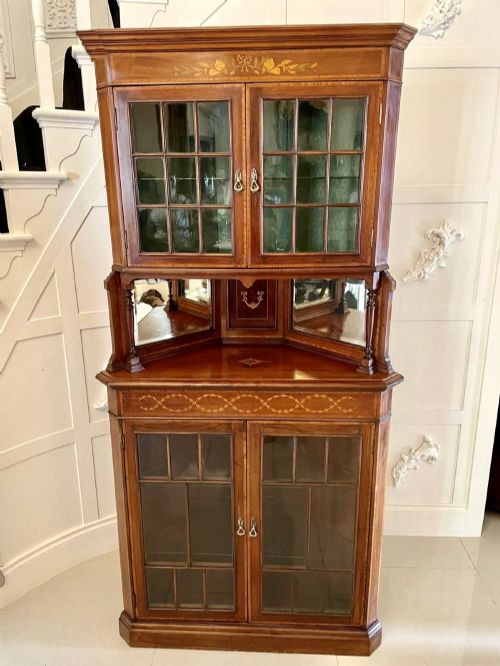
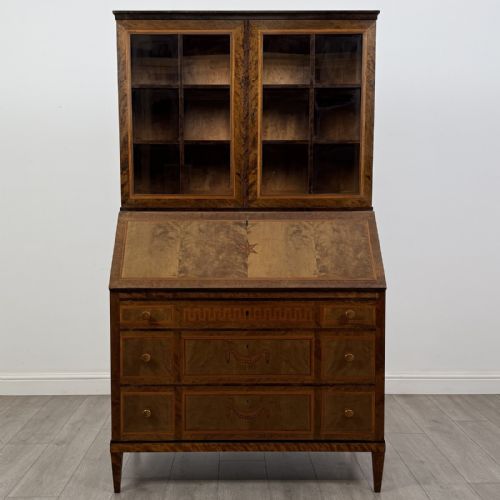
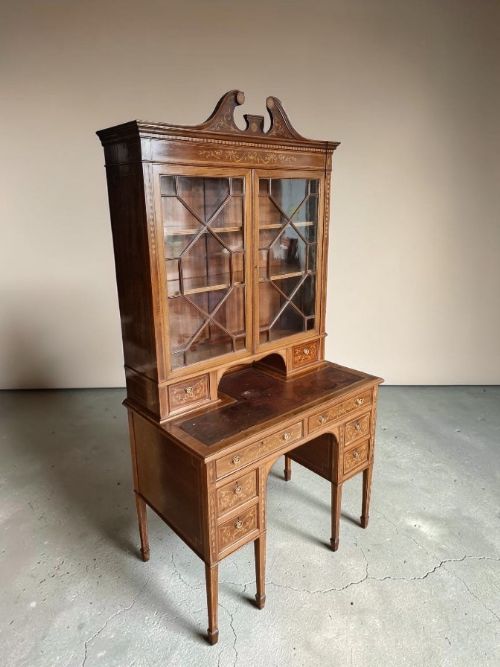
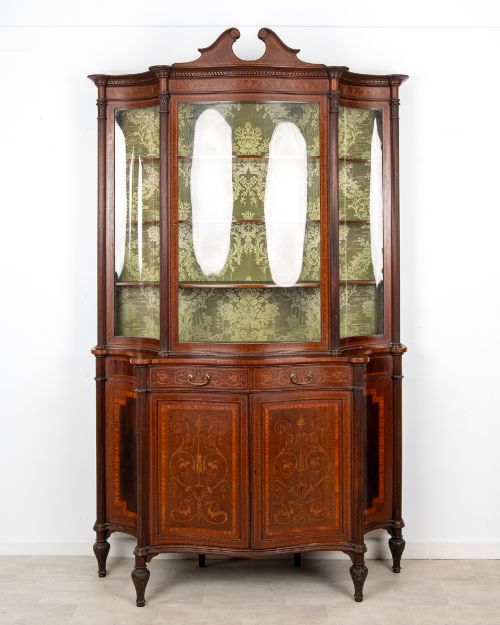
These satinwood inlaid bookcase pieces combine fine cabinet-making with classical revival designs, offering both practical storage and decorative presence.

Satinwood Inlaid Bookcase
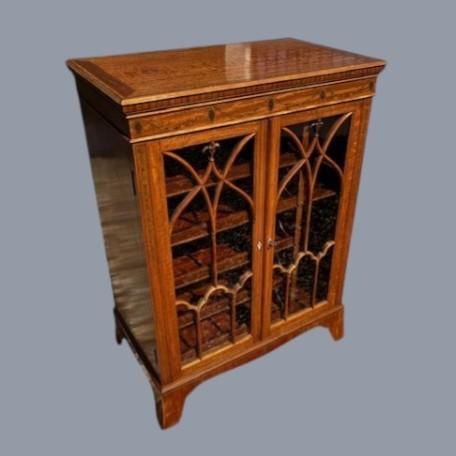
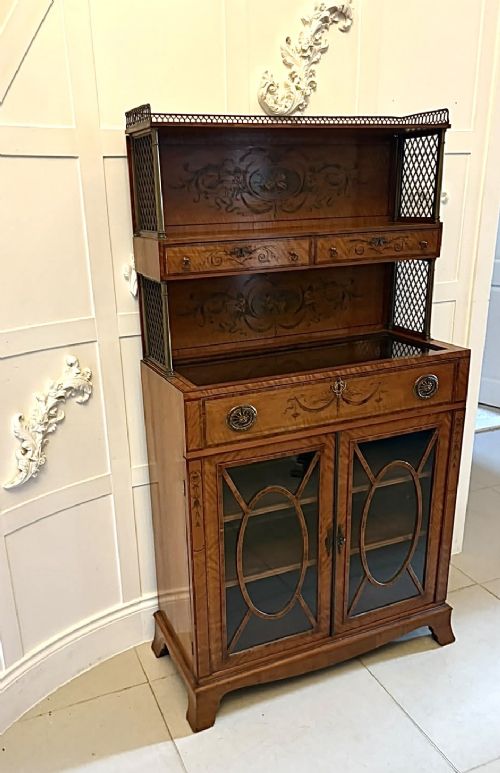
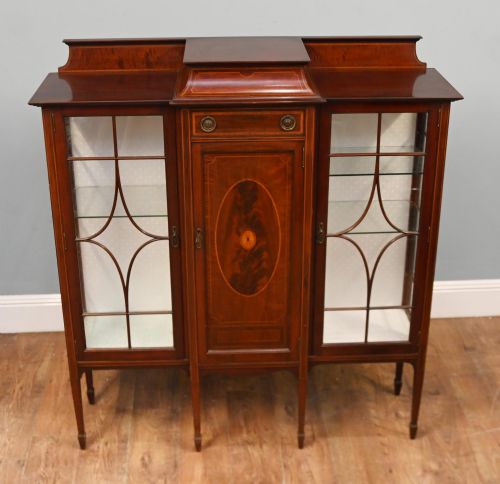
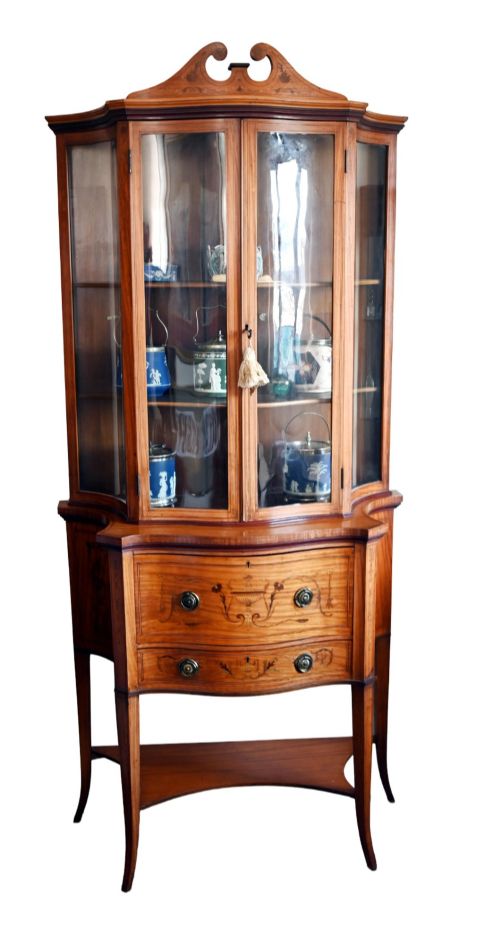
A satinwood inlaid bookcase brings together light-grained timbers and precise contrasting stringing, most commonly seen in Edwardian and Sheraton Revival interpretations.
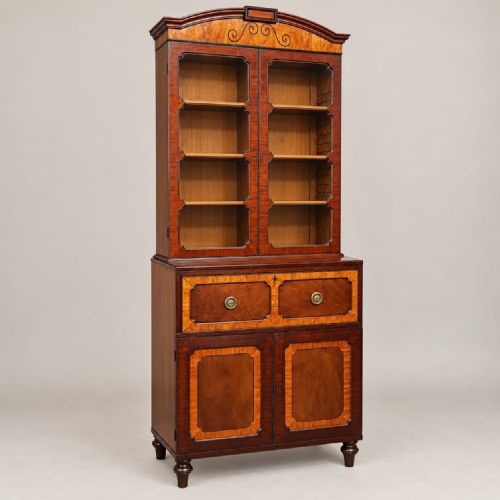
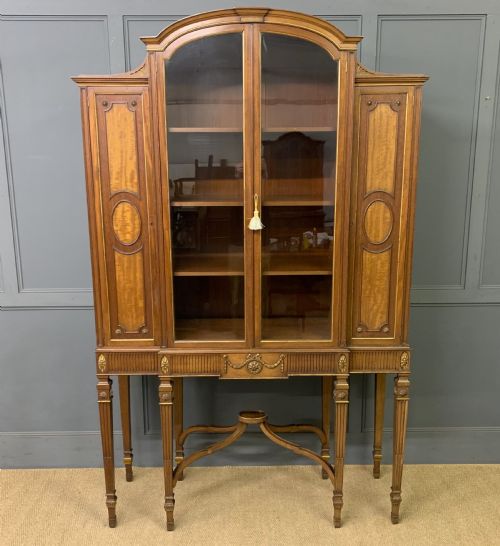
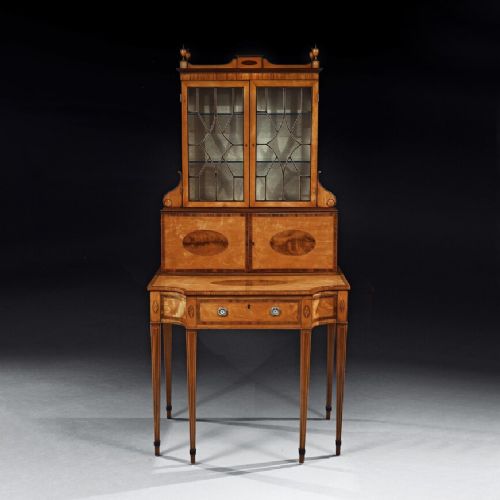
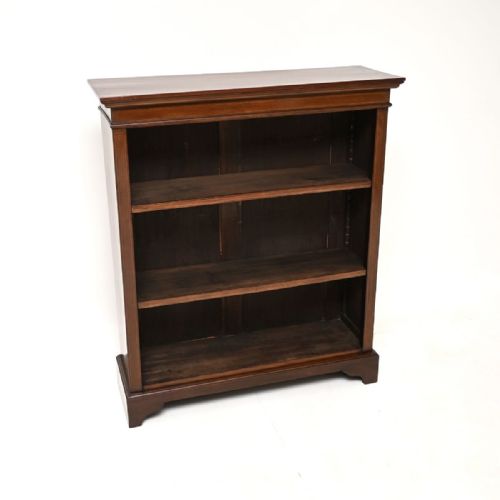
The selections span upright display cabinets, open bookshelves, revolving desk pieces, and larger bureau or secretaire forms originating from the nineteenth and early twentieth centuries.
Buyers frequently encounter Edwardian mahogany bodies accented with satinwood panels, alongside periodic examples dating back to George III workshops.
How They Were Made
Cabinet-makers constructed carcass frames primarily from mahogany or walnut, applying fine veneers of pale satinwood to create luminous contrasting surfaces.
Detailing relied on boxwood and dark stringing inlays, often incorporating elaborate floral marquetry panels or hand-painted motifs within glazed door frames.
Satinwood Inlaid Bookcase Retail Price Guide 2026
Typical asking prices for satinwood inlaid bookcase among the pieces listed under this phrase on Sellingantiques today, from the lower quarter to the upper quarter. They describe what is for sale here now, not the wider market.
What Varies in Quality
The standard of timber selection dictates overall visual depth, with dense flame mahogany and carefully matched satinwood grains commanding greater presence.
Precision in the hand-cut inlay work separates standard commercial items from superior workshop productions, particularly where brass mounts and mirrored backs integrate smoothly into the design.
Edwards & Roberts·Maple & Co·Gillows
The Satinwood Inlaid Bookcase Glossary
- Satinwood
- A hard, yellow-tinted timber native to tropical regions used extensively for decorative veneers. It provides a bright, reflective surface when polished.
- Marquetry
- The art of forming decorative patterns using thin pieces of wood veneer applied to a base structure. Artisans often combine contrasting timbers like boxwood and mahogany to achieve pictorial depth.
- Sheraton Revival
- A late nineteenth and early twentieth-century design movement inspired by the neoclassical furniture of George III designer Thomas Sheraton. Pieces typically feature delicate proportions, satinwood banding, and tapered legs.
- Stringing
- Thin strips of contrasting wood inlaid into grooves on furniture surfaces to create linear borders. This technique accentuates the geometric lines of panels and shelves.
Satinwood Inlaid Bookcase: Frequently Asked Questions
How do I care for satinwood furniture?
Keep these pieces away from direct sunlight and excessive heat fluctuations to protect the delicate veneer and underlying timbers from drying out.
Apply a traditional beeswax polish occasionally and buff gently with a soft cloth to maintain the natural lustre without building up heavy chemical layers.
Where should I place a revolving bookcase?
A revolving bookcase works best positioned near a seating area or desk where accessible storage and easy rotation are fully utilised.
Ensure adequate floor clearance around the base so the mechanism turns freely without catching on surrounding rugs or furniture.
Are these bookcases suitable for heavy books?
Open and sectional bookcases generally handle standard octavo volumes safely, though fixed shelving requires common sense regarding weight distribution.
Adjustable shelf versions offer flexibility for larger volumes, but heavier folios remain best housed on lower wooden tiers.
How do I distinguish Edwardian revival from earlier pieces?
Edwardian interpretations usually display lighter internal construction methods and machine-assisted precision in the repeating inlay lines.
Eighteenth and early nineteenth-century examples tend to show greater hand-tool variation in the joinery and deeper patination across the primary mahogany surfaces.