

Satinwood Accent Table
Satinwood accent table examples bring light timber into a room, offering surface space with a pale, reflective grain.

What a satinwood accent table is
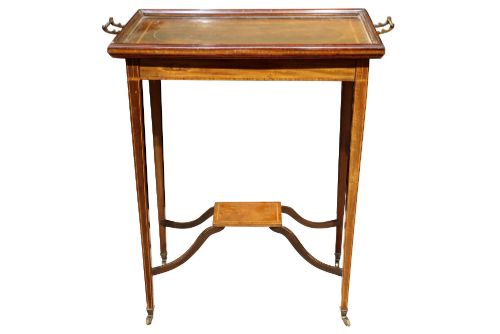
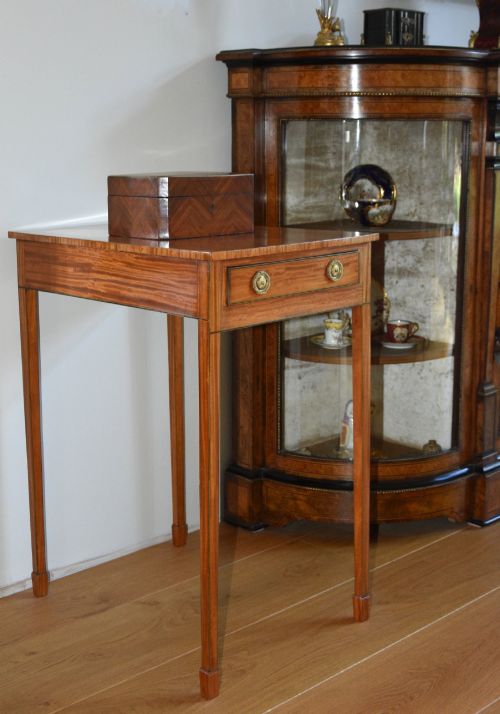
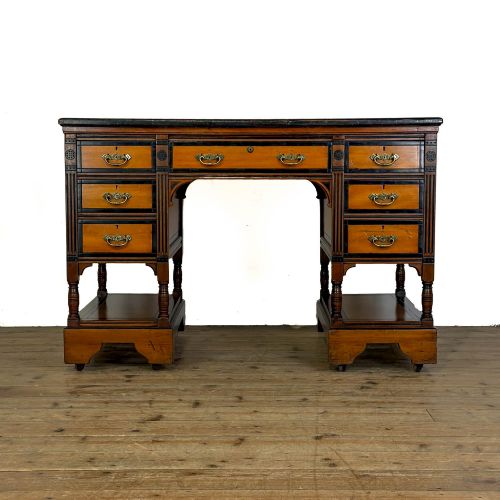
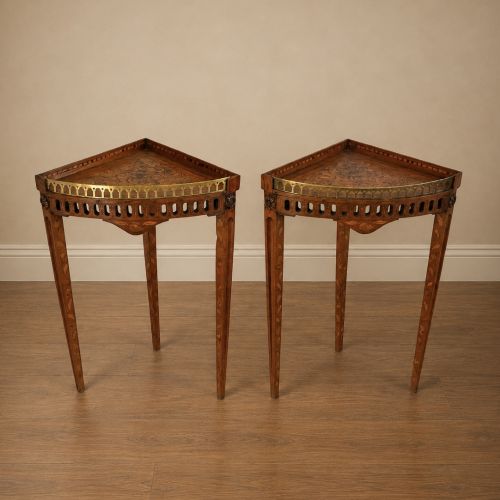
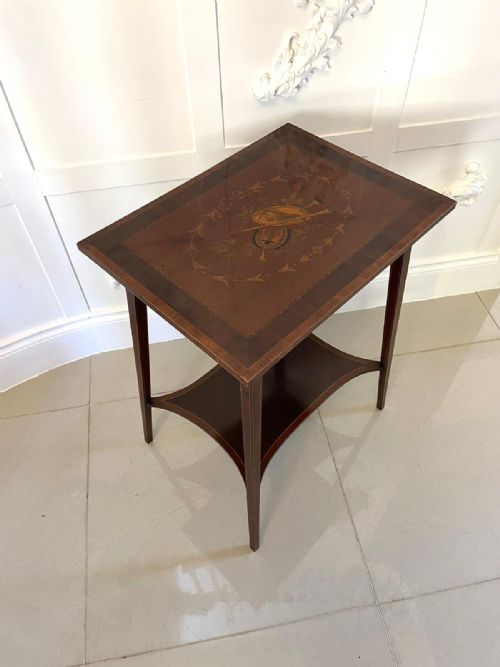
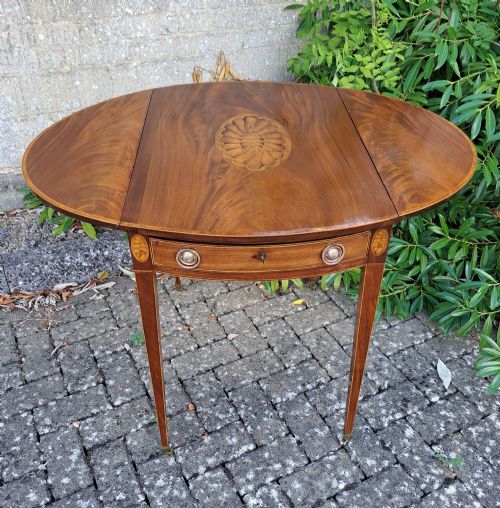
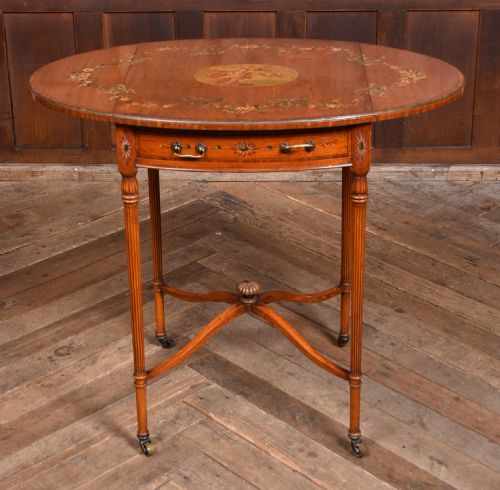
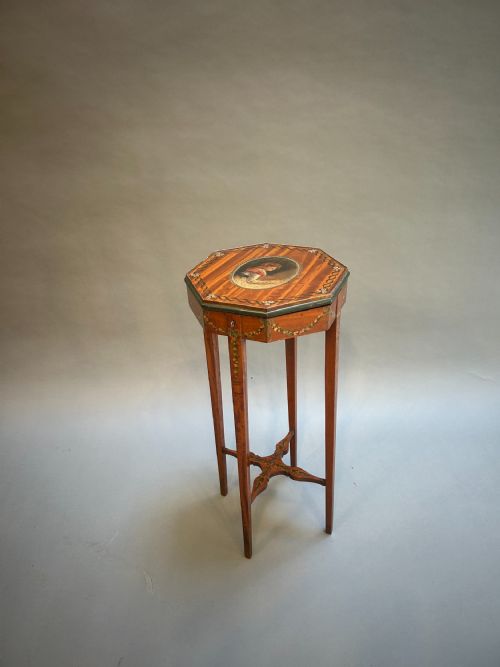
A satinwood accent table is a small piece of furniture designed for occasional use in a hall, sitting room or drawing room. The selection here spans the Edwardian period, 1920 and 1930, capturing forms like occasional tables, side tables and console tables.
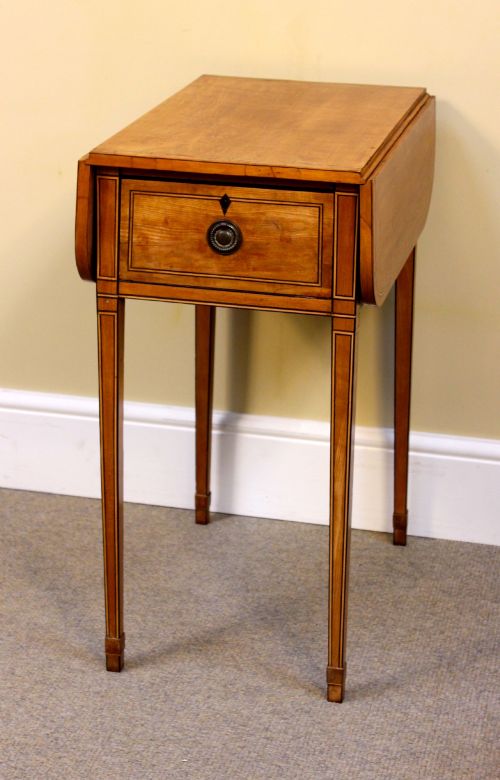
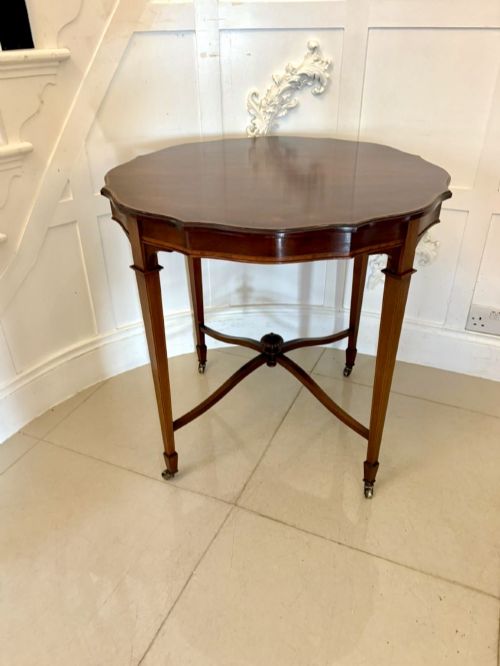
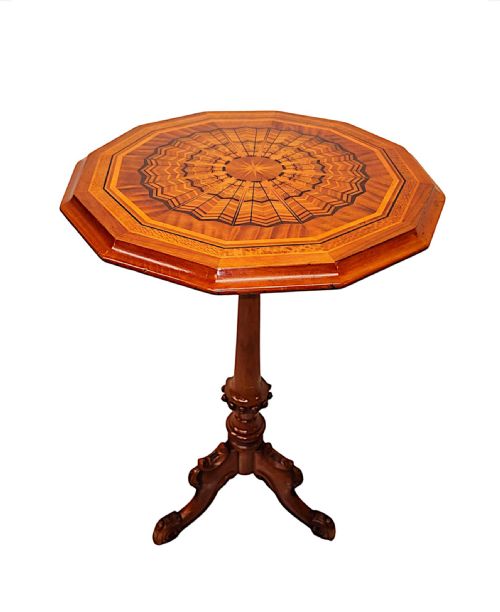
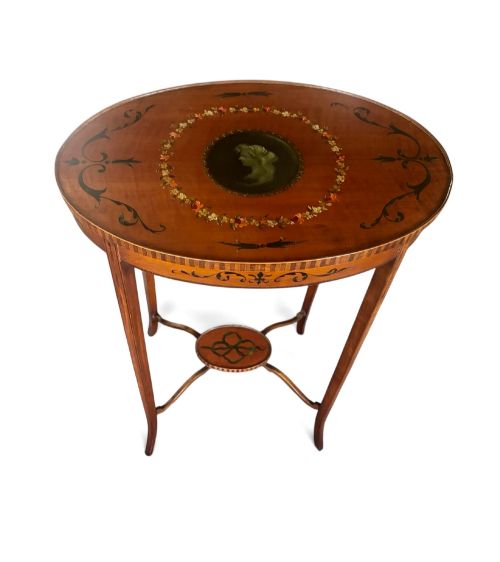
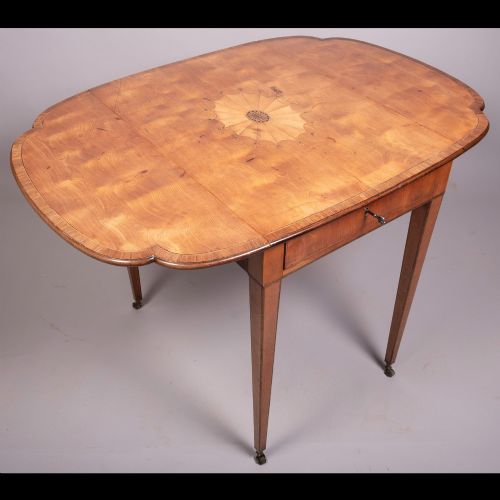
The version most commonly met on this page is the circular or occasional table, alongside octagonal, oval, Pembroke and console formats. These items originate from British workshop traditions including Edwardian, Sheraton and Georgian style revivals.
How they were made
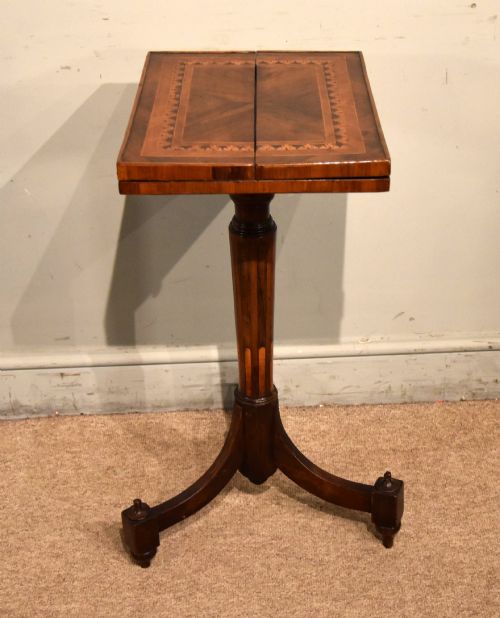
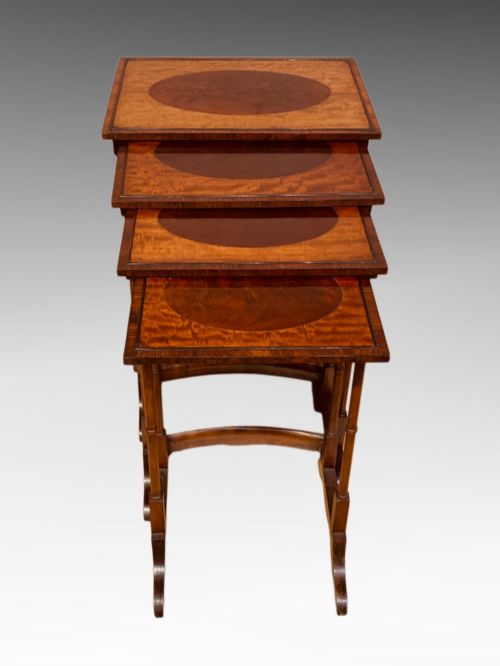
Maker construction combines satinwood veneer and solid timber foundations such as mahogany and satin walnut. Structural details incorporate crossbanding in contrasting timbers alongside boxwood stringing.
Surface enrichment relies on hand painting and marquetry inlay techniques. Metal fittings such as brass castors or mounts appear on specific forms.
Retail Price Guide 2026
Typical UK retail prices for satinwood accent table, calculated from the Sellingantiques database of over a million retail prices indexed since 2003. This retail price guide relies exclusively on Sellingantiques data; no external sources or auction records are used, so the figures do not describe the wider market.
Materials documented across the inventory include satinwood, mahogany, boxwood, rosewood, and satin walnut.
What varies in quality
Quality rests upon the precision of the timber matching and the intricacy of the inlay work. Finer examples display meticulous crossbanding and delicate painted motifs rather than plain surfaces.
The selection of secondary woods and the sharpness of the joinery distinguish higher tier pieces from simpler commercial output of the period.
The Satinwood Accent Table Glossary
- Satinwood
- A pale, hard timber known for its chatoyant grain that catches the light. It serves as the primary surface veneer on these tables.
- Crossbanding
- A narrow strip of veneer laid around the border of a tabletop with the grain running at right angles to the centre. This frames the main panel.
- Boxwood
- A dense, pale wood utilised for fine stringing lines and inlay details. It provides sharp linear contrast against darker timbers.
- Pembroke table
- A small drop leaf table with hinged flaps on either side. It traditionally includes a single drawer.
- Marquetry
- The art of applying pieces of veneer to a structure to form decorative patterns. It utilises various coloured woods to create pictorial designs.
Frequently Asked Questions
Where do I put a satinwood accent table?
These tables suit hallways, drawing rooms and sitting rooms as surface points for lamps or decorative objects. Their compact footprint allows placement beside seating or against narrow walls.
Because the timber is light and reflective, these pieces brighten darker corners without dominating the floor space.
How do I clean satinwood furniture?
Dust surfaces regularly with a soft, dry cloth to prevent particulate accumulation. Avoid silicone polishes and excess moisture which can harm traditional polished finishes.
Maintenance requires occasional application of quality beeswax to nourish the timber and preserve the sheen of the veneer.
What periods do these tables come from?
The pieces listed date from the Edwardian era through the nineteen-twenties and nineteen-thirties. Styles draw heavily upon earlier Georgian and Sheraton design vocabularies.
Construction methods and material choices align with the manufacturing standards of these twentieth century decades.
What is crossbanding?
Crossbanding involves framing a tabletop with a border of veneer where the grain runs perpendicularly to the centre. It provides a neat visual boundary.
Cabinet makers used this technique to add sophistication and frame the primary satinwood panel.