



Sarcophagus Cellarette
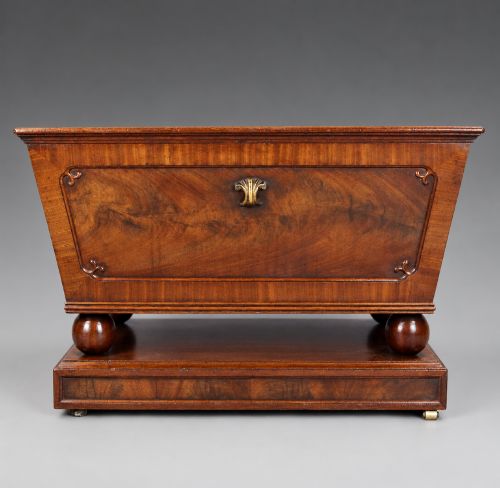
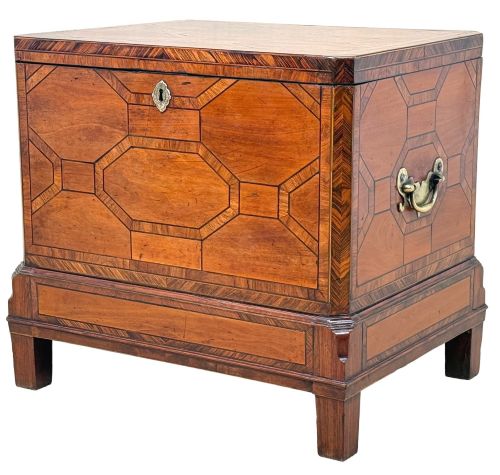
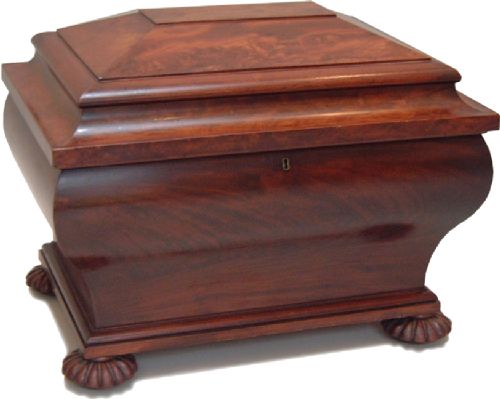
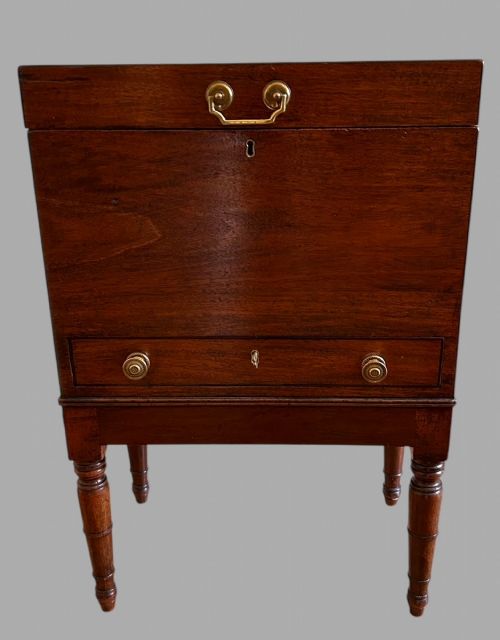
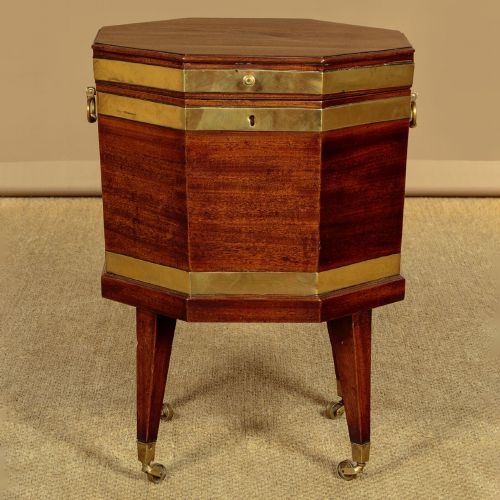
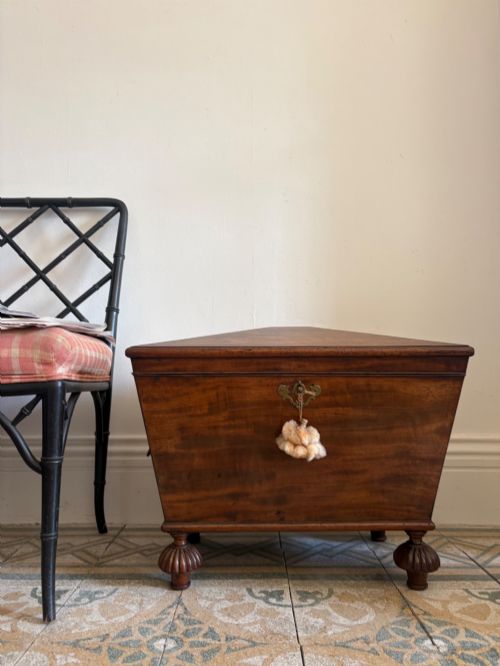
These sarcophagus cellarette examples are classical wine coolers designed to keep bottles chilled in grand dining rooms.
What a sarcophagus cellarette is
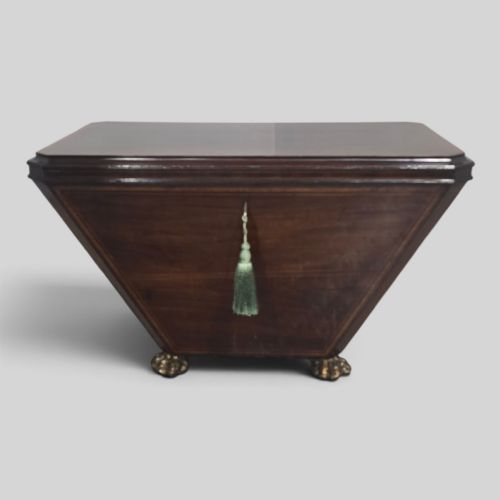
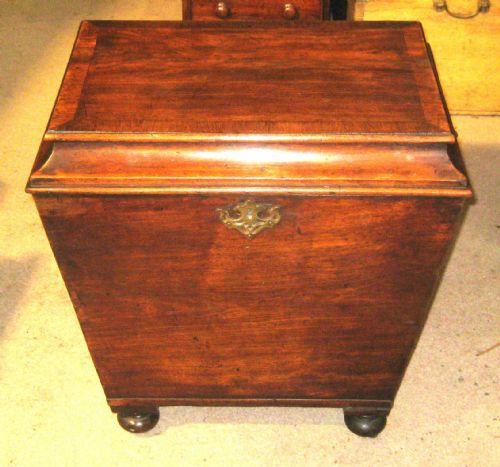
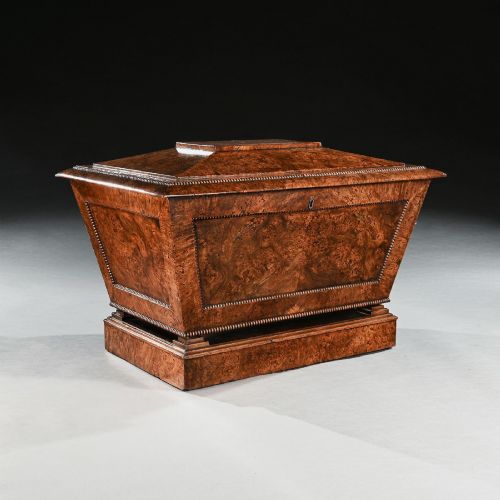
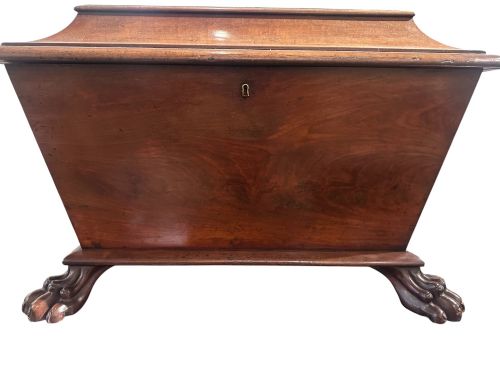
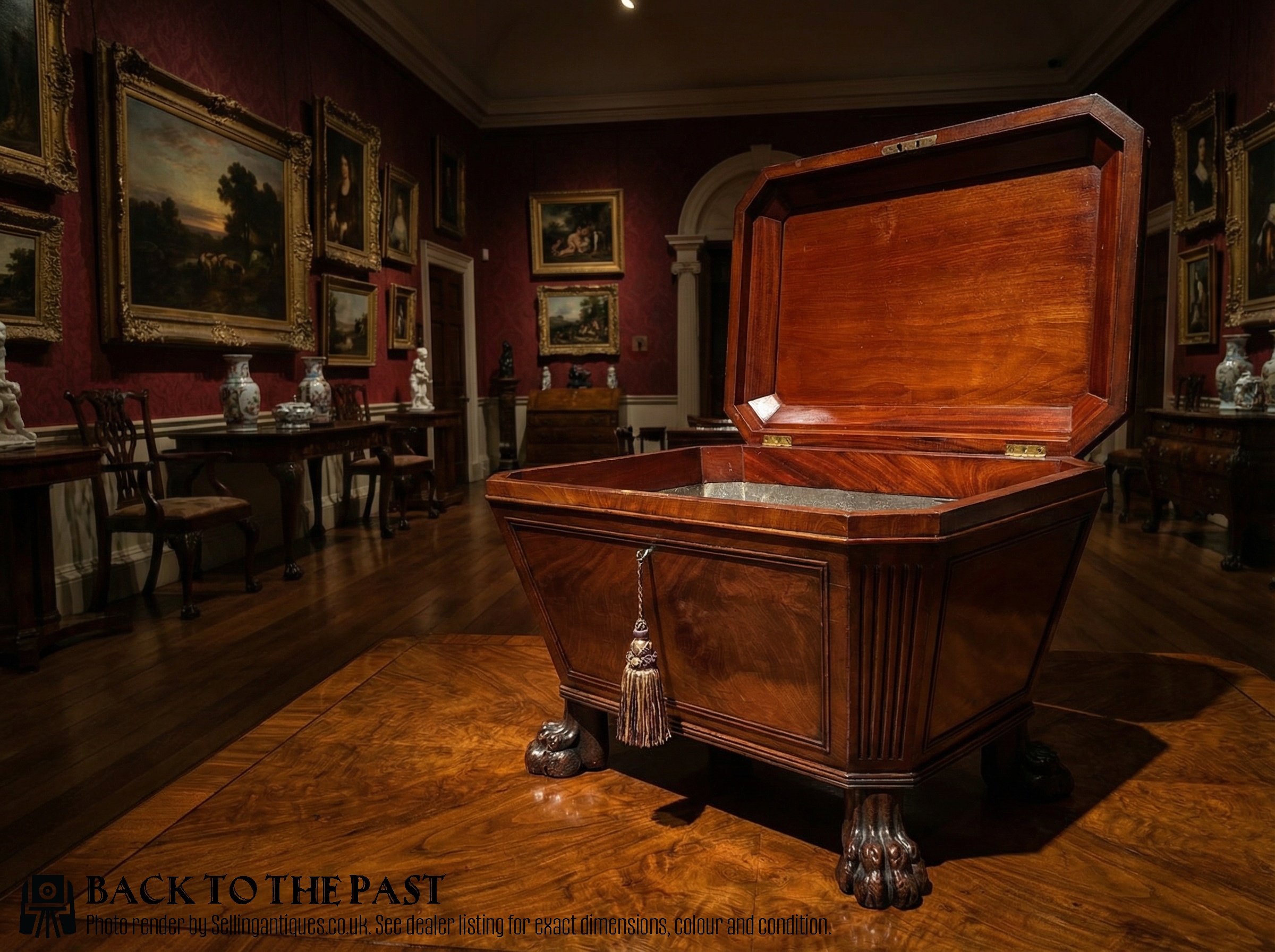
A sarcophagus cellarette is a heavy, lidded container built to hold wine bottles and ice in the dining room during the Georgian, Regency, and William IV periods. These pieces take their classical monumental form from ancient stone tombs, adopting a distinct tapered body with a domed or peaked lid.
You will most commonly meet Regency examples on this page, alongside pieces from the broader nineteenth century and the subsequent William IV era. Most items appear in rich timbers with classical proportions, serving both a functional cooling role and a grand decorative purpose.
How they were made
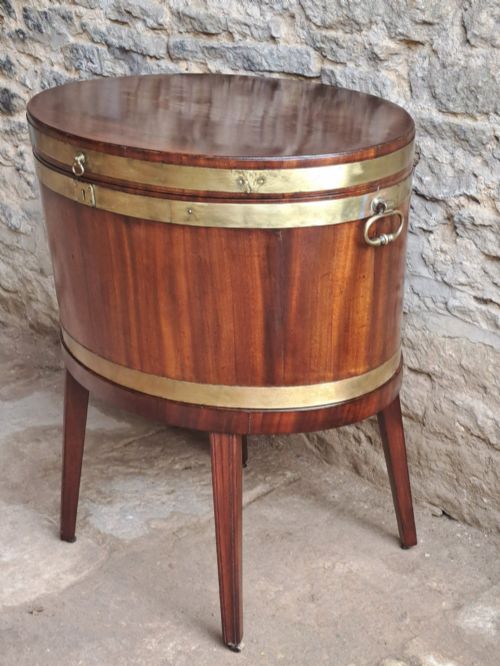
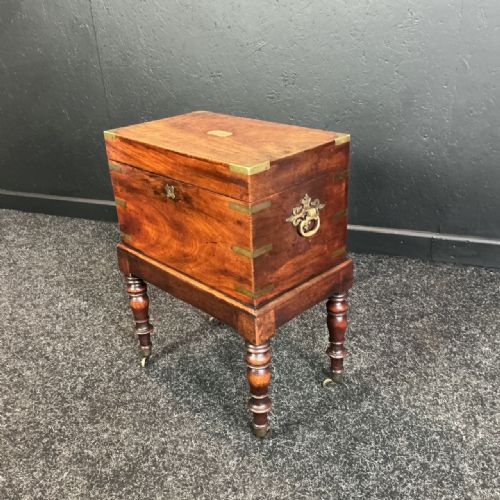
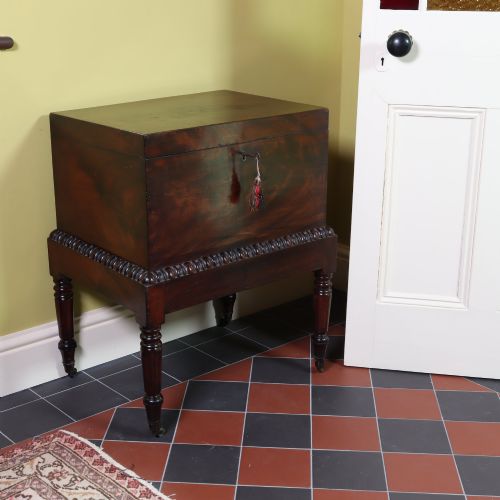
Cabinet makers built these cellarettes using solid and veneered timbers, selecting mahogany, flame mahogany veneer, Cuban mahogany, and occasionally oak for the primary structure. Fine brass mounts, cast handles, and ebonised wood details often accent the classical architectural lines.
Makers constructed the lids with deep mouldings and fitted the interiors to hold bottles securely while containing melting ice. Carved paw feet frequently support the heavy body, tying the construction to the prevailing neoclassical taste of the period.
Retail Price Guide 2026
Typical UK retail prices for sarcophagus cellarette, calculated from the Sellingantiques database of over a million retail prices indexed since 2003. This retail price guide relies exclusively on Sellingantiques data; no external sources or auction records are used, so the figures do not describe the wider market.
Listings feature mahogany, flame mahogany veneer, ebonised wood, and brass across Regency, William IV, and nineteenth-century periods.
What varies in quality
Quality in a sarcophagus cellarette rests on the choice of timber figure, such as highly figured flame mahogany or dense Cuban mahogany, and the crispness of any applied carving. Pieces featuring original brass mounts, fine armorial details, and well-executed paw feet stand apart from plainer utilitarian versions.
The architectural coherence of the lid and base mouldings dictates the overall presence of the piece. Superior examples maintain balanced proportions and careful joinery that survives centuries of heavy use.
Thomas Hope
The Sarcophagus Cellarette Glossary
- Cellarette
- A lockable container used for storing and cooling wine bottles in the dining room. These vessels sat beneath the sideboard or on the floor.
- Sarcophagus
- A monumental stone or wooden coffin shape featuring a tapered body and pitched lid, adopted by Regency designers for large furniture forms.
- Flame mahogany
- A veneer cut from the fork of a mahogany tree where the grain twists to create a fiery, patterned effect. Cabinet makers prized this timber for principal display surfaces.
- Paw foot
- A carved furniture foot shaped like the paw of a lion or beast, frequently seen on Regency and William IV supports. This decorative detail lifts the heavy body off the floor.
- Ebonised wood
- Timber treated to imitate ebony through staining or painting. Makers used this dark contrast to define architectural mouldings and highlights.
Frequently Asked Questions
What is a sarcophagus cellarette used for?
These vessels held wine bottles and ice during formal meals in large dining rooms.
Servants placed the bottles inside to chill before bringing them out to the dining table.
How do I date a cellarette?
Dating relies on timber choice, foot style, and overall proportions seen across the piece.
Regency and Georgian examples often show crisper classical mounts and flame mahogany veneers compared to later William IV versions.
Where did these pieces sit in a room?
Cellarettes traditionally stood on the floor directly beneath the dining room sideboard.
Their heavy weight kept them stationary near the action of serving wine.
Are these cellarettes still practical for wine?
Collectors today mostly use them as decorative focal points or stationary storage containers.
The original interior metal linings may not hold ice reliably without modern restoration.