




Samson of Paris
When you encounter samson of paris, you are looking at nineteenth-century French ceramic copies and adaptations modelled after earlier European and Asian porcelain traditions.
Samson of Paris
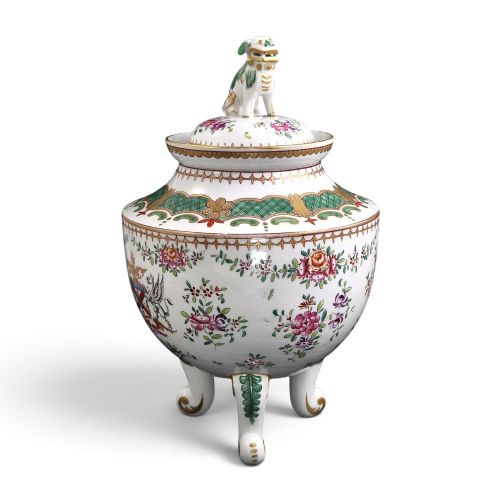
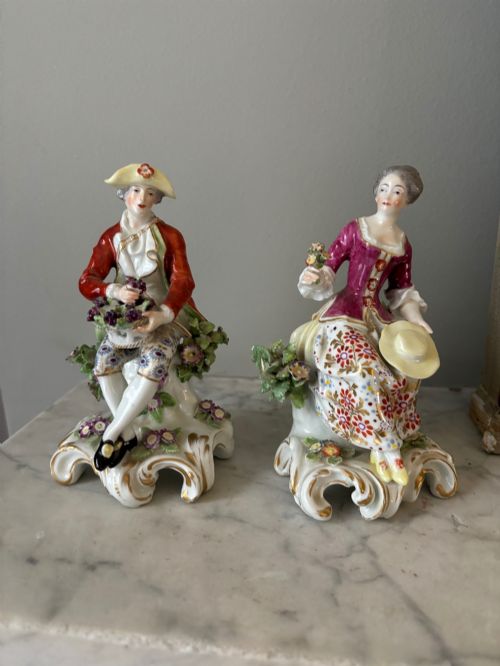
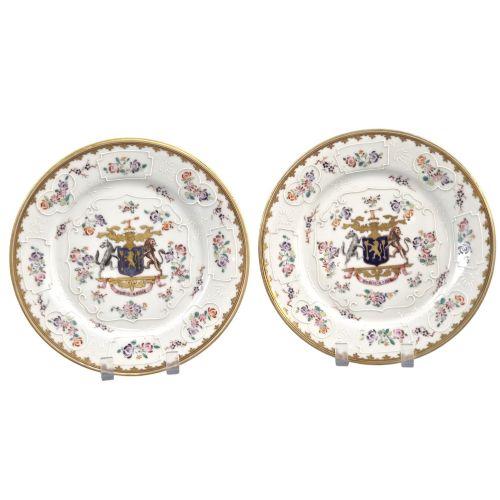
Samson of Paris pieces are nineteenth-century ceramic reproductions and interpretations created in France to emulate historical porcelain from celebrated factories such as Chelsea, Derby, Sèvres, and Chinese export kilns. Buyers searching for samson of paris typically encounter figures, vases, armorial plates, and decorative bowls spanning the Victorian era from the mid-nineteenth century up to nineteen hundred.
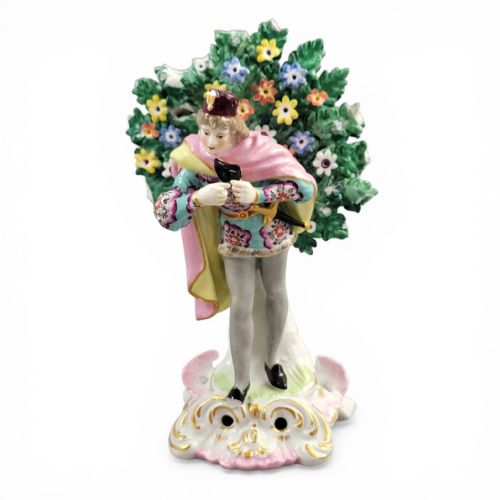
The objects take diverse forms, ranging from elaborate bocage figurine groups and mythological figures to Japanese Imari style garnitures and Chinese-style armorial vessels. These pieces reflect a nineteenth-century enthusiasm for historical ceramic styles, meticulously rendered by Parisian workshops to mimic the appearance of much older wares.
Materials and Construction
Makers utilised hard-paste porcelain as the primary ceramic body, shaped through moulding and hand-finishing before receiving detailed hand-painted polychrome enamel decoration. Artisans applied gilding, gold leaf, and gilt metal mounts to enhance the ornamental appeal of vases, lamps, and centrepieces.
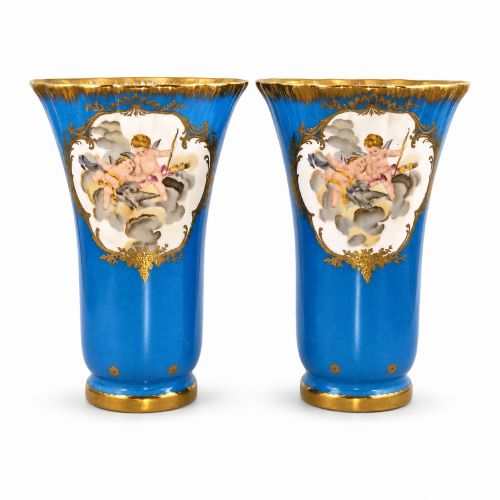
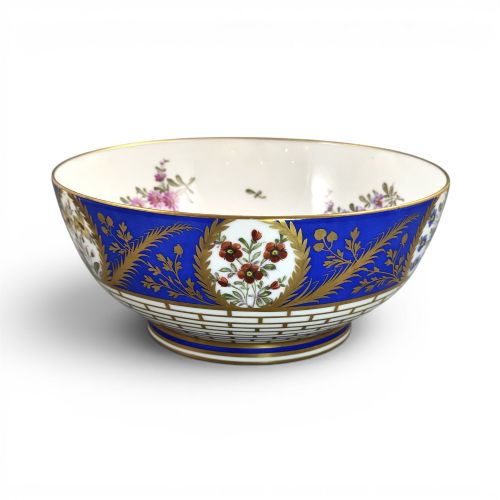
Surface ornamentation often incorporates raised white enamel, intricate armorial crests, and Bleu Céleste grounds. Many figural compositions feature delicate bocage backgrounds, where applied floral and leaf motifs surround the central characters.
Even porcelain guinea fowl and novelty condiment pots found a place in the workshop's ambitious repertoire.
Factors of Quality
Quality in these ceramics depends heavily on the precision of the hand-painting and the crispness of the mould work, particularly in complex figural groups and detailed avian or human subjects. Finer examples display meticulous brushwork in facial expressions and botanical motifs, whereas lesser pieces show more mechanical or hurried application of enamels and gilding.
The ambition of the form also dictates the standing of the piece, distinguishing standard utilitarian bowls or simple plates from large-scale garnitures, armorial campana vases, and multi-figure allegorical compositions.
Edmé Samson et Cie
The Samson of Paris Glossary
- Hard-Paste Porcelain
- A dense, vitrified ceramic material composed of kaolin and petuntse, fired at high temperatures. It forms the durable white body characteristic of these French interpretations.
- Bleu Céleste
- A rich sky-blue ceramic ground colour associated particularly with eighteenth-century Sèvres porcelain. This vibrant hue frequently serves as a backdrop for pastoral or armorial painted scenes.
- Bocage
- An intricate background of applied porcelain leaves, flowers, and branches surrounding figural groups. This delicate technique is commonly found on Chelsea-style figures.
- Armorial
- Bearing painted family crests, coats of arms, or heraldic devices. Such decoration mimics prestigious export services commissioned by European nobility in earlier centuries.
- Garniture
- A matching set of three or more ornamental vases or vessels designed for display on a mantelpiece or sideboard. These sets often display Imari patterns or floral motifs.
Samson of Paris: Frequently Asked Questions
What are samson of paris ceramics?
These objects are nineteenth-century French porcelain pieces produced in Paris to imitate historic ceramics from renowned factories like Chelsea, Derby, and Sèvres, as well as Chinese export wares.
Rather than attempting to deceive as genuine antiques of those earlier periods, the workshop created high-quality study pieces and decorative adaptations for collectors of the Victorian era.
How were these figures used?
Figures and decorative vessels served primarily as interior ornamentation for Victorian drawing rooms and display cabinets, reflecting a widespread fascination with eighteenth-century aesthetics.
Larger items like armorial plates, punch bowls, and garnitures were also employed in domestic settings for display and occasional entertaining.
How do I identify the style?
Look for stylistic borrowings from earlier European factories, such as Chelsea-style bocage figures, Sèvres-inspired Bleu Céleste grounds, or Derby-influenced theatrical characters and allegorical groups.
Many pieces also draw directly on Chinese export and Japanese Imari palettes, featuring distinctive iron-red, cobalt blue, and gilt detailing.
Are marks found on these pieces?
Some items bear pseudo-marks that playfully imitate or nod to the historic marks of Chelsea, Derby, or other factories, while others carry the marks associated with the Parisian workshop itself.
These marks help distinguish the French nineteenth-century origin from the actual eighteenth-century wares they emulate.