


Samson Porcelain Vase
A samson porcelain vase is a celebrated nineteenth century French imitation of historic ceramics, offering the visual splendour of rare antiques for the discerning collector.
Samson Porcelain Vase
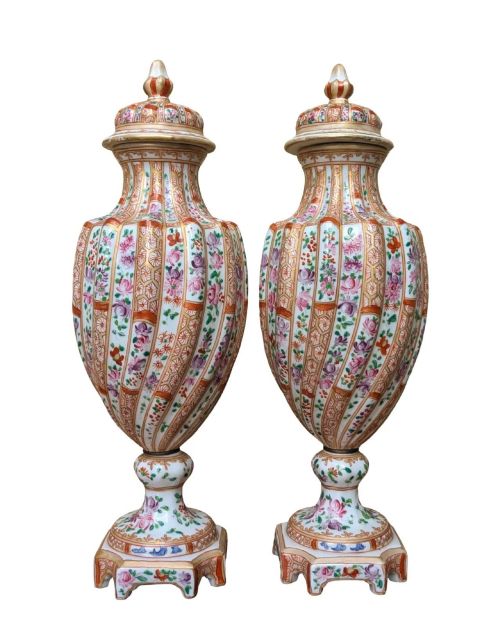
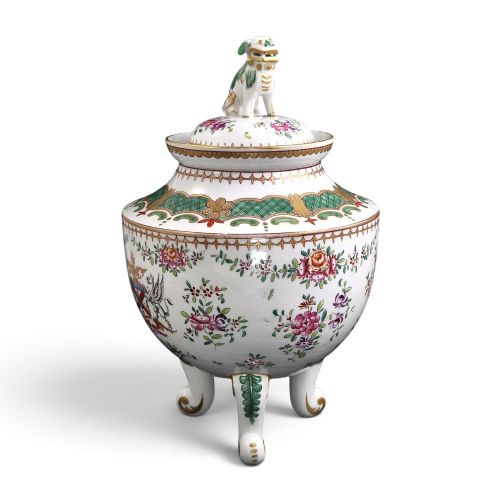
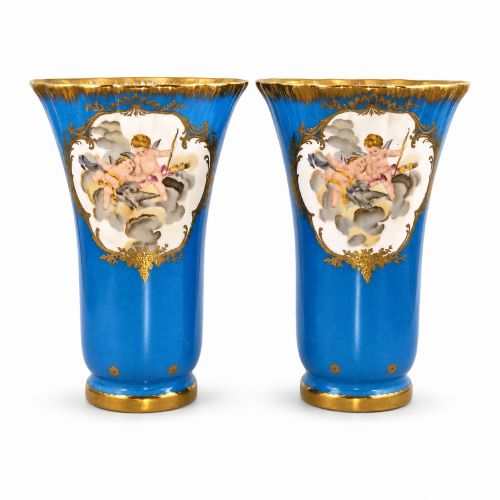
A samson porcelain vase represents the nineteenth century tradition of Paris ceramic workshops recreating earlier historic wares. Buyers seeking these pieces encounter items modelled after eighteenth century styles, including Chinese export, Japanese Imari, and European porcelain factories.
The objects available encompass lidded vases, campana shapes, and armorial vessels often adapted later into table lamps with brass or ormolu mounts. Most examples date from the Victorian era and the decades around eighteen eighty.
These pieces bridge the gap between historic ceramic scholarship and decorative interior design. Collectors appreciate the ambition of the Paris makers in capturing the essence of earlier forms.
Materials and Craftsmanship
Hard-paste porcelain forms the structural foundation of these nineteenth century French pieces, providing a durable and smooth white body. Artisans applied hand-painted enamel and gold leaf to decorate the surfaces.
Gilding and raised white enamel add tactile depth to floral and exotic bird motifs. Brass and ormolu mounts frequently complete the composition, particularly on pieces converted for domestic lighting.
Bacchic mask handles stare out cheerfully from nineteenth century French porcelain, watching the room change around them.
Distinctions in Quality
Quality rests primarily on the fidelity and execution of the hand-painted decoration across the porcelain body. Superior examples display precise brushwork in imitation of Chelsea, Sèvres, or Famille Rose originals.
The crispness of the moulding and the application of gold leaf and enamel separate standard production from exceptional large scale decorative items. The integration of metal mounts also influences the overall balance of the piece.
Samson of Paris
The Samson Porcelain Vase Glossary
- Armorial
- Bearing a coat of arms or heraldic insignia. These designs were frequently copied from historic services.
- Famille Rose
- A palette of opaque rose pink enamel introduced in Chinese ceramics. Samson utilised this style extensively.
- Imari
- A Japanese export porcelain style featuring iron red, blue, and gold. French makers replicated these patterns in the nineteenth century.
- Ormolu
- Gilded bronze used for decorative mounts and bases. It frequently elevates the status of nineteenth century vases.
- Hard-Paste Porcelain
- A durable ceramic composition fired at high temperatures. It serves as the primary material for these French pieces.
Samson Porcelain Vase: Frequently Asked Questions
What is a samson porcelain vase?
A samson porcelain vase is a nineteenth century French ceramic piece created by the Paris firm to imitate historic wares from factories like Chelsea, Sèvres, and Meissen.
These objects are collected for their artistic homage to earlier ceramic traditions rather than as modern inventions.
How can I date my vase?
Most pieces originate from the nineteenth century, specifically between eighteen fifty and eighteen ninety. Stylistic clues and factory marks help narrow the decade of production.
The use of hard-paste porcelain and specific enamels aligns closely with Victorian manufacturing techniques in Paris.
Were these vases used as lamps?
Many nineteenth century examples feature brass or ormolu mounts added to facilitate conversion into table lamps. This practical adaptation occurred both during the period and in subsequent decades.
Such conversions maintain the decorative character of the original porcelain body.
Why did Samson copy older styles?
The Paris workshop responded to a strong nineteenth century demand for historic porcelain that had become scarce or expensive. Artisans studied and reproduced Japanese Imari, Chinese export, and European designs.
This practice demonstrated considerable technical skill in ceramic painting and firing.