





Famille Rose Style Vase
These famille rose style vases bring vibrant hand-painted enamels and intricate Chinoiserie motifs directly into your home.
Famille Rose Style Vase
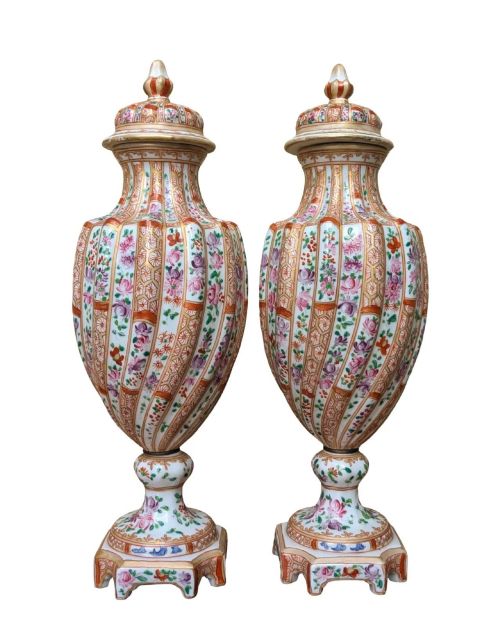
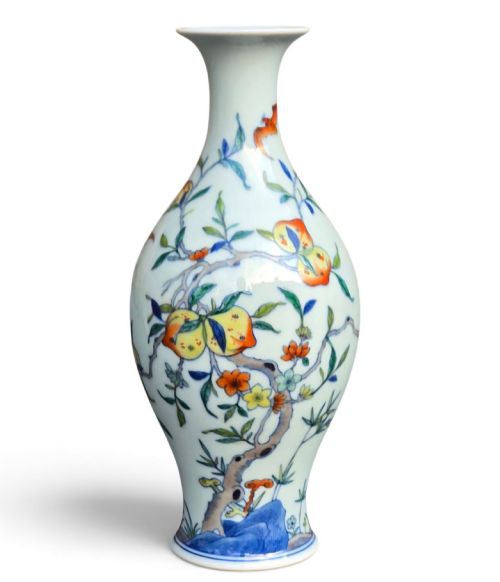
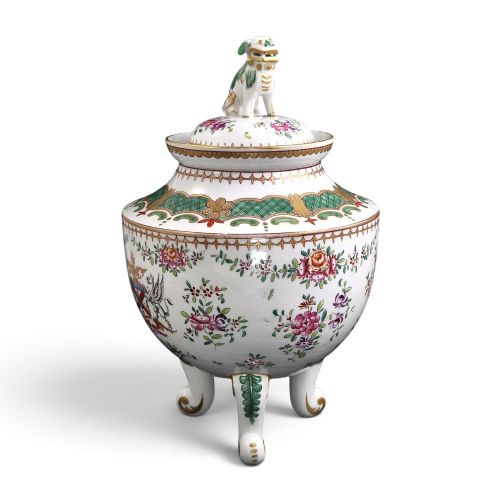
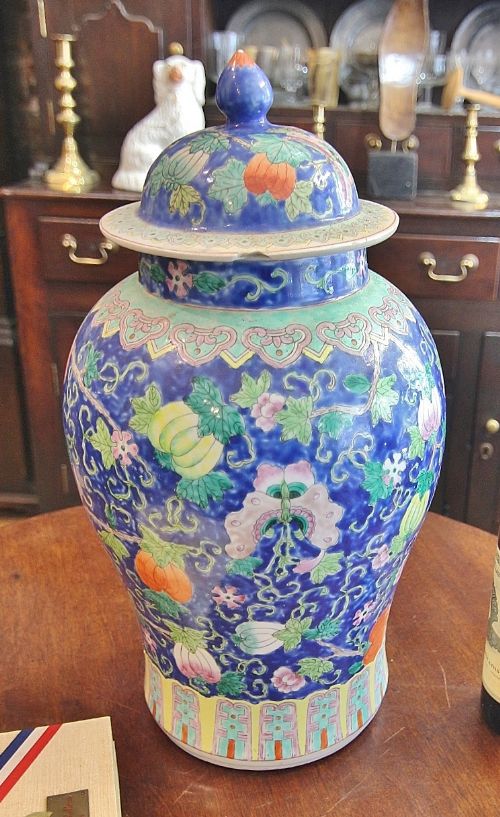
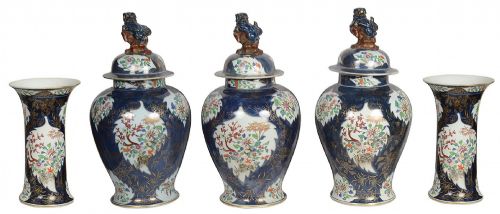
A famille rose style vase displays the distinct palette of opaque pink enamels alongside rich floral and figural compositions. When searching this phrase, buyers encounter pieces ranging from traditional Chinese export ware to 19th-century French interpretations.
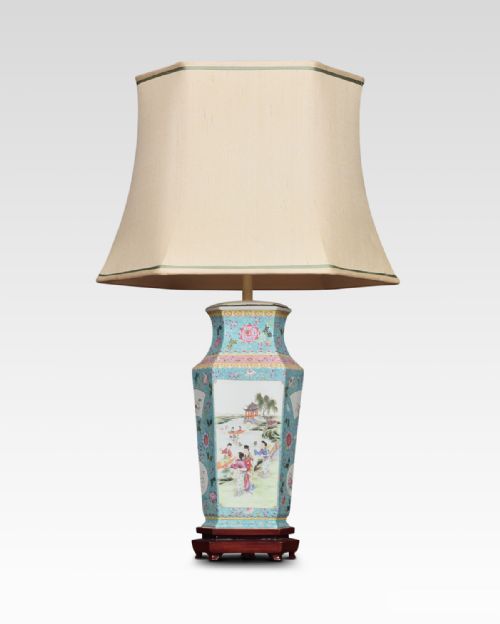
The selections available here frequently take the form of lidded ginger jars, baluster shapes, and campana urns. Many examples have been adapted over time into table lamps, incorporating brass, wood, or gilt bronze mounts.
Origin periods span from the late 19th century through to the mid 20th century. Buyers will find both Chinese Canton production and European revival works, notably from French makers imitating earlier aesthetic traditions.
How They Were Made
Makers utilised hard-paste porcelain as the primary canvas, shaping vessels on the wheel or in moulds before firing. Artisans then applied detailed hand-painted enamels directly onto the glazed surface to build up the characteristic pictorial panels and floral borders.
Many European and French interpretations incorporate luxury mounts of gilt bronze or brass. Artisans also integrated materials such as gold leaf and fabric shades when converting these porcelain bodies into functional lamps.
Several ginger jars had completely peaceful past lives holding spices before someone decided they deserved to illuminate a reading nook.
What Varies in Quality
The finesse of the hand-painted enamelwork marks the primary distinction between standard production and superior examples. Finer pieces demonstrate meticulous brush control in the rendering of facial expressions, robes, and botanical details.
The integration of secondary materials also dictates the standing of a piece. Precision in the casting and gilding of bronze or brass mounts separates ordinary conversions from distinguished decorative works.
The Famille Rose Style Vase Glossary
- Famille Rose
- A palette of Chinese ceramic glazes dominated by an opaque pink enamel introduced during the Qing dynasty. This term translates to pink family and defines the floral and figural style seen on these pieces.
- Chinoiserie
- The European interpretation and imitation of Chinese and East Asian artistic traditions. This aesthetic heavily influenced 19th-century French porcelain production.
- Baluster
- A vase form characterised by a swollen lower portion that tapers towards the neck. It provides a stable and visually balanced shape for complex enamel scenes.
- Ormolu
- Gilded bronze used widely for decorative mounts, handles, and bases on 19th-century decorative vases. This technique adds structural weight and metallic contrast to the porcelain.
Famille Rose Style Vase: Frequently Asked Questions
What is a famille rose style vase?
A famille rose style vase is a ceramic vessel decorated with opaque pink enamels and colourful floral or figural motifs. These pieces follow traditional Chinese export designs or later European revival interpretations.
They appear in various forms, including ginger jars, baluster shapes, and campana urns, often featuring hand-painted panels depicting court scenes or botanical studies.
Were these vases used as lamps originally?
Many of these porcelain vessels started as decorative mantel or garniture pieces before being converted into table lamps in subsequent decades. Wiring and mounts in brass or gilt bronze were added to suit changing domestic interiors.
This adaptation preserves the painted ceramic body while giving the antique a functional role in modern lighting.
How do I date a 19th century piece?
Dating relies on examining the characteristics of the hard-paste porcelain, the composition of the enamel colours, and any associated mounts. 19th-century French works often exhibit specific paste qualities and mounting styles distinct from earlier periods.
Archival records and maker traditions also help establish whether a piece originates from Chinese Canton production or European workshops.
How do I clean an antique porcelain vase?
Dusting gently with a soft, dry cloth is the safest method to maintain the hand-painted enamels and gilt surfaces. Avoid harsh chemical cleaners or submerging mounted pieces in water.
Care should be taken around fitted bronze bases, fabric elements, and older wiring if the vessel has been converted into a lamp.