



Hand Painted Chinese Vessel
A hand painted chinese vessel brings centuries of pigment, clay, and kiln skill directly into your room.
Hand Painted Chinese Vessel
A hand painted chinese vessel encompasses everything from ginger jars and double-gourd vases to brush pots and large centre bowls. When you search for this phrase, you encounter forms shaped from ceramic and porcelain, spanning periods from the eighteenth century through to the twentieth century.
The pieces appearing on this page draw from distinct eras including the Qing dynasty, the Republic period, and Chinese export production. You find domestic wares alongside items created for export, each carrying traditional motifs executed by hand.
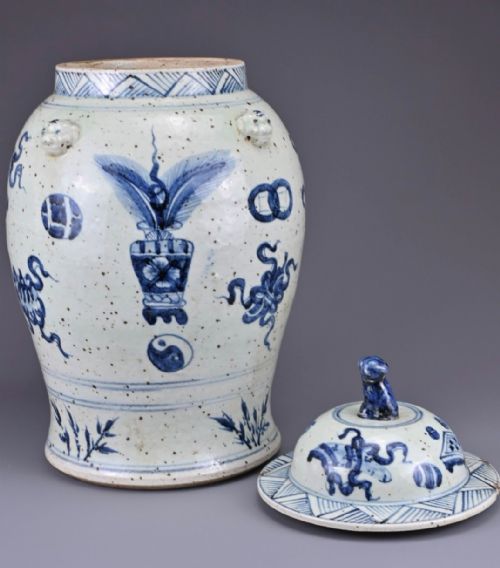
Forms range from compact snuff bottles held in the palm to monumental vases standing over sixty centimetres tall. Ginger jars with covers, open jardinières, and slender bottle vases represent the primary shapes available in this selection.
Materials and construction
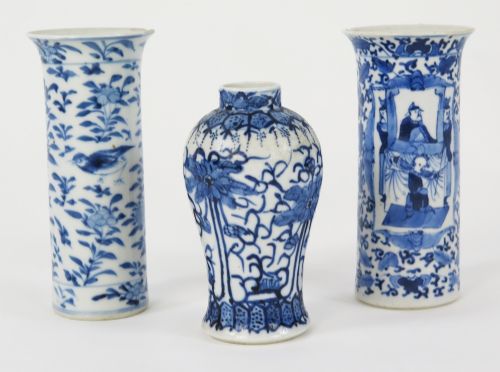
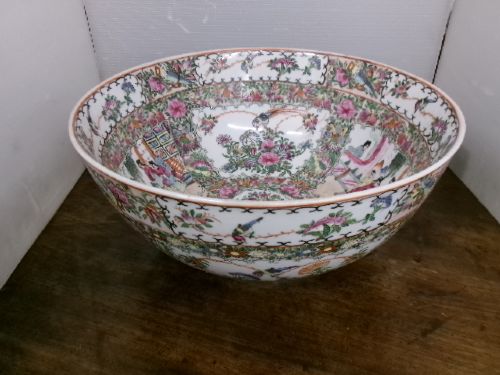
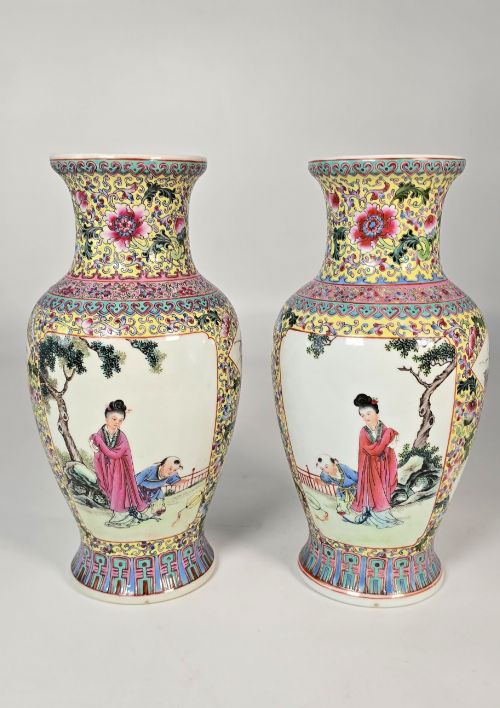
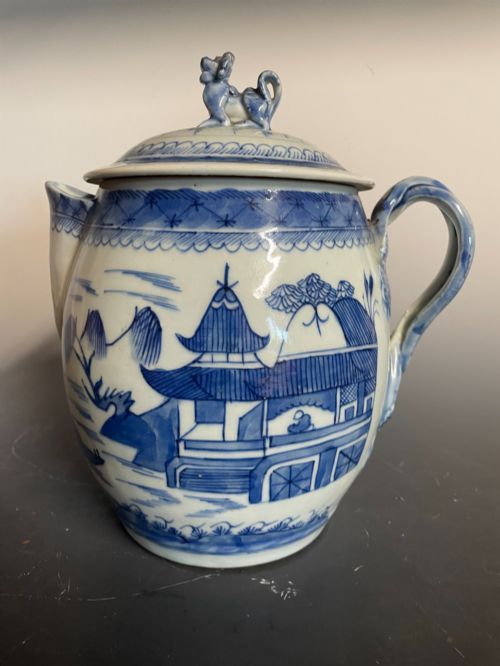
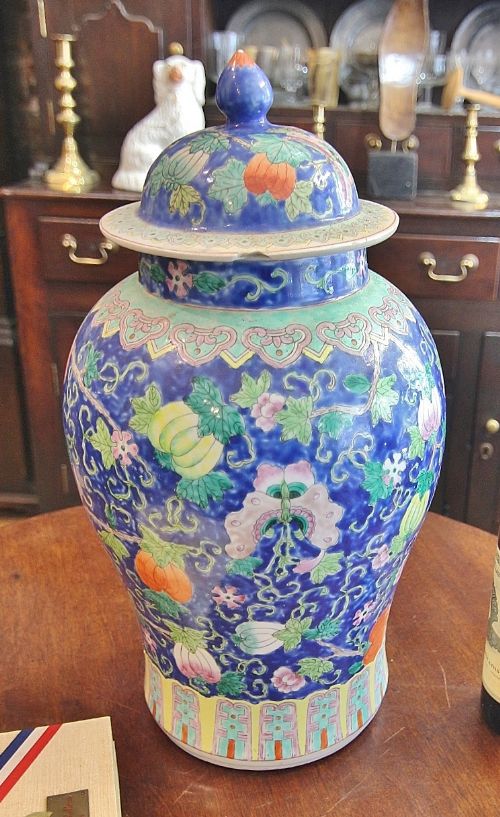
Potters formed these pieces using fine ceramic and porcelain bodies, frequently applying cobalt pigment beneath a clear glaze or building detailed designs with polychrome enamel palettes. Gold leaf and specialised enamel work appear on select export and domestic pieces to add surface metallic accenting.
Artisans applied cobalt blue underglaze before firing at high temperatures, or painted famille rose and famille verte enamels over the glaze in subsequent low-temperature firings. Wood mounts and fitted covers occasionally accompany these vessels, completing the historic object.
Judging the range
The refinement of the brushwork defines the upper tier of these vessels, where painters rendered figures, birds, flowers, and dragons with precise control and expressive detail. Lesser examples display heavier, more hurried application of pigment and simpler repetition of standard motifs.
The purity and translucency of the porcelain body, alongside the stability of the kiln glaze during firing, separate exceptional items from standard production pieces. Well-preserved painted enamels retain their original gloss and opacity without rubbing or flaking across the surface.
Gao Hengsheng
The Hand Painted Chinese Vessel Glossary
- Famille Rose
- A major palette of Chinese ceramic enamels introduced in the eighteenth century, characterised by opaque pink and rose colours derived from colloidal gold.
- Ginger Jar
- A wide-shouldered ceramic jar traditionally used for storing spices or oil, typically featuring a fitted lid and decorated in blue and white or polychrome enamels.
- Double-Gourd Vase
- A vessel shaped in two joined bulbous sections resembling a botanical gourd, associated with auspicious symbolism and balance in Chinese design.
- Brush Pot
- A cylindrical container known as a bitong, utilised by scholars to hold writing brushes on a desk.
- Underglaze Cobalt
- A blue pigment applied directly to the raw clay body before glazing and firing, creating durable decoration that sits beneath the glassy surface.
Hand Painted Chinese Vessel: Frequently Asked Questions
How are antique ginger jars dated?
Potters often applied imperial reign marks to the base of fine vessels, though these marks frequently honour earlier emperors rather than indicating the exact year of manufacture. Collectors examine the characteristics of the porcelain body, the depth of the cobalt blue, and the style of the hand-painted motifs to determine the period.
Changes in trade patterns and export regulations also help narrow down the decade in which a piece left the kilns. Comparing the potting technique and glaze texture against dated examples establishes a reliable timeline.
Where were these jars used?
Wealthy households and scholars utilised these vessels within interior spaces for storage, decoration, and scholarly pursuits. Brush pots sat upon scholar's desks, while large bowls and jardinières held water or floral arrangements.
Export pieces travelled to European and American markets to furnish grand drawing rooms and mantelpieces. Their decorative surfaces were designed to display status and appreciation for traditional Chinese artistry.
How do I display a large vase?
Placing a monumental vase or double-gourd vessel directly on the floor or on a sturdy wooden stand allows its height and proportions to command the space safely. Smaller jars and bottles rest comfortably on console tables or shelves away from high-traffic areas.
Keeping pieces out of direct sunlight preserves the painted enamels and prevents any associated wood components from drying out. A stable, level surface ensures heavy porcelain vessels remain secure.
What is the difference between export and domestic wares?
Export wares were produced specifically for Western markets, often incorporating shapes and decorative scenes tailored to European tastes. Domestic wares reflect indigenous Chinese aesthetics, philosophical motifs, and scholarly preferences.
Both categories received careful hand painting, but the iconography on domestic pieces generally adheres strictly to traditional symbolism. Examining the palette and subject matter reveals the intended audience for each vessel.