
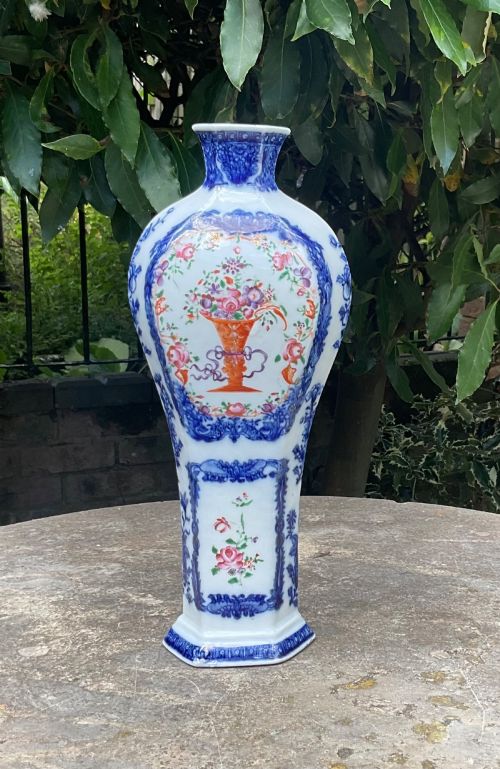
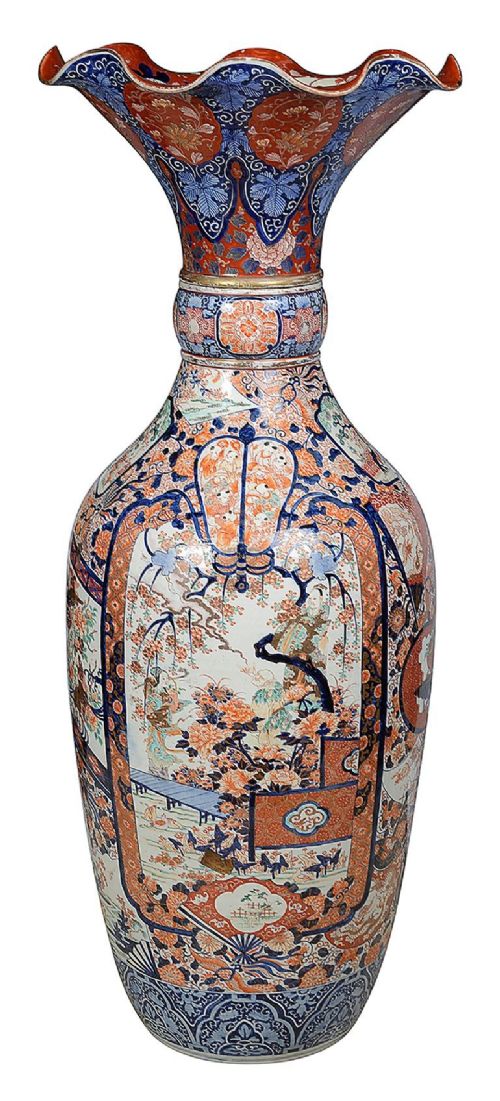
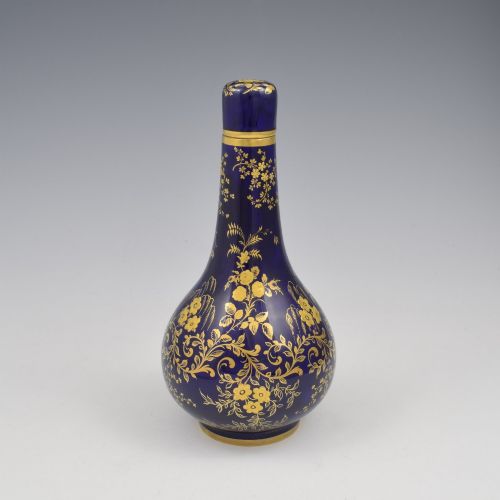
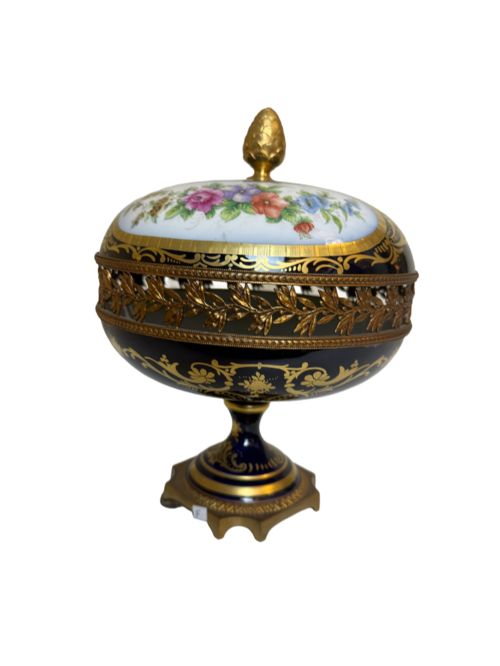
Blue Ceramic Urn Jar
A blue ceramic urn jar brings deep cobalt tones and classical form to a room, drawing the eye instantly.
Blue Ceramic Urn Jar
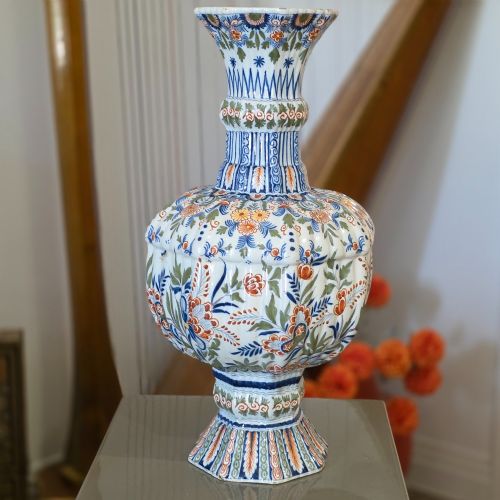
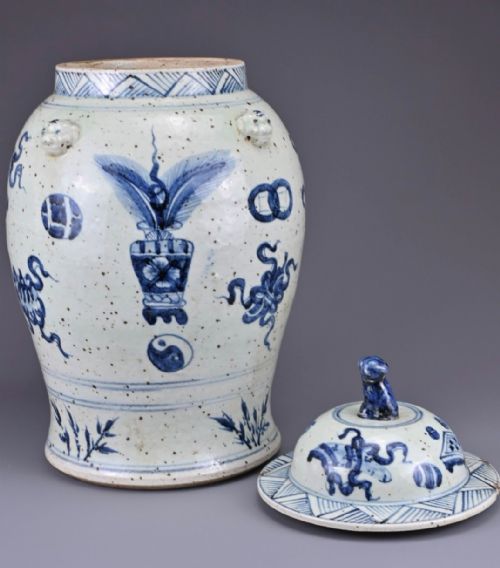
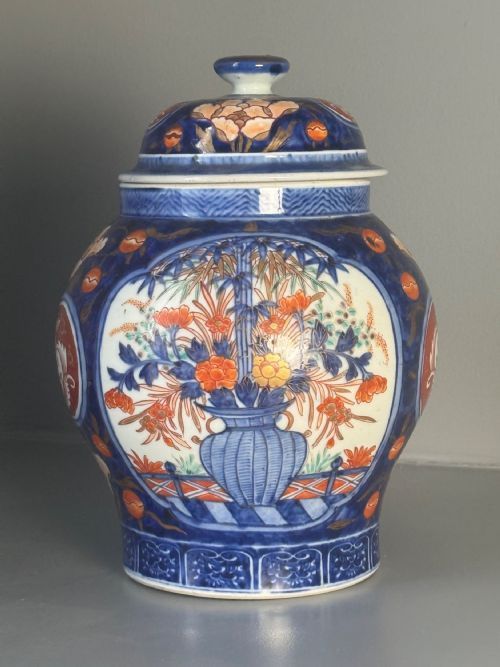
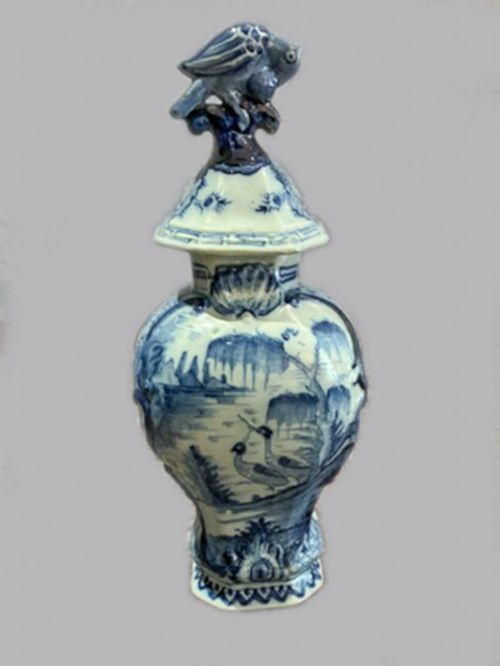
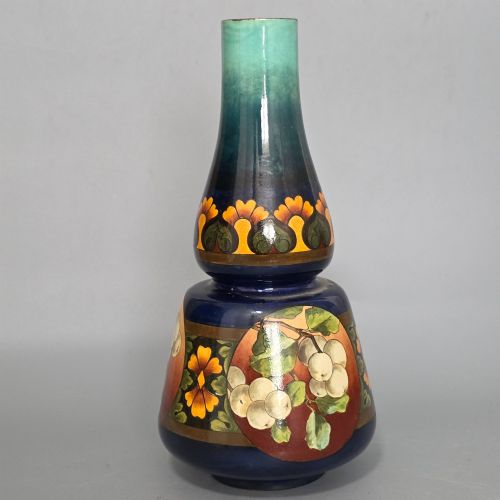
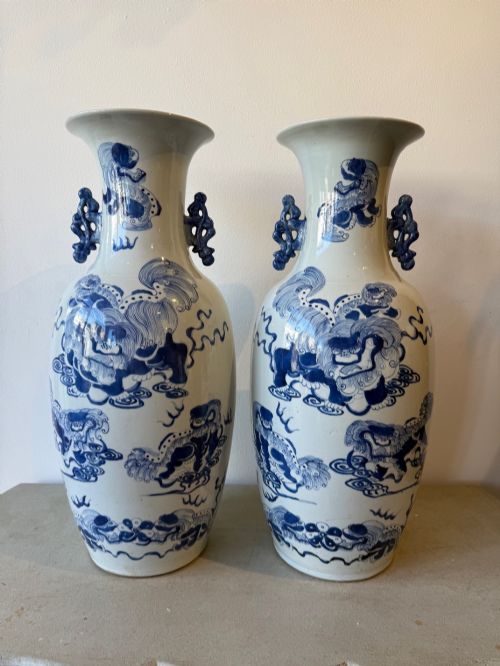
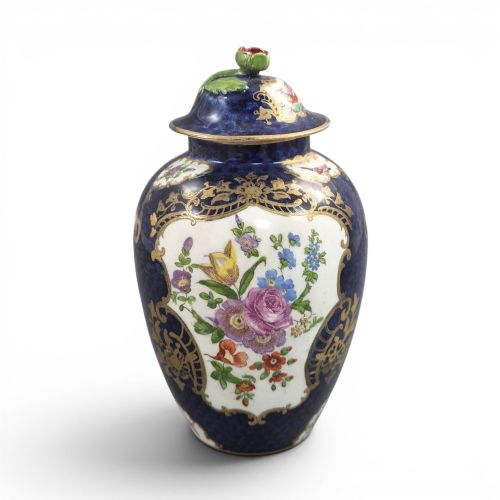
A blue ceramic urn jar encompasses large lidded vessels, ginger jars, and baluster forms shaped for display or storage. When you search for blue ceramic urn jar, you encounter pieces intended for prominent placement on tables, floors, or architectural brackets.
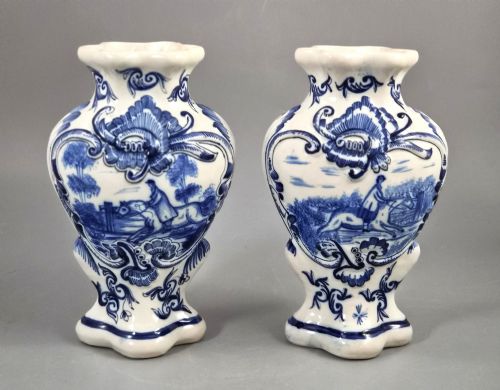
The selections span centuries, featuring robust earthenware, tin-glazed pottery, and fine porcelain shaped in diverse regional traditions. European delftware and Asian export wares dominate the visual landscape of this category.
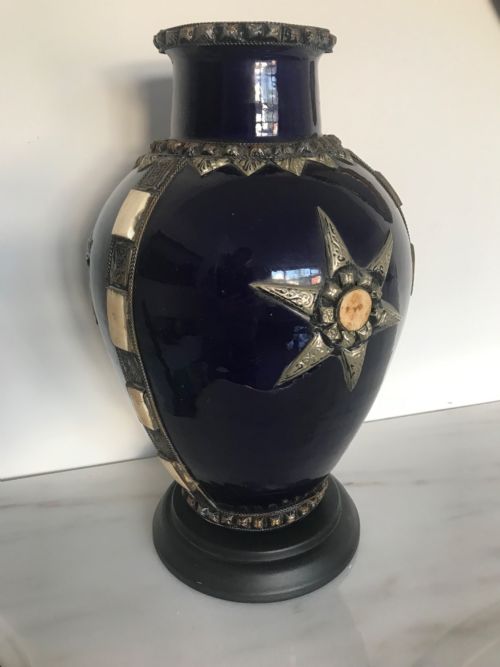
Many examples arrive with fitted covers, double gourde profiles, or structural handles suited to their original function as containers. Others cross into decorative arts as converted table lamps carrying metal mounts.
Materials and Techniques
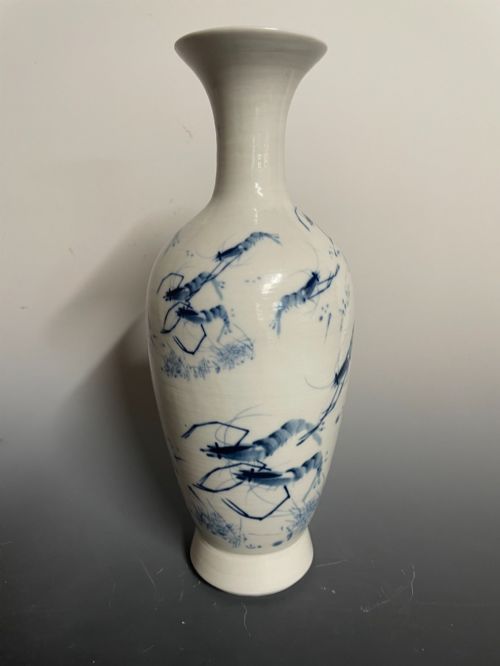
Potters shaped these bodies from refined porcelain, earthenware, or terracotta, throwing them on wheels or casting them in moulds before firing. Cobalt blue pigment applied beneath or over the glaze creates the characteristic decoration across tin-glazed earthenwares and hard-paste porcelains alike.
Makers layered gold leaf, enamel highlights, and ormolu mounts onto selected vessels to elevate their decorative impact. Tin-glazing provided an opaque white surface that accepted cobalt painting cleanly in the Dutch and English delft traditions.
Listings feature periods spanning from the sixteenth century through the twentieth century, with nineteenth-century examples appearing most frequently.
Judging Quality
The crispness of the cobalt painting and the control shown in the brushwork dictate the visual success of the piece. Fine potting creates balanced walls and symmetrical silhouettes that hold their presence across large floor-standing formats.
Glaze consistency and the preservation of delicate enamel or gilt details over centuries influence the overall integrity of the object. Harmony between the ceramic body and any added metal mounts completes the assessment of execution.
Fourmaintraux-Courquin·Alice Euphemia Thatcher·E O Ball
The Blue Ceramic Urn Jar Glossary
- Baluster
- A tall vessel shape swelling gracefully towards the lower portion before tapering at the base. This profile appears frequently among large lidded storage jars.
- Cobalt Glaze
- A deep blue metallic oxide pigment applied to ceramics to withstand high kiln temperatures without losing intensity. It remains the defining colourant for traditional blue and white pottery.
- Imari
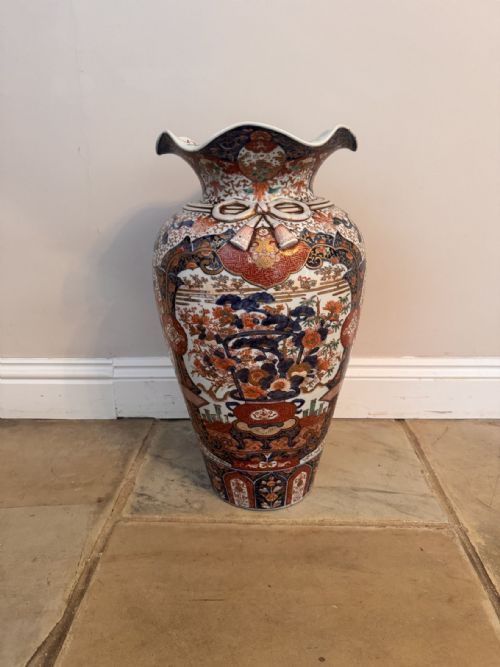
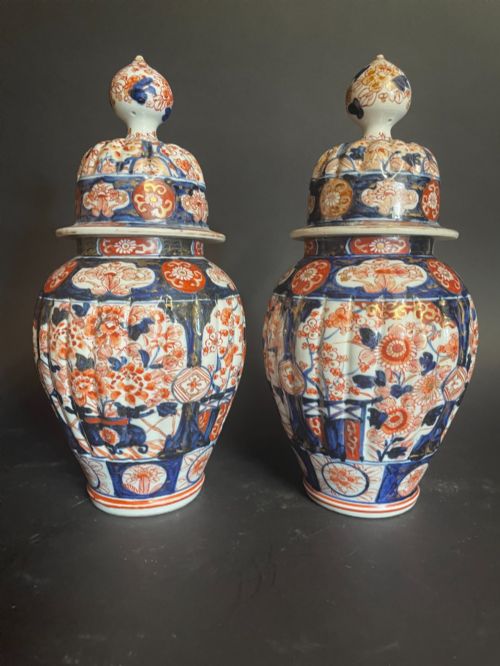
- A Japanese export porcelain style featuring dense cobalt blue underglaze combined with iron-red and gilt overglaze decoration. These vibrant patterns found wide favour in European interiors.
- Tin-Glazed Earthenware
- Pottery coated with a white enamel containing tin oxide, providing an opaque ground for painted decoration. Dutch delftware relies entirely on this chemical composition.
- Ormolu
- Gilded bronze mounts applied to the rims, bases, or handles of ceramic vessels. French makers frequently added these metal fittings to imported Asian porcelain during previous centuries.
Blue Ceramic Urn Jar: Frequently Asked Questions
How were blue ceramic urn jars used originally?
These vessels served to store dry goods, spices, or medicines within domestic and commercial settings while displaying wealth through imported materials. Lidded ginger jars and baluster vases protected valuable contents from air and moisture.
Over time, many shifted into purely decorative roles, placed on mantelpieces, tables, or floor stands to punctuate grand interior schemes with bold cobalt patterns.
How do I distinguish eighteenth-century delft from later copies?
Eighteenth-century delftware exhibits tin-glaze characteristics such as slight surface irregularities, minor fritting around the rims, and hand-mixed cobalt pigments that sink softly into the glaze. The weight feels substantial due to the dense earthenware body beneath.
Later revival pieces often display harder, more uniform modern glazes and lack the subtle tonal variations created by historical hand-painting methods.
Can I use these lidded jars for flower arrangements?
Historical lidded jars function best as decorative display pieces rather than functional vases for water and stems. The porous nature of older earthenware bodies and historical glaze craquelure can allow moisture to seep through over time.
Keeping them dry preserves the internal glaze integrity and protects any delicate hand-painted surfaces from mineral staining or structural stress.
How do I safely display a heavy floor-standing jar?
Large vessels require stable, level placement away from high-traffic zones where accidental impacts might occur. Positioning them directly on solid flooring or sturdy low furniture distributes their considerable weight safely.
Avoid placing tall porcelain or earthenware pieces near direct heat sources or in intense sunlight that might affect older glazes and applied mounts.