



Covered Porcelain Display Urn
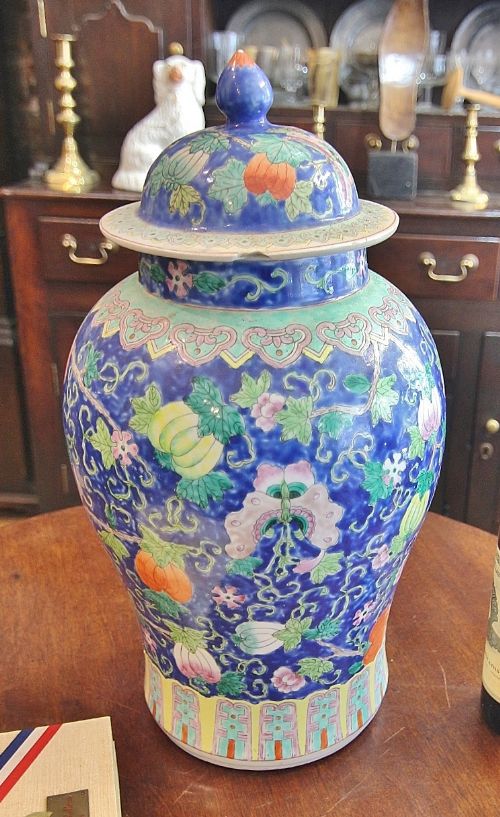
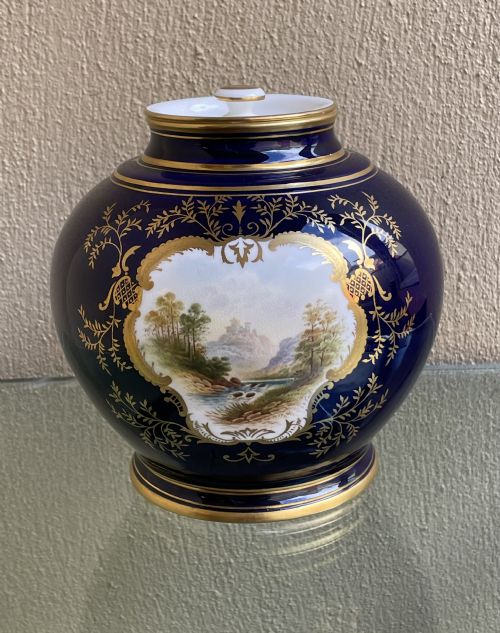
These covered porcelain display urns bring together centuries of global ceramic craft, offering a grand decorative focal point for any interior.
Covered Porcelain Display Urn
When you search for covered porcelain display urn, you find lidded vessels designed primarily for ornament rather than utility. The selections span diverse aesthetics, from grand European neoclassical forms to intricate Asian wares.
You are most likely to encounter pieces from the nineteenth century alongside earlier Japanese Imari creations and twentieth-century interpretations. These objects take forms such as lidded vases, ginger jars, and pot pourri vessels.
The origins reflect international trade and artistic exchange, drawing on Japanese Meiji and Edo periods, Chinese traditions, and English factories like Coalport and Royal Worcester. Many include fitted covers and occasional display pairings with padouk wood.
How they were made
Makers shaped these pieces from fine porcelain, applying cobalt blue underglaze and rich enamels to build complex pictorial schemes. Kiln firing fixed these colours before artisans added further surface details.
Many examples incorporate metallic embellishments, utilising gold leaf, gilding, and cast or gilt ormolu mounts to frame the ceramic body. Wood elements such as padouk wood appear in associated tables and stands.
Listings feature porcelain pieces spanning the eighteenth, nineteenth, and twentieth centuries, alongside Edwardian creations.
What varies in quality
The standard of painting defines the upper tier of these objects, particularly where hand-painted motifs like birds or classical scenes demonstrate exceptional brushwork by named artists. Lesser examples rely on repetitive patterns or simpler transfers.
The integration of secondary materials also sets pieces apart, where heavy cast ormolu mounts and finely carved wooden stands complement the porcelain rather than functioning as mere additions.
Coalport·Royal Worcester
The Covered Porcelain Display Urn Glossary
- Imari
- A style of Japanese export porcelain characterised by a palette of underglaze blue, iron red, and gold. It gained immense popularity in European interiors during the historic trade periods.
- Ormolu
- Gilded bronze used for decorative mounts and fittings on furniture and porcelain. It provides a bright metallic contrast to the ceramic body.
- Pot Pourri
- A vessel featuring a pierced or perforated cover designed to hold and diffuse scented dried plant materials. These often form highly ornate centrepieces.
- Padouk
- A dense tropical hardwood prized for its deep reddish colour and durability. It frequently provides the material for stands and display tables.
- Underglaze
- Pigment applied directly to the raw ceramic body before the application of a clear glaze and final firing. This technique protects the painted design from wear.
Covered Porcelain Display Urn: Frequently Asked Questions
What distinguishes an urn from a ginger jar?
Urns typically feature footed bases, distinct necks, and sometimes handles or metallic mounts designed for classical display. Ginger jars usually present a more rounded, bulbous profile with a flat-topped lid.
While both serve decorative purposes, urns lean towards neoclassical or formal architectural styles, whereas ginger jars trace their origins to utilitarian storage vessels before becoming purely ornamental.
How do I care for gilt porcelain?
Gilt porcelain requires gentle treatment to preserve the delicate gold leaf and enamel decoration over time. Dusting with a soft, dry brush prevents the accumulation of dirt without risking abrasion.
Avoid chemical cleaners, abrasive cloths, and immersion in water, particularly on pieces with exposed ormolu mounts or wooden display elements.
Where should I place a display urn?
These large vessels command attention and suit prominent locations such as mantelpieces, entrance halls, or dedicated occasional tables. Pairing them with complementary furniture highlights their scale and form.
Ensure the placement protects the piece from accidental knocks, direct sunlight, and extreme temperature fluctuations that might affect older glazes or mounts.
How do I identify Japanese Imari work?
Japanese Imari porcelain is recognised by its distinct decorative scheme combining cobalt blue underglaze with iron red and supplementary gold leaf. The motifs often feature floral arrangements, landscapes, and traditional panels.
Examining the paste, glaze pooling, and painting style helps differentiate original period pieces from later nineteenth-century interpretations and European copies.