


Chinese Floral Porcelain Jar
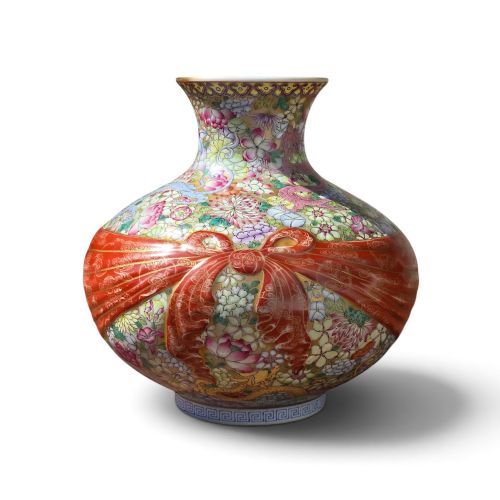
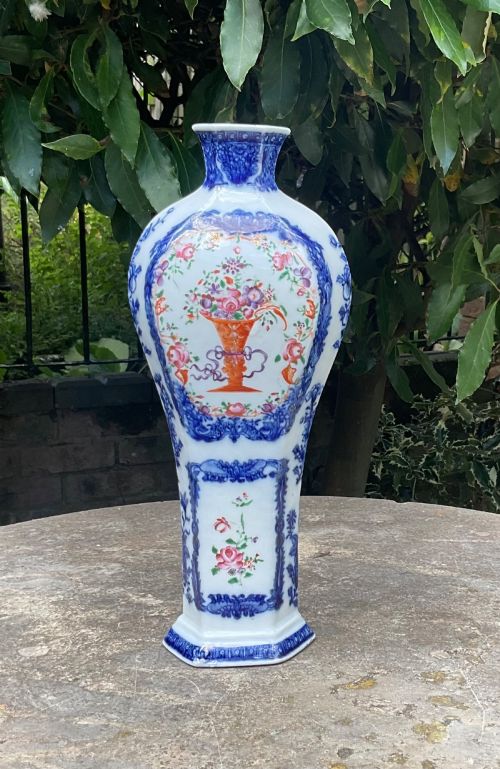
These chinese floral porcelain jar examples bring centuries of hand-painted tradition straight into your home.
Chinese Floral Porcelain Jar
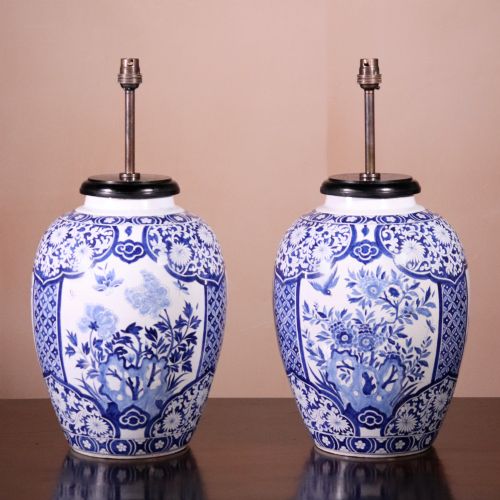
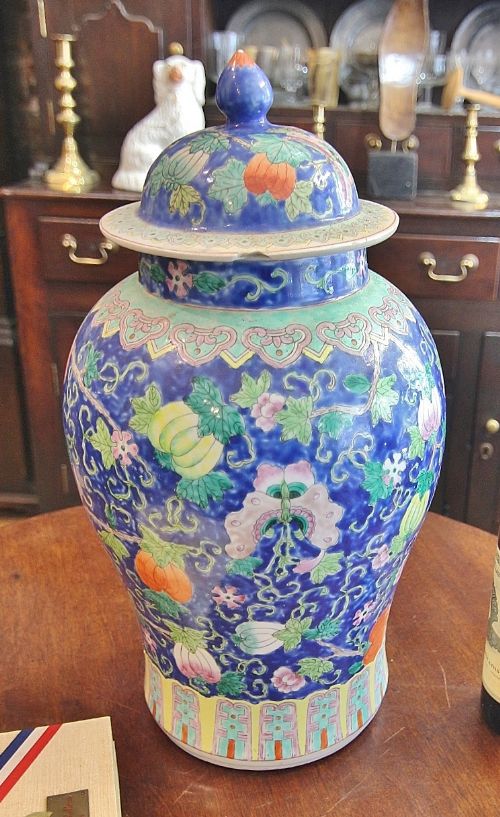
When you search for a chinese floral porcelain jar, you encounter pieces spanning the eighteenth century through to the mid-twentieth century. The selection ranges from ginger jars and lidded vessels to table lamps fitted with brass and wood.
You are most likely to meet nineteenth-century and early twentieth-century examples on this page, including pieces from the Late Qing to Early Republic period. Many of these items combine traditional forms with later adaptations such as wiring for modern illumination.
Styles represented across the inventory include Chinoiserie, Chinese Export, Famille Rose, and Famille Verte. The decorative schemes heavily feature floral motifs alongside iron-red ribbons, dragons, and blue and white underglaze painting.
Materials and Craftsmanship
The makers formed these vessels from porcelain, applying detailed enamel glazes by hand to create intricate floral patterns and colourful pictorial scenes. Artisans frequently incorporated underglaze blue painting beneath clear protective layers.
Certain pieces feature supplementary mounts and fittings in brass, or display surfaces enriched with gold leaf. Storage and display vessels often appear alongside wooden components and fabric elements integrated into lamp conversions.
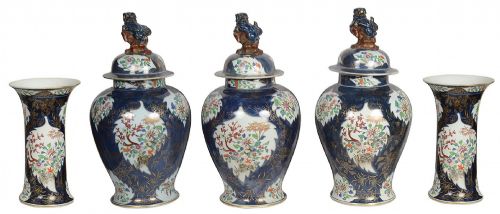
Object forms include lidded ginger jars, garniture sets, bottle vases, and standard vase bodies adapted into table lamps.
Judging Quality and Execution
The precision of the hand painting dictates the distinction between standard production and finer studio work. Controlled brushwork in the enamel glaze and well-rendered floral details separate superior examples from simpler decorative output.
The integrity of the porcelain body and the crispness of underglaze marks, such as Qianlong seal marks, indicate the care taken during production. Secondary mounts in brass or ormolu further reflect the tier of the piece.
Samson Porcelain
The Chinese Floral Porcelain Jar Glossary
- Famille Rose
- A major palette of Chinese ceramic glazes introduced in the eighteenth century, dominated by opaque pink or rose enamels. It allows for subtle tonal gradations in floral and figural painting.
- Famille Verte
- A translucent green-dominated enamel palette utilised extensively on Chinese porcelain from the Qing dynasty onwards. It often partners with iron-red and cobalt blue to render botanical designs.
- Ginger Jar
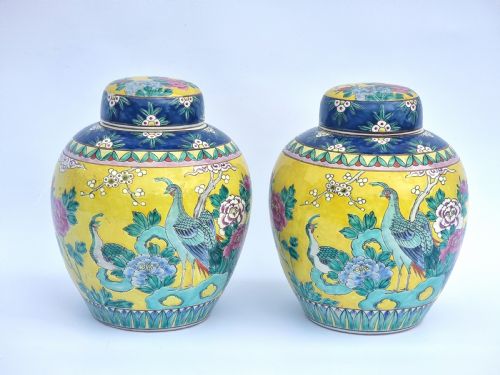
- A high-shouldered ceramic storage vessel with a cover, originally made for spices and tea. Many examples on the market now function as decorative ornaments or lamp bases.
- Chinoiserie
- European artistic styles reflecting Chinese decorative motifs and techniques. Artisans in the West applied these aesthetics to furniture, ceramics, and textiles.
- Underglaze Blue
- Cobalt pigment painted directly onto the raw porcelain body before glazing and firing. This technique protects the vibrant blue decoration beneath a glossy vitrified coating.
Chinese Floral Porcelain Jar: Frequently Asked Questions
How were chinese floral porcelain jars originally used?
These vessels served primarily as storage containers for valuable goods like tea, ginger, and spices before transitioning into pure display objects. Lidded jars kept dry contents secure while adding colour and pattern to domestic interiors.
Over time, many of these ceramic containers found new life as decorative focal points or were adapted into table lamps. Their robust porcelain bodies made them ideal candidates for conversion while retaining their historical painted exterior.
Can I date a chinese floral porcelain jar by its mark?
Imperial and commemorative seal marks, such as those referencing the Qianlong period, appear frequently on these porcelains. However, potters in later periods often reproduced earlier reign marks as a sign of respect rather than deception.
Assessing a piece requires looking beyond the mark to evaluate the porcelain body, the characteristics of the enamel glaze, and the overall hand-painting style. Comparing these elements against known period examples helps clarify the actual date of manufacture.
How do I care for antique porcelain lamps?
Dust the porcelain gently with a dry, soft cloth to prevent any accumulation of dirt on the enamel glazes. Avoid using harsh chemical cleaners or abrasive materials that might damage the hand-painted surfaces.
For pieces converted into lamps, ensure a qualified professional checks the electrical wiring regularly. Keep the fixtures away from direct sunlight to preserve the vibrancy of the original colours.
What is the difference between famille rose and famille verte?
Famille rose relies on an opaque pink enamel introduced during the Qing dynasty, allowing for soft blended tones across floral petals and garments. This palette provides a warmer visual effect compared to earlier styles.
Famille verte centres on a vibrant transparent green enamel, usually combined with iron-red, yellow, and underglaze blue. This earlier palette produces crisper, higher-contrast botanical and narrative compositions.