





Sailing Vessel Painting
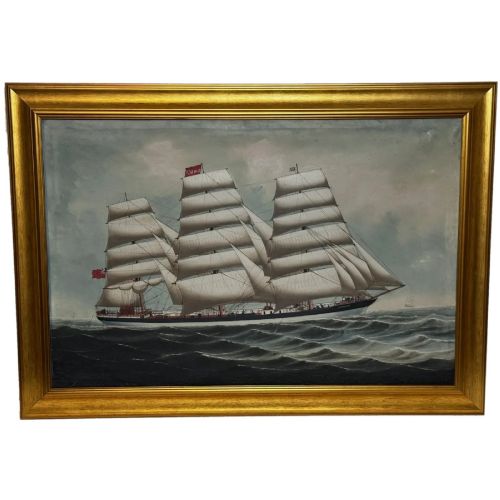
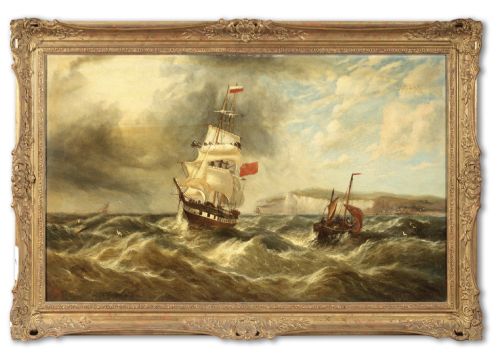
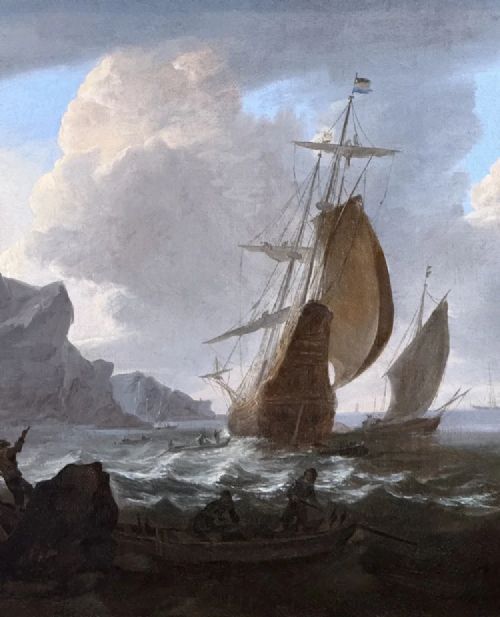
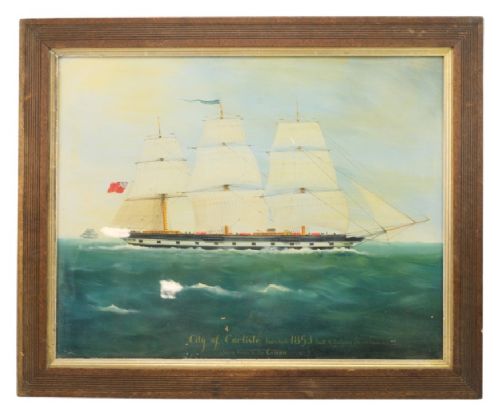
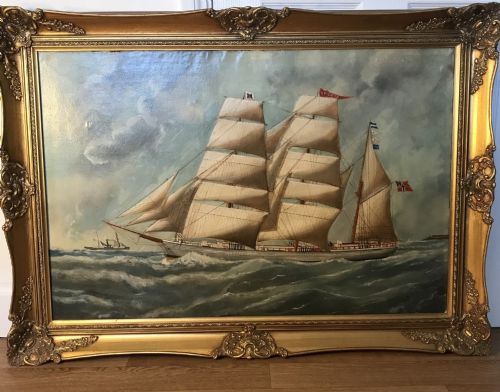
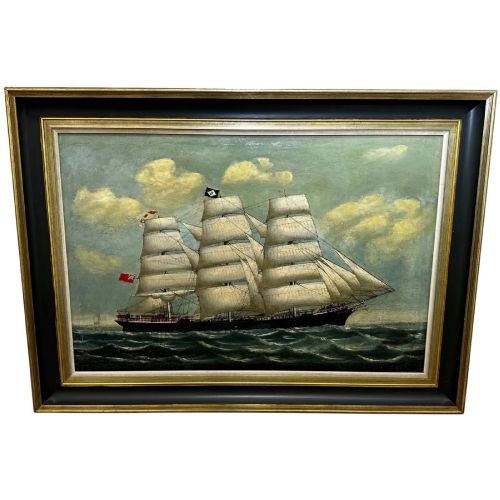
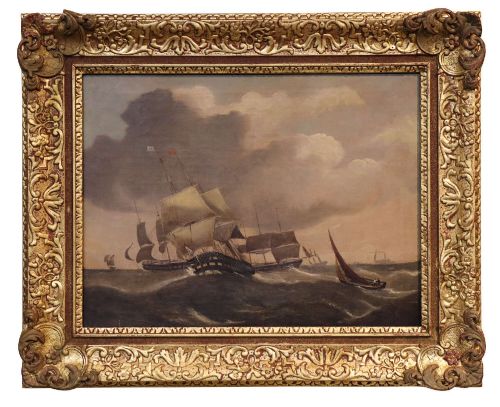
A sailing vessel painting captures the movement of ships and sea, offering a tangible link to maritime history.
Sailing Vessel Painting
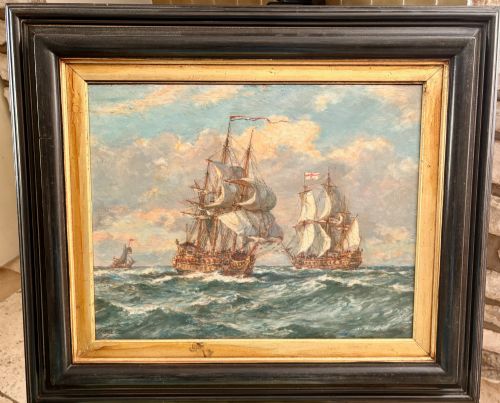
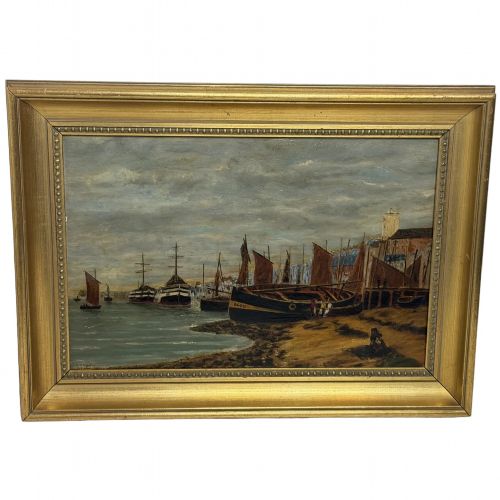
When you search for a sailing vessel painting, you encounter works depicting warships, merchant ships, and coastal scenes across various historical eras.
The selections available here span from nineteenth-century oils on canvas to delicate early twentieth-century watercolours and folk art pieces.
Buyers typically find framed canvases and paper works showing vessels in calm harbours, choppy waters, or dramatic gales.
Materials and Construction
Artists relied primarily on oil paint applied to stretched canvas or panel, alongside watercolour pigments on paper.
Frames commonly incorporate wood and giltwood, while three-dimensional shadow boxes and dioramas utilise mixed media including wood and glass.
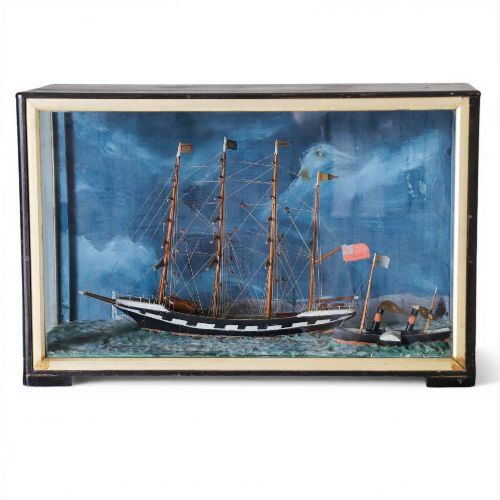
Some maritime folk art pieces feature scratch-built model ships peering out from behind glass cases.
Evaluating Artistic Quality
Quality rests upon the artist's command of maritime rigging accuracy, water movement, and atmospheric light.
Superior execution shows in the convincing weight of the vessel and the realistic texture of rough seas.
Reginald Arthur Borstel·Bernard Gribble·Bonaventura Peeters·Lai Fong·Charles William Adderton·William Frederick Settle·Daniel Sherrin·George Shaw·Dion Pears·Samuel Owen·Marie Edouard Adam·Ebeneezer Colls·Gustave De Breanski·Frank Wood·Joseph Heard·Paul Jean Clays·Fred Mayor·Bernard Page·Robert Dumont Smith
The Sailing Vessel Painting Glossary
- Canvas
- A heavy woven fabric used as a surface for oil painting. It provides the texture and durability seen in traditional marine works.
- Watercolour
- A paint method using water-soluble pigments on paper. This medium creates transparent washes ideal for skies and coastal light.
- Giltwood
- Wood carved and covered with a thin layer of gold leaf. Frames made this way often accompany fine nineteenth-century paintings.
- Diorama
- A three-dimensional display case showing model ships within a painted sea background. These pieces combine painting with carpentry and folk art.
- Seascape
- A work of art depicting the sea. These scenes range from calm coastal harbours to violent storms involving sailing ships.
Sailing Vessel Painting: Frequently Asked Questions
What subjects appear in these paintings?
The artworks depict named ships, warships, clippers, and smaller vessels navigating coastal waters, busy harbours, or open seas.
Scenes range from peaceful anchorages to dramatic encounters with rough weather and sea battles.
How do I date a maritime painting?
Dating relies on the ship types depicted, rigging styles, clothing of figures, and framing materials.
Signatures, artist records, and canvas types also help place works within specific nineteenth and twentieth-century periods.
Where should I hang a marine painting?
These works suit traditional studies, living rooms, and hallways where adequate wall space allows proper framing display.
Keep pieces away from direct sunlight and excessive moisture to protect the canvas, paper, and gilt frames.
What is a maritime diorama?
A diorama combines a painted background with a model ship set inside a cased wooden shadow box.
This format creates a three-dimensional illusion of vessels moving through carved and painted waves.