



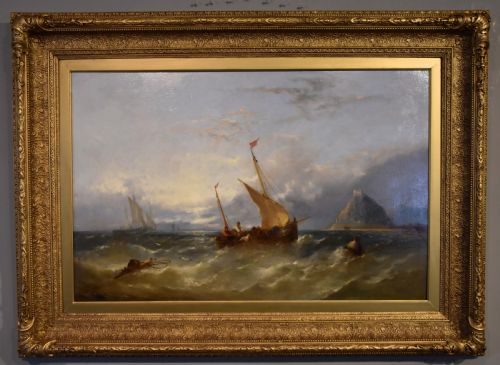
Nautical Ocean Artwork
When you seek nautical ocean artwork, you enter a visual record of historic maritime commerce and coastal weather.
Nautical Ocean Artwork
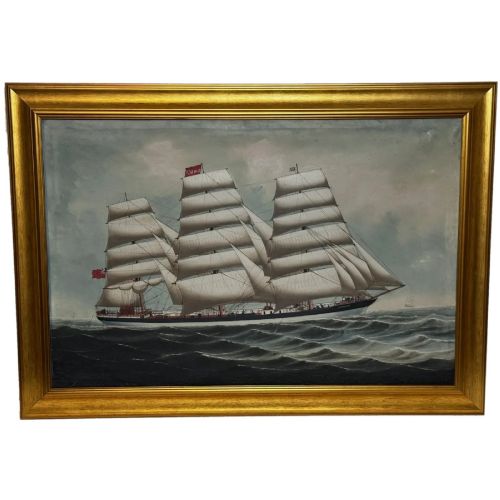
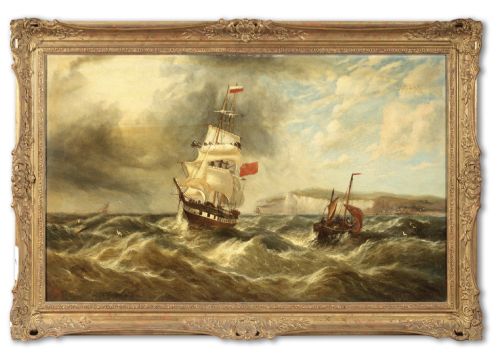
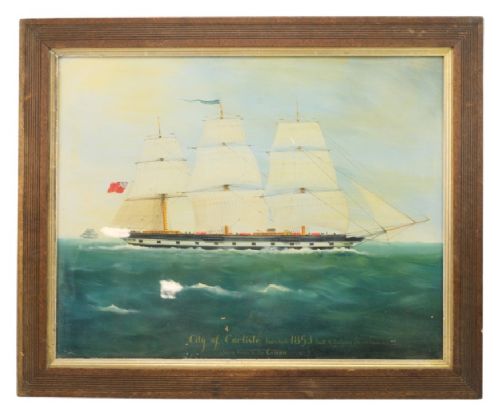
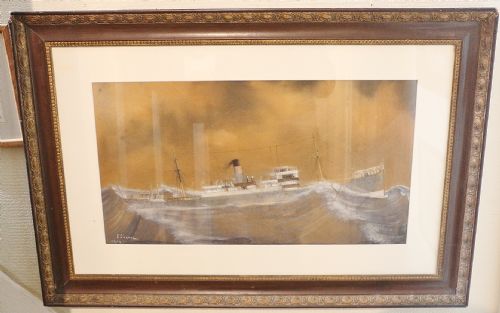
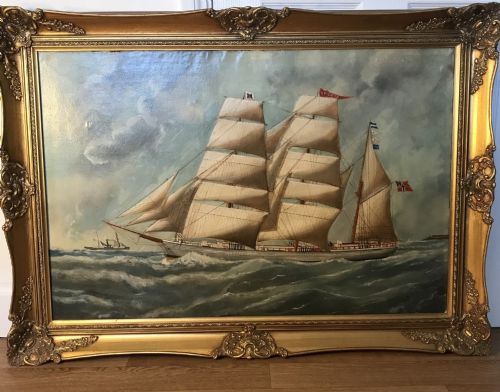
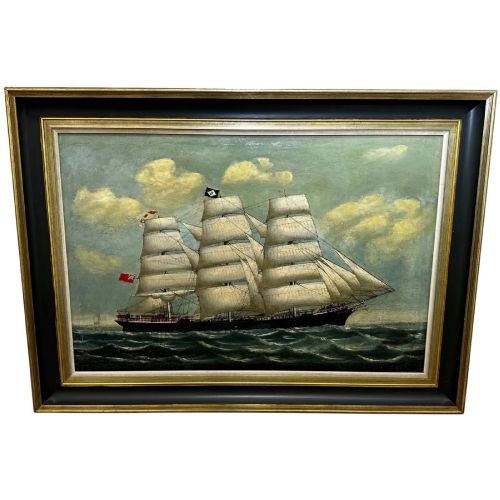
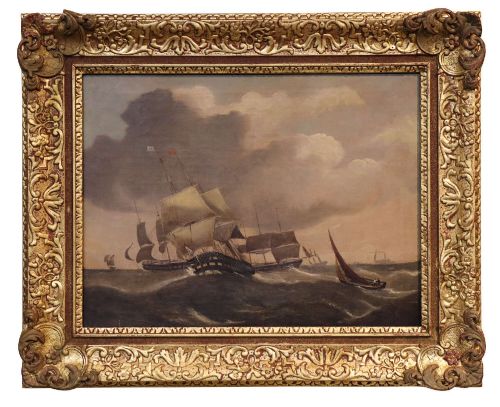
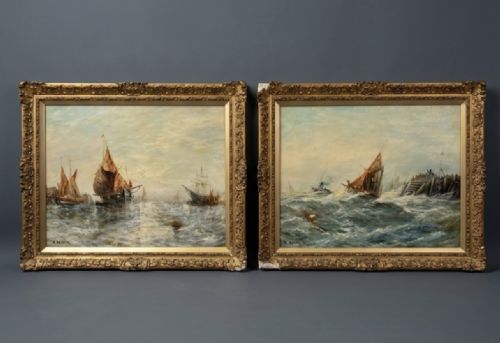
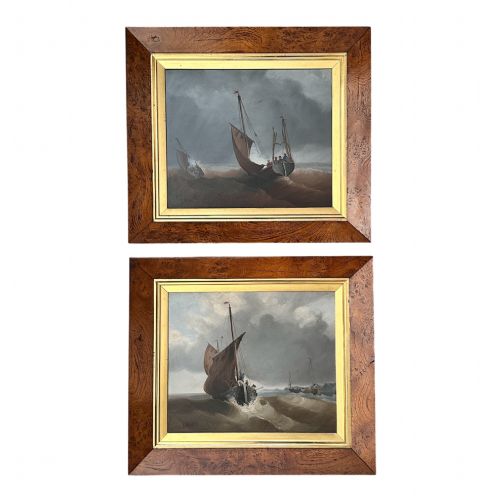
Nautical ocean artwork covers painted depictions of the sea, from merchant vessels and steamships to coastal shorelines and rough gales. The offerings lean heavily toward Victorian marine art, nineteenth-century oil paintings, and watercolours.
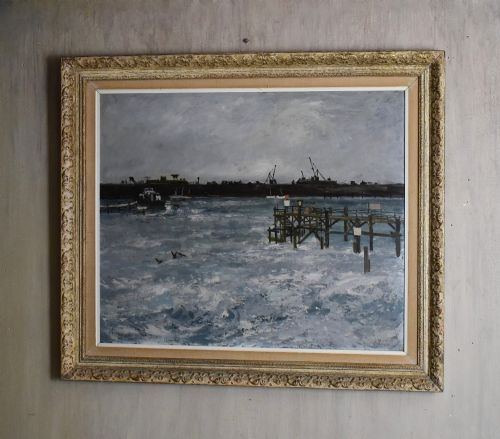
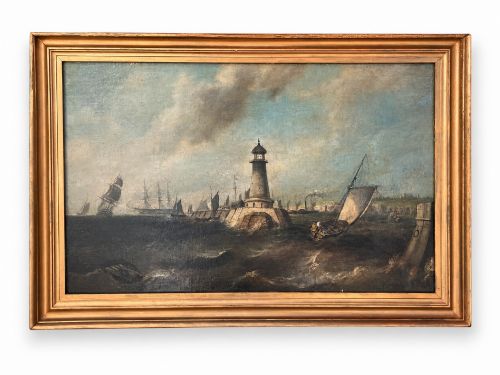
Buyers encounter oil on canvas, gouache on board, and watercolour paintings originating across the nineteenth and twentieth centuries. These pieces record specific vessels, lighthouses, and harbour scenes executed by named artists and regional schools.
Materials and methods of maritime painting
Artists deployed oil paints on canvas or board to build rich textures of rolling waves, dark skies, and wooden ship hulls. Others favoured paper and watercolour or gouache to capture transparent washes of sea spray and coastal light.
Frames frequently utilise gilt wood to complement the painted scenes. Historical works rely on traditional ground preparations and layered pigments applied by hand.
Ships brave storms across these canvases while safely hanging on dry living room walls.
Distinctions in quality and execution
Quality rests upon the artist's command of maritime rigging, hull perspective, and the dynamic movement of water under changing atmospheric conditions. Stronger examples convey the weight of a heavy sea and the accurate architecture of three-masted schooners or steamers.
The precision of brushwork in difficult weather scenes separates routine decorative pieces from accomplished fine art paintings by recognised practitioners of marine realism.
Reginald Arthur Borstel·Charles Edward Dixon·John E. Aitken·John Rose Miles·Bonaventura Peeters·Peter Brannan·Nicholas Condy·William Henry Williamson·Alexander Harwood·George Stanfield Walters·Henry Barlow Carter·Elisabeth Bardon·Charles Napier Hemy·Gustave De Bréanski·Thomas Bush Hardy·Daniel Sherrin·William Greaves·Abraham Hulk Snr·Stephen J. Renard·Hendrik Willebrord Jansen
The Nautical Ocean Artwork Glossary
- Pierhead painting
- A specific genre of ship portraiture, usually commissioned by captains or owners, depicting a vessel arriving at or departing from a named port.
- Impasto
- Paint applied thickly to a canvas so that it stands out from the surface, frequently utilised to render churning foam or whitecap waves.
- Seascape
- A work of fine art that depicts the sea, coastal views, or marine shipping vessels.
- Gouache
- An opaque watercolour medium containing a white pigment filler, employed to achieve solid blocks of colour and sharp detail in maritime watercolours.
- Maritime realism
- An artistic style dedicated to the accurate, detailed representation of ships, coastal topography, and marine weather.
Nautical Ocean Artwork: Frequently Asked Questions
What subjects appear in nautical ocean artwork?
These works depict sailing ships, steamships, fishing boats, lighthouses, and coastal landscapes. Painters recorded specific vessels in heavy seas, harbour arrivals, and quiet sea views.
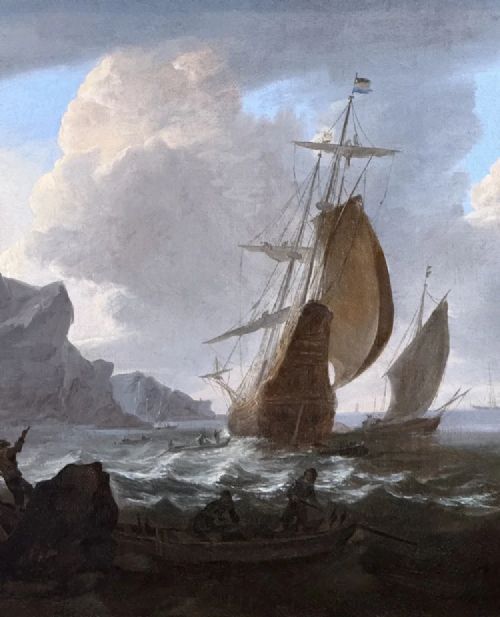
Scenes range from British merchant ships to Dutch boats in gales and eastern coastal anchorages.
How do I identify the period of a marine painting?
Dating relies on the ship types depicted, such as nineteenth-century wooden barques, Edwardian steamers, or interwar vessels. Clothing styles on figures and the framing materials also offer clues.
Signatures, artist dates, and recorded exhibition histories help anchor the creation period.
Where were these maritime paintings created?
The pieces originate primarily from British and European artists working through the nineteenth and twentieth centuries. Coastal hubs such as Scarborough, Lowestoft, and Plymouth inspired many local scenes.
Other works record international harbours, including the Pearl River in Hong Kong and Mediterranean ports.
How should I display maritime artwork at home?
These paintings suit traditional studies, hallways, or living rooms with classic decor. Pairing gilt-framed oil paintings with neutral wall colours allows the rich tones of the sea to stand out.
Keep pieces away from direct sunlight to protect watercolours and oil canvases from fading.