

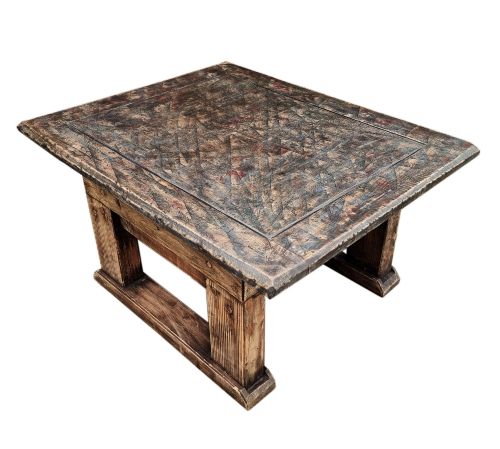
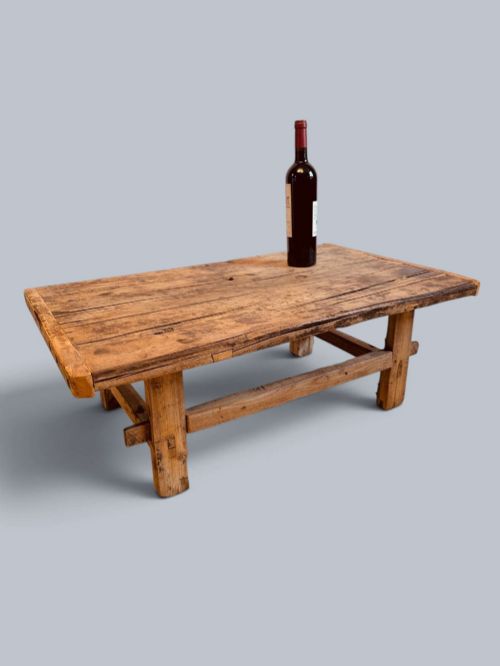
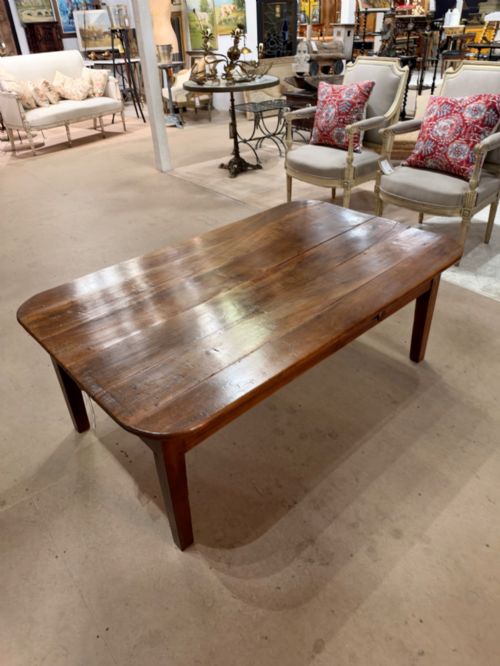
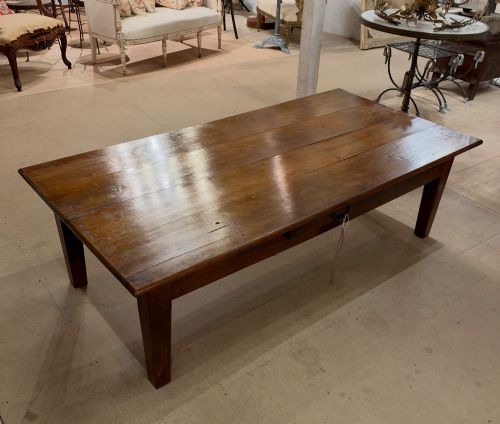
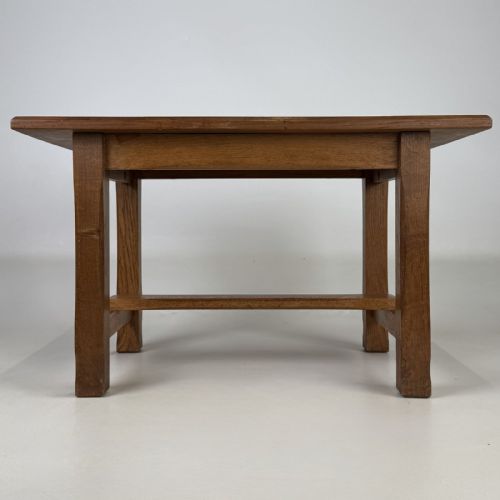
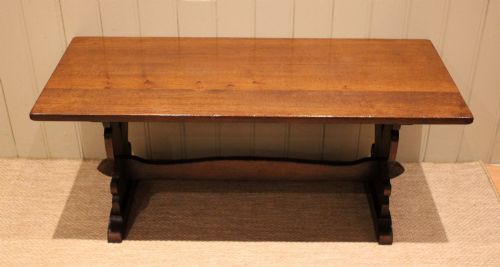
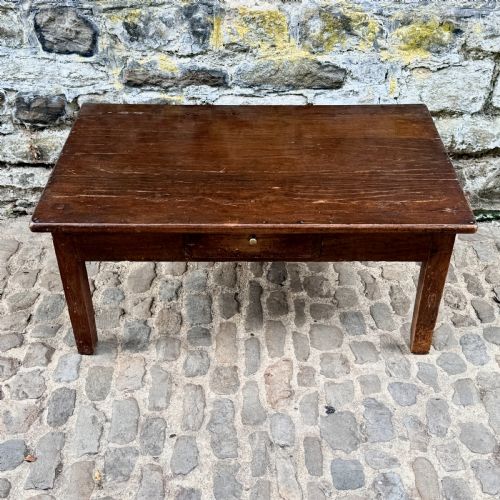
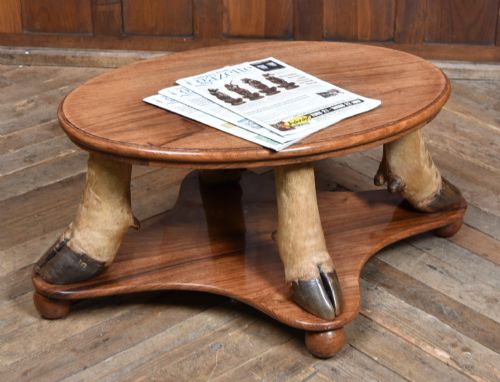
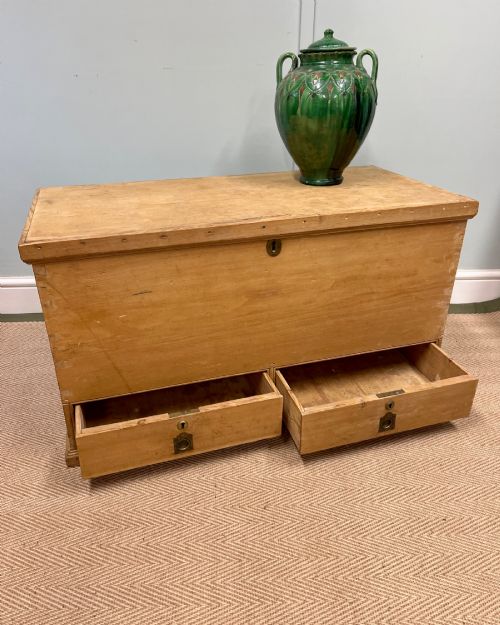
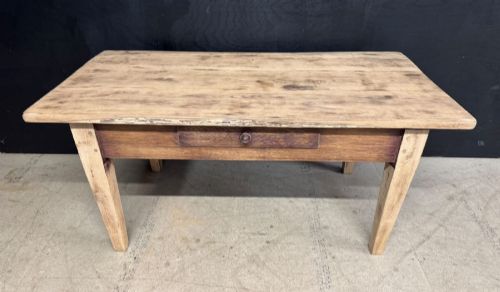
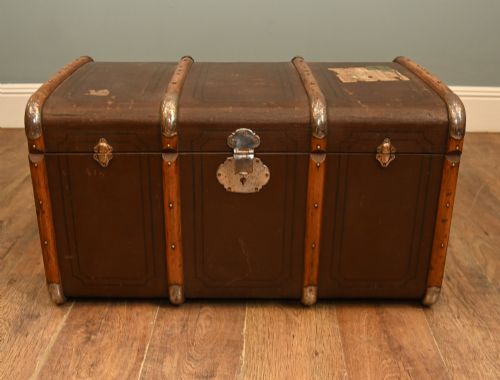
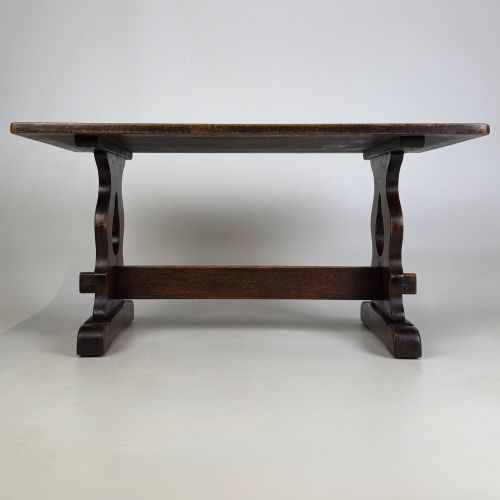
Rustic Wooden Coffee Table
A rustic wooden coffee table brings warmth and enduring utility to a sitting room, anchored by the character of solid timber.
Rustic Wooden Coffee Table
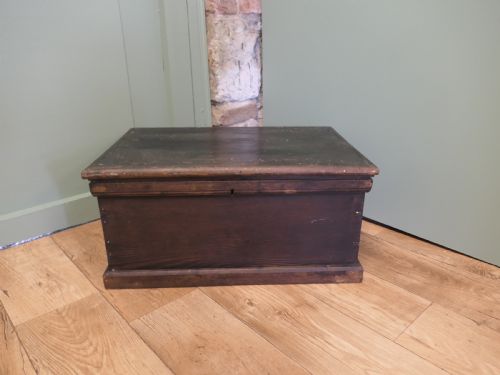
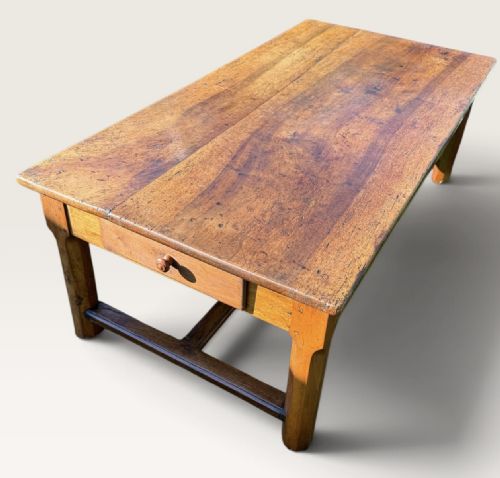
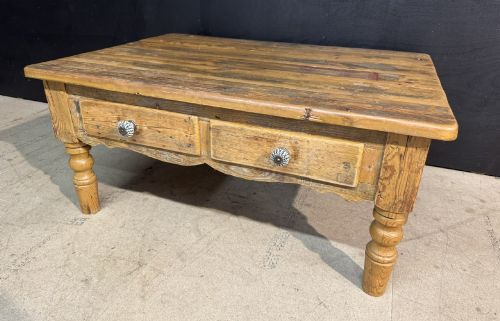
A rustic wooden coffee table serves as a sturdy centrepiece for a living space, often adapted from earlier forms such as benches, work tables, and storage chests. When searching for a rustic wooden coffee table, buyers encounter pieces that display the honest construction and marks of past use that define utilitarian furniture.
The selection ranges widely across periods, drawing from the eighteenth century, the Victorian era, and the early twentieth century. Common forms include low plank tables, converted pig benches, and farmhouse styles originating from English, French, Hungarian, and Austrian workshops.
Timbers such as oak, pine, elm, and walnut dominate the offerings, occasionally joined by iron or brass hardware. Many pieces retain their original proportions and low height, making them well-suited for modern domestic settings.
How they were made
These tables rely on solid timber construction using local hardwoods and softwoods such as oak, pine, elm, and walnut. Planks are joined with traditional methods, sometimes supported by turned legs, trestle bases, or sturdy aprons.
Surface finishes typically consist of waxed, polished, or painted treatments that have developed a rich patina over decades of handling and use. Iron and brass fittings occasionally appear as structural brackets or hinges on pieces adapted from chests and benches.
Rustic Wooden Coffee Table Retail Price Guide 2026
Typical asking prices for rustic wooden coffee table among the pieces listed under this phrase on Sellingantiques today, from the lower quarter to the upper quarter. They describe what is for sale here now, not the wider market.
Listings feature oak, pine, elm, and walnut across the 18th, 19th, and early 20th centuries.
What varies in quality
Quality rests upon the integrity of the timber and the honesty of the conversion from its original utilitarian purpose. Tables formed from thick oak planks or dense elm retain a stronger architectural presence than lighter constructions.
The depth of the patina and the preservation of original surface treatments distinguish finer examples from later alterations. Proportions also matter, as pieces retaining their authentic low height offer better balance in a modern room.
The Rustic Wooden Coffee Table Glossary
- Pig bench
- A low wooden bench traditionally used in rural farmhouses, frequently adapted today as a coffee table due to its narrow proportions and sturdy legs.
- Plank top
- A table top constructed from solid boards joined edge to edge, displaying the natural grain and growth rings of the timber.
- Patina
- The surface sheen and softening of colour developed by wood through years of handling, waxing, and exposure to light.
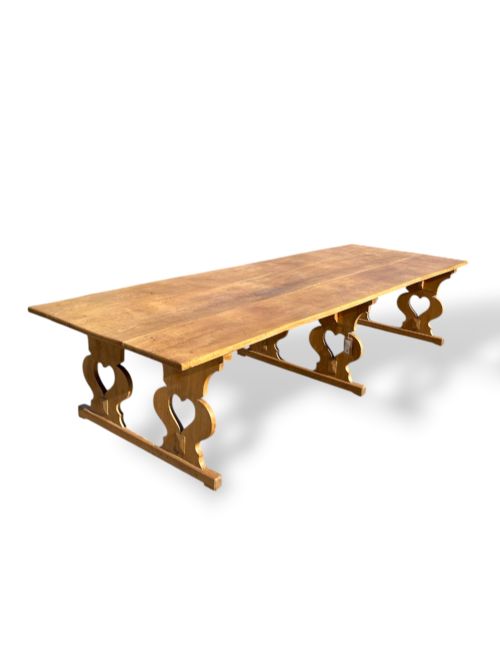
- Trestle base
- A support system consisting of two or more upright frames connected by a horizontal beam, commonly found on larger rectangular tables.
- Blanket box
- A large storage chest with a hinged lid, often utilised for low table surfaces once fitted with appropriate supports or valued for its rustic lid.
Rustic Wooden Coffee Table: Frequently Asked Questions
Are these coffee tables practical for daily use?
Solid timber construction makes these tables resilient for daily living, handling cups and books with ease. Their waxed or polished surfaces simply require a soft cloth for routine maintenance.
Many examples originate from utilitarian items like benches and work tables, meaning they were built to withstand heavy domestic demands from the outset.
How do I identify the period of a wooden table?
Dating relies on observing tool marks, timber selection, and construction methods characteristic of eighteenth, nineteenth, or early twentieth-century joinery. Elm and oak often point to earlier vernacular pieces, while certain pine and painted finishes suggest Edwardian or later workshops.
Examining the underside and joints reveals whether the timber has aged naturally or undergone later adaptation.
Can I mix these tables with modern interiors?
The warm tones of oak, pine, and walnut provide a natural contrast against contemporary upholstery and neutral walls. Their simple lines prevent them from overwhelming a minimalist scheme.
Lower heights allow them to sit comfortably in front of low sofas, adding texture and historical depth to a modern room.
What is a pig bench table?
A pig bench is a narrow, low wooden form originally utilised in agricultural settings, featuring thick plank tops and sturdy legs. Their elongated proportions make them particularly suitable as coffee tables in narrow seating areas.
Examples appear in oak, elm, and hardwood from various European regions, each bearing distinct signs of heavy rural use.