




Primitive Wooden Coffee Table
These primitive wooden coffee table pieces bring rugged textures and honest joinery into a room, offering genuine utility shaped by hand.
Primitive Wooden Coffee Table
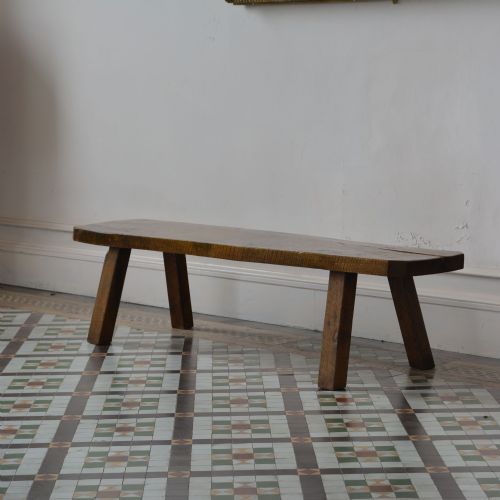
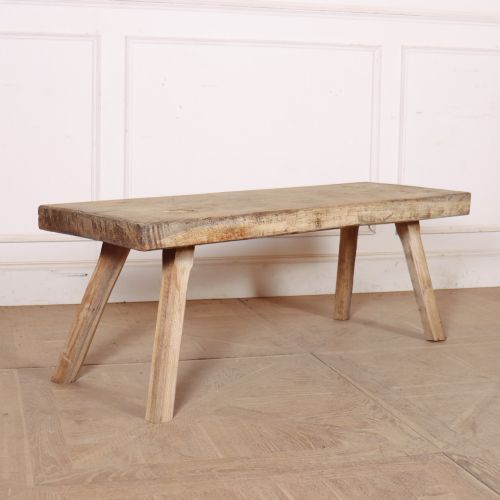
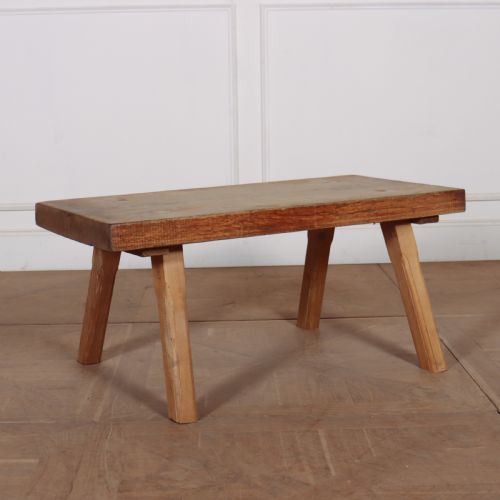
A primitive wooden coffee table brings heavy timber surfaces and low profiles into a modern sitting room, often taking the form of repurposed benches or work tables. The listings on this page span the eighteenth century, nineteenth century, and Victorian period, showing how older utilitarian items find new life as low tables.
The common versions found here include oak pig benches, trestle tables, and pine tables from French, Spanish, and Hungarian origins. These forms rely on straightforward construction rather than refined cabinetmaking, presenting thick tops and sturdy legs built for daily work.
Makers originally produced these objects for tasks like butchery, cobbling, and farm labour rather than domestic display. Today, buyers select them to anchor a room with weathered patinas and low horizontal lines.
How they were made
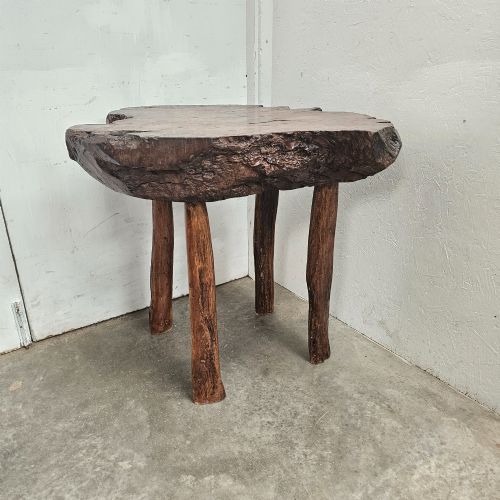
Makers relied on solid timber construction using oak, pine, softwood, burr thuya wood, and sycamore, often combining oak and sycamore or incorporating wrought iron bracing. These materials provided the dense weight and structural strength needed for heavy manual work in agricultural and workshop settings.
Carpenters shaped these tables with hand tools, leaving adze marks, pegged joints, and simple trestle or four-leg designs that prioritised stability over decoration. Surfaces show the natural grain and wear accumulated through generations of use rather than applied veneers or complex polish.
Listings feature items from the 18th century, 19th century, and Victorian period, constructed from oak, pine, burr thuya wood, and sycamore.
What varies in quality
Quality rests in the integrity of the timber and the depth of the natural patina accumulated across centuries of service. Pieces retain their original proportions and structural mass, showing honest wear without losing their core stability.
The distinct character of rarer timbers like burr thuya wood or unusual forms such as pig benches and cobblers benches elevate certain examples above standard softwood tables. The relationship between the original functional purpose and its adaptation into a coffee table defines the visual interest of each piece.
The Primitive Wooden Coffee Table Glossary
- Pig bench
- A low, narrow wooden bench traditionally used for butchery work. These long surfaces now function well as low coffee tables.
- Cobbler bench
- A low workbench fitted with compartments and tool trays used by shoemakers. They offer exceptional surface character when used in a living room.
- Trestle table
- A table consisting of two or more support frames connected by a horizontal beam. This design provides sturdy legroom beneath the timber top.
- Burr wood
- Wood taken from a tree growth where the grain has deformed into swirling patterns. It creates highly decorative and textured tabletops.
- Patina
- The surface sheen and colour developed through age, handling, and use. A rich patina indicates decades of honest wear.
Primitive Wooden Coffee Table: Frequently Asked Questions
What is a primitive wooden coffee table?
A primitive wooden coffee table is usually a repurposed antique utility piece, such as a workbench or pig bench, brought down to coffee table height. These items feature heavy timber construction and unpretentious designs.
They offer a weathered aesthetic that contrasts sharply with mass-produced modern furniture.
How do I clean a primitive wooden coffee table?
Clean these surfaces simply by dusting with a dry cloth and occasionally applying natural beeswax to nourish the dry timber. Avoid harsh modern chemical cleaners that strip away the aged patina.
Gentle care preserves the historical character and texture of the old wood.
Can I use a pig bench as a coffee table?
Yes, long and narrow pig benches work exceptionally well as low coffee tables in front of deep sofas. Their slim proportions fit narrow spaces while providing a sturdy surface.
Their agricultural origins bring a distinct rustic focal point to a room.
What woods were used for these tables?
Makers utilised whatever strong local timber was available, including oak, pine, sycamore, and softwood, alongside decorative burls like thuya wood. Wrought iron often appears in the structural bracing.
Each wood type ages differently, resulting in varied tones and surface textures.
How do I date an antique primitive table?
Dating relies on observing the tool marks, construction methods, timber species, and the style of the joinery. Eighteenth-century pieces often display hand-sawn boards and pegged joints.
Comparing the wear patterns to known period examples helps establish the age of the frame.