


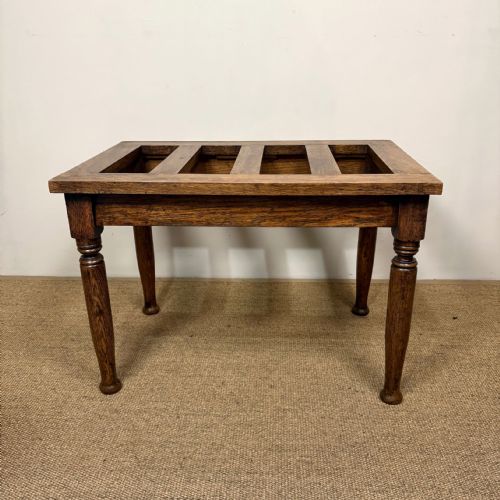
Antique Oak Low Bench
An antique oak low bench brings honest timber and utility into a modern room, offering low surfaces and sturdy seating rooted in centuries of provincial craftsmanship.
Antique Oak Low Bench
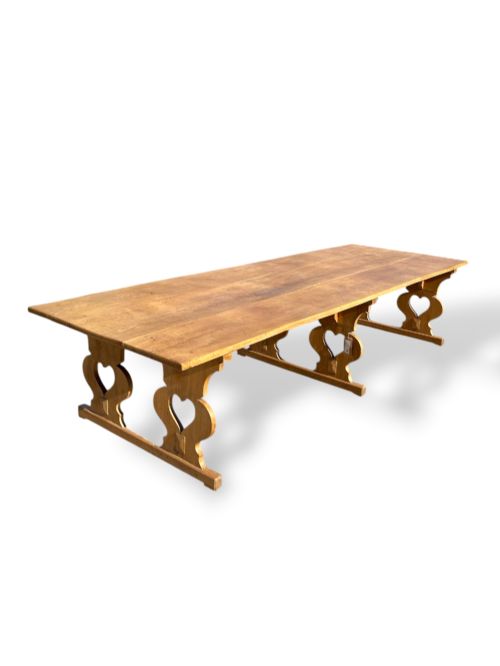
When you search for an antique oak low bench, you encounter a robust mix of utilitarian forms adapted over time into low seating and coffee tables. These pieces span centuries from the eighteenth to the twentieth, drawing on rustic country, Gothic revival, and Edwardian traditions.
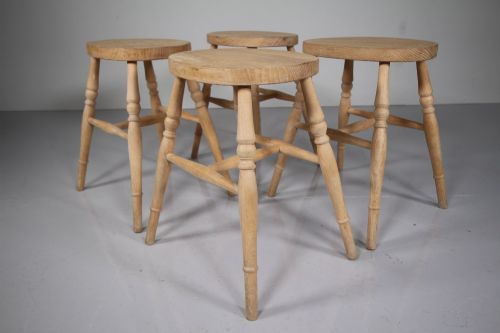
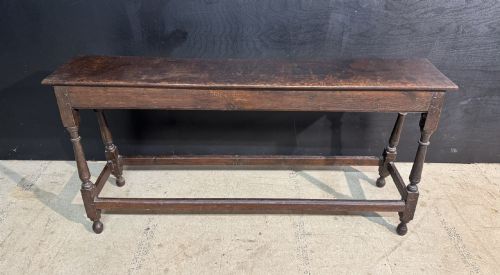
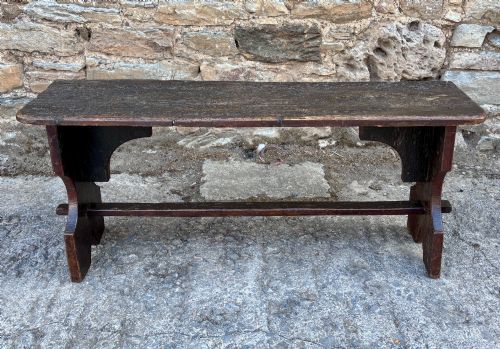
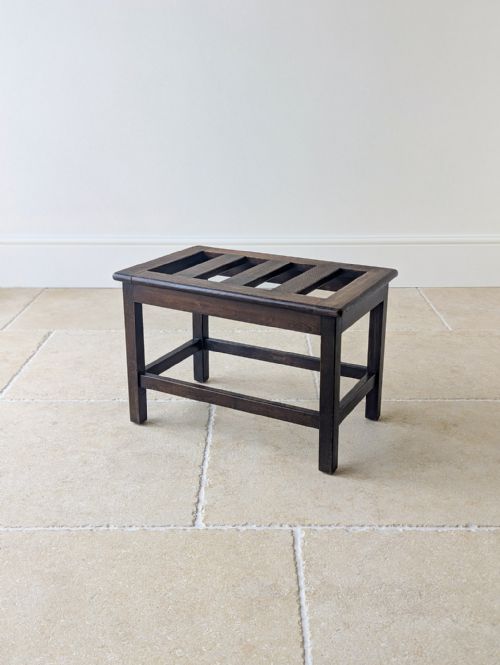
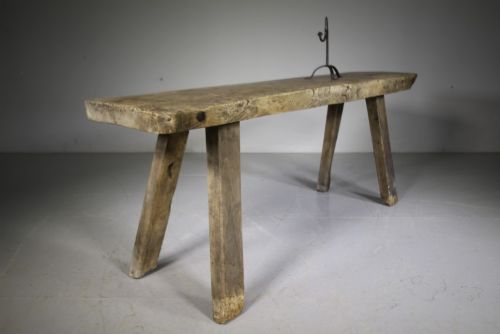
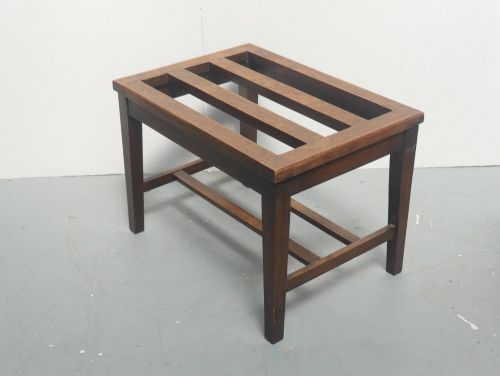
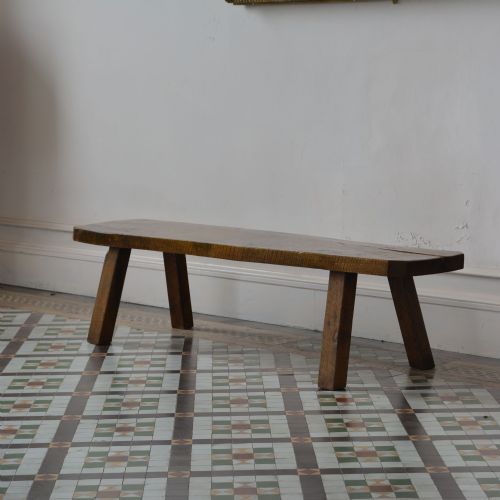
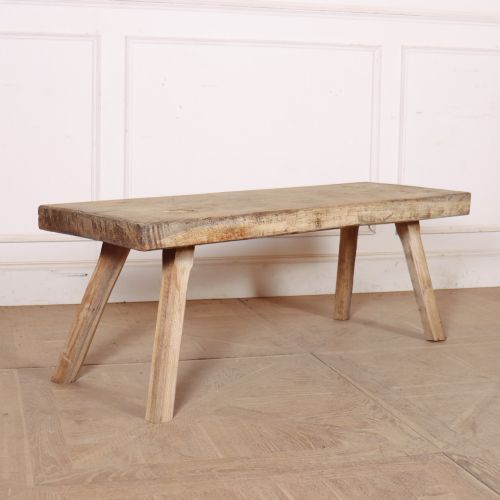
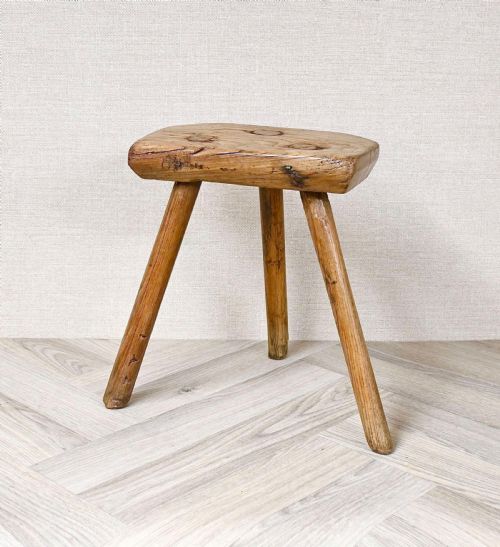
The selection on this page relies heavily on repurposed agricultural and domestic items, including low pig benches, milking stools, joint stools, and luggage stands. Oak forms the primary structural material, often paired with hardwood, elm, or sycamore.
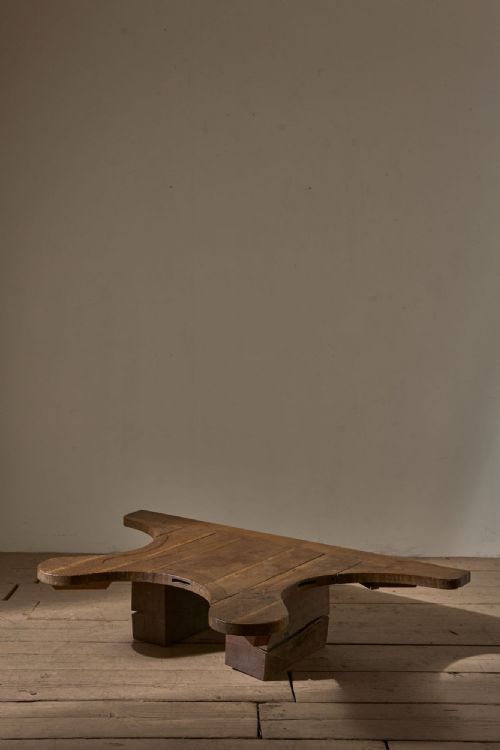
Origins stretch across English workshops and continental sources like Hungary and France, yielding formats from narrow plank tables to carved footstools. Buyers choose these objects for their dense timber grain and straightforward construction.
Distinctions in quality
Quality rests in the integrity of the original timber and the restraint of any later alterations. Pieces retaining their uncompromised surface patination and tight joinery stand apart from heavily restored examples.
Proportion and utility dictate distinction, where functional items converted into low tables maintain balanced dimensions and honest structural connections. The presence of hand carving, such as lions' heads or Gothic tracery, elevates specific decorative stools.
Listings feature oak alongside elm, sycamore, and iron, spanning the eighteenth, nineteenth, and early twentieth centuries.
Gillow's·Bruce Talbert
The Antique Oak Low Bench Glossary
- Joint stool
- An early form of wooden stool constructed with mortise and tenon joints pegged together. These sturdy pieces served as household seating before chairs became common.
- Pig bench
- A narrow, low wooden table traditionally used in rural butchery and food preparation. Today, their elongated proportions make them sought-after low coffee tables.
- Trestle form
- A structural arrangement where a horizontal top board rests on two or more supporting frames or uprights. This design provides maximum stability for heavy timber tables.
- Luggage stand
- A low folding or rigid rack designed to hold luggage in guest rooms. In modern interiors, they function well as compact benches or occasional surfaces.
- Apprentice piece
- A small-scale model demonstration item created by a trainee craftsman to prove competency to a guild. They display the exact techniques found on full-sized furniture.
Antique Oak Low Bench: Frequently Asked Questions
How do I use a low bench at home?
These low benches and stools function well as coffee tables in living rooms, hallway seating, or luggage racks in guest bedrooms. Their sturdy timber construction handles daily placement of books and decorative items.
Selecting a piece matching your room length ensures the proportions anchor the surrounding furniture without crowding the floor space.
How do I date an oak bench?
Dating relies on construction methods, tool marks, and stylistic indicators such as Gothic revival carving or Edwardian turning. Pegged joints and hand-sawn timber boards typically point to earlier periods.
Comparing the wear patterns and timber shrinkage helps confirm whether a piece belongs to the eighteenth, nineteenth, or early twentieth century.
Are these benches comfortable for sitting?
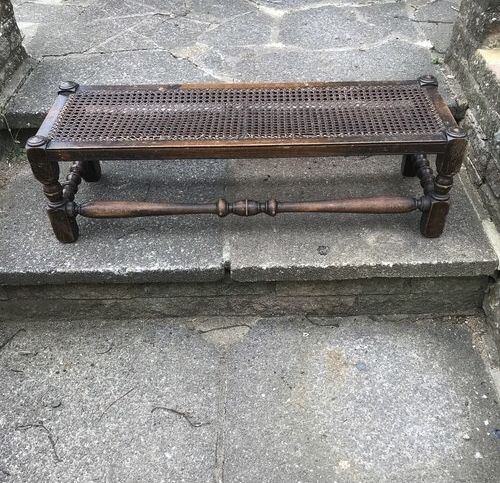
Many of these pieces were built as milking stools, joint stools, or luggage stands rather than lounge seating. Some examples feature upholstered tops, cane work, or padded cushions for added comfort.
Unupholstered wooden tops offer firm perches and work best for short seating or as display surfaces.