


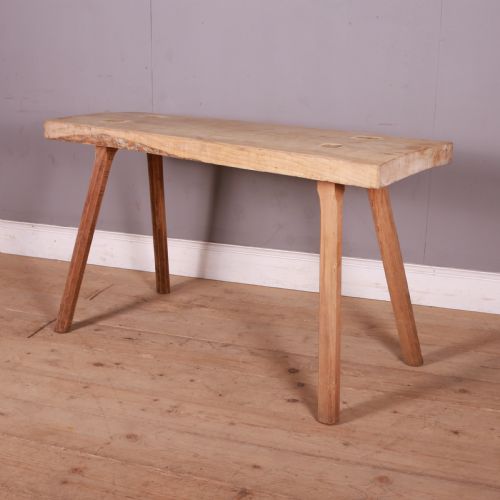

Natural Timber Bench
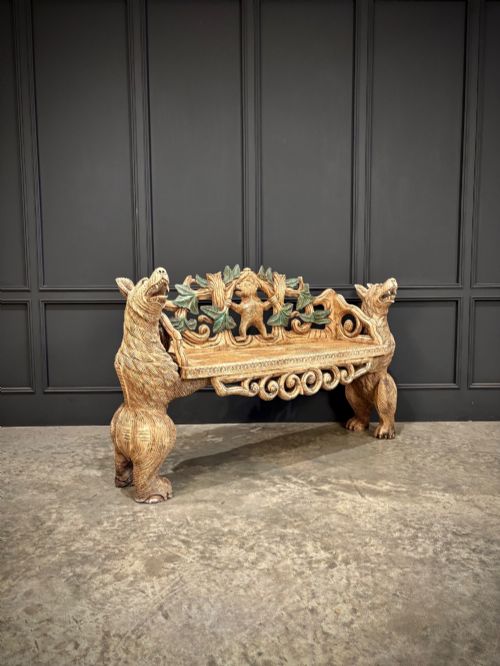
A natural timber bench brings raw, honest grain and unpretentious form directly into a room.
Natural Timber Bench
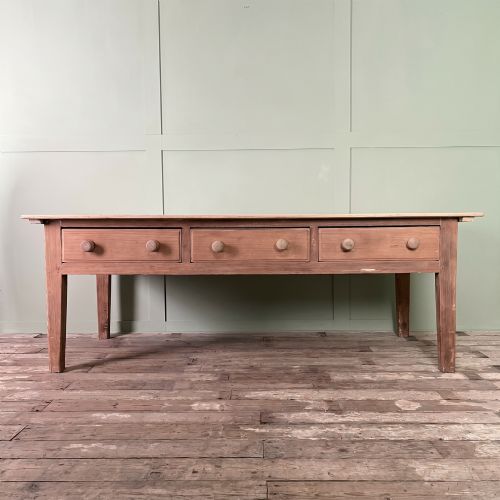
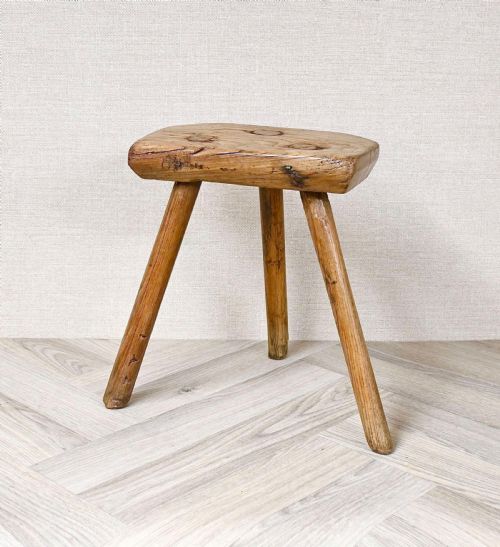
A natural timber bench encompasses sturdy seating designed with functional origins, ranging from dining benches to long oak forms. These pieces often emerge from country house, provincial, and vernacular traditions where utility dictated the shape.
The versions most commonly met on this page include long dining benches in oak and pine, alongside occasional work-related seating. Their surfaces show the marks of genuine daily use, carrying patinas built over generations.
How they were made
Craftsmen built these items using solid regional woods such as pine, oak, sycamore, and elm. Planks were joined with simple, robust carpentry designed to withstand heavy daily labour rather than delicate display.
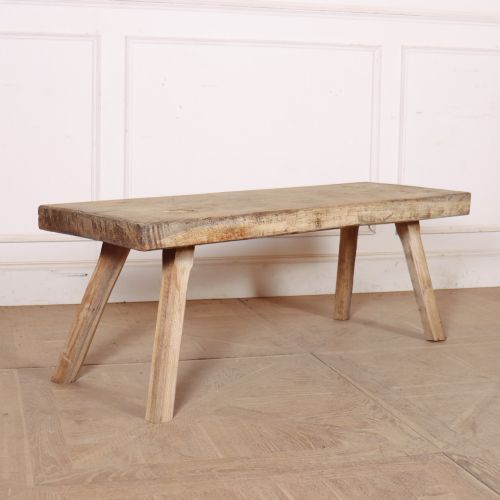
Surfaces often display the scraped or scrubbed finish of dairy and kitchen work tables, where timber was scoured clean with water and sand. Iron fixings occasionally reinforce structural joints where heavy stress occurred.
One extraordinary nineteenth-century piece listed here is an original pine pig scratch.
What varies in quality
The distinction between ordinary and exceptional pieces lies in the integrity of the timber and the depth of the surviving surface patina. Untouched boards that retain their original colour and historic wear stand apart from heavily restored surfaces.
Proportion and structural balance also separate standard examples from finer finds. A well-proportioned bench with honest, uncompromised joinery holds far more character than one altered or cut down later in life.
The Natural Timber Bench Glossary
- Vernacular
- Everyday objects made by local tradesmen rather than high-style cabinetmakers. These pieces rely on regional traditions and available materials.
- Scrubbed
- A surface finish resulting from vigorous cleaning with water and an abrasive over decades. This process leaves the grain raised and pale.
- Trestle
- A structural support consisting of a horizontal beam fixed to two splayed legs. It provides stable footing for long benches and tables.
- Patina
- The surface sheen and colour developed by timber through age, light exposure, and handling. It cannot be artificially duplicated with modern finishes.
Natural Timber Bench: Frequently Asked Questions
How do I clean a natural timber bench?
Wipe the surface gently with a dry or barely damp cloth to remove dust. Avoid harsh chemical cleaners that strip the historic oils and dry out the grain.
Wax can be applied sparingly if the wood appears parched, but many collectors prefer to leave the dry, scrubbed finish entirely untouched.
Are these benches sturdy enough for daily seating?
Most of these pieces were originally built for heavy utilitarian tasks, meaning their underlying construction is inherently robust. Dining benches and vernacular forms handle regular use comfortably.
It remains wise to check the joints and underside framing to ensure centuries of use have not loosened the pegged connections.
How can I tell the period of a timber bench?
Dating relies heavily on tool marks, timber selection, and construction methods such as hand-cut pegs and original fastenings. Earlier pieces often display irregular adze or saw marks across the underside.
Comparing the wear patterns around footrests and seat edges also helps indicate the age and intensity of its past working life.
Where should I place a timber bench at home?
These benches sit naturally along a dining table, in a wide hallway, or as a standalone surface in a living space. Their narrow footprint makes them particularly useful in tighter circulation areas.
Keep them away from direct heat sources and intense radiator drafts to prevent the aged timber from splitting or warping.