

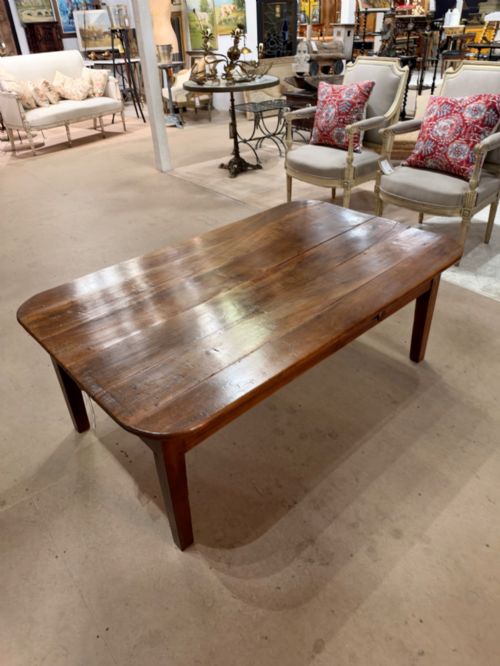
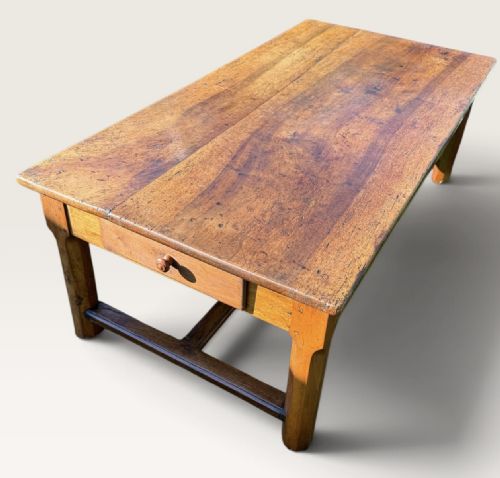
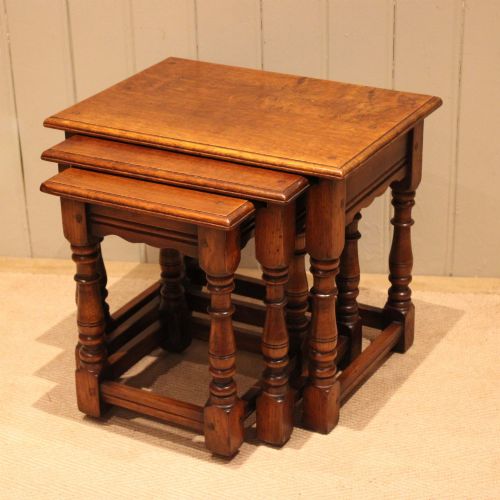
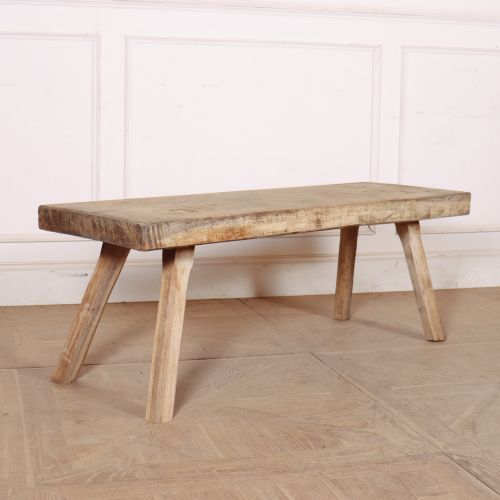
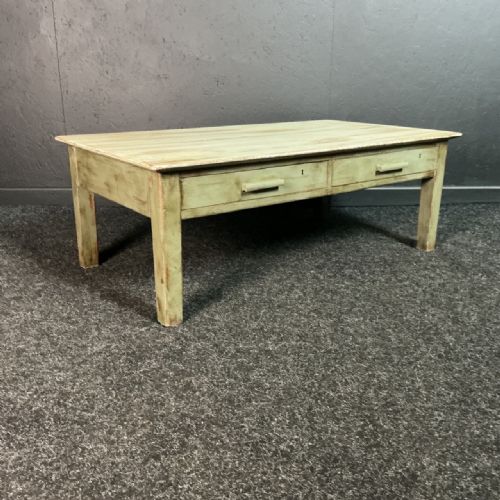


Country Style Coffee Table
These country style coffee table pieces bring practical charm and character to a room, offering sturdy surfaces built from honest timber.
Country Style Coffee Table
A country style coffee table brings traditional warmth to a room through sturdy construction and vernacular charm. Buyers searching this phrase encounter low tables, nests of tables, side tables, and adapted footstools drawn from periods spanning the eighteenth, nineteenth, and early twentieth centuries.
The materials reflect domestic utility, featuring woods such as oak, pine, fruit wood, cherry, and sycamore alongside leather upholstery and painted hardwood finishes. Common regional expressions include English country house, rustic farmhouse, French provincial, and revival designs like Jacobean and Georgian.
Lower formats dominate the selection, often taking the form of low tables, square herringbone upholstered footstools, or large buttoned leather centre stools. These pieces suit relaxed interiors that value tactile surfaces and visible grain over formal cabinet-making.
Materials and Construction
Makers utilised solid timbers including oak, pine, fruit wood, and cherry, frequently shaping them with turned legs, drop leaves, or gate leg mechanisms. Surfaces display natural grain, painted finishes, or inset marble tops supported by wooden frames.
Upholstered variants incorporate leather and woven textiles, often finished with buttoning or herringbone patterns over padded foundations. Brass fittings appear selectively on hardware and trays, adding functional detail to wooden structures.
Country Style Coffee Table Retail Price Guide 2026
Typical asking prices for country style coffee table among the pieces listed under this phrase on Sellingantiques today, from the lower quarter to the upper quarter. They describe what is for sale here now, not the wider market.
Listings feature oak, pine, cherry, and fruit wood alongside leather upholstery, marble tops, and painted hardwood finishes.
Evaluating Quality and Character
Quality rests in the selection of timber and the integrity of the joinery, distinguishing straightforward utilitarian items from more ambitious vernacular pieces. Well-made examples show considered proportions, such as balanced turnings on legs and stable joints that withstand daily domestic use.
The character of the surface finish plays a significant part in the appeal of these tables. Original patination, honest wear on wooden boards, and well-executed upholstery distinguish superior examples from later or heavily altered adaptations.
The Country Style Coffee Table Glossary
- Gate leg table
- A table with hinged drop leaves supported by swinging legs that swing out like a gate.
- Nest of tables
- A set of graduated tables designed to fit neatly beneath one another to save space.
- Turned leg
- A wooden leg shaped on a lathe to create decorative cylindrical or bulbous profiles.
- Drop leaf
- A hinged flap on a table top that can be raised and supported or dropped down when not in use.
- Centre stool
- A large freestanding upholstered seat intended to sit in the middle of a room or serve as a low table.
Country Style Coffee Table: Frequently Asked Questions
What is a country style coffee table?
A country style coffee table is a low surface built from honest timbers like oak, pine, or fruit wood, designed for domestic use.
These pieces draw on vernacular traditions from English, French, and rustic farmhouse aesthetics, prioritising practical charm and tactile materials.
How do I choose the right size?
Consider the proportions of your seating area and the clearance needed around the table for comfortable movement.
Larger rooms accommodate substantial centre stools or square upholstered footstools, while smaller spaces benefit from nests of tables or drop leaf formats.
Are these tables made from solid wood?
Many examples utilise solid native timbers such as oak, pine, cherry, and sycamore throughout their construction.
Some variants incorporate painted hardwood, marble tops, or leather upholstery over sturdy wooden frames to create diverse surface textures.
How do I care for wooden surfaces?
Maintain wooden tables by dusting regularly with a soft cloth and avoiding excessive moisture or direct heat sources.
Applying a suitable wax periodically helps protect the timber and preserves the natural grain and historic patination.