
Rustic Wooden Benches
These rustic wooden benches bring honest character and practical utility to a home, shaped by generations of practical use.
Rustic Wooden Benches
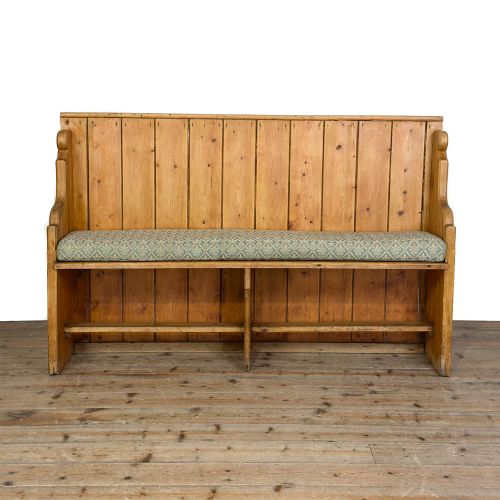
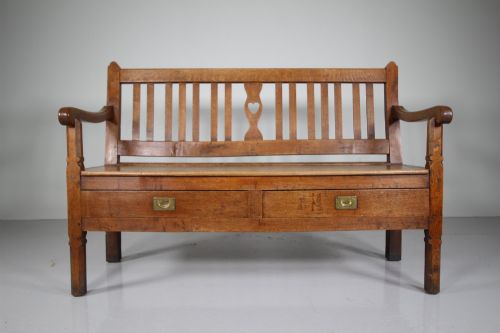
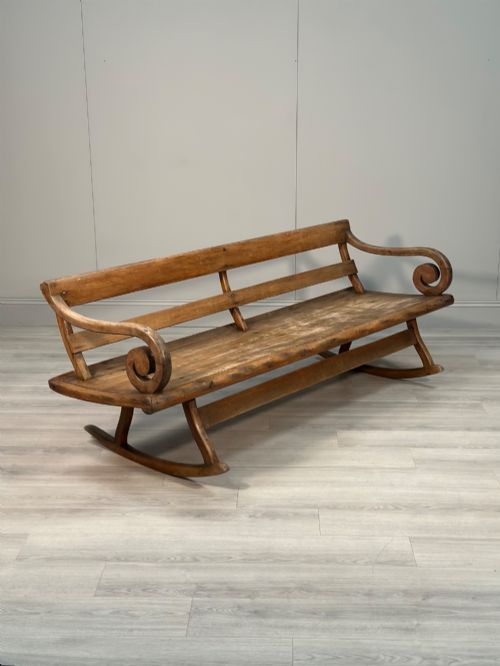
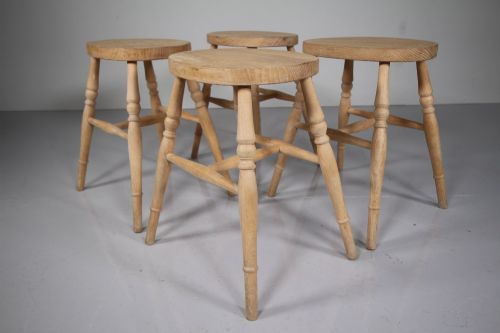
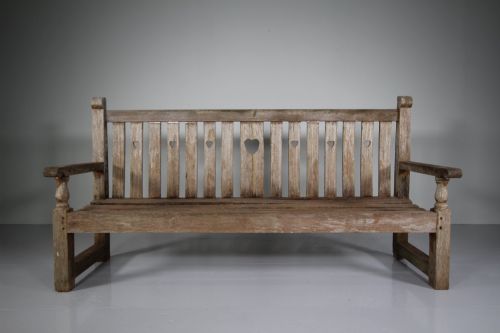
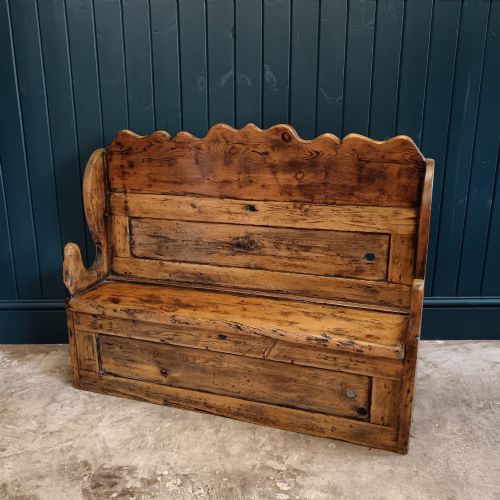
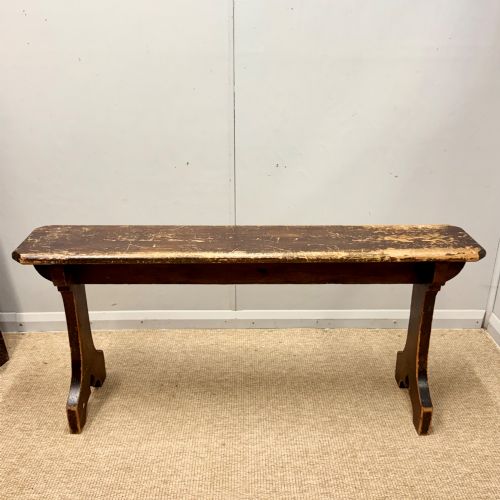
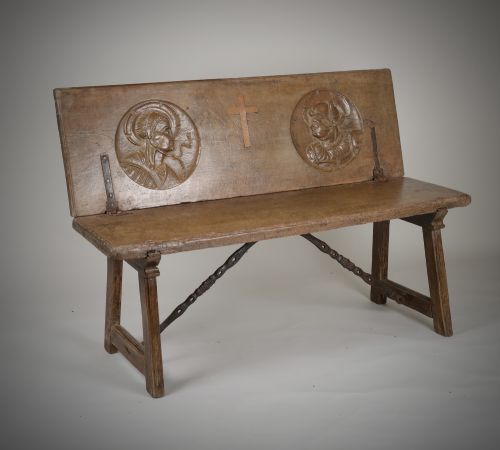
Rustic wooden benches span vernacular forms from simple pine pews and elm milking stools to heavy oak settles and garden seats. These pieces originated in domestic, agricultural, and tavern settings where utility dictated the construction.
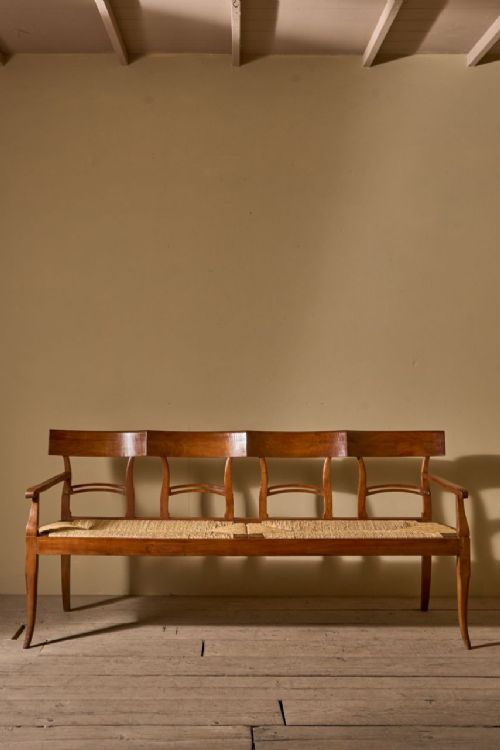
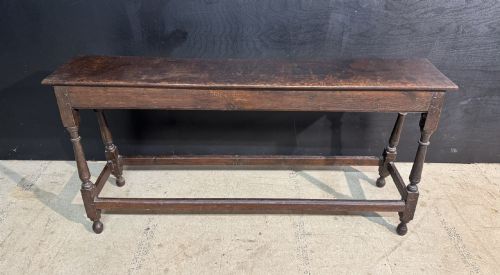
The selections on this page draw from 18th century, 19th century, and Edwardian periods, reflecting regional British, French, Austrian, and Spanish traditions. Buyers encounter everything from slim hallway benches to high-back fireside settles with storage boxes.
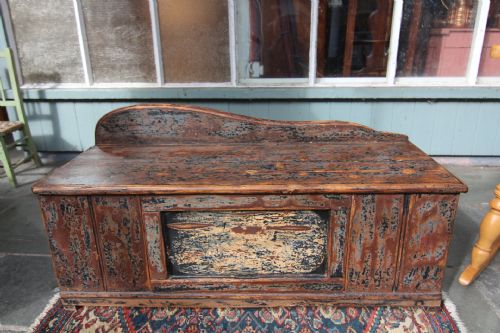
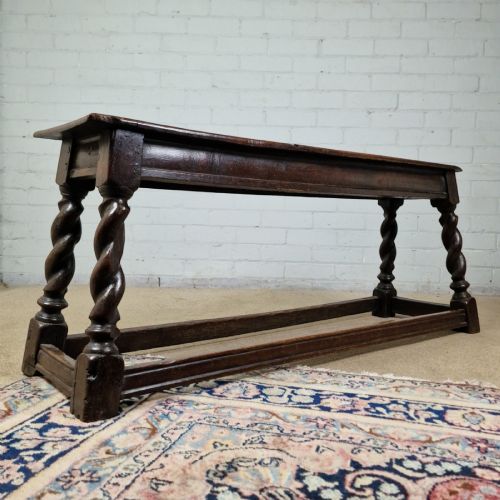
Many examples double as seating and storage or serve secondary lives as coffee tables, such as low oak pig benches. Their patinas record decades of wear, wax, and honest friction.
Materials and construction
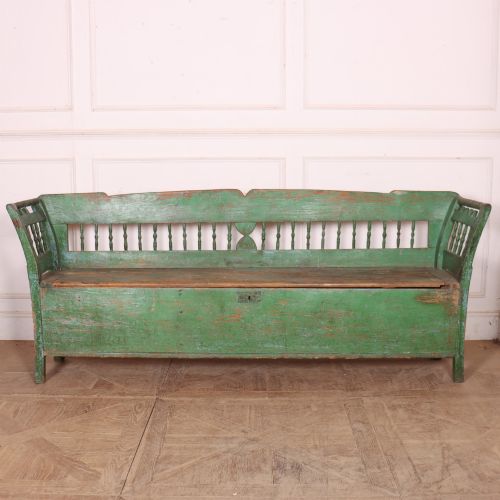
Joiners and country carpenters relied on native hardwoods like oak, elm, ash, and pine, often combining timbers within a single piece. Surfaces frequently retain traces of original paint, such as ochre and green, or develop a deep honey brown patina from age and use.
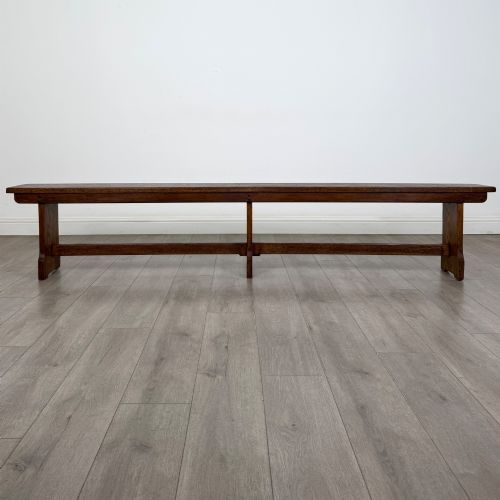
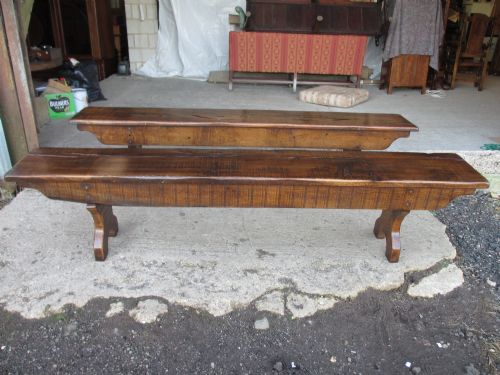
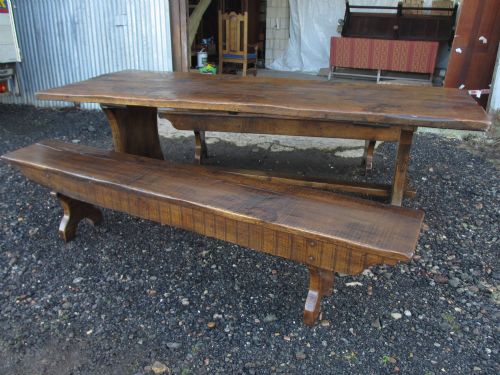
Construction methods prioritize durability through pegged joints, solid panel backs, and shaped trestle ends. Iron brackets or faux bois elements appear on specific garden variations designed to withstand outdoor weathering.
Several Eastern European milking stools preserve splashes of their original ochre and green paint from farmyards of the 19th century.
Judging quality
Quality rests in the integrity of the timber and the honesty of the surface rather than decorative polish. Untouched original paint, deep patination, and minimal structural alteration distinguish the finer survivals.
Proportion and weight dictate utility, with heavy oak forms and well-balanced pine frames offering greater stability. Pieces retaining their original boards, box storage compartments, or vernacular carved details hold stronger traditional character.
The Rustic Wooden Benches Glossary
- Settle
- A wooden bench with a high back, solid arms, and often a box seat for storage. These pieces sheltered occupants from drafts in older homes and taverns.
- Pig bench
- A low, sturdy wooden bench traditionally used in agricultural work. Today these low forms function well as coffee tables.
- Pew
- A long wooden bench with a back, historically found in churches and institutional buildings. Country variations often display simple plank construction.
- Patina
- The surface sheen and colour developed over decades through handling, waxing, and atmospheric exposure. This skin indicates genuine age and use.
- Vernacular
- Everyday furniture built by local craftsmen to satisfy practical local needs rather than following formal metropolitan design styles.
Rustic Wooden Benches: Frequently Asked Questions
How do I style a rustic wooden bench at home?
These benches fit naturally into hallways, at the foot of a bed, or pulled up to a dining table. Their narrow footprints make them useful in transitional spaces where standard chairs take up too much room.
Pairing a high-back settle near a fireplace recreates its original purpose of blocking drafts. Lower forms function reliably as coffee tables in living areas.
Can I use an antique wooden bench outdoors?
Pieces designated as garden benches in teak, iron, or weathered hardwoods tolerate outdoor placement if sheltered from standing water. Indoor pieces featuring pine, painted surfaces, or delicate elm should remain protected from moisture.
Changes in humidity cause unsealed antique timbers to expand and contract, risking splits in dry environments.
How do I care for antique pine and oak furniture?
Maintain the wood by applying a quality beeswax sparingly and buffing with a soft cloth to nourish the dry fibres. Avoid placing these pieces near direct heat sources or in intense sunlight that fades original finishes.
Clean surfaces with a dry or barely damp cloth, avoiding harsh chemical cleaners that strip the historic patina.