
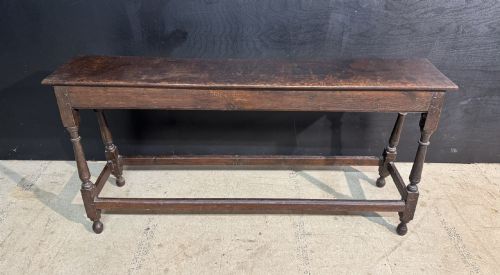
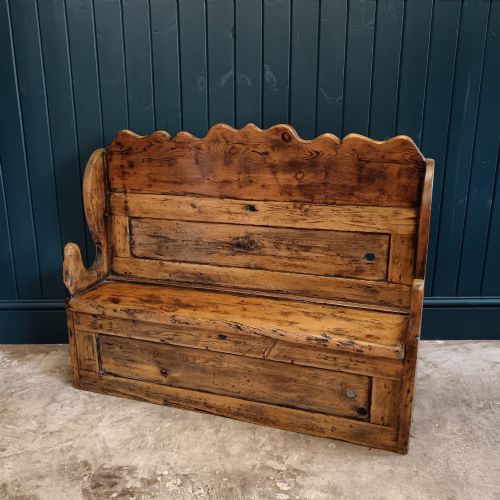
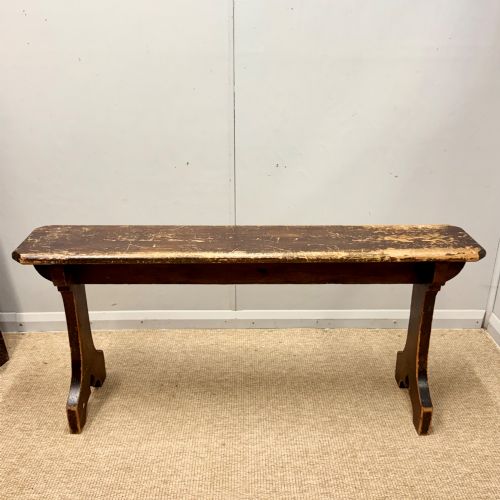
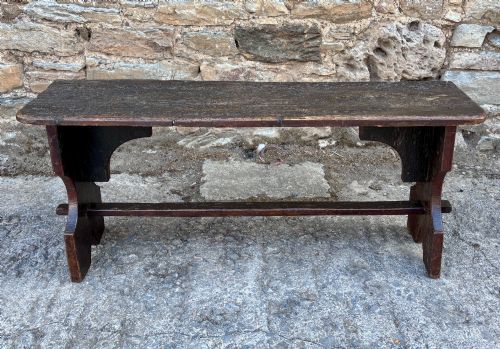
Rustic Country Bench
A rustic country bench brings unpretentious utility and honest timber grain into modern rooms, drawing on centuries of domestic and farmhouse life.
What They Are
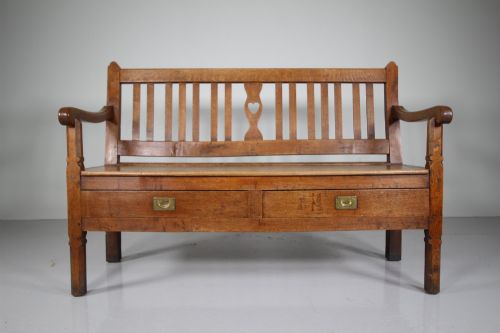
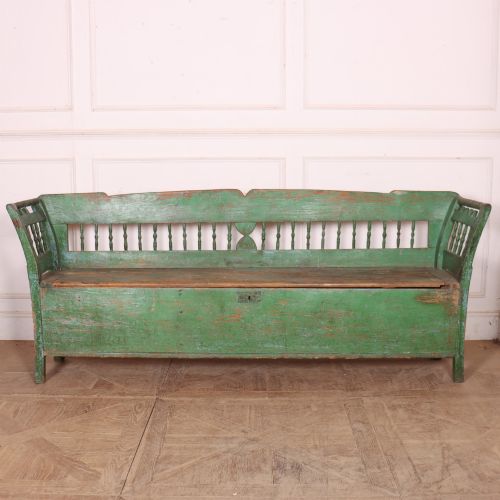
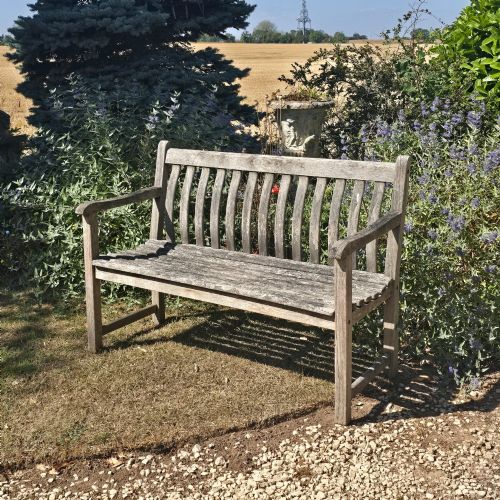
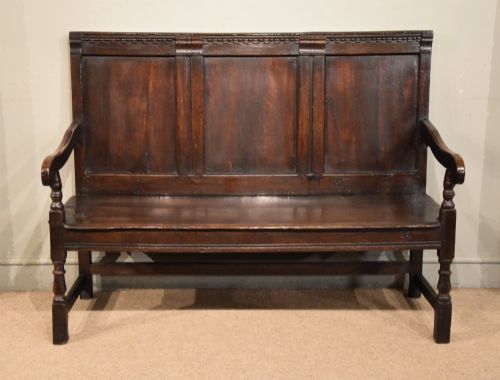
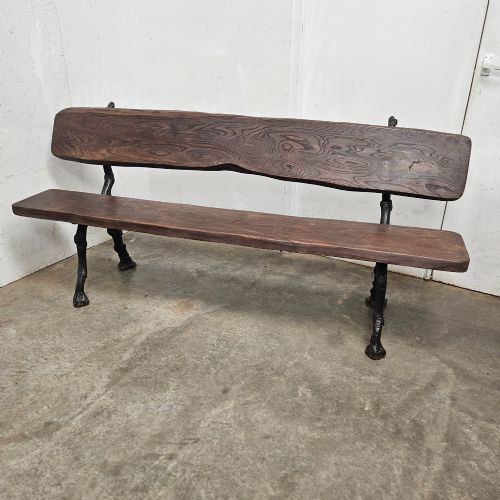
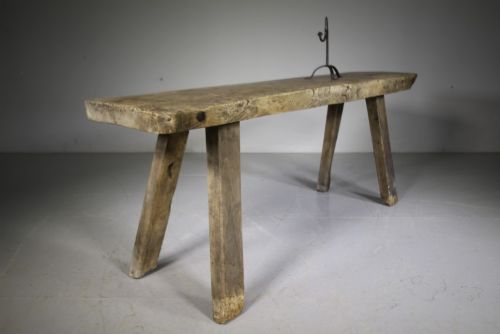
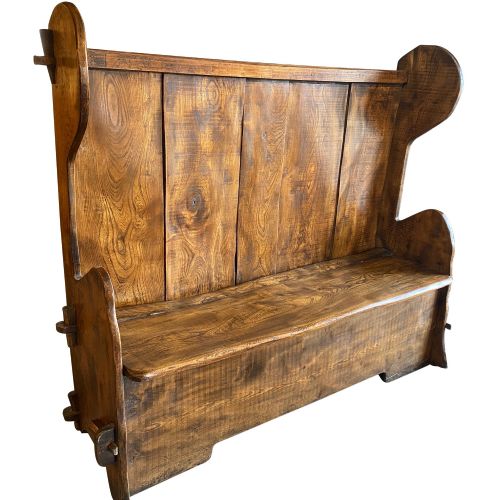
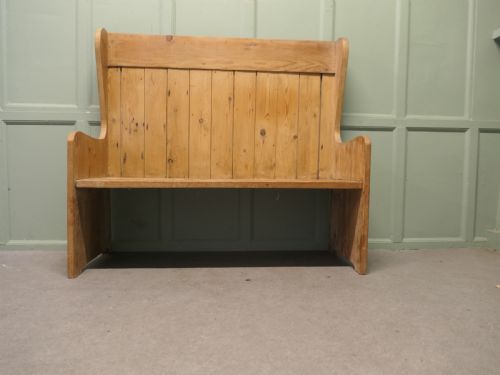
A rustic country bench offers robust seating shaped by practical everyday use in farmhouses, cottages and workshops. When you search for rustic country bench, you encounter forms ranging from long plank seats to enclosed settle designs with integrated storage boxes.
The pieces appearing on this page span the nineteenth century up to nineteen hundred, encompassing nineteenth century, Victorian, eighteen ninety and nineteen hundred periods. Regional styles shift from classic British farmhouse to narrow Hungarian hardwood and Scandinavian pine variants.
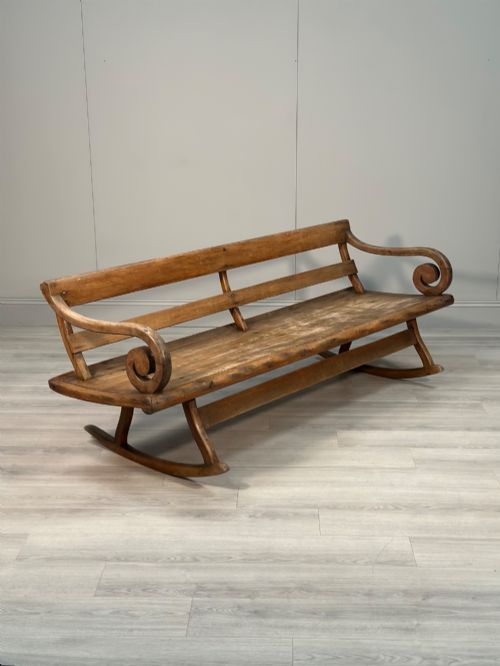
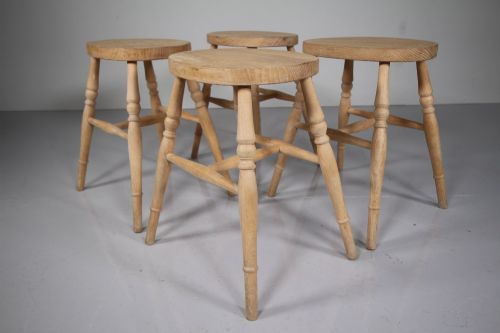
Forms include single long benches, matched pairs, step benches and settles with high backs. Elm, oak, ash, teak and pine predominate, reflecting the utilitarian timbers chosen by makers who built for endurance.
How They Were Made
Constructed from solid native hardwoods and softwoods, these benches rely on thick timber planks for seats and robust framing for legs and backs. Elm, oak, ash, teak and pine are shaped with traditional joinery, utilising pegged joints, dovetailed boxes and wedged tenons.
Makers utilised simple hand tools, leaving adze marks, surface grain variations and tool scoring visible across the timber. Box settles incorporate hinged lids over interior storage compartments, while long forms use sturdy stretcher bases to stabilise the span.
Retail Price Guide 2026
Typical UK retail prices for rustic country bench, calculated from the Sellingantiques database of over a million retail prices indexed since 2003. This retail price guide relies exclusively on Sellingantiques data; no external sources or auction records are used, so the figures do not describe the wider market.
Some nineteenth century box settles secretly double as blanket chests, perfect for hiding away modern clutter inside historical timber.
What Varies in Quality
Quality rests in the integrity of the timber selection and the degree of original surface patination. Benches fashioned from solid elm or quarter-sawn oak with deep, unpolished wear display superior character compared to heavily restored examples.
Proportion and structural honesty separate everyday utility pieces from finer vernacular items. Long forms with balanced stretcher systems and box settles retaining their original hinges demonstrate thoughtful regional craftsmanship.
The Rustic Country Bench Glossary
- Settle
- A wooden bench with a high back, solid arms and frequently a box compartment beneath the seat for storage. This form provided shelter from draughts in traditional farmhouses.
- Form
- An old term for a long, backless bench designed to seat multiple people along a table or wall. These items were essential in communal dining spaces.
- Elm
- A durable, interlocking timber prized for its resistance to splitting, commonly selected for rustic seat boards. Its distinct grain pattern patinates richly over decades of use.
- Patina
- The deep surface sheen and colour developed through years of handling, polishing and wear. It serves as a visual record of an object's age and history.
Frequently Asked Questions
Where were these benches used?
These benches served in farmhouse kitchens, cottage halls, and utilitarian rooms where robust seating was essential for daily work and dining.
They also appeared in communal spaces and workshops, designed to withstand heavy everyday use without delicate ornamentation.
How do I clean a pine bench?
Maintenance requires only a soft, dry cloth to remove dust and preserve the dry timber surface.
Avoid harsh modern cleaning agents or excessive moisture, which can strip the historic finish and dry out the grain.
Are these benches comfortable?
The comfort depends on the solid timber construction and the ergonomic shaping of the seat plank.
Many users add loose textiles or cushions to soften the firm wooden surface during extended sitting.
What woods were commonly used?
Makers utilised accessible regional timbers such as elm, oak, ash, teak and pine depending on local availability.
Hardwoods like oak and elm provided structural strength for seats and legs, while pine and ash served various regional furniture traditions.