
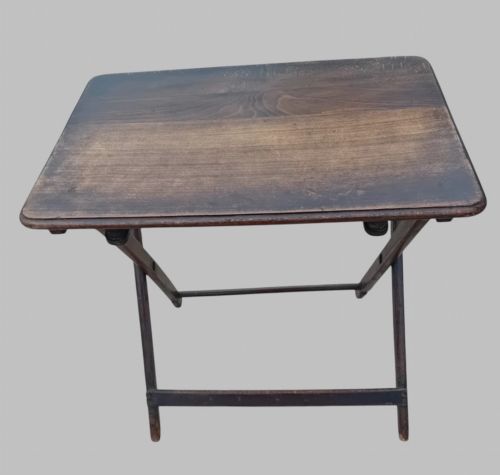
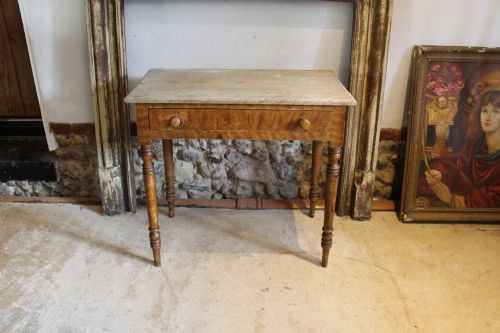
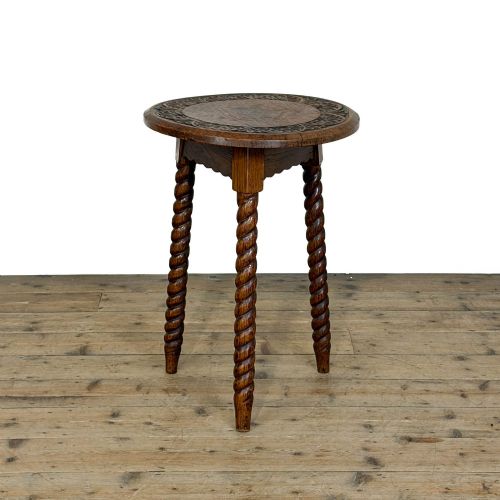
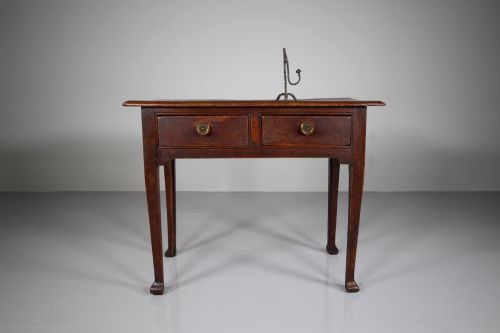
Rustic Wooden Accent Table
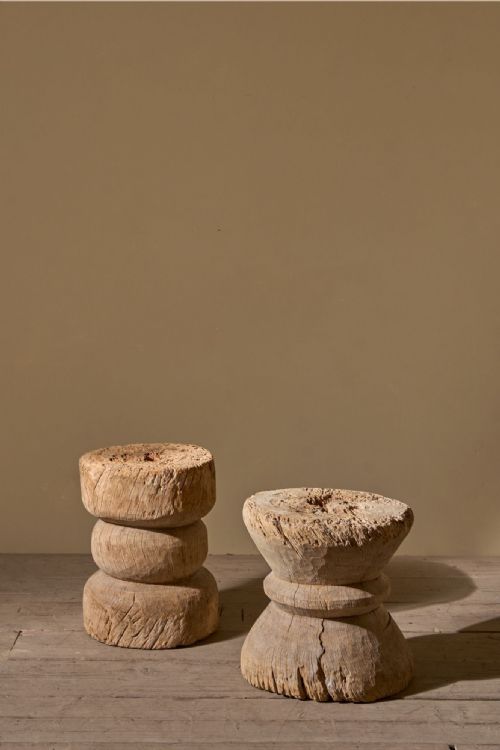
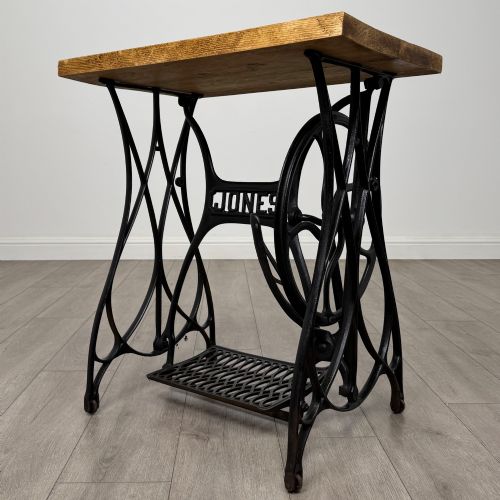
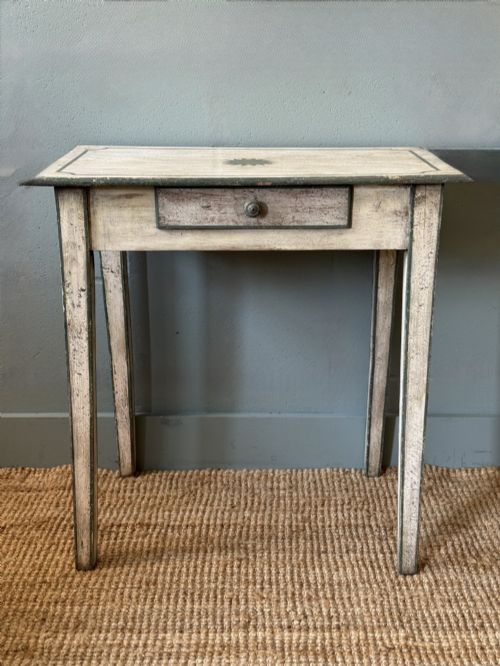
A rustic wooden accent table brings tangible history and honest grain into a room, offering a sturdy surface shaped by utilitarian pasts.
Rustic Wooden Accent Table
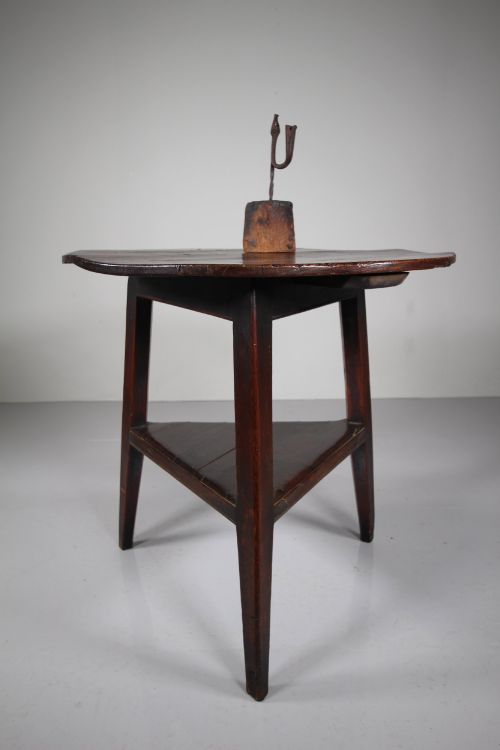
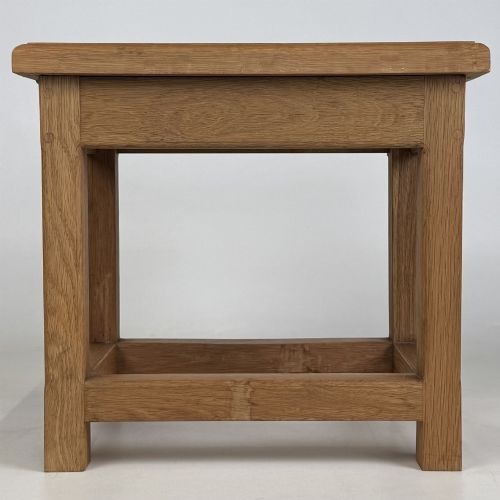
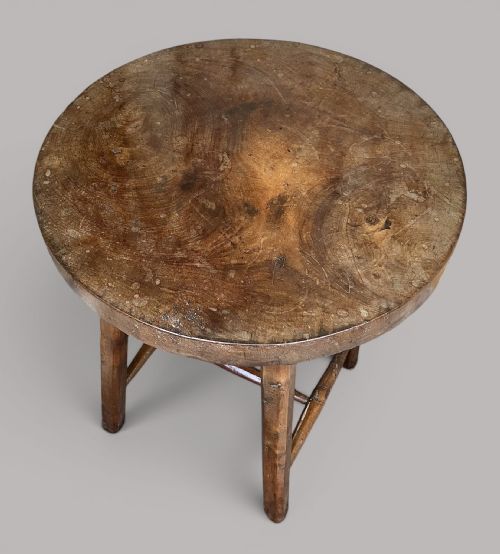
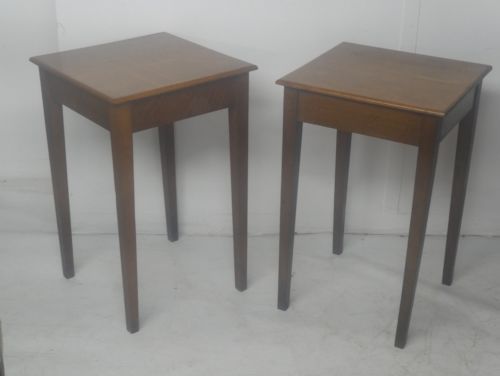
A rustic wooden accent table encompasses functional household forms such as side tables, occasional pieces, and sturdy cricket tables designed for everyday utility. These surfaces emerge from diverse periods spanning the seventeenth century through the early twentieth century, reflecting practical domestic needs across regions.
The most common interpretations on this page appear in solid oak, pine, and fruitwood, often taking the form of three-legged cricket tables or low occasional pieces. Such items bridge the gap between simple vernacular craftsmanship and decorative interior display.
Origins stretch from English country workshops to French provincial kitchens and Swedish farmsteads, showing how local timber dictated domestic furniture styles. Buyers encounter pieces bearing the straightforward marks of carpenters who valued structural integrity over elaborate ornamentation.
Materials and construction methods
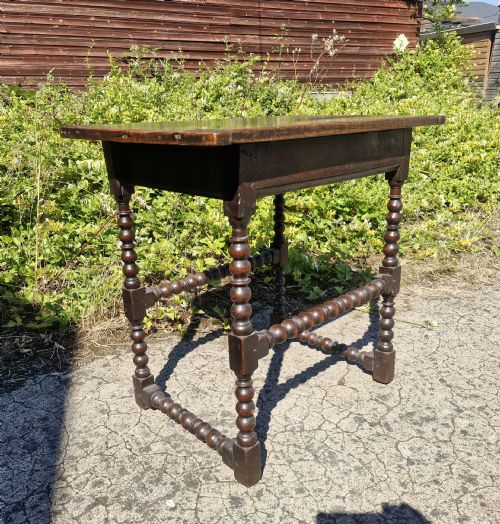
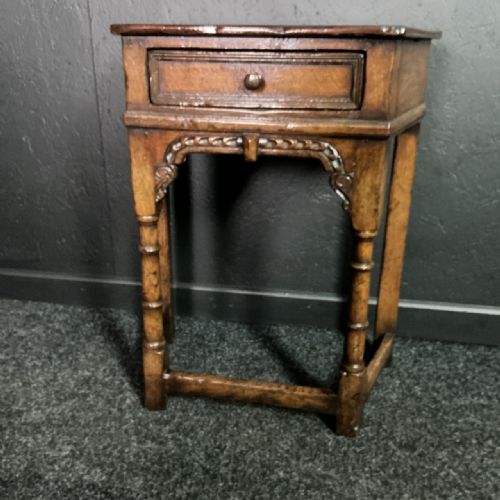
Construction relies heavily on native hardwoods and softwoods like oak, elm, pine, fruitwood, and cherry, selected for local availability and strength. Joinery frequently employs traditional techniques such as pegged joints, turned legs, and robust framing suited to heavy daily use.
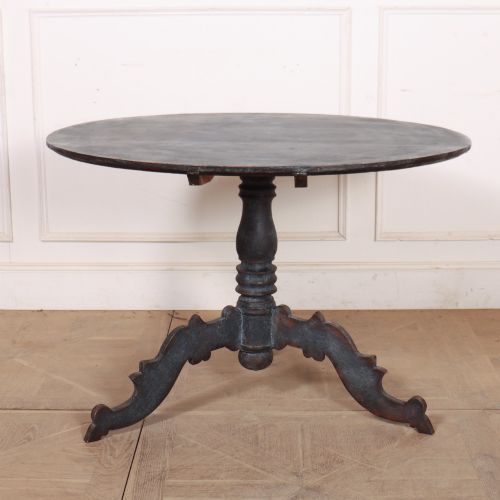
Surface treatments vary from bare polished grain to original scumble paint, liming, and applied pigments that have weathered over centuries. These finishes protect the timber while recording the changing aesthetic preferences of successive generations.
Three-legged cricket tables were originally balanced to stay steady on uneven farmhouse floors without rocking.
Factors that define quality
Quality rests on the integrity of the timber and the honesty of the construction, where proportional balance meets practical utility. Tables retaining their original surface patination, uncompromised joinery, and unaltered heights command greater appreciation among collectors.
The subtlety of turned legs, hand-carved details, and the depth of colour acquired through long use separate standard utility items from more refined vernacular examples. The presence of untouched early paint or regional quirks adds distinct character to individual pieces.
The Rustic Wooden Accent Table Glossary
- Cricket table
- A small, usually three-legged occasional table with a round wooden top, traditionally used near firesides. Its three-legged design ensured stability on uneven stone floors.
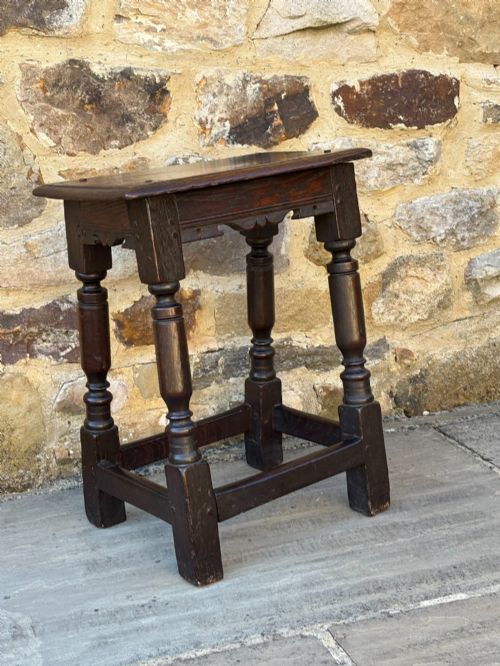
- Joint stool
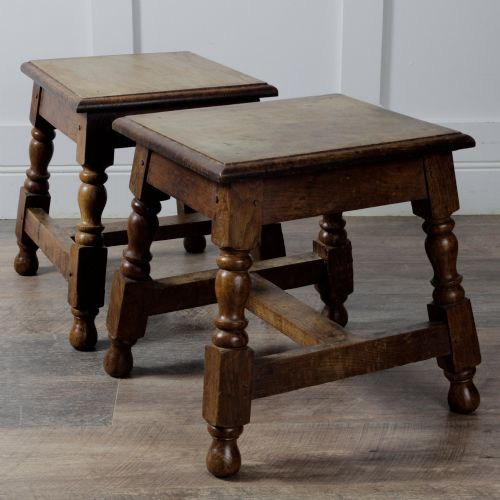
- A sturdy wooden stool built with mortise and tenon joints, often utilised as a low table or general seating in early households. These pieces represent foundational vernacular carpentry.
- Scumble paint
- A decorative glaze technique applied over a base coat to imitate wood grain or create mottled textures. It appears on regional furniture to enhance plain pine or hardwood surfaces.
- Bobbin turned
- A style of furniture leg or stretcher shaped on a lathe to resemble a string of beads or bobbins. This decorative turning is typical of seventeenth-century and revival pieces.
- Vernacular furniture
- Domestic objects made by local craftsmen for everyday use rather than high-style metropolitan consumption. These items prioritise local materials and functional design over prevailing court fashions.
Rustic Wooden Accent Table: Frequently Asked Questions
What is a cricket table?
A cricket table is a traditional small table featuring a circular wooden top supported by three splayed legs. This specific tripod construction prevented wobbling on the uneven flagstone floors common in older buildings.
Historically used for dining or fireside tasks, these tables now serve well as compact side tables or lamp stands in modern interiors.
How do I care for antique pine furniture?
Antique pine and softwood surfaces benefit from minimal intervention, typically requiring only a gentle dusting with a dry cloth. Avoiding direct sunlight and sudden temperature shifts preserves the moisture balance of the timber and protects aged painted finishes.
Applying a traditional beeswax occasionally helps nourish dry wood without building up heavy synthetic residues that obscure the grain.
Are these tables suitable for daily use?
These pieces were originally constructed for rigorous domestic service, meaning their frames are inherently robust and practical for modern living. Solid hardwoods like oak and elm withstand everyday placement of lamps, books, and cups without difficulty.
Placing felt pads beneath objects and using coasters protects historic surfaces from rings and scratches while allowing the piece to continue its functional life.
How can I tell an older piece from a revival?
Differentiating period pieces from later revivals involves examining tool marks, timber shrinkage, and the nature of the joints. Hand-cut pegs, irregular grain movement, and natural wear patterns indicate genuine age rather than machine-made uniformity.
Hardware, such as handmade iron nails or screws, also offers reliable clues to the manufacturing decade when compared against known historical standards.