


Weathered Wood Stool
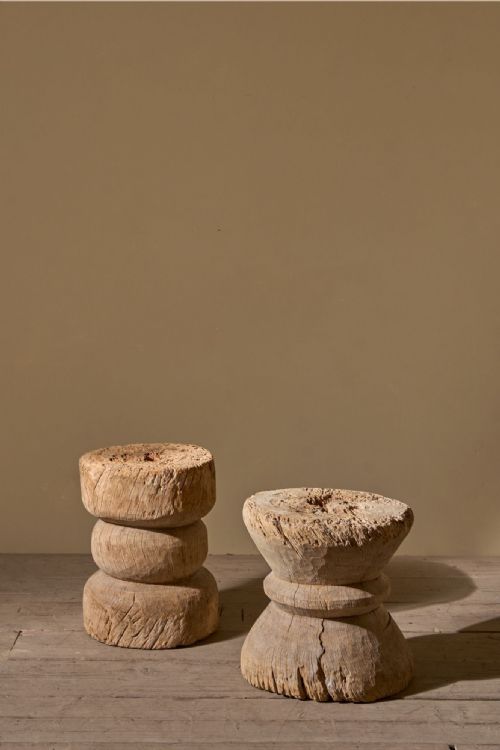
These weathered wood stool examples bring raw, tactile history into a room through honest timber and simple, practical forms.
Weathered Wood Stool
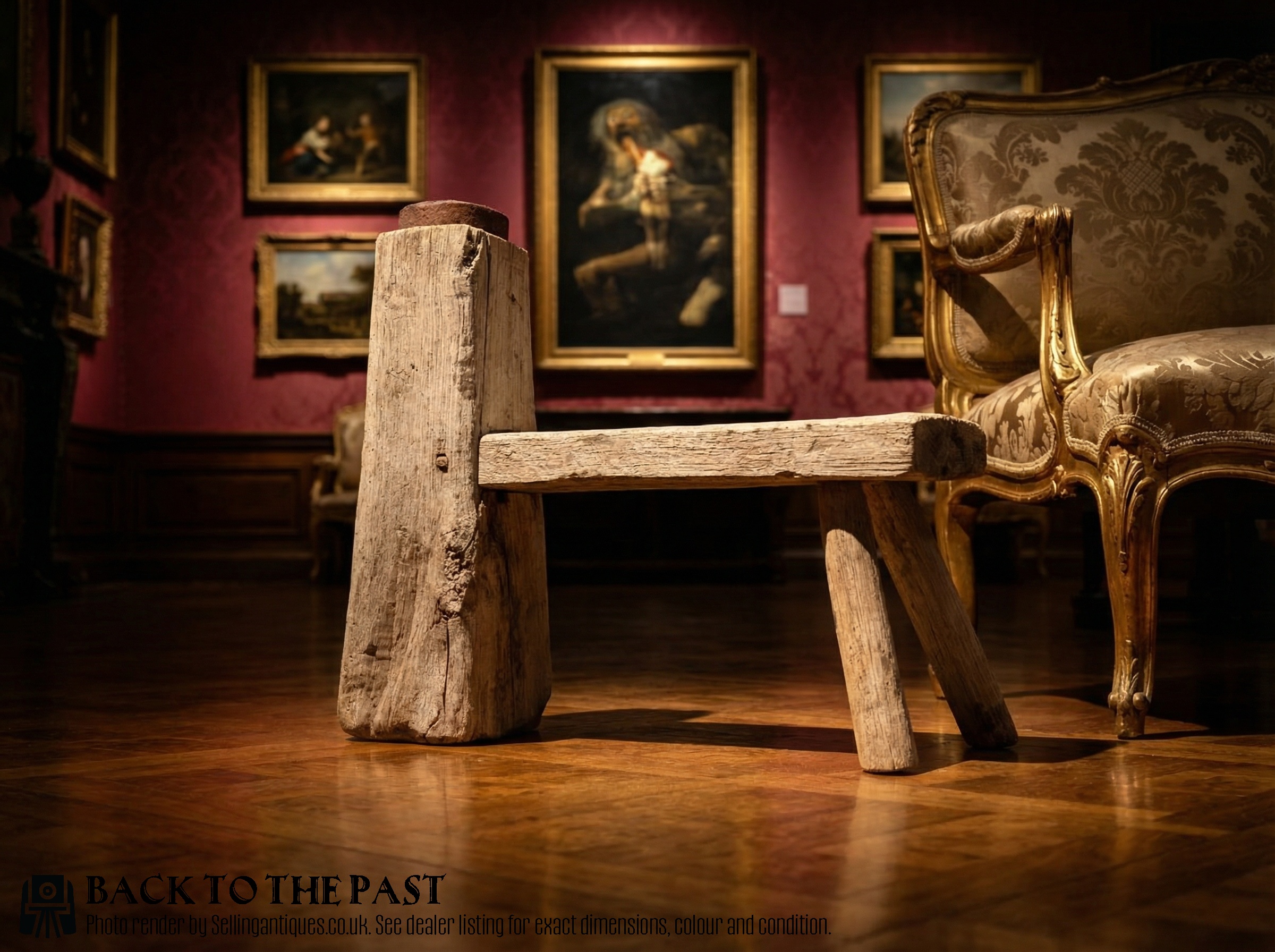
When you search for a weathered wood stool, you encounter functional objects shaped by hands long ago for specific tasks. These pieces range from work stools to childs stools, rooted in practical use rather than formal display.
The versions most commonly met on this page belong to the nineteenth century, including examples in oak and elm. They carry the marks of labour, shaped by vernacular rural and rustic traditions across different regions.
How they were made
Makers utilised solid timber such as oak, elm, and hardwood, selecting blocks and branches for their natural strength. Iron fixings occasionally reinforced the structure where heavy work demanded extra support.
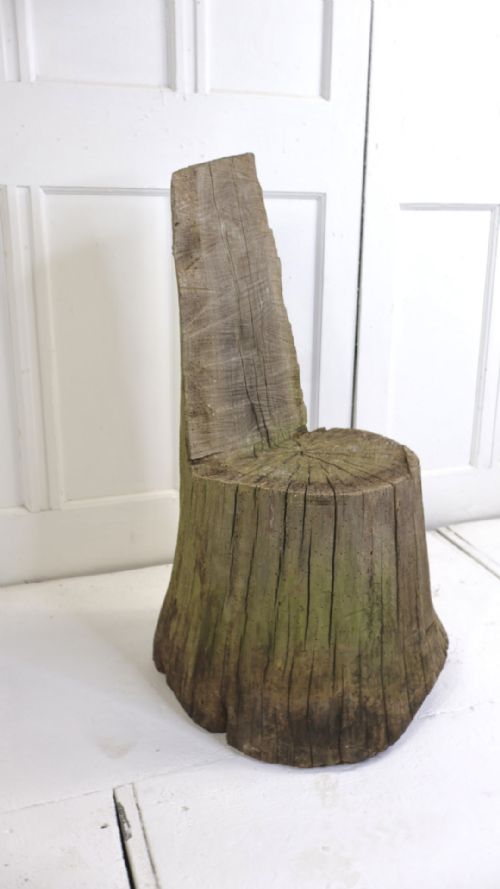
Working within vernacular rural traditions, artisans shaped tree trunks and branches with basic tools to create sturdy surfaces. This direct approach preserved the natural irregularities of the wood, resulting in pieces with individual character.
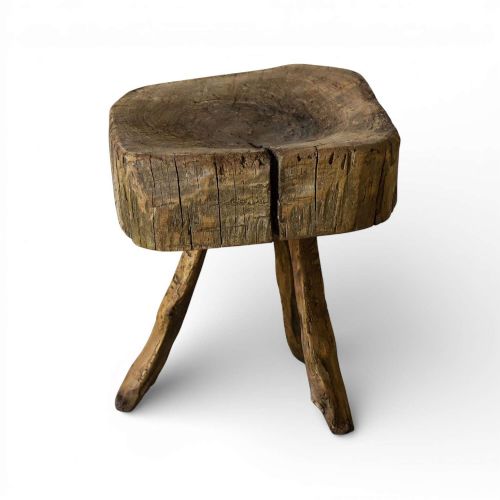
Several items retain the gnarled legs and trunk shapes of trees, bringing the forest directly into the workspace.
What varies in quality
The character of the timber dictates the presence of a piece, from simple boards to sculptural tree trunks with gnarled legs. Natural weathering develops over decades of exposure, giving each surface a distinct depth.
Proportion and structural integrity separate straightforward utility items from pieces with a stronger visual rhythm. The harmony between the original form of the wood and the maker's cut defines the better examples.
The Weathered Wood Stool Glossary
- Vernacular rural
- Objects built by local craftspeople using regional traditions and readily available materials. This approach prioritises function and local availability over academic design rules.
- Elm
- A tough hardwood known for its interlocking grain, frequently chosen for seats and chopping blocks because it resists splitting under heavy use. Its characteristic figuring adds visual warmth to utilitarian objects.
- Solid timber
- Wood used in its natural state rather than as a veneer over cheaper bases. This ensures durability and allows the material to age with a rich, tactile surface.
- Natural form
- A design approach that retains the original shape of a branch or trunk rather than squaring it into planks. It highlights the organic origins of the material.
Weathered Wood Stool: Frequently Asked Questions
How were these stools originally used?
Makers designed these items for practical workspaces such as workshops, kitchens, and agricultural settings. They served demanding daily tasks rather than decorative roles.
Over time, changing environments transitioned these robust objects into domestic interiors. Their sturdy builds allowed them to survive centuries of physical work.
How do I style a weathered wood stool at home?
Place one beside a chair as an accidental surface for books or small objects. Their organic forms introduce warmth and texture to clean modern spaces.
Allow the aged timber to contrast against smooth walls or textiles. The natural tones anchor a room without demanding visual dominance.
How can I tell the age of the wood?
Inspect the surface for tool marks, wear patterns, and the deep oxidation that comes with age. Nineteenth-century examples often display hand-worked textures absent in later machine-made items.
Examine the joints and fixings to understand the period of construction. Timber shrinks and moves over generations, leaving physical records of its age.