



Early 19th Century Stool
An early 19th century stool brings lasting utility and fine craft to a room, offering practical seating shaped by Regency elegance or rustic utility.
Early 19th Century Stool
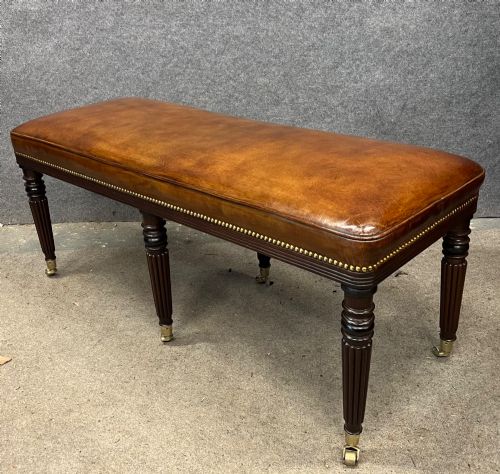
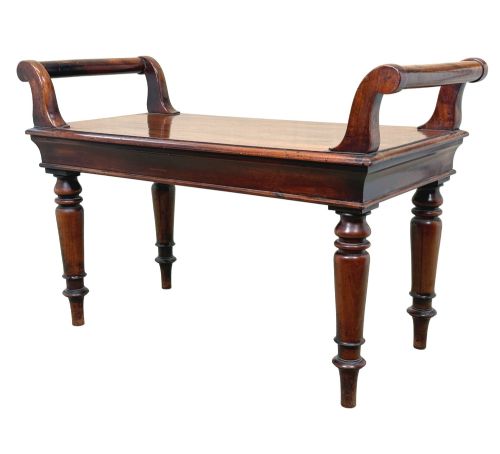
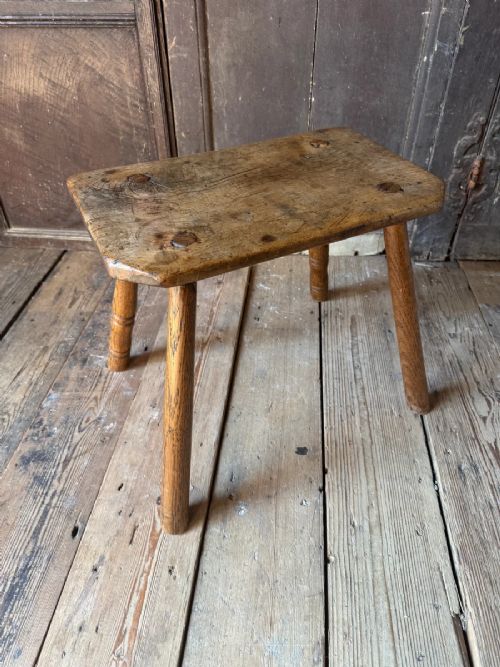
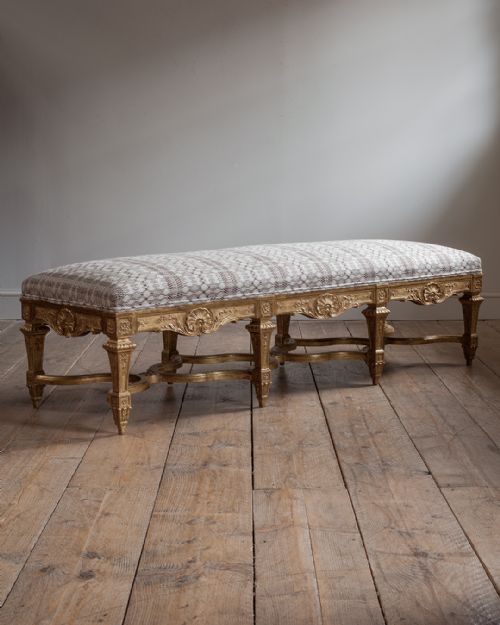
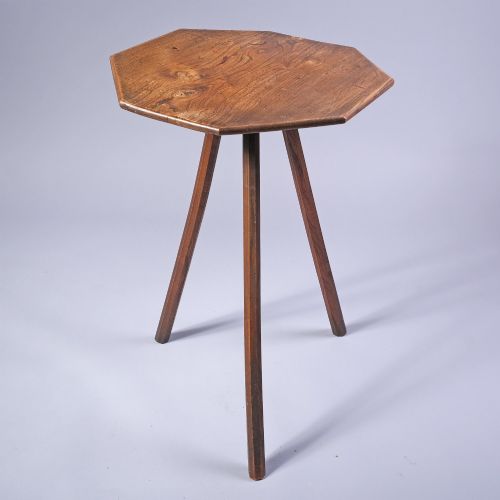
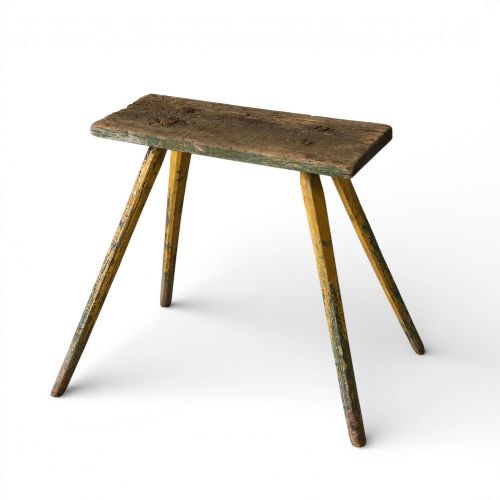
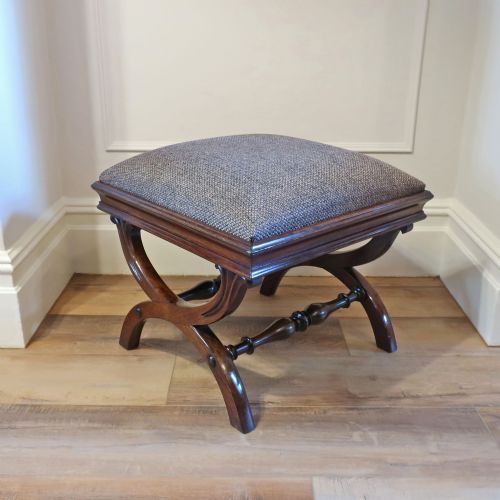
An early 19th century stool encompasses a broad domestic vocabulary, ranging from formal mahogany window seats and dressing stools to vernacular ash, sycamore and oak pieces built for specific labour.
The selections span distinct stylistic currents, linking the refined curves of Regency and early Victorian design with the simple practicality of country rustic and French provincial work.
Buyers encounter everything from scrolled footstools and giltwood salon seats to low milking stools, cobbler benches and adjustable music chairs created across the nineteenth century.
Materials and Technique
Cabinetmakers and rural joiners utilised native and imported timbers, pairing dense hardwoods like mahogany and rosewood for formal seating with flexible ash, oak and sycamore for vernacular forms.
Surface finishes vary widely between polished mahogany, original decorative paint, and giltwood layers applied to carved frames.
Upholstery traditionally incorporated textile coverings such as silk and leather secured over padded foundations.
Early 19th Century Stool Retail Price Guide 2026
Typical asking prices for early 19th century stool among the pieces listed under this phrase on Sellingantiques today, from the lower quarter to the upper quarter. They describe what is for sale here now, not the wider market.
Listings feature mahogany, ash, oak, giltwood, and painted pine across nineteenth-century forms.
Craft and Proportion
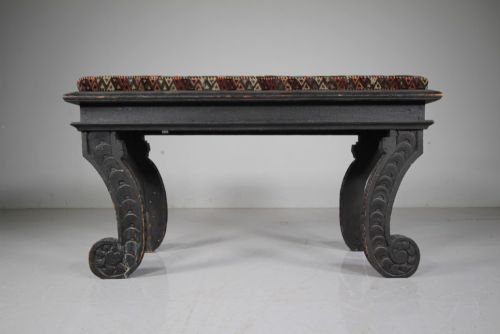
The distinction between modest utility pieces and top-tier examples rests in the ambition of the design, moving from utilitarian pegged joints on country milking stools to sophisticated fluted legs and carved scroll terminals on urban window seats.
Material selection dictates much of the character, as finely figured mahogany and fire-gilt surfaces command greater visual presence than utilitarian painted pine or plain timber.
Integrity of structure and preservation of original surface treatments preserve the historical authenticity of each seating form.
The Early 19th Century Stool Glossary
- Window Seat
- A long upholstered stool designed to sit within the architectural recess of a window. These pieces often feature scrolling ends or fluted legs matching contemporary interior architecture.
- Vernacular
- Everyday domestic or working furniture made by local joiners rather than urban cabinetmakers. These items utilise regional timbers like ash and sycamore without formal stylistic revival motifs.
- Giltwood
- Timber coated with a thin layer of gold leaf or metallic paint. This finish appears predominantly on revival salon seating designed to catch candlelight.
- Bidet
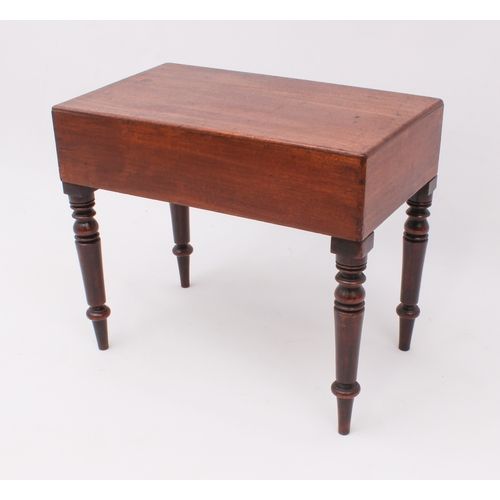
- A basin-form furniture piece enclosed within a wooden cabinet stand during the nineteenth century. These items frequently share the height and turned leg construction of small domestic stools.
- Regency
- The British stylistic period spanning the early decades of the nineteenth century. Designs draw heavily upon classical Greco-Roman motifs.
Early 19th Century Stool: Frequently Asked Questions
Where were window seats placed?
Window seats were traditionally positioned within deep Georgian and Regency window embrasures to provide comfortable spots for reading or viewing the grounds.
Over time, owners also placed them at the foot of beds or along long gallery hallways to add functional seating without blocking circulation.
How do I care for antique timber?
Maintain wooden frames by keeping them away from direct heat sources and sudden humidity shifts that cause timber to split.
Apply microcrystalline wax sparingly to nourish the polish rather than modern silicone sprays that build up residue.
What is a pig bench?
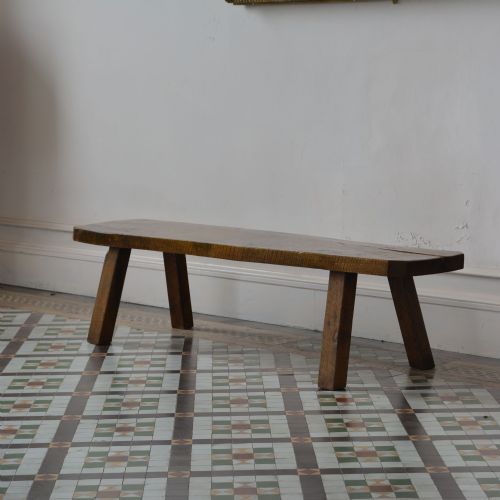
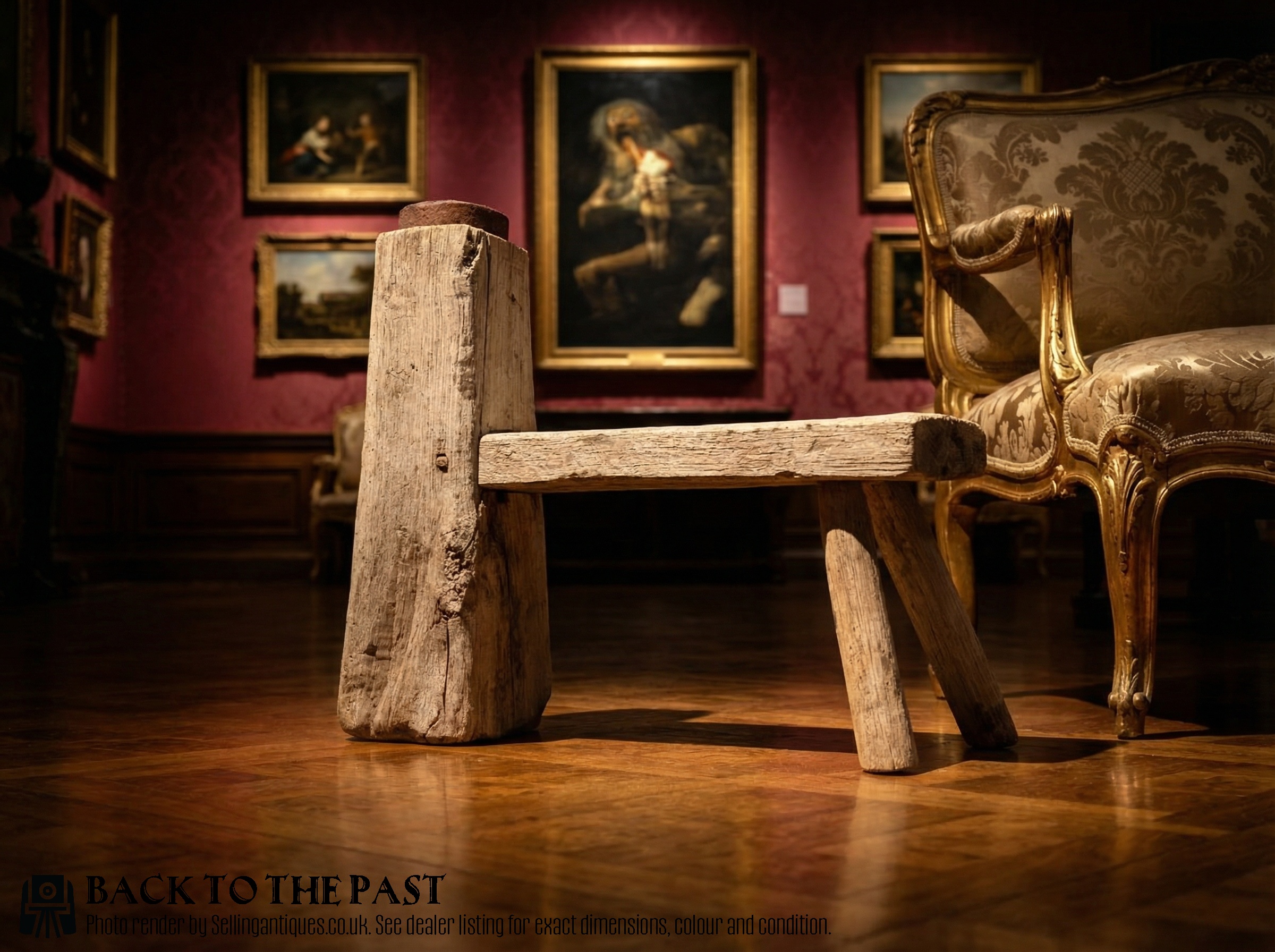
A pig bench is a low, sturdy wooden form built for heavy farm tasks rather than formal domestic sitting.
These utilitarian pieces display robust construction using thick planks and simple legs designed to withstand rigorous agricultural environments.