
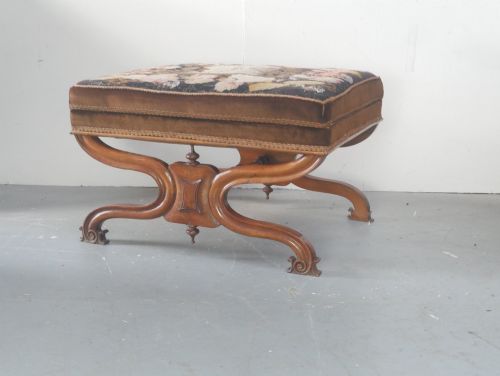
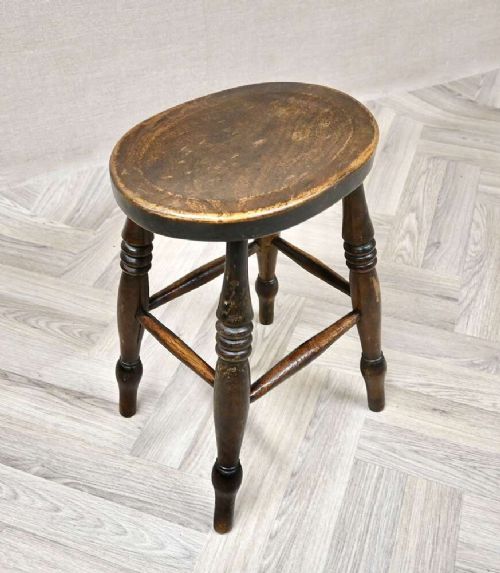
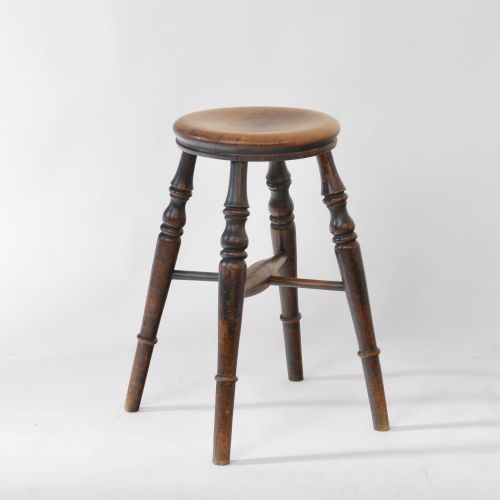
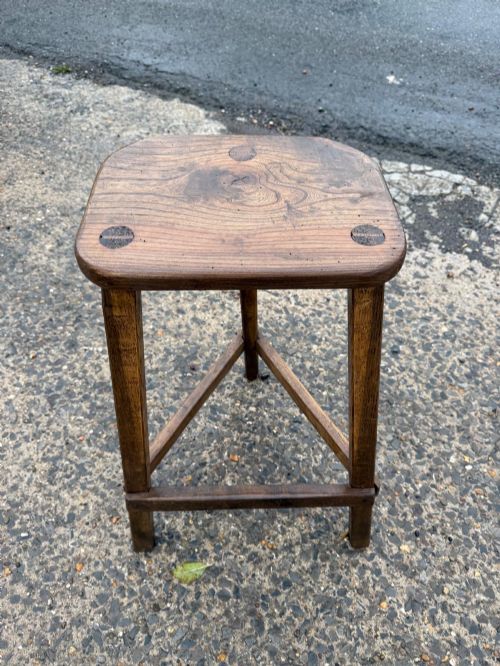

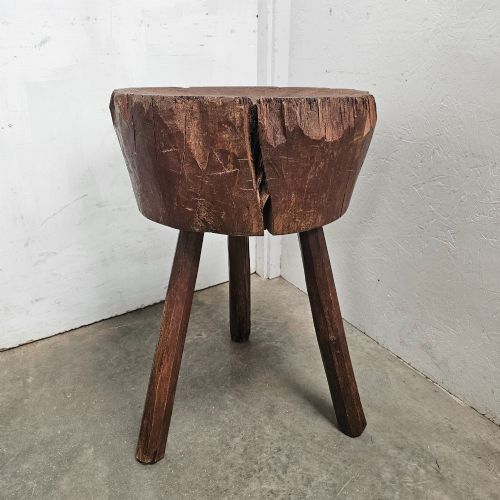
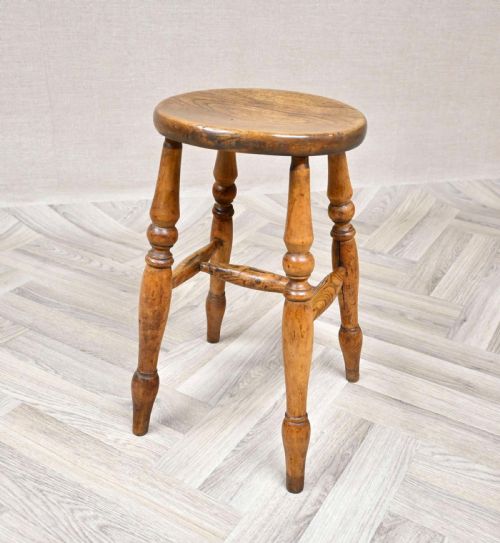
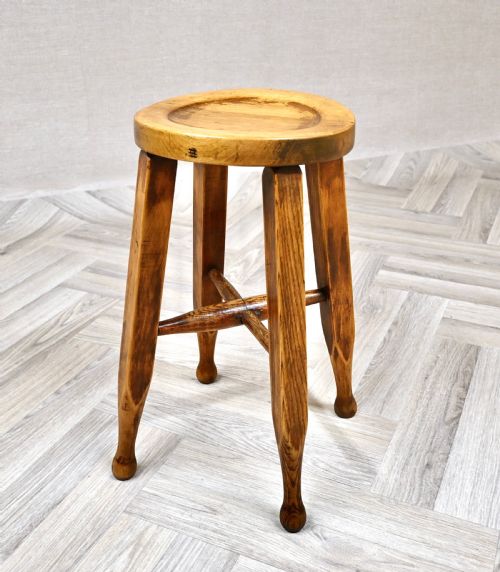
Brown Timber Stool
A brown timber stool brings honest utility and time-worn character to an interior.
What a brown timber stool is
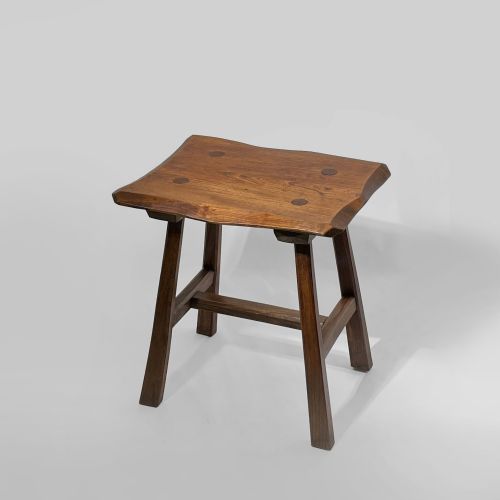
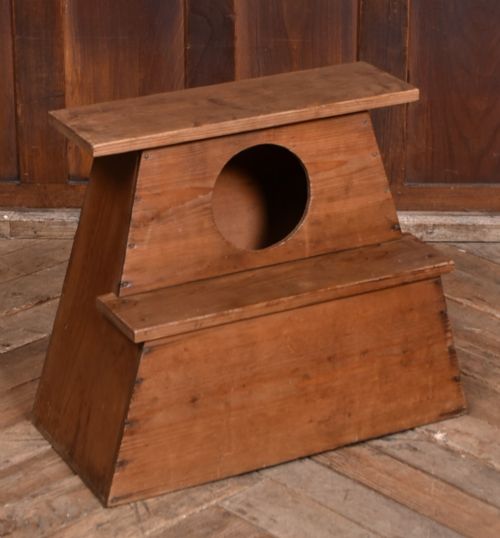
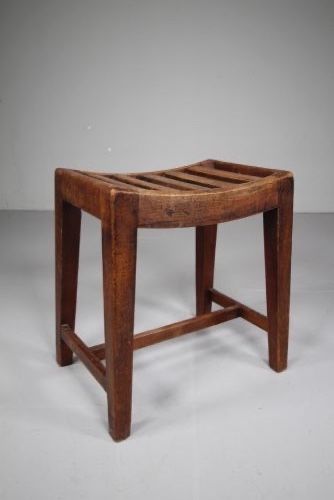
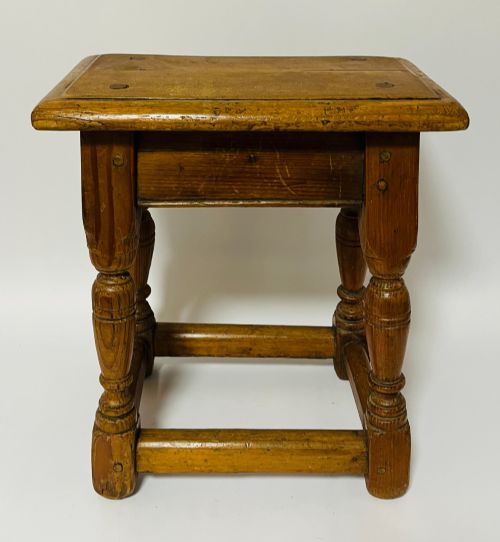
When you search for a brown timber stool, you encounter pieces designed for practical work rather than formal display. The selection on this page centres on utilitarian forms from the nineteenth century and around nineteen hundred.
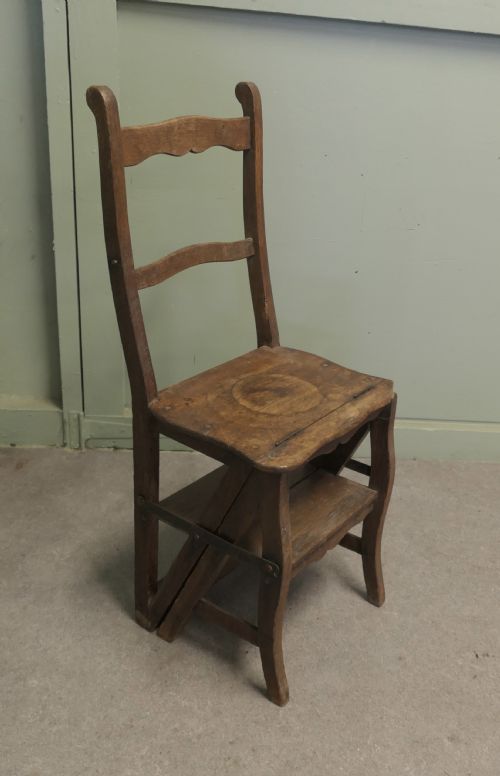
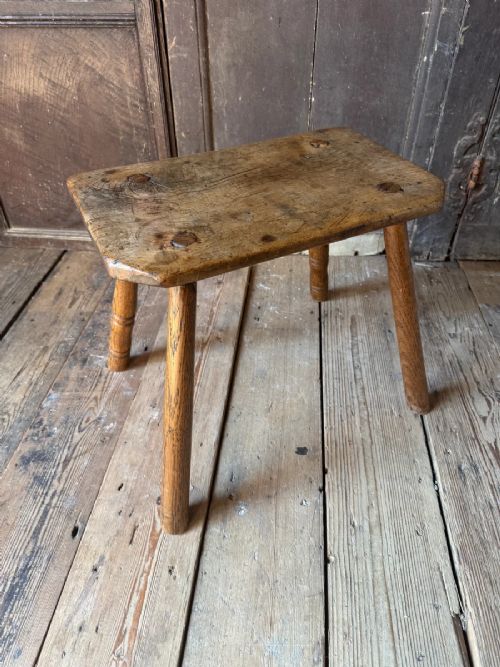
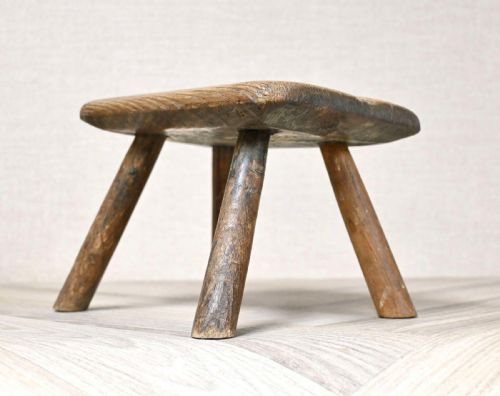
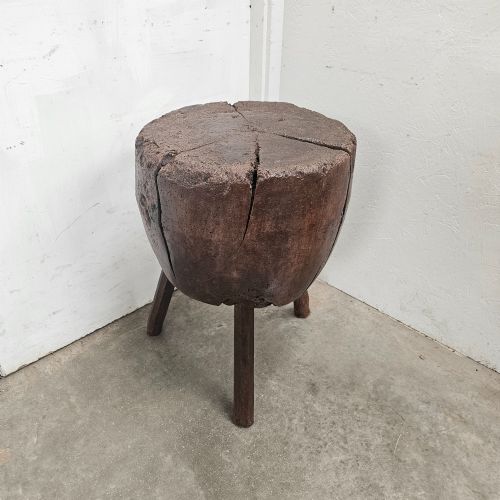
The options you meet most frequently include vernacular seating, nursery designs, and heavy-duty butcher blocks. These items originate from British and French rural traditions, reflecting the needs of artisans, farmers, and households.
Makers constructed these sturdy items from native hardwoods to withstand heavy daily use. Their straightforward construction makes them versatile additions to contemporary and traditional spaces alike.
How they were made
Makers utilised a variety of native timbers including oak, elm, ash, sycamore, beech, pine, and mixed hardwoods. These woods were chosen for their toughness and availability in local workshops.
Joinery techniques focus on absolute durability, often employing pegged joints and turned legs wedged securely into solid seats. Surfaces show the marks of hand tools, adzes, and lathes used during shaping.
Retail Price Guide 2026
Typical UK retail prices for brown timber stool, calculated from the Sellingantiques database of over a million retail prices indexed since 2003. This retail price guide relies exclusively on Sellingantiques data; no external sources or auction records are used, so the figures do not describe the wider market.
Object forms represented in the inventory include work benches, game blocks, and diverse vernacular seating styles from Britain and France.
What varies in quality
Quality rests in the integrity of the timber and the honesty of the construction. Superior examples display rich patination built up through generations of handling and use.
Proportion and balance distinguish finer vernacular pieces from standard utilitarian work. The most desirable versions retain their original surface finish and structural tightness without excessive modern intervention.
The Brown Timber Stool Glossary
- Vernacular
- An object built by local craftsmen to fulfil a specific daily function without academic architectural influence. These pieces rely on traditional regional methods rather than high-style workshop patterns.
- Utilitarian
- Designed primarily for practical utility rather than ornament. Such objects prioritise strength and straightforward purpose above all else.
- Patina
- The surface sheen and colour developed over decades through wear, light, and polishing. It serves as visual evidence of an item's age and history.
- Hardwood
- Timber derived from broad-leaved deciduous trees such as oak, ash, and beech. These dense materials provide the structural resilience seen in antique seating.
- Primitive
- Describing early or rustic items made with basic tools and direct methods. This term denotes an unpretentious approach to design and manufacture.
Frequently Asked Questions
What is a brown timber stool used for?
These items served various manual tasks in workshops, dairies, and farmhouses. People sat on them while milking, working at benches, or tending to hearths.
Today, they function well as occasional seats, side tables, or display stands in living spaces.
How do I date a timber stool?
Dating relies on examining tool marks, timber species, and construction methods. Nineteenth-century examples often feature hand-turned legs and pegged joints peculiar to vernacular traditions.
Wear patterns and the depth of the surface patina also offer strong clues to an item's true age.
Are these stools comfortable?
Most pieces were designed for labour rather than prolonged relaxation. Seats are typically carved with a subtle depression to fit the body.
Their solid wooden construction makes them sturdy, though adding a small cushion is common for everyday seating.
How do I care for antique wood?
Keep wooden seating away from direct heat sources and sudden temperature shifts. Applying a traditional wax occasionally helps nourish the dry timber.
Avoid harsh chemical cleaners that can strip the historic surface finish and accumulated patina.