





Antique Pub Stools
Antique pub stools bring honest tavern character indoors, offering sturdy timber seats shaped by decades of heavy daily use.
Antique Pub Stools
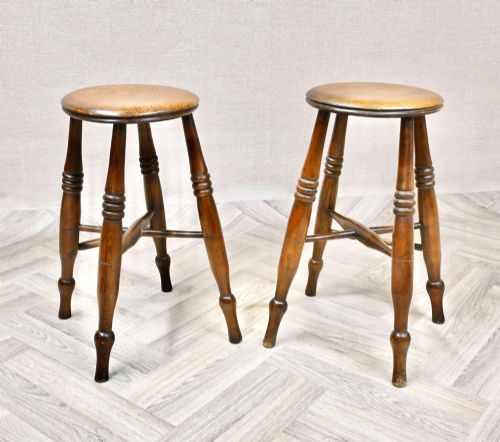
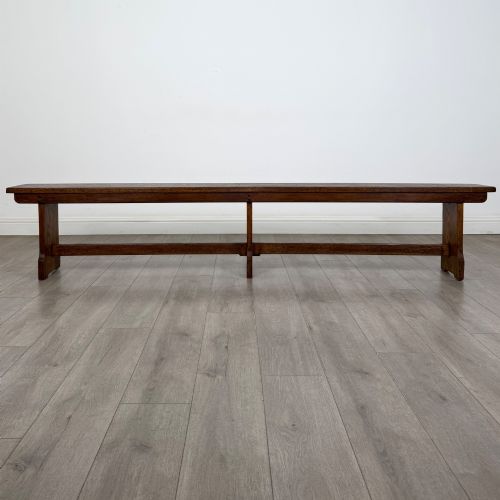
Antique pub stools encompass low tavern seats, tall bar stools, and bench forms built for commercial and domestic hospitality. When searching for antique pub stools, buyers encounter nineteenth century tavern seating alongside Edwardian dining stools and industrial work examples.
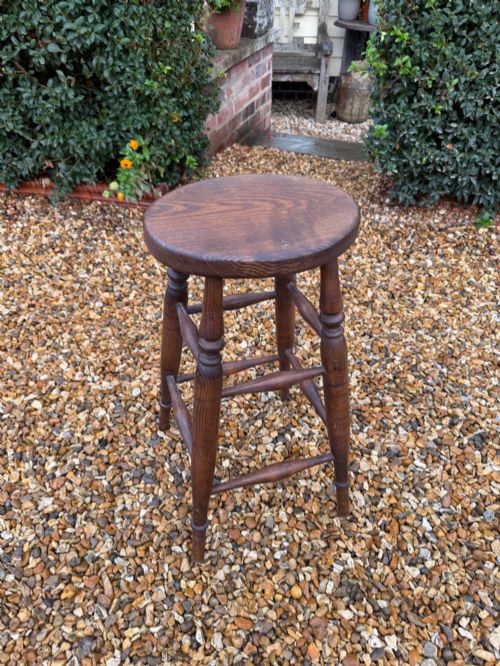
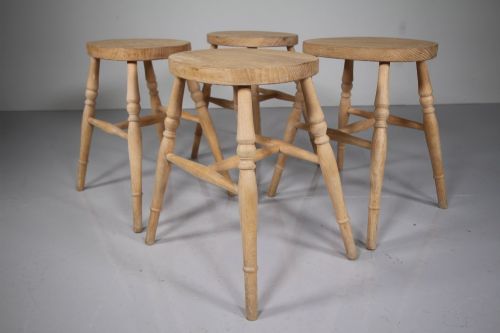
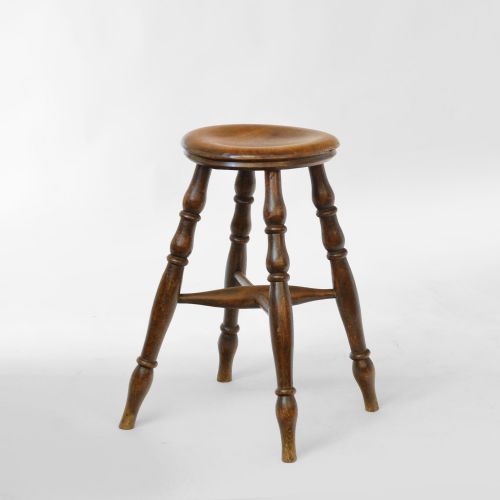
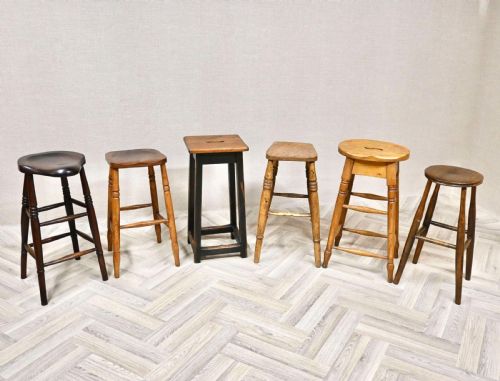
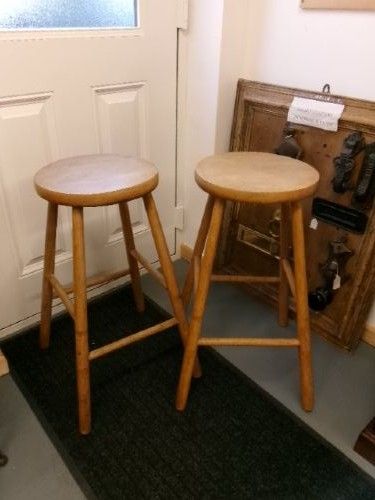
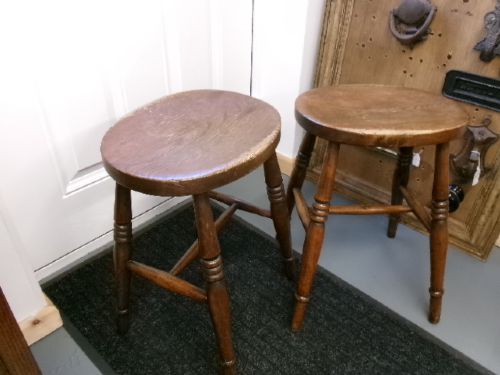
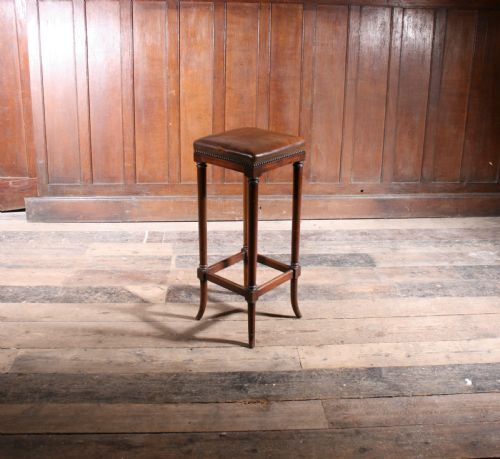
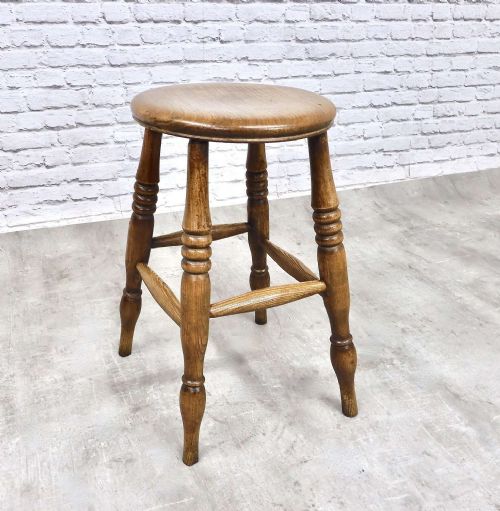
The most common forms on this page include sycamore and elm topped tavern stools, tall bar stools, and clerk's stools resting on turned wooden legs. These pieces originate from Victorian and later periods, reflecting the utilitarian needs of public houses and alehouses.
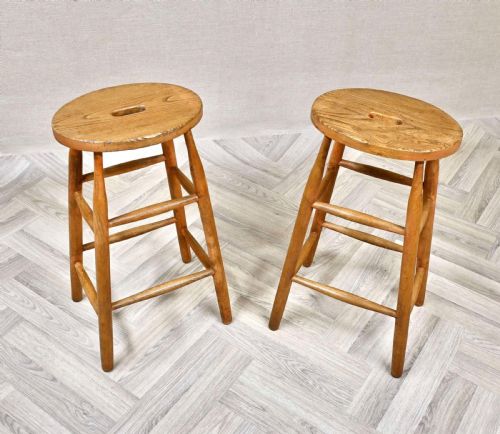
Makers often fashioned these seats with oval dished tops or rush seating to handle rigorous daily environments. The selection bridges rustic farmhouse seating and specialised bar furniture from the nineteenth and early twentieth centuries.
How they were made
Cabinet makers and turners utilised solid timbers including elm, oak, beech, sycamore, ash, pine, and birchwood. Woodworkers turned legs on lathes and joined them securely to solid wooden tops using traditional jointing methods.
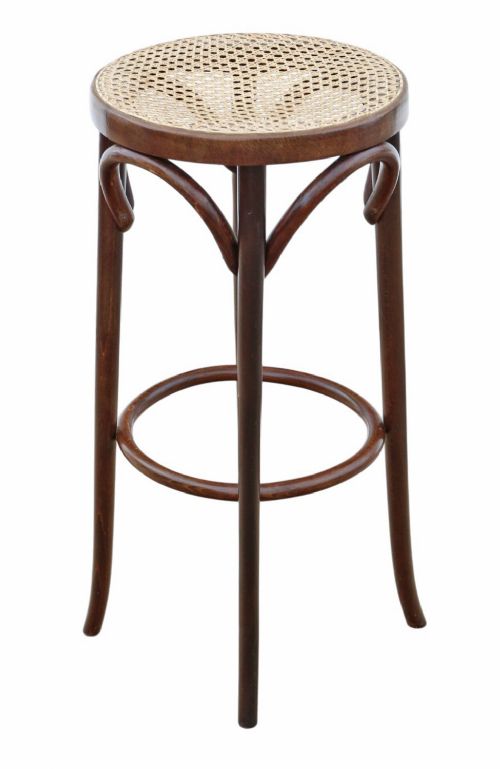
Bentwood techniques appeared by the early twentieth century, allowing steam-bent frames to form lighter yet resilient tall stools. Artisans shaped seats with hollowed dishes or integrated rush webbing for practical comfort in taverns and alehouses.
Antique Pub Stools Retail Price Guide 2026
Typical asking prices for pub stools among the pieces listed under this phrase on Sellingantiques today, from the lower quarter to the upper quarter. They describe what is for sale here now, not the wider market.
Listings feature timbers including elm, oak, beech, pine, ash, sycamore, and birchwood across the nineteenth and twentieth centuries.
What varies in quality
The distinction between standard utility seating and finer examples lies in the choice of timber and the complexity of the turning. Selected pieces display figured sycamore or elm seats paired with carefully proportioned legs rather than simple commercial replacements.
Structural integrity and the survival of original surface patination dictate the standing of each piece. Surviving examples retain their authentic joinery and unmodified height, showing honest wear without heavy intervention.
The Antique Pub Stools Glossary
- Dished top
- A seat carved with a shallow circular indentation for comfort. This concave shaping was carved directly into solid wood tops.
- Bentwood
- Wood softened by steam and bent into curved structural forms. This technique created lighter frames during the early twentieth century.
- Rush seat
- Seating woven from dried marsh plants stretched across a wooden frame. This traditional method provided flexible support on dining and bar stools.
- Turned legs
- Wood shaped on a lathe to create decorative or structural profiles. Craftsmen used this process for the underframe and stretchers of tavern seating.
- Windsor stool
- A seat built with turned legs wedged directly into a thick solid wooden base. This robust construction method originated in vernacular furniture design.
Antique Pub Stools: Frequently Asked Questions
How were pub stools used historically?
Antique pub stools provided high or low seating for patrons gathered around tavern counters and alehouse tables.
They served demanding commercial environments where durability mattered more than upholstered comfort.
Are these stools suitable for daily kitchen use?
These solid timber stools adapt well to modern kitchen islands and breakfast bars when the height matches the counter.
Their robust construction handles everyday household seating without losing historic character.
How do I identify a nineteenth century pub stool?
Nineteenth century examples typically feature hand-turned wooden underframes and thick elm or sycamore tops shaped by hand tools.
Construction details like pegged joints and deep patination point toward earlier manufacturing dates.
What is the difference between a tavern stool and a clerk's stool?
Tavern stools were built for public houses with sturdy low or high profiles designed for hospitality spaces.
Clerk's stools served administrative roles in offices, featuring similar turned beech or birchwood frames adapted for writing desks.