

Traditional Wooden Bench Stools
Traditional wooden bench stools offer practical seating and display surfaces, drawing on centuries of craftsmanship in oak, mahogany, and elm.
Traditional Wooden Bench Stools
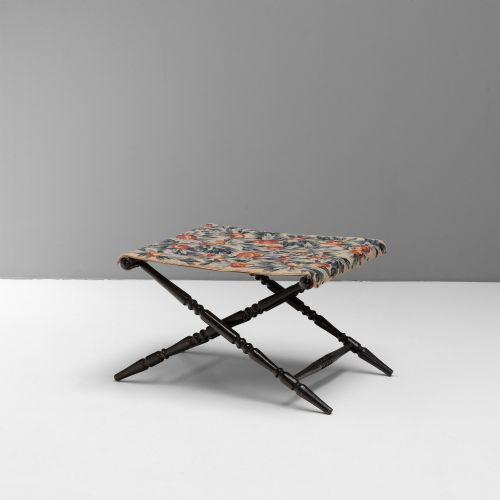
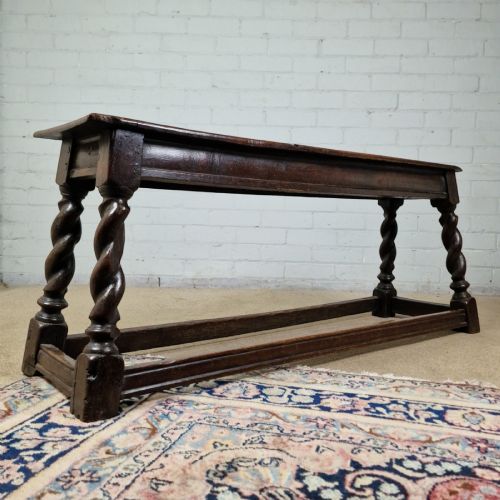
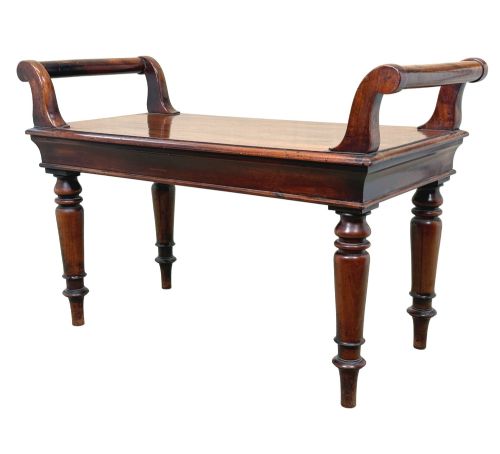
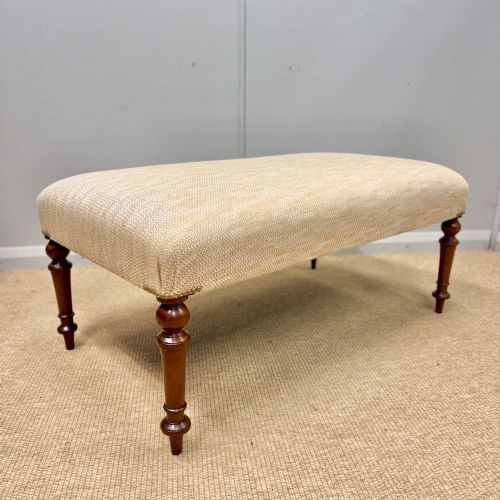
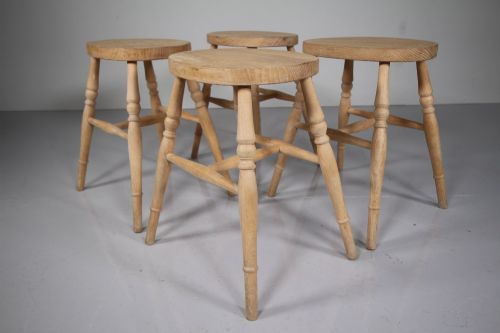
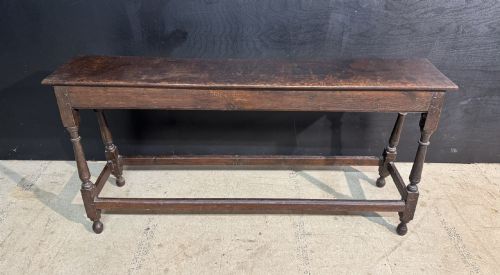
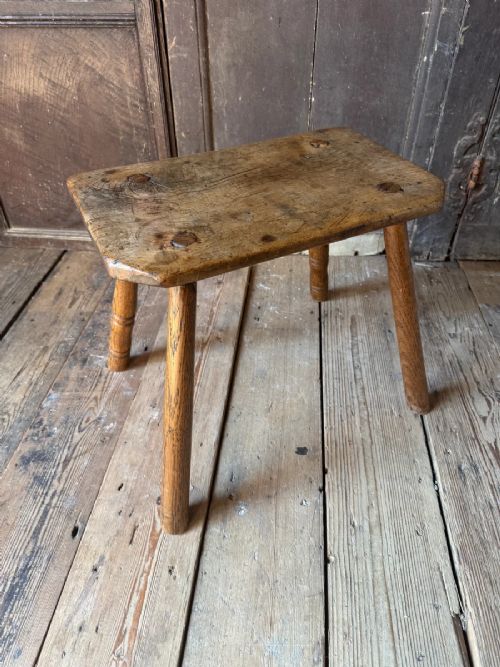
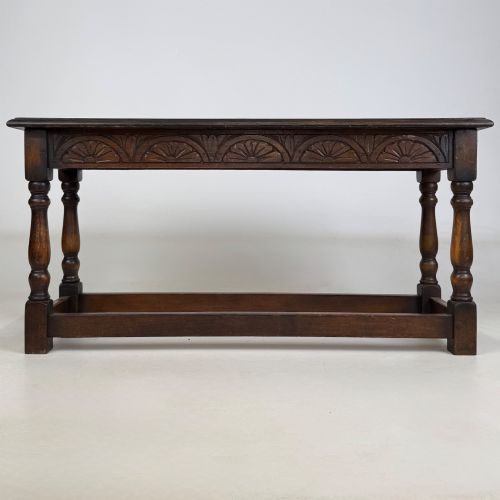
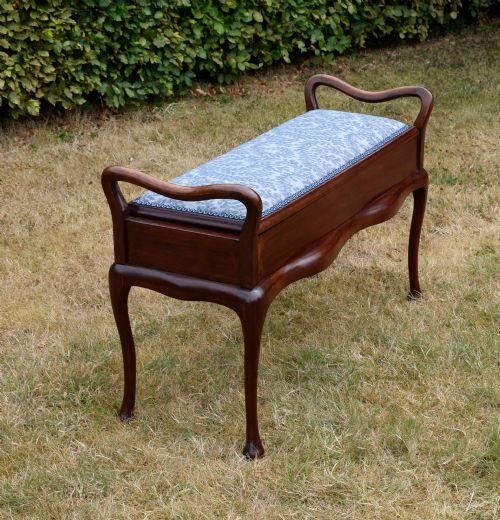
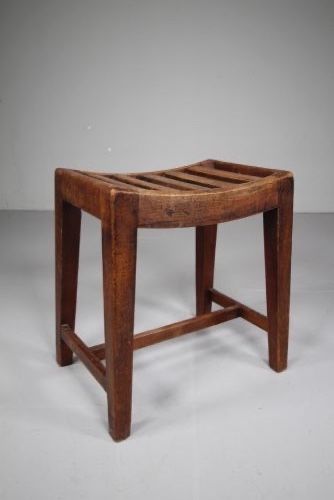
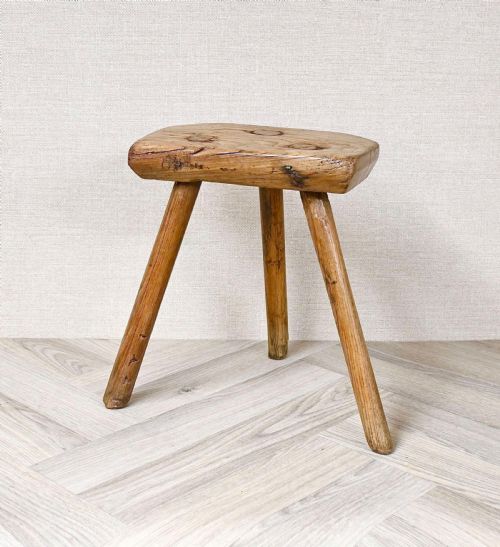
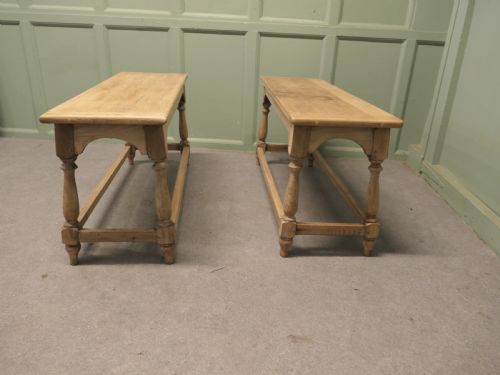
Traditional wooden bench stools encompass a diverse range of low seating and support furniture, spanning long joint stools, window seats, and piano stools. When searching for traditional wooden bench stools, buyers encounter pieces originating from the eighteenth, nineteenth, and early twentieth centuries. Forms vary from sturdy rustic farmhouse benches to formal Georgian and Victorian mahogany designs.
How they were made
Construction relies heavily on solid hardwoods like oak, mahogany, walnut, and teak, often joined using traditional pegged methods. Pegged construction provides structural integrity to items subjected to weight, such as joint stools and five-plank benches.
Surface treatments and upholstery techniques vary according to period and origin. Makers utilised carved detailing, ebonising, or simple waxed finishes on timber, while softer elements involve textile additions like kilim, linen, and woven rattan.
Elephants and tribal artisans share the timber stage with formal Georgian drawing rooms.
What varies in quality
Quality rests in the selection of timber and the fidelity of period construction methods. Solid hardwoods like early oak or figured mahogany command attention for their durability and grain depth.
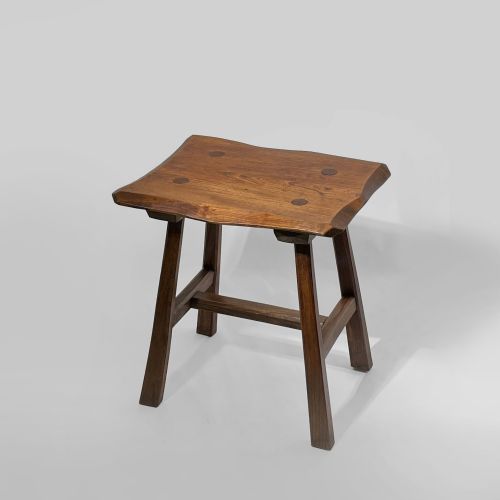
Refinement of carving and proportion distinguishes formal pieces from vernacular workshop output. Original upholstery materials and secondary additions like cane work or woven rattan also influence the overall character of a piece.
The Traditional Wooden Bench Stools Glossary
- Joint stool
- A sturdy wooden stool constructed with mortise and tenon joints, commonly associated with seventeenth and eighteenth-century domestic life.
- Luggage stand
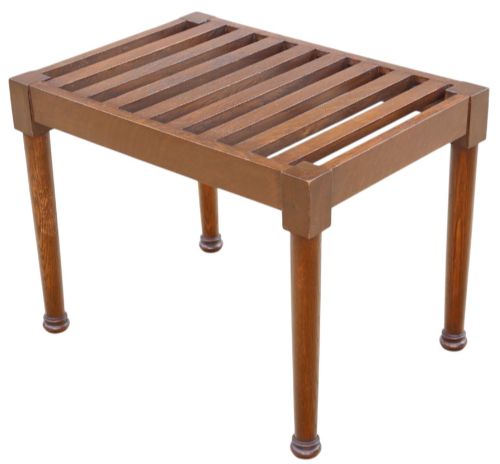
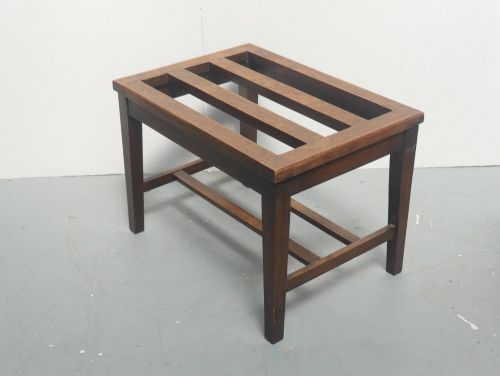
- A low bench or rack originally designed for resting trunks and cases at a convenient height in bedrooms.
- Vernacular
- Everyday furniture made by local craftsmen using regional timber traditions rather than adhering to formal metropolitan styles.
- Window seat
- An elongated stool or bench designed specifically to fit the architectural depth of a window recess.
- Pegged construction
- A method of joining wooden elements using wooden pins or dowels instead of metal nails or screws.
Traditional Wooden Bench Stools: Frequently Asked Questions
Where should I place a bench stool?
These pieces suit hallways as seating for removing shoes or at the foot of a bed for support and display.
Shorter footstools and low variants function well beside armchairs or as occasional display surfaces in living spaces.
How do I identify an older wooden stool?
Examine the timber joints, tool marks, and overall wear patterns for signs of age and manual construction methods.
Period pieces often display pegged joinery, patinated surfaces, and vernacular timber choices specific to their era of origin.
Are these stools suitable for daily use?
Most solid hardwood examples remain robust enough for regular sitting when the structural joints are sound and stable.
Items with delicate carvings or fragile woven elements like rattan require more mindful placement to preserve their condition.
What is the difference between a bench and a stool?
Benches typically offer a longer seating surface designed to accommodate multiple people or serve as a low table.
Stools provide compact, single-occupant seating or function as foot supports and luggage racks.