


Vintage Carved Timber Pedestal
A vintage carved timber pedestal brings architectural height and hand-worked texture to a room, serving as a sturdy stage for plants, busts, or lamps.
Vintage Carved Timber Pedestal
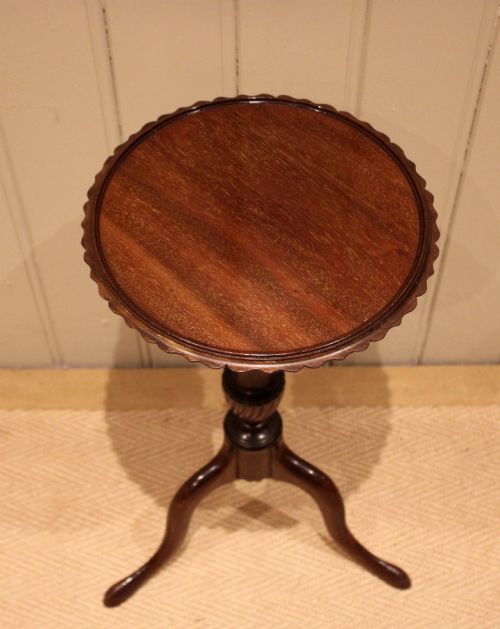
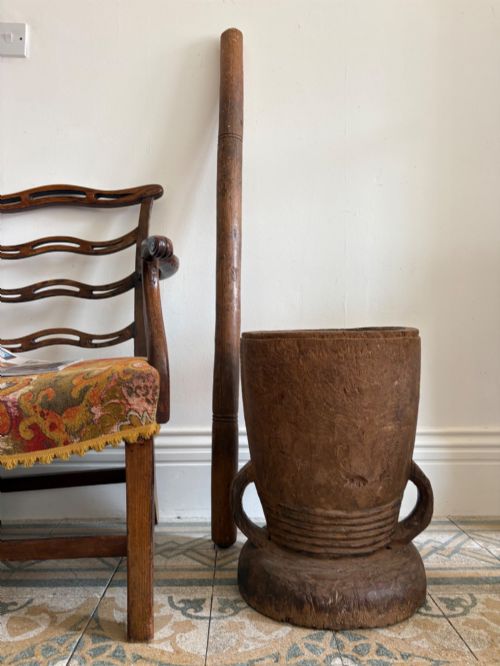
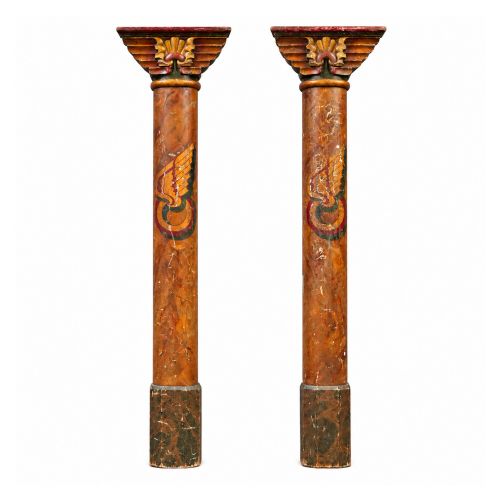
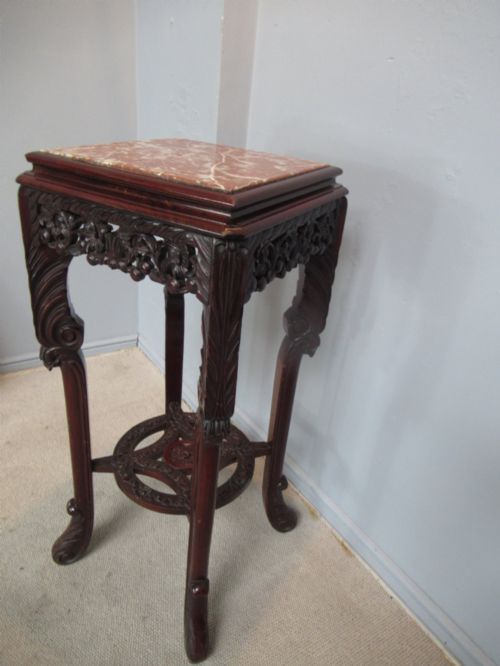
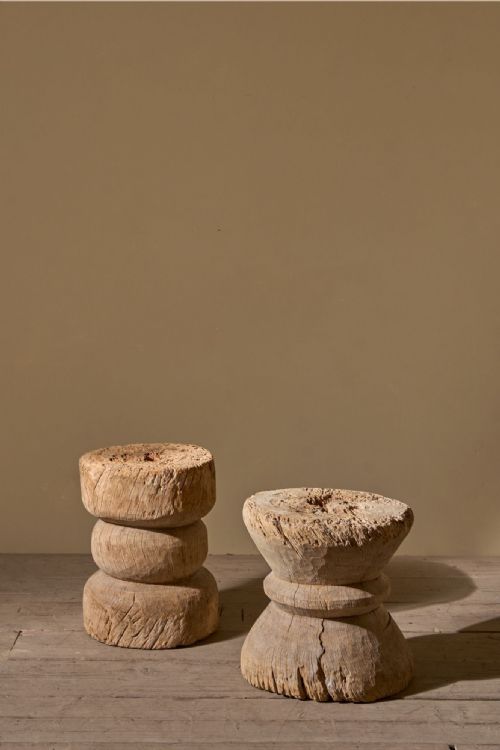
A vintage carved timber pedestal encompasses a diverse group of elevated supports, plant stands, torcheres, and architectural columns spanning the nineteenth and early twentieth centuries. Buyers seeking a vintage carved timber pedestal will encounter forms ranging from Victorian mahogany plant columns and Chinese hardwood jardiniere stands to rustic African tribal tables and Edwardian fairground pieces.
The materials utilised in these works reflect global sourcing, uniting British domestic timbers such as mahogany and walnut with exotic hardwoods, teak, palm wood, and marble inserts. These pieces function primarily to display decorative objects at eye level, lifting them from the floor to create focal points within domestic interiors.
Materials and construction
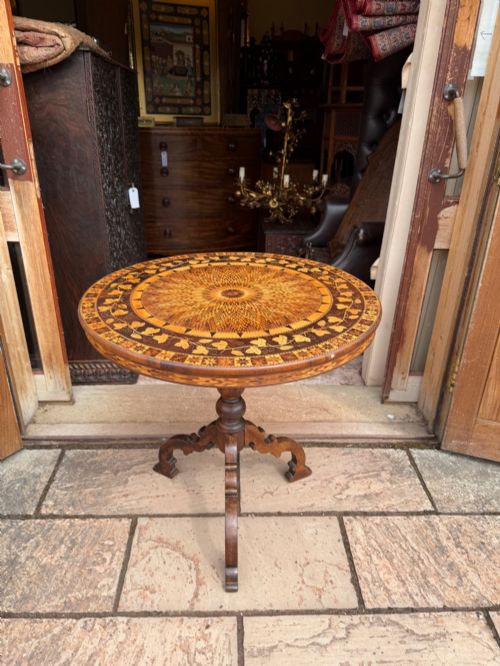
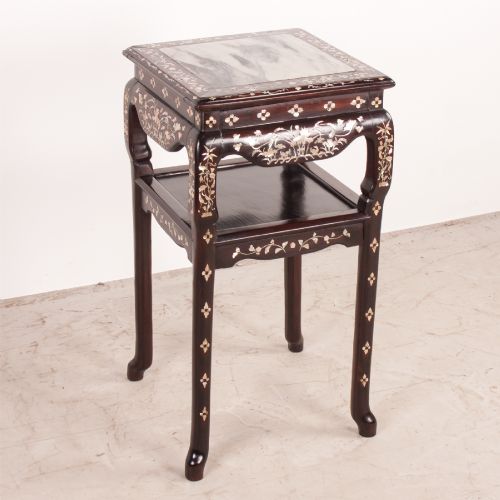
Cabinetmakers and carvers shaped these pieces from dense, durable woods including mahogany, walnut, teak, and rosewood, frequently incorporating marble tops to create stable, cool surfaces for vases and plants. Artisans applied hand-carved relief work, turning, and occasional inlay such as mother-of-pearl or contrasting timber stringing to embellish the structural grain.
Joinery techniques varied according to origin, moving from traditional pegged mortise and tenon joints in British country house and Arts and Crafts examples to intricate interlocking construction found in Chinese export pieces and African tribal works.
The listings show periods spanning from the eighteenth century to the 1930s, utilising mahogany, walnut, teak, marble, and brass.
Assessing quality
Quality rests upon the crispness and depth of the hand-carved detail, where sharp undercutting and confident tool marks distinguish superior artistic execution from mechanical or flat reproduction work. The selection of timber grain, particularly figured walnut or well-matched mahogany figures, dictates the visual richness of the finished surface.
Structural integrity also separates examples, as heavy loads placed upon torcheres and plant stands require sound weight distribution, stable tripod or plinth bases, and uncompromised timber joints that resist warping over decades of use.
The Vintage Carved Timber Pedestal Glossary
- Torchere
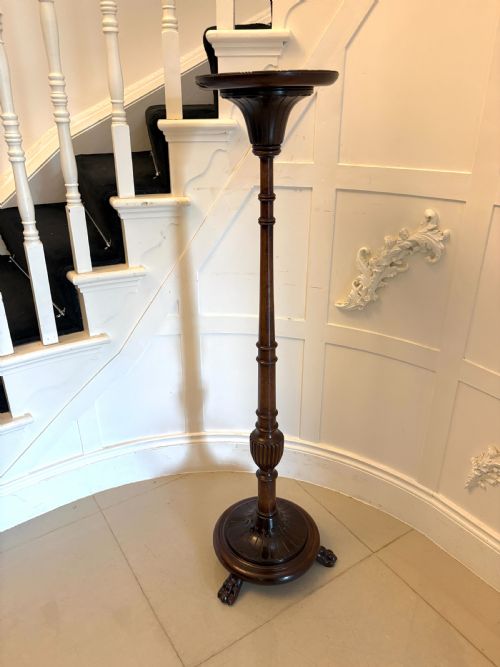
- A tall, slender stand designed specifically to elevate a light source, candle, or decorative vase. These pieces often feature circular tops supported by carved columns and tripod feet.
- Jardiniere
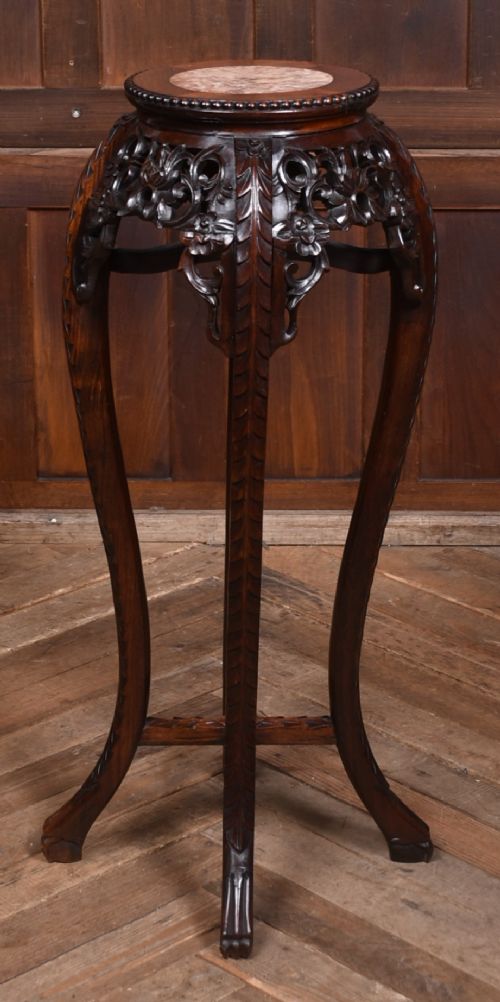
- A large ornamental pot or stand for holding plants and flowers. In antique furnishings, it refers to specialised low or tall tables with waterproof or stone inserts.
- Hardwood
- Timber derived from broad-leaved angiosperm trees, valued in these items for its density and suitability for intricate carving. Examples include mahogany, teak, and walnut.
- Inlay
- A decorative technique where pieces of contrasting material, such as mother-of-pearl or lighter woods, are set into recesses flush with the surrounding surface.
Vintage Carved Timber Pedestal: Frequently Asked Questions
How do I use a pedestal at home?
These elevated stands work best in corners or empty hallway spaces where they can hold heavy items safely. They provide height variation in a room, drawing the eye upward.
Place a ceramic vase, a bronze bust, or a potted plant on top to create a deliberate focal point. Ensure the base sits level on your flooring to prevent tipping.
How do I distinguish Victorian from Edwardian pieces?
Victorian items, generally produced between the mid-nineteenth century and 1901, often feature heavier carving, darker mahogany tones, and more ornate classical or Gothic revival detailing. They tend to prioritize formal presence and dense surface ornamentation.
Edwardian pieces, dating from the early twentieth century up to the First World War, frequently display lighter proportions and simpler geometric or transitional styling. The carving becomes slightly more restrained while maintaining skilled handcraft.
What is the difference between a column and a pedestal?
A pedestal is an entire functional furniture form comprising a base, a supporting shaft, and a flat top designed for independent display. It stands complete as a table or plant stand.
An architectural column is typically a structural element removed from a building or constructed in pairs for decorative framing, sometimes repurposed later as a display support.