




Rustic Timber Prep Table
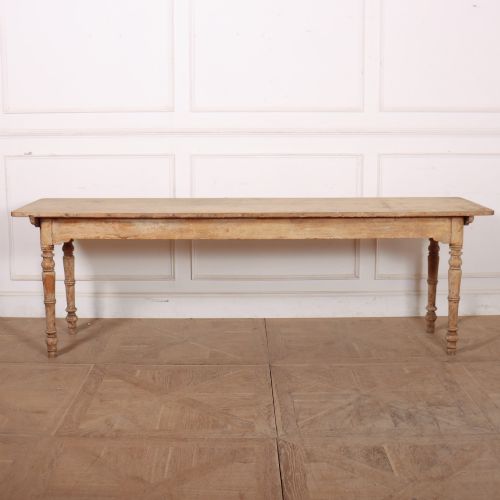
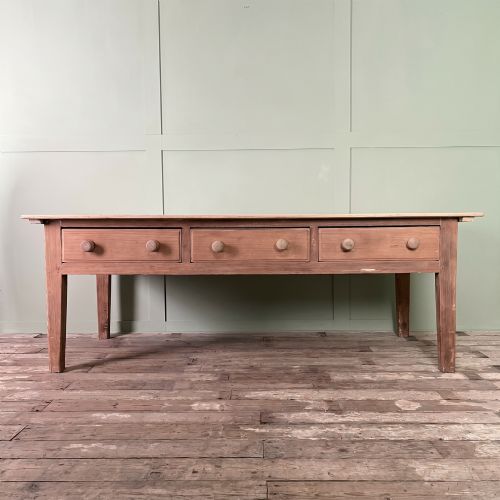
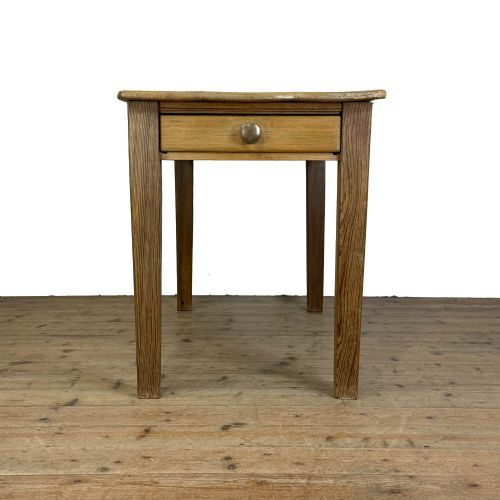
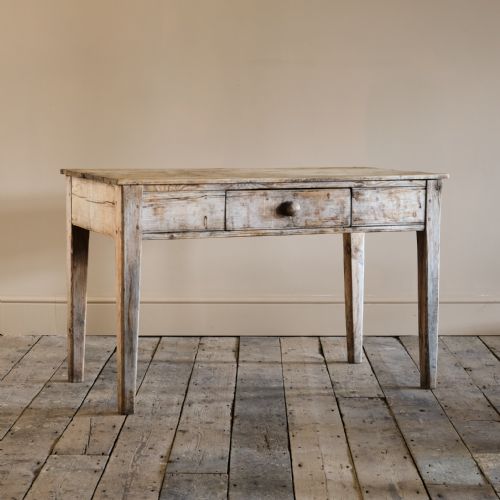
A rustic timber prep table provides a hardworking surface built for daily culinary tasks, bringing genuine working utility and weathered grain into domestic spaces.
Rustic Timber Prep Table
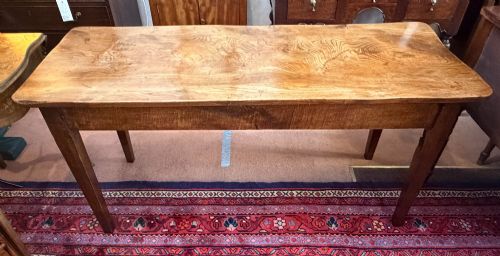
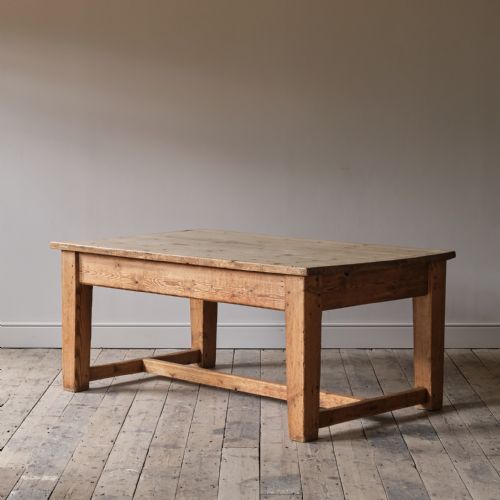
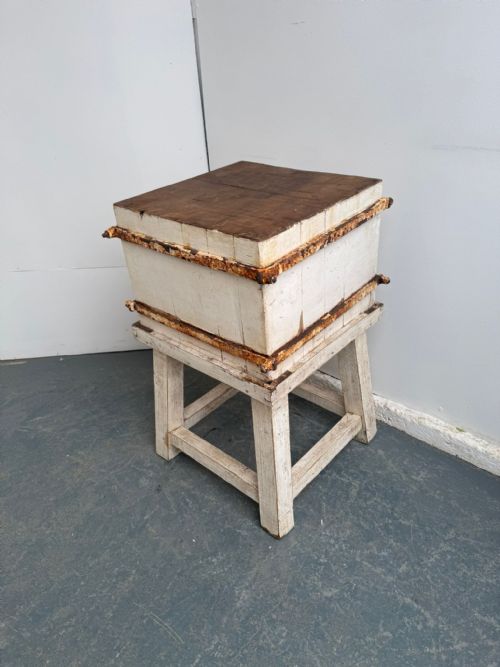
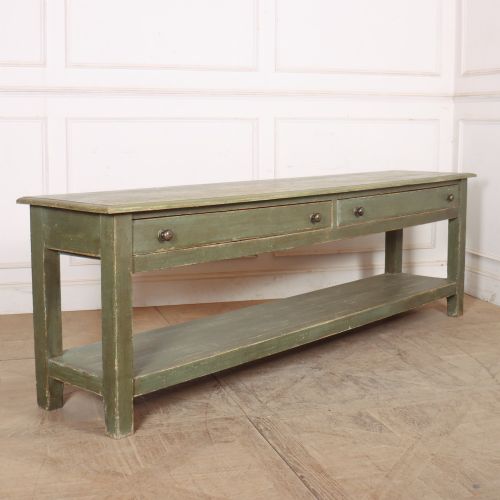
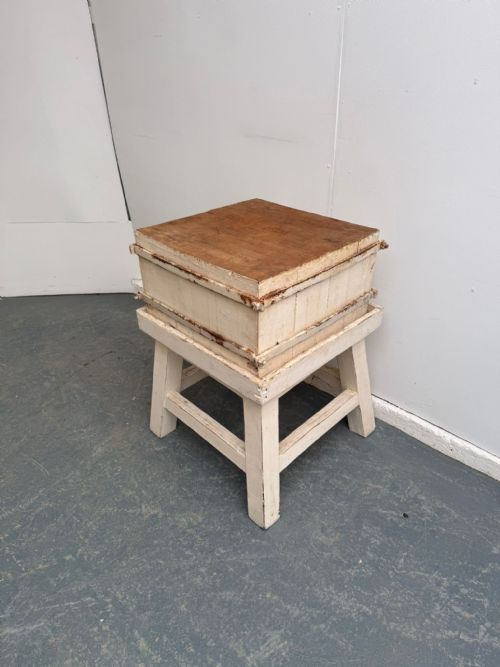
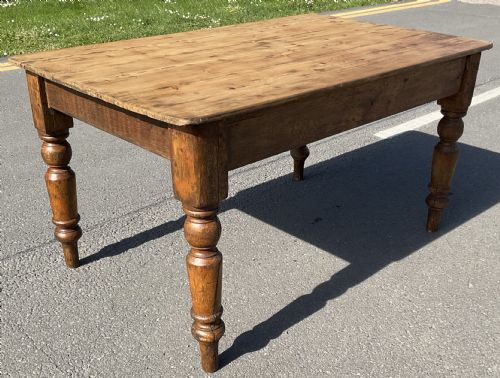
When you search for a rustic timber prep table, you encounter working surfaces designed for domestic utility in kitchens, sculleries, and dairies. These pieces span the nineteenth century and early twentieth century, taking the form of scrubbed kitchen tables, butchers blocks, serving tables, and consoles.
You meet a variety of regional interpretations on this page, originating from English, French, Welsh, Irish, Scandinavian, and Italian workshops. The common thread is a utilitarian build meant for food preparation, washing, and service rather than formal dining.
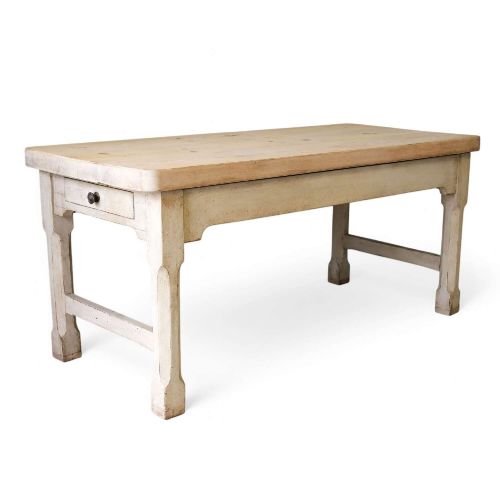
Pine dominates the selection, frequently paired with harder timbers like sycamore, elm, beech, fruitwood, and oak for tops. Painted finishes, scrubbed tops, and occasional potboards or drawers define the physical character of the tables gathered here.
Materials and construction methods
Carpenters constructed these tables using solid domestic hardwoods and softwoods selected for functional endurance. Pine provides the primary body or base structure, whilst durable timbers like sycamore, elm, and beech form tops able to withstand heavy chopping and scrubbing.
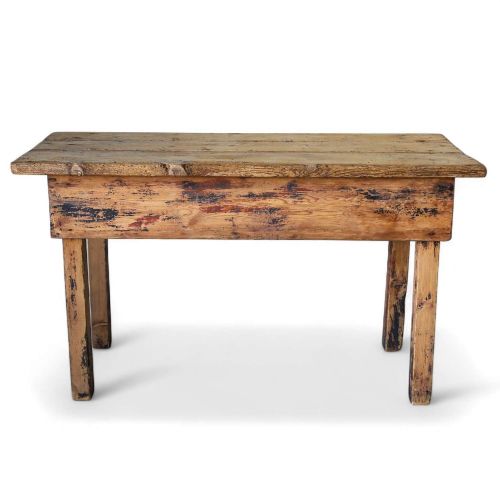
Joinery focuses on sturdiness rather than ornate display, utilising pegged joints, square section supports, and trestle frames. Surfaces often show the direct marks of historical use, from knife cuts to layers of traditional Falu paint or later decorative pigments.
Listings feature nineteen-century pine, oak, elm, and beech alongside painted finishes from England, France, Sweden, and Italy.
Assessing quality in prep furniture
Quality rests upon the integrity of the original construction and the balance of proportions. Tables featuring heavier timbers and robust leg supports command greater attention for their stability.
The character of the top surface determines much of the appeal, with deep scrubbing from generations of cleaning contrasting against surviving traces of original paint. The presence of functional drawers or pot-shelves adds structural complexity that elevates the piece.
Trussant & Cie
The Rustic Timber Prep Table Glossary
- Scrubbed pine
- Timber cleaned repeatedly with water and a stiff brush over decades, leaving a pale, textured surface. This process raises the grain and removes softer summer growth.
- Potboard
- A lower slatted shelf fitted between the legs of a serving or prep table. It historically held pots, pans, and heavy kitchen crocks.
- Butchers block
- A thick-topped cutting surface made from end-grain blocks of dense wood. It absorbs heavy impact from cleavers and chopping knives.
- Falu paint
- A traditional deep red or earth-pigment paint originating in Sweden. It preserves exterior and interior timber through its high copper content.
- Trestle table
- A board resting on two or more upright supports connected by a horizontal stretcher. This design maximises legroom beneath the working surface.
Rustic Timber Prep Table: Frequently Asked Questions
What is a rustic timber prep table used for?
These tables served as functional work surfaces for preparing food, chopping meat, and managing daily domestic chores in historic kitchens and dairies. Their robust construction handled heavy workloads before fitted cabinetry became standard.
Today, buyers place them in modern kitchens as islands, sideboards, or main dining surfaces where utility and historical character are desired.
How do I clean a scrubbed pine top?
Scrubbed timber surfaces respond best to warm water, mild soap, and a stiff natural-bristle brush moving along the grain. Avoid harsh chemical cleaners that strip the aged patina.
Allow the wood to dry naturally after washing to prevent warping. Occasional light sanding can remove stubborn stains without ruining the historic texture.
Are these tables suitable for everyday dining?
Many of these pieces function well as kitchen or dining tables, offering stable surfaces and ample legroom. Their varied heights and dimensions reflect their original working purposes.
Checking the clearance beneath the apron ensures standard chairs fit comfortably underneath for daily meals.
How do I distinguish regional styles?
Regional origins reveal themselves through timber choice and paint application. French pieces frequently utilise fruitwood, elm, or cherry, whilst Welsh and Irish examples lean heavily on local pine.
Scandinavian tables often display specific regional pigments like Falu paint, and Italian variants favor painted console designs.