


Rustic Terracotta Urn
These rustic terracotta urn pieces bring earthy Mediterranean character and time-worn texture to gardens and interiors alike.
Rustic Terracotta Urn
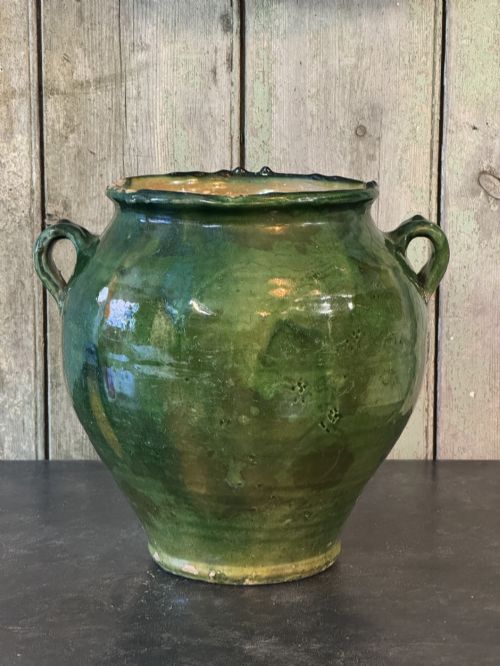
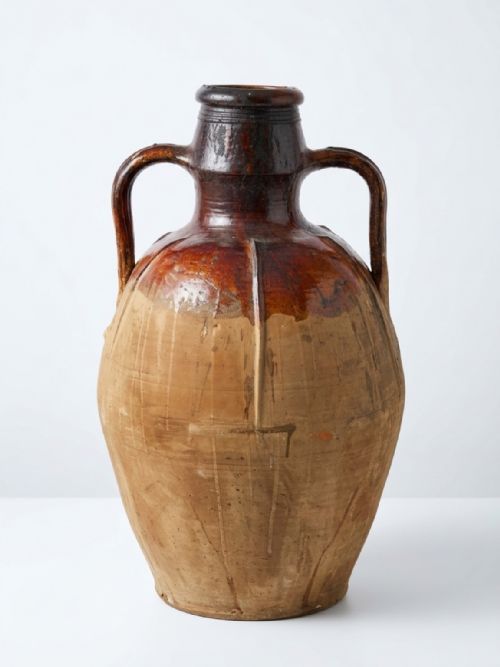
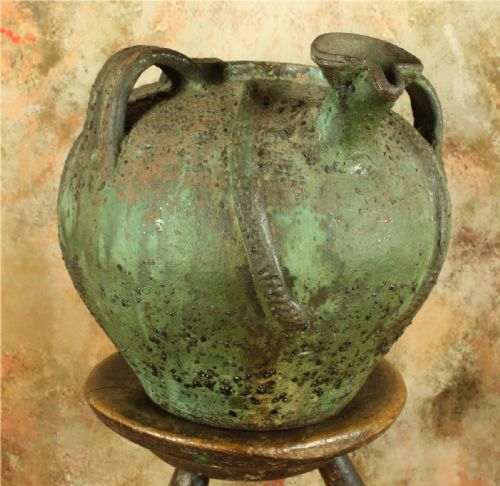
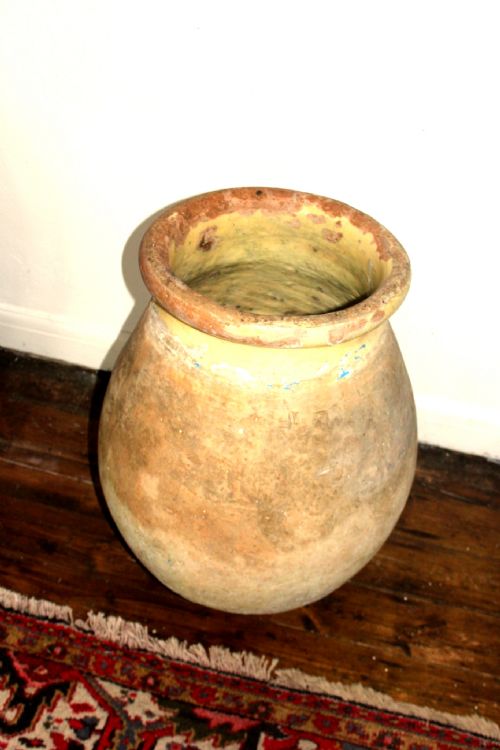
A rustic terracotta urn search reveals substantial storage vessels, oil jars, confit pots and garden planters originating from French, Italian, Turkish and Portuguese traditions. The most common forms on this page are large olive jars and confit pots dating from the eighteenth and nineteenth centuries.
Makers shaped these earthenware vessels for practical rural use in agriculture, storing olive oil, wine, walnuts and water before they transitioned into decorative garden ornaments. The collection ranges from unglazed earthenware with lime wash and aged patina to pieces featuring green glaze or salt glaze.
Regional styles span French Country, Rustic Mediterranean and Victorian Rustic aesthetics, showing how utilitarian agricultural containers became sought-after decorative objects. Buyers encounter everything from tall garden planters to monumental amphorae and multi-handled vessels.
Materials and construction methods
Potters built these vessels using regional clay and terracotta, shaping them by hand or on wheels into robust forms capable of holding liquids and withstanding agricultural demands. Many examples incorporate partial or full glazes in green and salt glaze finishes to seal the porous earthenware.
Surface treatments such as lime wash, naturalistic faux bois details, and painted finishes developed through decades of exposure to the elements and daily use. Iron elements like wrought iron appear occasionally on stands supporting the larger jars.
Rustic Terracotta Urn Retail Price Guide 2026
Typical asking prices for rustic terracotta urn among the pieces listed under this phrase on Sellingantiques today, from the lower quarter to the upper quarter. They describe what is for sale here now, not the wider market.
One set comprises twenty-five French confit pots, offering enough storage for a very dedicated army of preserve makers.
Distinctions in quality and character
Quality rests in the integrity of the clay body, the depth of the historical patina and the balance of the vessel's proportions. Superior examples show organic wear and weathering that reflect genuine agricultural history rather than artificial ageing.
The presence of original glazes, maker marks or unusual handles distinguishes exceptional specimens from standard utility pieces. Balance between the scale of the jar and the stability of the terracotta determines the piece's suitability for display.
The Rustic Terracotta Urn Glossary
- Terracotta
- Fired clay used extensively for utilitarian vessels and garden ornaments across the Mediterranean. Its porous nature absorbs moisture and develops distinctive mineral patinas over time.
- Confit pot
- A traditional French earthenware jar featuring single or double handles, historically utilised for preserving meats and provisions. Most examples display characteristic lead or green glaze on the upper portion.
- Amphora
- A two-handled ancient vessel shape with a narrow neck, utilised for transporting and storing wine, oil and grain. Later iterations maintain the classical silhouette for decorative garden use.
- Faux bois
- Imitation of wood executed in ceramic or stone, mimicking natural branches and bark. This technique appears on nineteenth-century planters to create organic garden ornaments.
- Lime wash
- A traditional coating made from slaked lime applied to exterior masonry and pottery surfaces. It weathers gradually, contributing to the chalky patina found on Mediterranean jars.
Rustic Terracotta Urn: Frequently Asked Questions
How were these urns originally used?
These large earthenware vessels served practical roles in rural Mediterranean and French agriculture, primarily storing olive oil, wine, walnuts and grain. Many pots also functioned as confit containers for preserving food before modern refrigeration.
Over decades of use, these utility items absorbed oils and moisture, developing the characteristic surface patinas that collectors prize today.
Can these pots stay outdoors in winter?
Terracotta is inherently porous and can crack if water trapped inside freezes and expands during harsh winter frosts. Placing these vessels on pot feet and ensuring adequate drainage helps mitigate moisture retention.
Many owners prefer moving larger jars into sheltered glasshouses or indoors during sub-zero temperatures to preserve the historic clay body.
How do I clean an old terracotta pot?
Gentle brushing with a soft bristle brush and warm water removes surface dust and accumulated soil without damaging the fragile aged patina. Avoid harsh chemical detergents and pressure washers, which strip away historical lime wash and weathered surfaces.
Allow the earthenware to dry naturally after cleaning to prevent trapping moisture inside the porous clay walls.
How do I identify a confit pot?
Confit pots typically feature a glazed upper section and interior, designed to contain fats and preserved foods, contrasting with unglazed lower bodies. They usually include one or two small loop handles positioned near the shoulder of the pot.
French provincial examples from the nineteenth century often display green lead glazes over heavy earthenware bodies.