




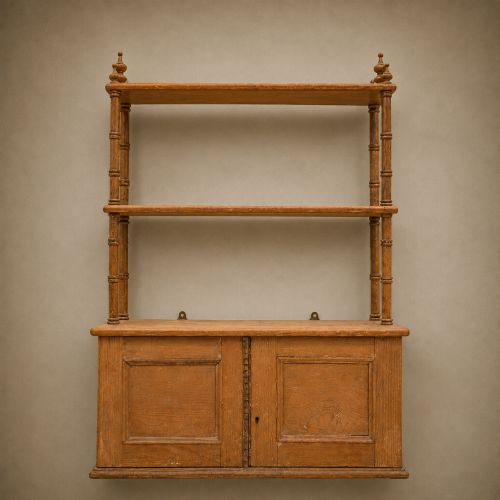
Rustic Pine Kitchen Cabinet
A rustic pine kitchen cabinet brings honest utility and warmth to a room, offering generous storage through hardworking cupboards, dressers, and larders.
Rustic Pine Kitchen Cabinet
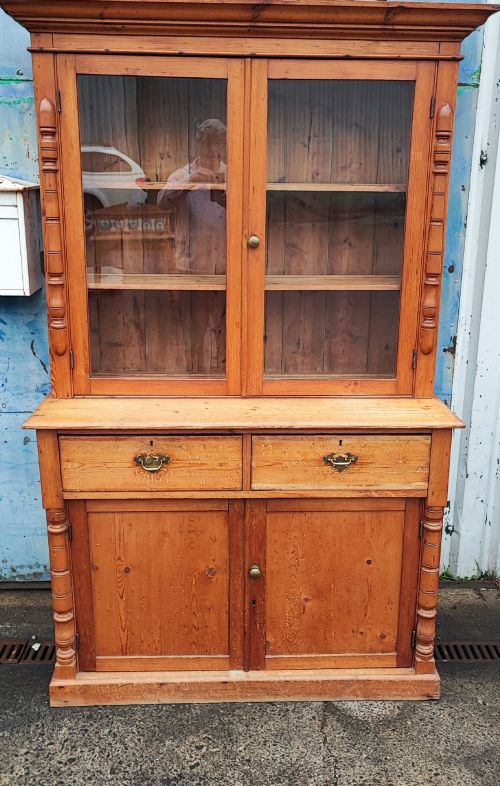
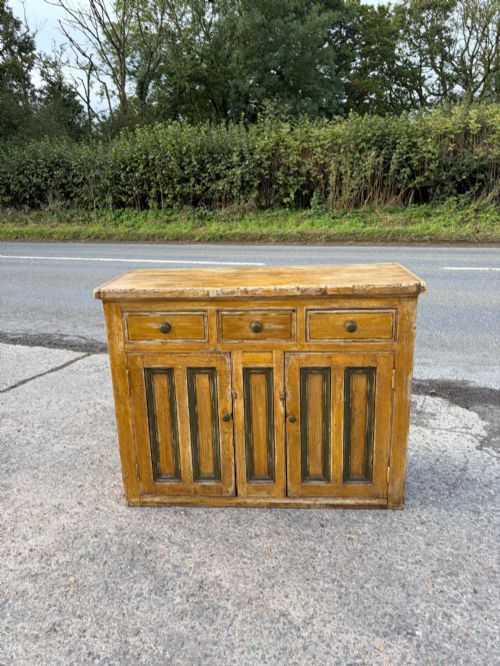
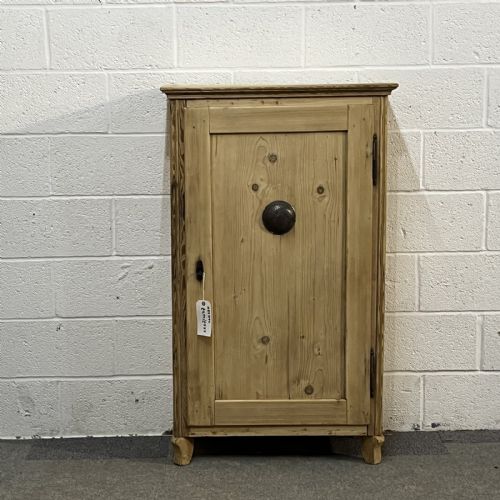
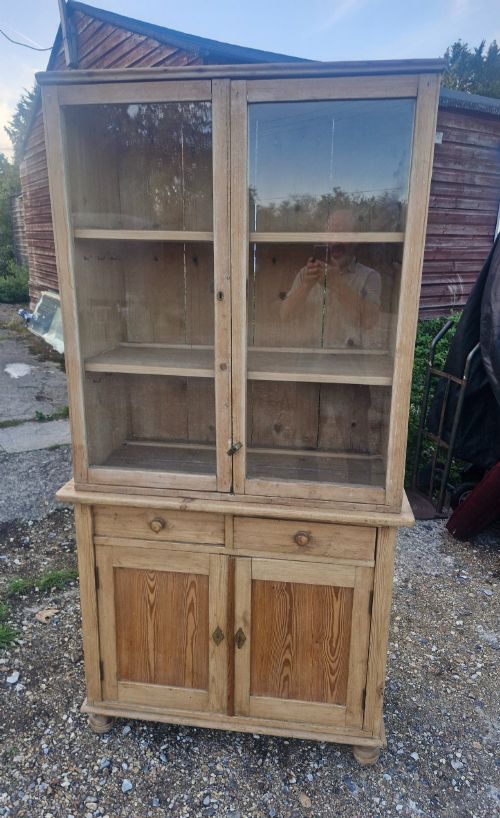
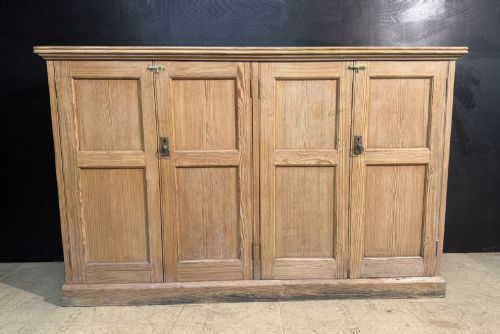
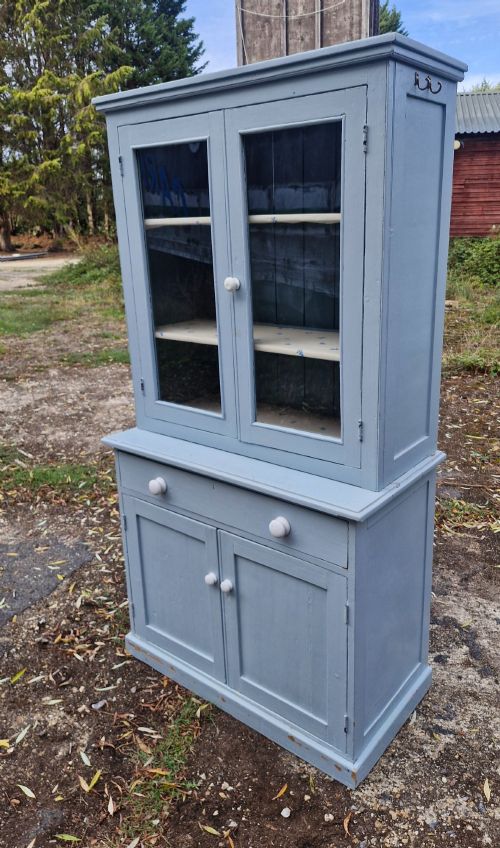
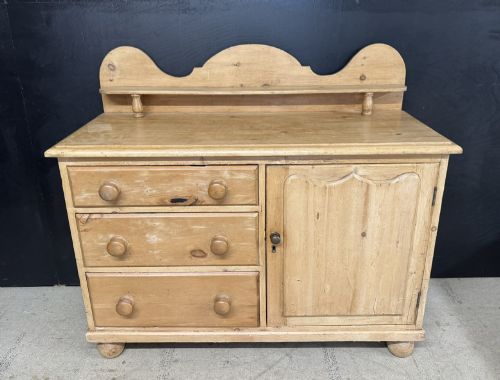
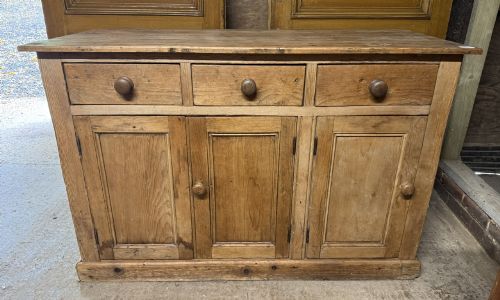
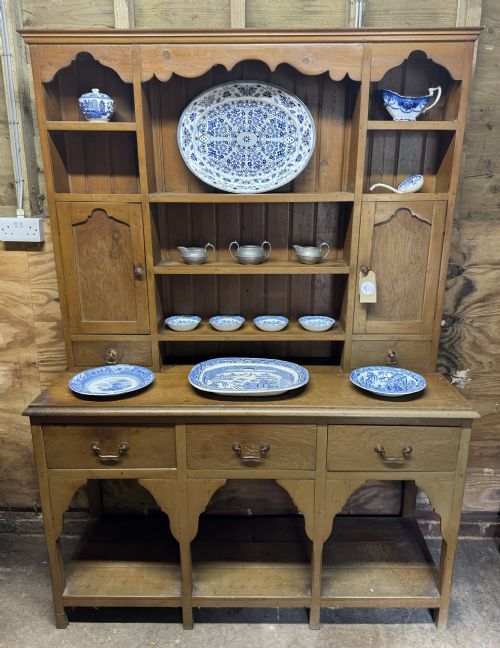
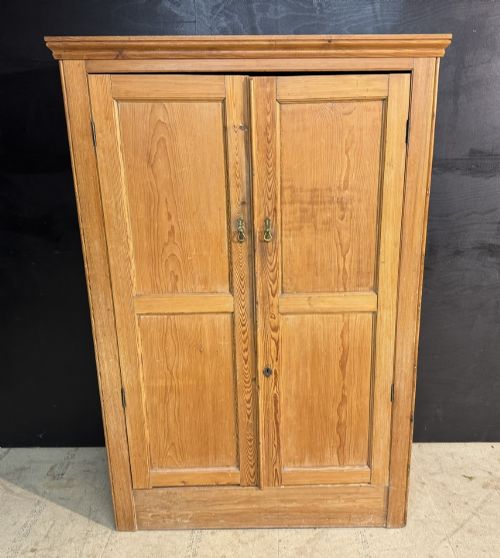
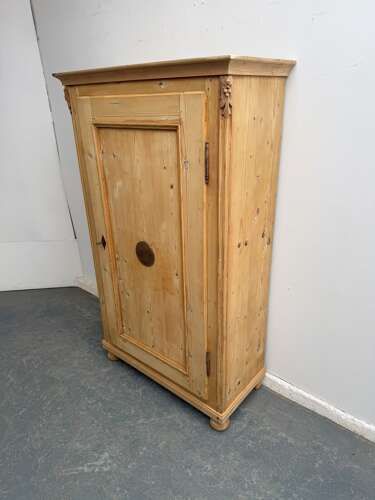
A rustic pine kitchen cabinet encompasses hardworking utility forms such as kitchen dressers, larder cupboards, sideboard bases, and wall shelves designed for daily domestic use. These utilitarian pieces emerge from diverse regional traditions, spanning English, Welsh, French, Irish, Danish, Hungarian, and Scandinavian country workshops.
The pieces on this page are predominantly encountered in nineteenth-century and Victorian iterations, alongside select Georgian examples and early twentieth-century pieces up to nineteen-ten. Buyers typically meet either open-topped dressers with plate racks or enclosed storage cabinets featuring single or double doors and drawer arrangements.
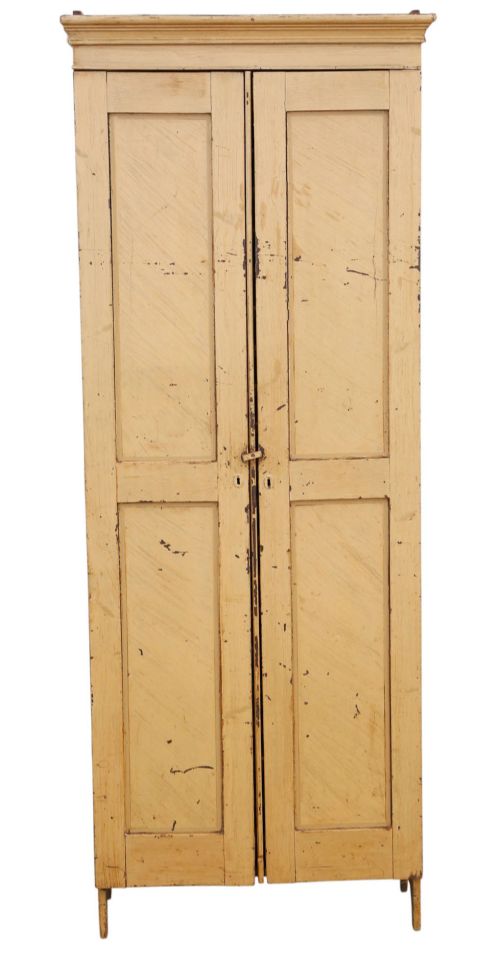
Regional variations shape the character of these items, from tall narrow housekeeper's cupboards and shallow vented cabinets to wide dresser bases and French confiturier jam cupboards. Each form reflects the specific domestic storage needs of its originating rural kitchen, workspace, or shop interior.
Materials and Construction
Construction relies fundamentally on solid pine timbers, selected for structural utility and worked with traditional joinery techniques suited to provincial furniture making. Surfaces frequently display historic applied treatments including organic wax finishes, layered paint schemes, and the rich accumulation of original patina.
Hardware elements incorporate utilitarian brass and iron components, such as hinges, handles, and latches that secure doors and drawers during heavy everyday kitchen service. Glazed panels appear in upper display sections, utilising glass fitted alongside timber framing to protect stored crockery and provisions.
Rustic Pine Kitchen Cabinet Retail Price Guide 2026
Typical asking prices for rustic pine kitchen cabinet among the pieces listed under this phrase on Sellingantiques today, from the lower quarter to the upper quarter. They describe what is for sale here now, not the wider market.
Listings feature pine alongside brass, iron, paint, and glass across Victorian, Georgian, and early twentieth-century periods.
Judging Quality
Quality rests primarily in the integrity of the original timber and the survival of authentic surface finishes, such as untouched historic paint or early wax. Pieces retaining their original configuration, backboards, and hardware demonstrate superior historical value compared to items subjected to extensive alterations or replacement parts.
Proportion and scale also separate standard utility items from finer vernacular examples, with well-balanced dimensions, clean drawer construction, and honest signs of period wear defining the upper tier of provincial cabinetmaking.
The Rustic Pine Kitchen Cabinet Glossary
- Dresser base
- The lower section of a kitchen dresser, typically comprising a combination of drawers above enclosed cupboards without the upper plate rack.
- Confiturier
- A small French cupboard traditionally utilised for the storage of confit and preserves in provincial kitchens.
- Patina
- The surface sheen and colour developed over decades of handling, cleaning, and exposure to light in a domestic environment.
- Vented cupboard
- A specialised storage cabinet featuring pierced or louvered panels designed to circulate air for food preservation.
- Housekeeper's cupboard
- A large tall storage piece historically used for linen, dry goods, and domestic provisions in country houses.
Rustic Pine Kitchen Cabinet: Frequently Asked Questions
What is a rustic pine kitchen cabinet?
A rustic pine kitchen cabinet is a utilitarian storage piece built from softwood timber for use in domestic food preparation and provisioning spaces. These items include dressers, larders, and sideboard bases.
They reflect regional country craftsmanship from Britain, France, Scandinavia, and central Europe, utilising honest joinery and practical storage layouts.
How were these cabinets originally used?
These cabinets served as the central storage hubs for rural households, holding everyday tableware, dry foodstuffs, and baking supplies. Upper shelves displayed ceramics while lower cupboards concealed heavy pots and provisions.
Specialised variants like vented cupboards protected perishable foods from pests while maintaining airflow in farmhouses before mechanical refrigeration.
How do I care for waxed pine furniture?
Waxed pine requires gentle maintenance using natural beeswax feeds to nourish the timber and protect the surface from drying out. Avoid placing these pieces near direct heat sources or in damp environments.
Clean surfaces regularly with a soft, dry cloth rather than wet chemical sprays to preserve the historical finish and patina.
How can I tell a Georgian piece from a Victorian one?
Georgian pine furniture generally exhibits earlier construction traits, such as hand-cut dovetails, thinner backboards, and simpler, heavier proportions. Timber selection often shows tighter grain patterns typical of older growth forests.
Victorian examples frequently incorporate machine-sawn elements, standardised hardware, and wider stylistic variations influenced by regional vernacular revivals.
Are painted finishes on these cabinets original?
Original painted surfaces show uniform wear, appropriate crackleur, and layers corresponding to the age of the pine timber underneath. Historic paint often reveals earlier underlying shades when examined closely in hidden joints.
Later decorative painting is common, applied during the twentieth century to suit domestic interior trends of the period.