


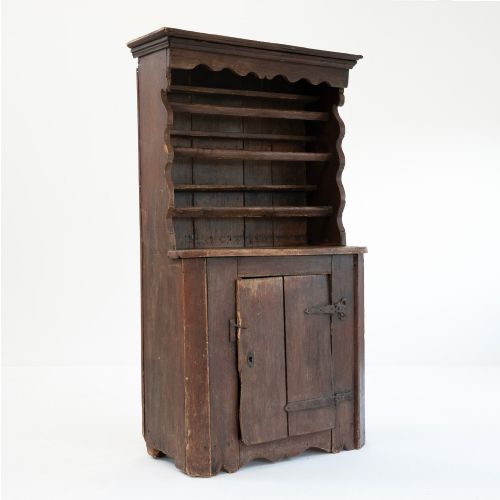
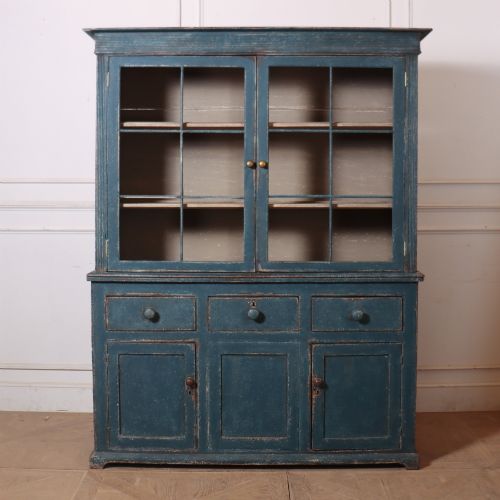


Georgian Painted Pine Hutch
A georgian painted pine hutch offers robust domestic utility and time-worn character, bringing authentic provincial charm to contemporary country interiors.
Georgian Painted Pine Hutch
When you search for a georgian painted pine hutch, you encounter sturdy provincial furniture designed for everyday storage and display in rural homes. These pieces comprise regional vernacular forms that prioritise functional storage through drawer and cupboard arrangements.
The selections on this page are dominated by regional British and Irish vernacular dressers and related vernacular seating forms rather than formal urban cabinetry. You will frequently find West Country, Welsh, and Irish country furniture fashioned from softwoods and finished with historic surface treatments.
Forms range from large kitchen dressers with open plate racks to smaller regional cupboards and multi-functional chair tables. Each piece reflects the specific domestic requirements of the provincial households that originally commissioned them.
Materials and Construction
Construction relies primarily on native pine, chosen for its accessibility and workability by regional vernacular makers. Carpenters utilised robust joining techniques suited to domestic service, often incorporating wrought iron hardware, brass accents, and occasional wire mesh or glass elements.
Surface finishes are integral to the identity of these objects, featuring layered historical paint applications that have weathered through decades of domestic use. The interaction between soft pine timbers and accumulated coats of paint creates the tactile surfaces characteristic of rural country furniture.
Georgian Painted Pine Hutch Retail Price Guide 2026
Typical asking prices for georgian painted pine hutch among the pieces listed under this phrase on Sellingantiques today, from the lower quarter to the upper quarter. They describe what is for sale here now, not the wider market.
One extraordinary multi-functional survivor combines a comfortable armchair with a hinged tabletop, perfect for impromptu farmhouse paperwork.
Factors of Quality
Quality in these vernacular pieces rests upon the integrity of the original proportions and the survival of early or untouched painted surfaces. Better examples retain their original structural timber without excessive timber replacement, preserving the honest character of regional construction.
The distinction between ordinary utility and superior quality often lies in the balance of the base cabinetry and the retention of regional architectural quirks, such as distinctive cornice mouldings or original hardware.
The Georgian Painted Pine Hutch Glossary
- Vernacular
- Furniture made by local tradesmen for everyday use rather than following strict high-style architectural designs. These pieces often display regional characteristics peculiar to a specific county or country.
- Breakfront
- A cabinet or dresser where the central section projects forward from the flanking sections. This configuration adds depth and visual complexity to the elevation of larger pieces.
- Plate Rack
- The upper open shelving section of a dresser designed to display ceramic tableware upright against a panelled back. It forms an essential component of traditional kitchen dressers.
Georgian Painted Pine Hutch: Frequently Asked Questions
What distinguishes a regional dresser?
Regional dressers display construction methods and design traits specific to the area where they were built, such as West Country or Welsh workshops. Local cabinet makers adapted standard forms to suit local domestic habits and available timber.
This geographic variation gives each piece a distinct identity separate from standardised urban furniture production of the same period.
How should I care for painted pine?
Painted pine surfaces require gentle maintenance to preserve historical paint layers and soft timber substrates. Avoid excessive moisture and direct sunlight, using dry dusting cloths rather than harsh chemical cleaning agents.
Stable indoor humidity prevents the pine from splitting and protects the integrity of early surface coatings.
How do I date these pieces?
Dating relies on assessing construction marks, timber shrinkage, hardware styles, and the layering of historic paint. Eighteenth-century pieces typically feature hand-cut joinery and earlier fastener types compared to later nineteenth-century examples.
Wear patterns around frequently handled areas also provide physical evidence of age and continuous domestic service.
Can I use a dresser in a modern kitchen?
These pieces integrate naturally into modern kitchen spaces by providing practical open storage and display surfaces. Their neutral painted finishes and timber textures complement contemporary interior palettes while introducing historic warmth.
They serve the same functional purpose today as they did centuries ago, holding crockery and everyday provisions.