

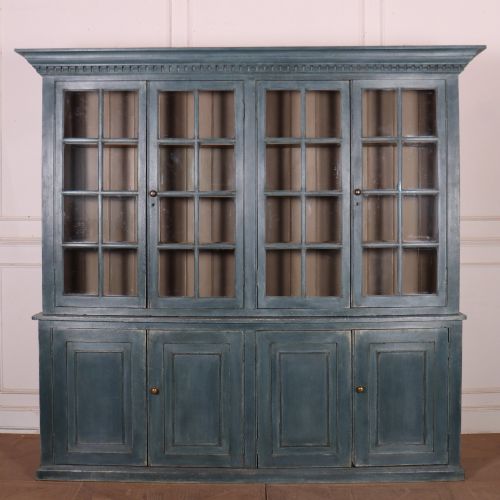
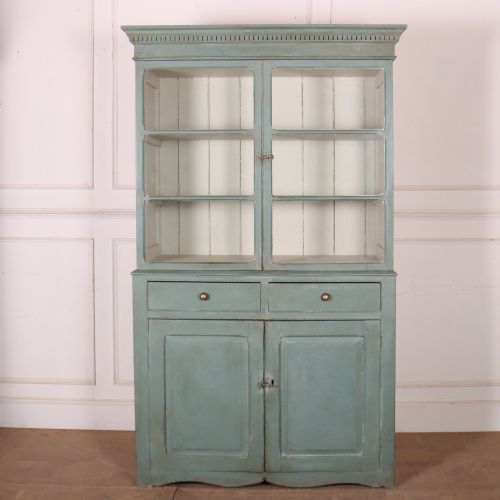

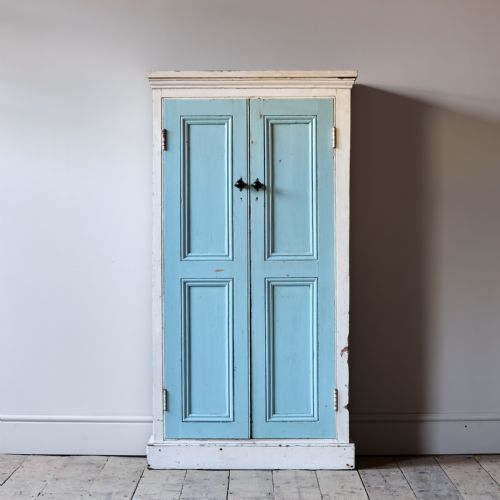
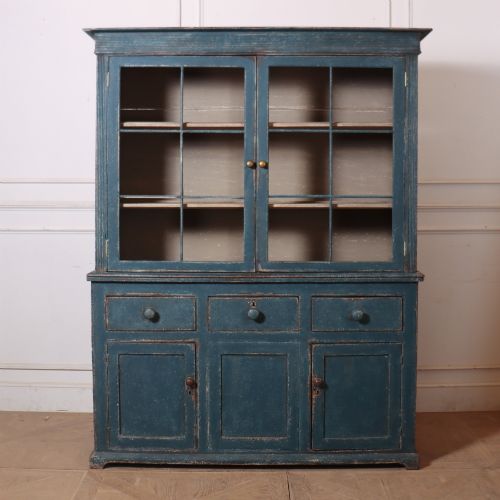
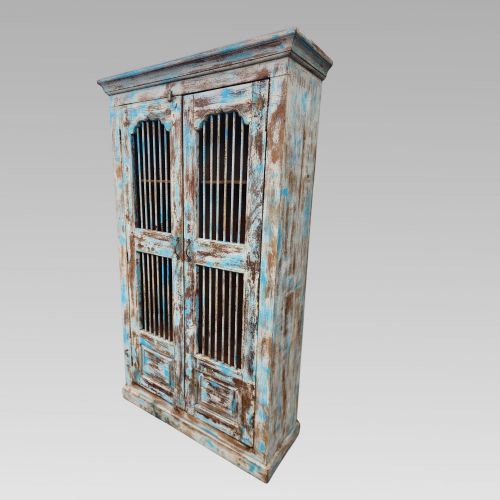
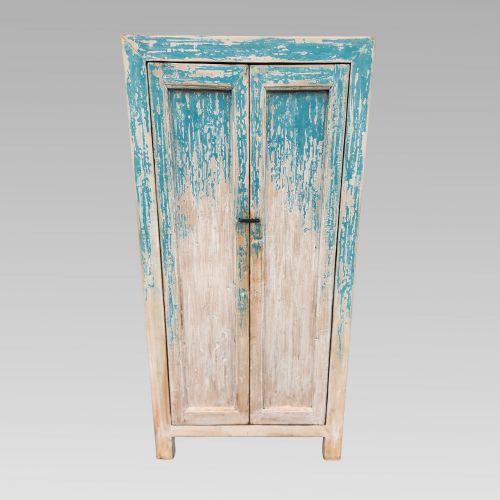
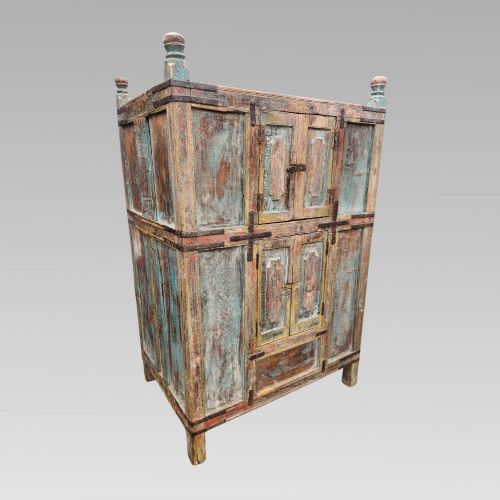

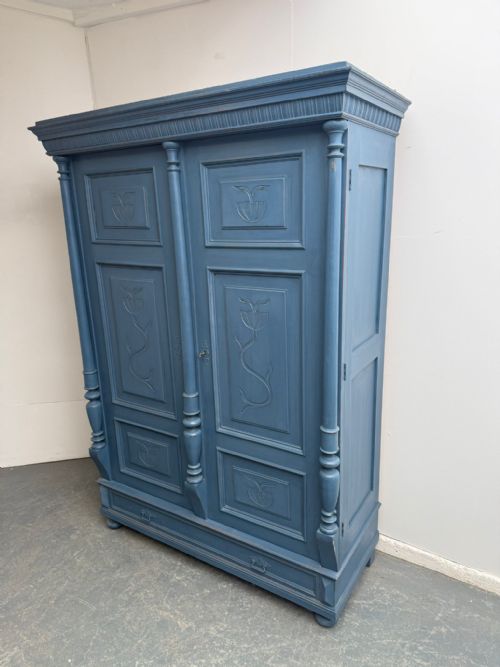


Blue Painted Storage Cupboard
A blue painted storage cupboard brings practical utility and regional character into a room, offering robust shelved storage disguised in historic colour.
Blue Painted Storage Cupboard
A blue painted storage cupboard functions as a versatile household cabinet designed for linens, kitchenware, or general provisions. These pieces span utility forms such as housekeepers' cupboards, tall wardrobes, kitchen dressers, and wall-mounted cabinets.
The selection ranges widely in geographic origin and period design. Buyers encounter eighteenth-century Swedish double-door linen cupboards, nineteenth-century Scandinavian country pieces, Victorian examples, and early twentieth-century rustic pine storage units.
Regional traditions heavily shape the offerings on this page. Pieces originate from British workshops in the West Country and Scotland alongside continental traditions including Gustavian, Hungarian, and Baltic cabinet-making.
How they were made
Construction relies predominantly on solid pine and other regional woods such as teak, cedar, and general timber. Joinery methods suit utilitarian furniture intended for daily domestic use in rural farmhouses and town houses alike.
Surfaces receive traditional decorative treatments including layered paint finishes, scraped paintwork, ragwork patterns, and hand-painted details. Hardware components incorporate functional iron and brass hinges, latches, and pulls.
Blue Painted Storage Cupboard Retail Price Guide 2026
Typical asking prices for blue painted storage cupboard among the pieces listed under this phrase on Sellingantiques today, from the lower quarter to the upper quarter. They describe what is for sale here now, not the wider market.
Listings feature eighteenth and nineteenth-century periods alongside early twentieth-century examples, constructed primarily from pine with painted finishes.
What varies in quality
Quality rests significantly upon the originality and preservation of the surface finish. Pieces retaining scraped original paint or authentic folk art decoration command greater interest than later repainted surfaces.
Structural integrity and regional detailing separate standard utility pieces from finer examples. Finer items exhibit balanced proportions, refined cornices, and intact period hardware like brass or iron fixtures.
The Blue Painted Storage Cupboard Glossary
- Linen press
- A tall cabinet specifically designed for storing folded textiles and linens, typically featuring upper shelving or sliding trays enclosed by doors.
- Gustavian
- The Swedish interpretation of neoclassical style, characterised by restrained symmetry, fluted columns, and pale painted surfaces.
- Ragwork
- A decorative paint technique where rags or cloths are used to manipulate wet glaze or paint, creating a textured, mottled pattern on the timber.
- Housekeepers cupboard
- A large utilitarian storage piece traditionally used in country houses for provisions, tableware, and household goods.
- Almirah
- A freestanding cupboard or wardrobe originating from the Indian subcontinent, often constructed from regional hardwoods with painted finishes.
Blue Painted Storage Cupboard: Frequently Asked Questions
How do I use a storage cupboard at home?
These cabinets provide deep interior shelving well suited for stacking dinnerware, pantry items, or folded linens in a kitchen, hallway, or bedroom.
Their substantial presence allows them to function as a striking focal point while keeping everyday household clutter entirely concealed behind closed doors.
Where were these painted cupboards made?
The pieces originate from diverse European and global workshops, with a strong representation of Scandinavian, Swedish, and British regional cabinet-making.
Continental examples often showcase distinct folk art traditions, while British pieces reflect local country house and farmhouse joinery methods.
What wood is underneath the paint?
Pine serves as the primary timber for the vast majority of these European and British country cupboards.
Certain global variations, particularly Indian pieces from the early twentieth century, utilise denser regional hardwoods such as teak and cedar.
How do I identify older paint finishes?
Original finishes often display natural wear, subtle crazing, and multiple underlying layers visible where the top coat has thinned over decades of use.
Scraped paint surfaces reveal the historic application method and confirm that the exterior colour has not been applied in modern times.