
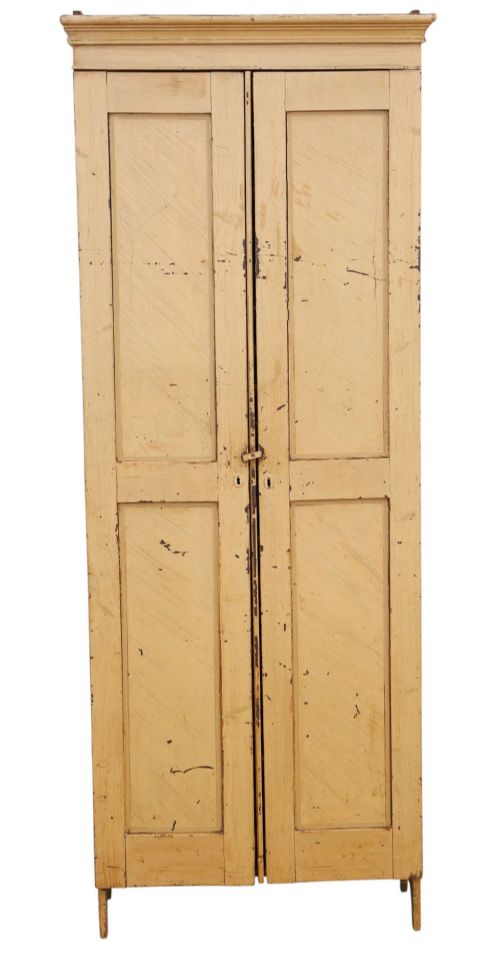
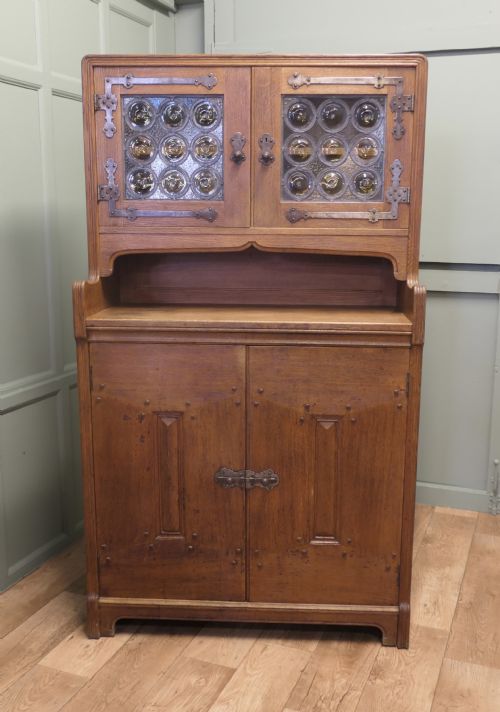
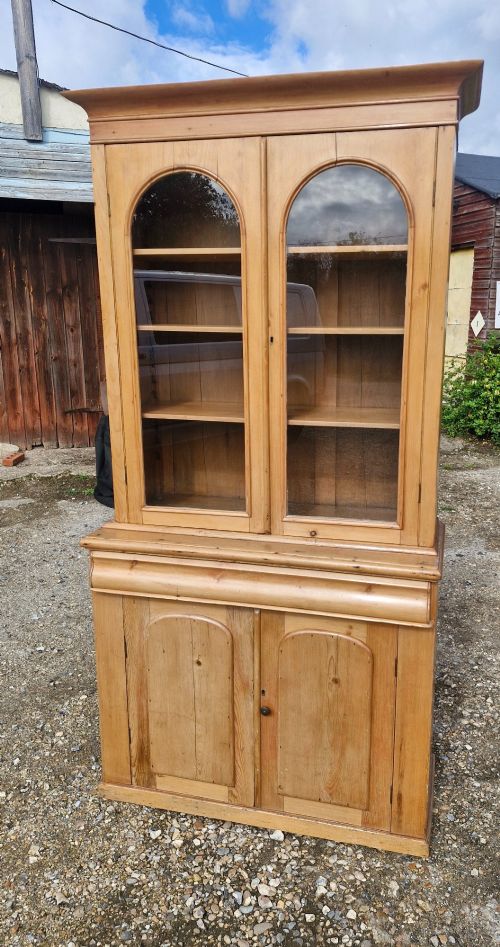
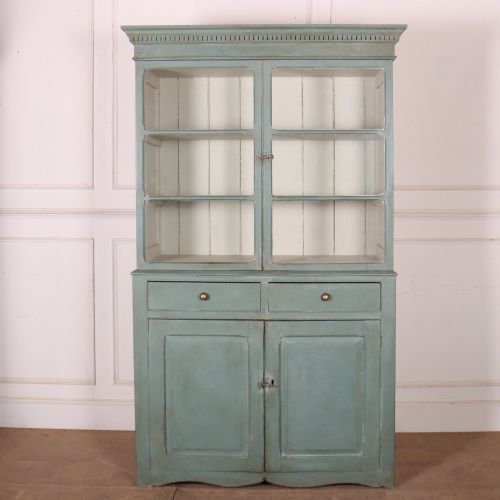

Antique Kitchen Cabinet
An antique kitchen cabinet brings centuries of practical utility and honest craftsmanship straight into the modern home.
Antique Kitchen Cabinet
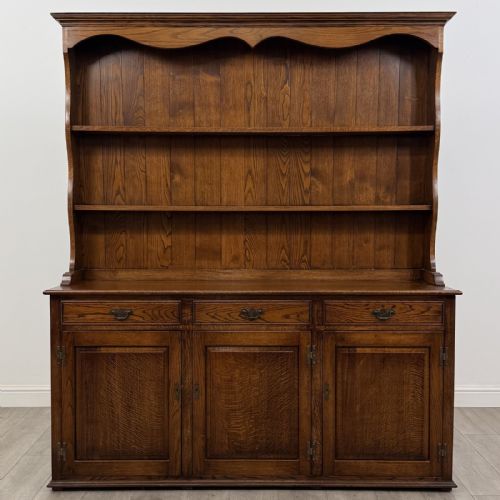
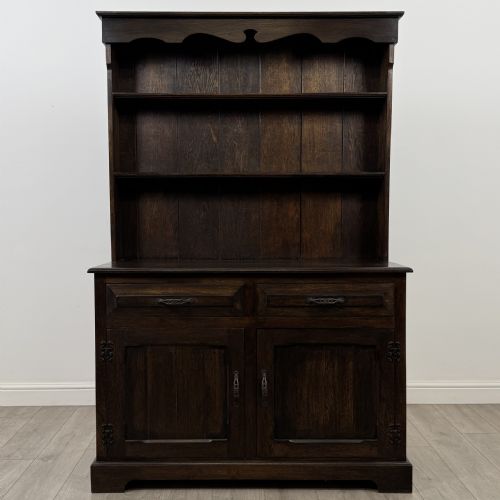
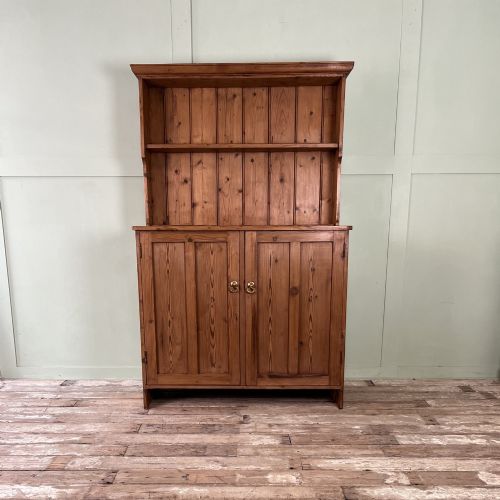
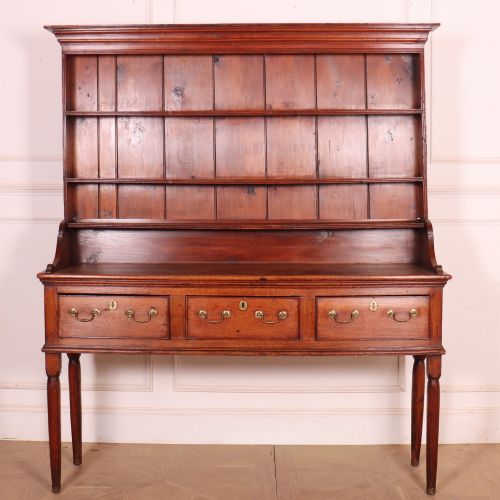
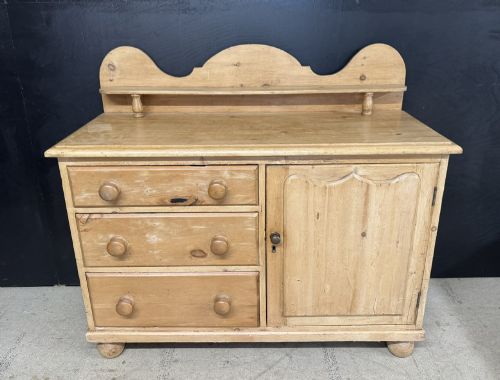
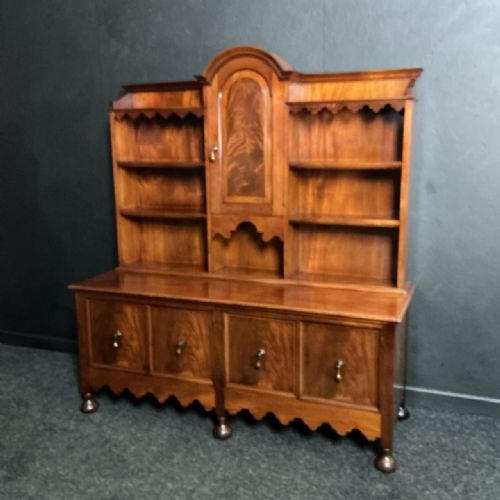
An antique kitchen cabinet encompasses a diverse range of utilitarian storage forms, from monumental Welsh dressers to compact spice cupboards and larder units. Buyers pursuing an antique kitchen cabinet most frequently encounter nineteenth-century pine and oak pieces originating from regional British workshops or French provincial settings.
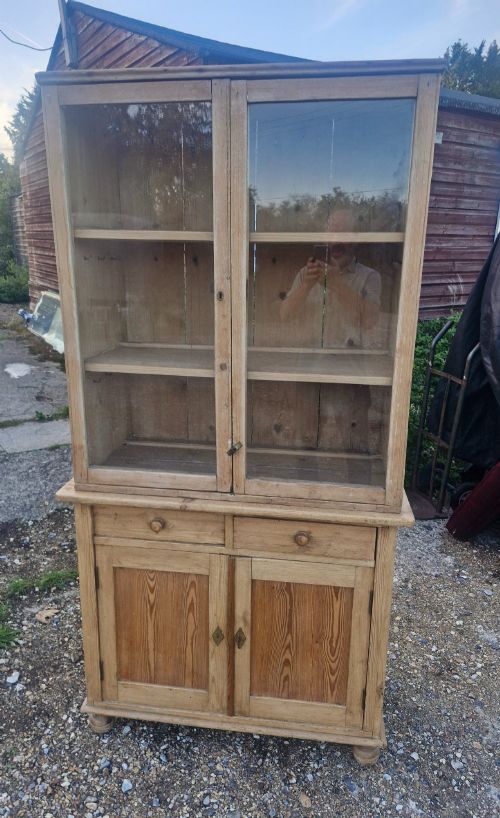
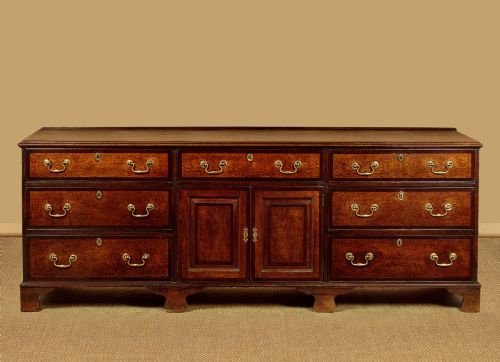
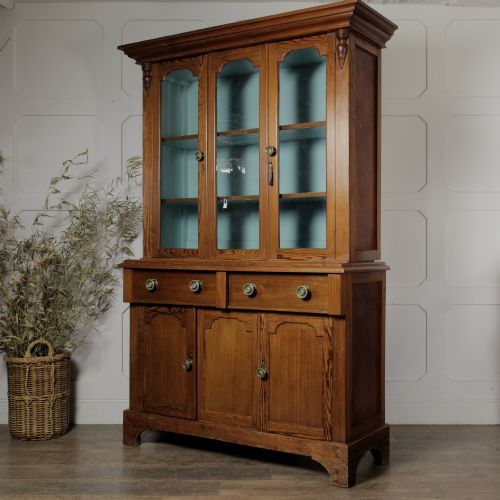
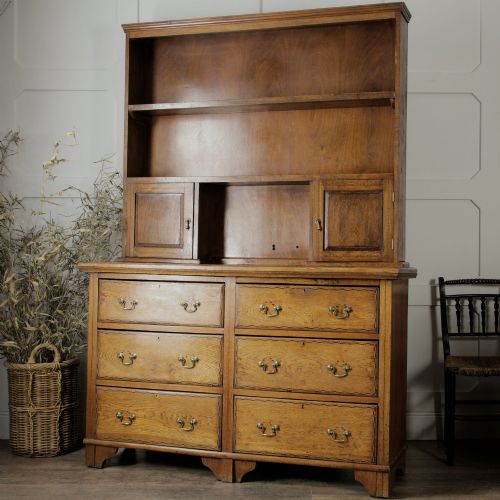
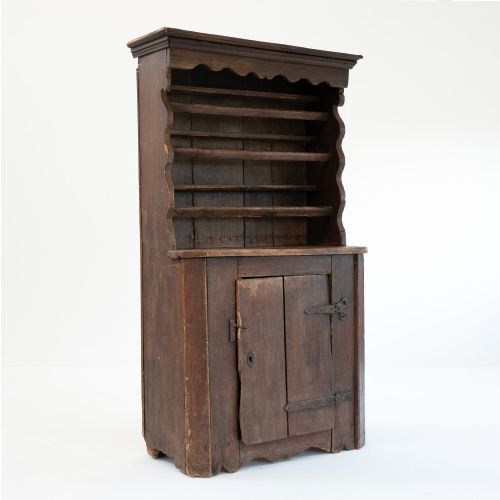
The category spans open-rack display dressers designed to show earthenware plates alongside enclosed glazed bookcases and heavy timber sideboards. These versatile pieces reflect the shifting domestic demands of Georgian, Victorian, and Edwardian households.
How they were made
Makers constructed these sturdy items primarily from domestic timbers such as solid pine, oak, and pitch pine, occasionally incorporating fruit wood or walnut for provincial variations. Joinery relied on traditional techniques like dovetailing for drawers and mortise and tenon framing for doors.
Hardware additions included heavy brass drop handles, iron latches, and clear glass panes for upper display sections. Surfaces frequently retained layers of original paint, wax, or scraped patinas developed through generations of domestic use.
Materials recorded across the archive include brass, iron, glass, and painted finishes alongside pitch pine and mahogany.
What varies in quality
Structural integrity and the retention of original surface finishes largely determine the standing of an individual piece. Items featuring undisturbed timber patinas, intact backboards, and authentic period hardware command greater appreciation among collectors.
Regional execution also plays a defining role, with carefully proportioned vernacular joinery outperforming hasty utilitarian builds. The balance between practical storage capacity and refined decorative mouldings separates standard utility items from exceptional examples.
Liberty
The Antique Kitchen Cabinet Glossary
- Dresser base
- The lower section of a kitchen dresser, usually featuring a configuration of drawers above panelled cupboards without the upper plate rack.
- Glazed cupboard
- A storage unit featuring glass-fronted upper doors designed for displaying crockery while protecting contents from dust.
- Larder cupboard
- A tall, deep storage cabinet traditionally ventilated for keeping food provisions cool before mechanical refrigeration.
- Dog kennel cabinet
- A colloquial term for a central open recess situated beneath the drawers of certain Welsh dresser bases.
- Buffet deux corps
- A substantial two-tier French cabinet featuring a smaller upper cupboard section resting upon a deeper base.
Antique Kitchen Cabinet: Frequently Asked Questions
How do I clean an old pine cabinet?
Maintain timber surfaces by applying a traditional beeswax polish with a soft cloth rather than modern liquid sprays. Avoid harsh detergents that strip the historical patina accumulated over generations.
Keep the cabinet away from direct heat sources and radical humidity shifts to prevent timber splitting or warping.
What is a Welsh dresser?
A Welsh dresser combines a lower storage base of drawers and cupboards with an open upper framework of shelves for displaying plates. These pieces served as the central storage and display hub in traditional country kitchens.
Regional variations appear across England, Wales, and France, utilising local timbers such as oak, elm, or pine.
How do I date a kitchen cabinet?
Examine the construction methods, nail types, and timber characteristics to establish an approximate era. Hand-sawn boards, irregular dovetails, and original painted surfaces point firmly towards eighteenth or nineteenth-century origins.
Hardware styles also provide clues, though handles and hinges were frequently replaced during active domestic use.
Can I use an antique cabinet for food storage?
Historic cupboards make excellent pantries or crockery stores when properly aired and cleaned. Larder units often feature original ventilation panels designed specifically for keeping dry goods.
Ensure interior shelves are lined appropriately if storing open foodstuffs to protect both the antique timber and your provisions.