


Traditional House Larder Cupboard
These traditional house larder cupboard designs offer robust utilitarian storage rooted in centuries of rural British domestic life.
Traditional House Larder Cupboard
A traditional house larder cupboard serves as substantial storage furniture originating from country houses and domestic sculleries. These large pieces frequently appear as housekeeper cupboards, kitchen dressers, and storage cabinets.
The evidence shows periods spanning from the eighteenth century through the Georgian, Victorian, and Edwardian eras. Pieces often display regional English and Scottish country influences.
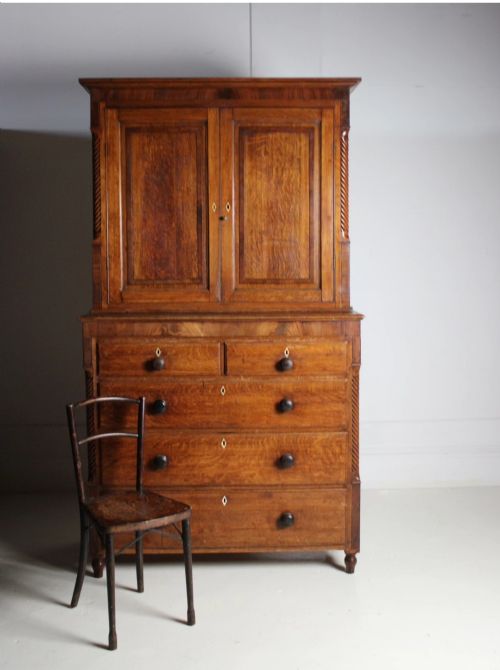
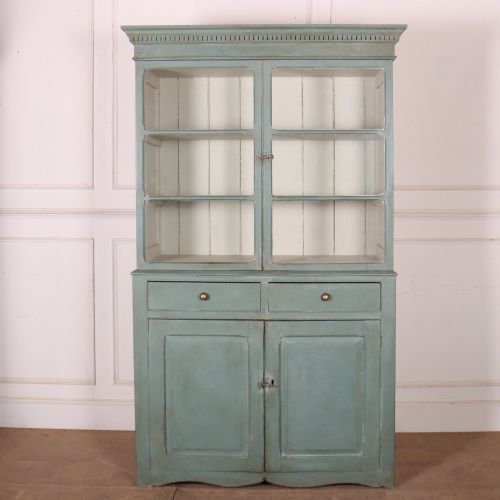
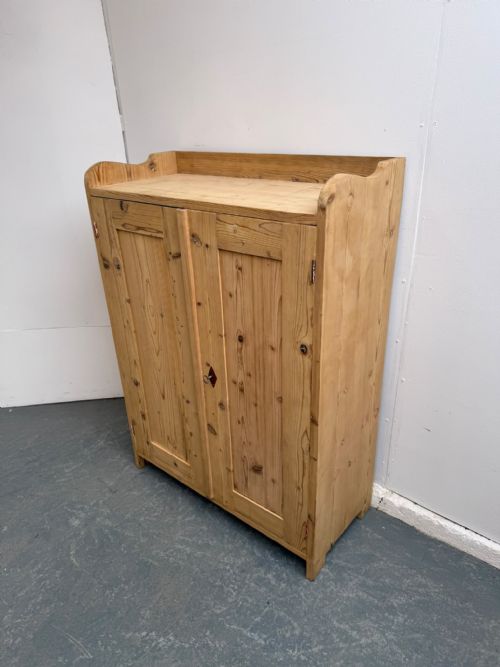
Forms include two-door cupboards, linen cupboards, and glazed kitchen cabinets. Buyers encounter robust oak construction alongside painted pine finishes.
Materials and construction
Carpenters built these utility cupboards using sturdy domestic timbers like oak and pine. Surfaces frequently received a painted finish or layers of wax to protect the wood in busy kitchens.
Hardware details typically include brass fittings and occasionally bone elements. Glazed doors appear on specific cabinet variations to showcase interior shelving.
Many historic housekeeper cupboards still retain faint traces of flour and dried herbs embedded deep within their old pine boards.
Assessing quality in traditional house larder cupboard furniture
Quality rests upon the selection of timber and the integrity of the original construction. Heavy oak examples from the Georgian period demonstrate different structural ambition compared to later Edwardian painted pine pieces.
The presence of untouched painted surfaces or polished brass hardware distinguishes better-preserved examples. Retaining original configuration and functional form elevates the status of these utilitarian items.
The Traditional House Larder Cupboard Glossary
- Housekeeper's cupboard
- A large storage piece traditionally used for linens, dry goods, and household provisions. These tall units provide ample shelving behind sturdy wooden doors.
- Scullery cupboard
- Utility furniture designed for service areas adjacent to the main kitchen. They handled heavy daily use in country houses.
- Pine
- A soft timber frequently utilised for country furniture and painted kitchen cabinets. It takes paint finishes readily and was common in nineteenth-century workshops.
- Georgian
- The stylistic period spanning the eighteenth and early nineteenth centuries. Furniture from this era often utilises solid oak with formal proportions.
Traditional House Larder Cupboard: Frequently Asked Questions
What is a traditional house larder cupboard?
These large pieces are utilitarian storage furniture historically used in country houses and farmhouses to store food, provisions, and household linens. They provide tall shelving enclosed by heavy wooden doors.
They reflect the practical domestic requirements of British country life across several centuries, evolving from early oak examples to later painted pine versions.
How do I date a larder cupboard?
Dating relies on examining the timber, construction methods, and overall style. Georgian and eighteenth-century examples are predominantly solid oak, while Victorian and Edwardian pieces frequently feature pine.
Paint finishes, brass hardware styles, and regional vernacular characteristics also help determine whether a piece belongs to the eighteenth, nineteenth, or early twentieth century.
Where were these cupboards used?
They originated in the service rooms of large country houses, rural sculleries, and farmhouse kitchens. Housekeepers utilised them to organise provisions away from damp areas.
Today, buyers place them in modern kitchens and dining spaces to serve as functional pantries or statement storage units.
What is the difference between oak and pine cupboards?
Oak cupboards generally date from earlier periods such as the Georgian and eighteenth-century eras, offering heavy hardwood construction with natural grain. Pine versions often date from the Victorian and Edwardian periods and frequently feature painted finishes.
Both materials served practical domestic roles, but oak represents a more formal country aesthetic compared to softer painted pine.