
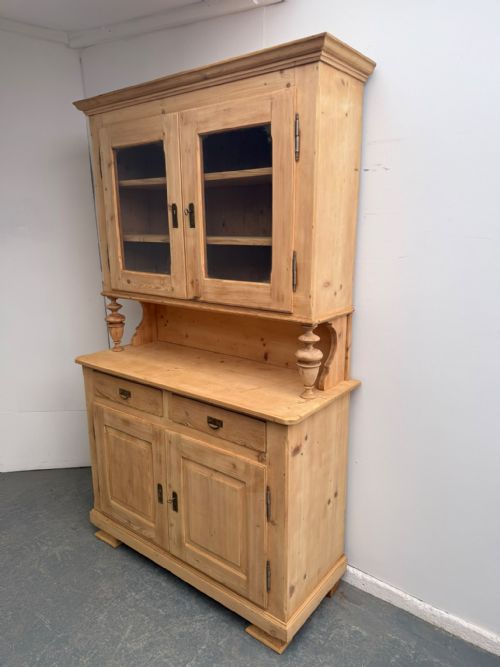
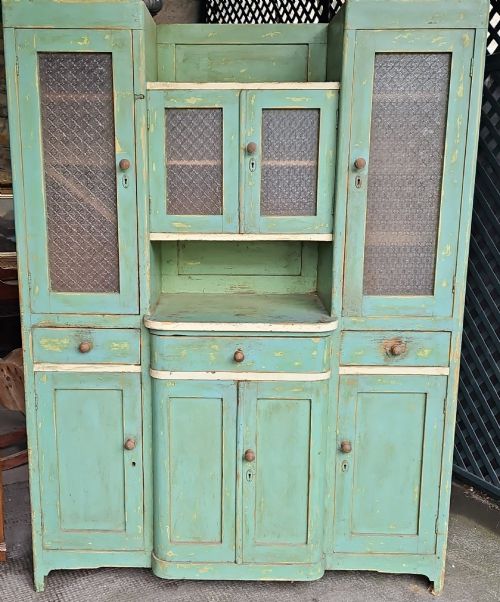


Vintage Glazed Kitchen Dresser
A vintage glazed kitchen dresser anchors a room with practical storage and glass-fronted display, bringing timeless utility to the heart of the home.
Vintage Glazed Kitchen Dresser
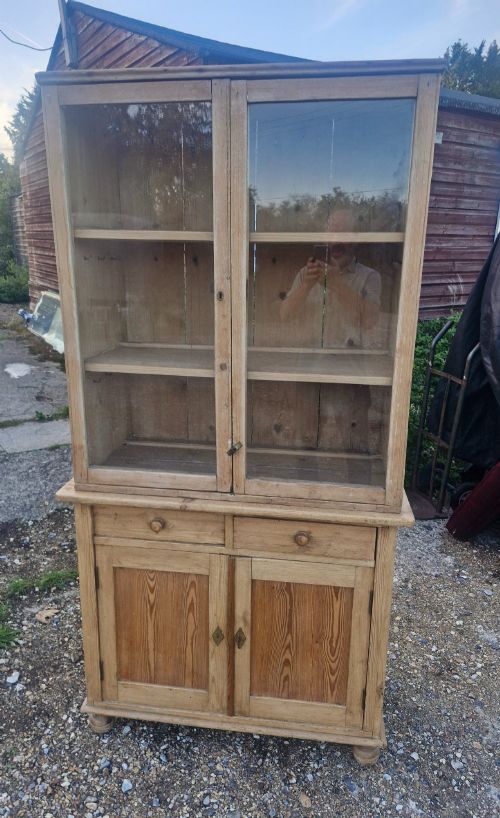
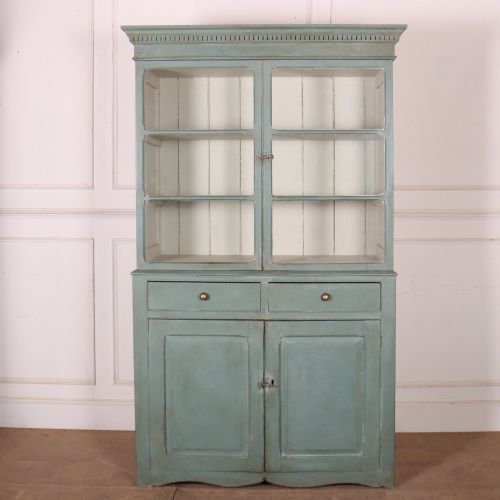
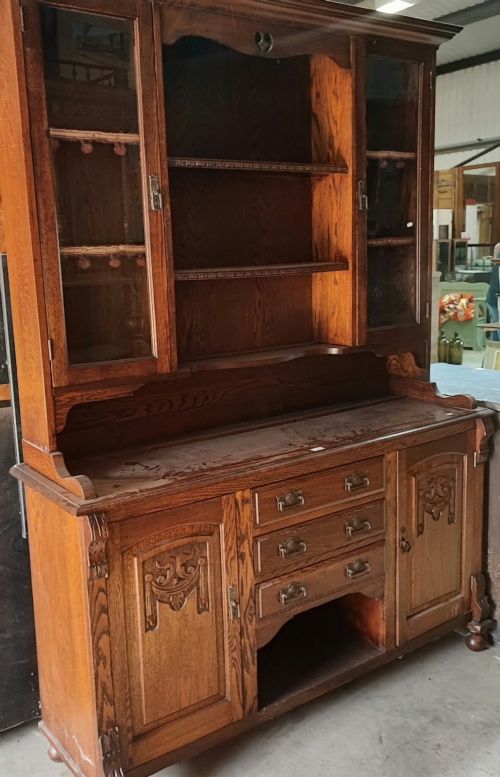
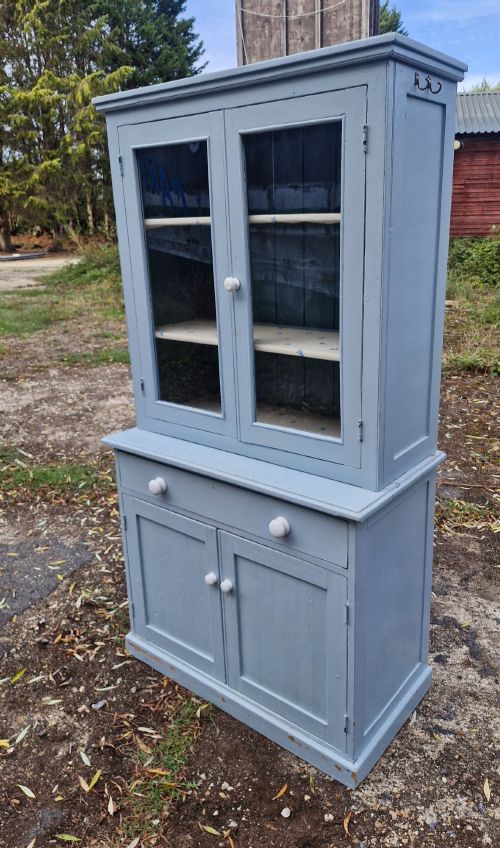
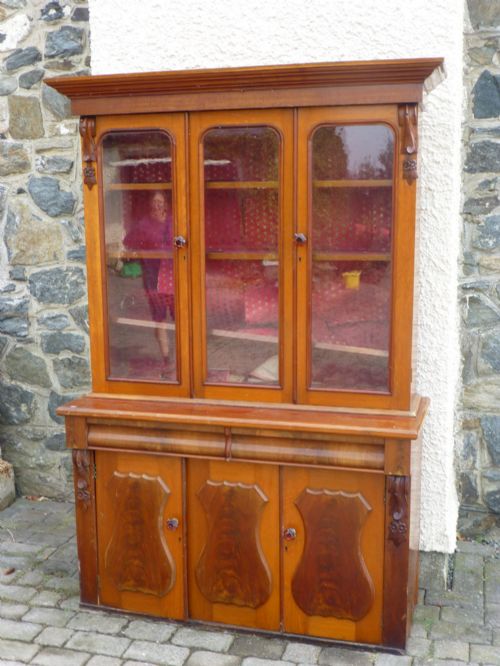
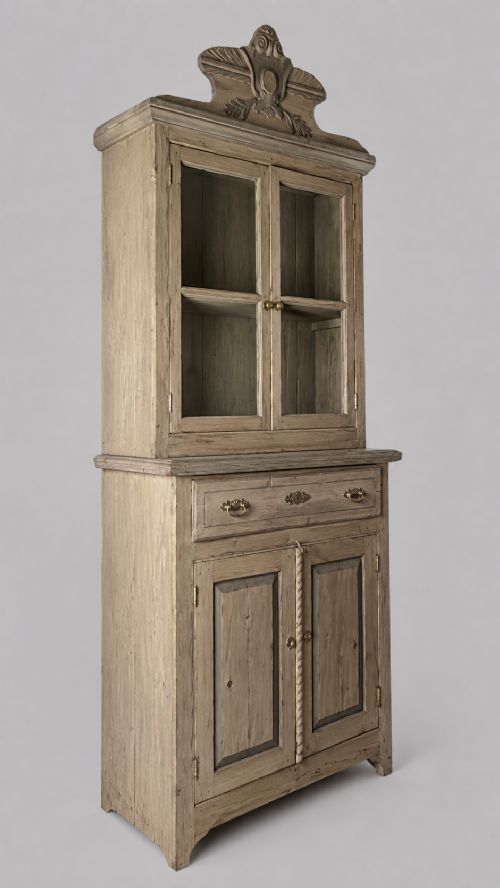
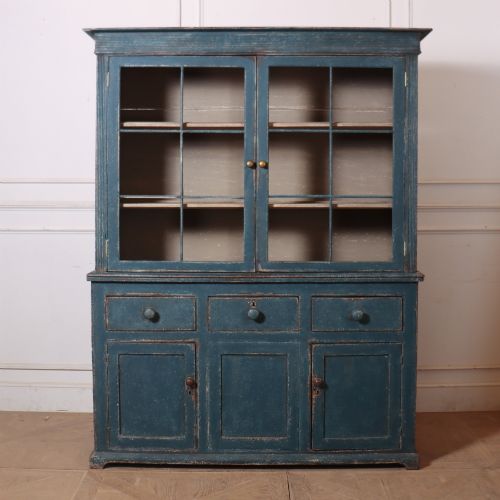
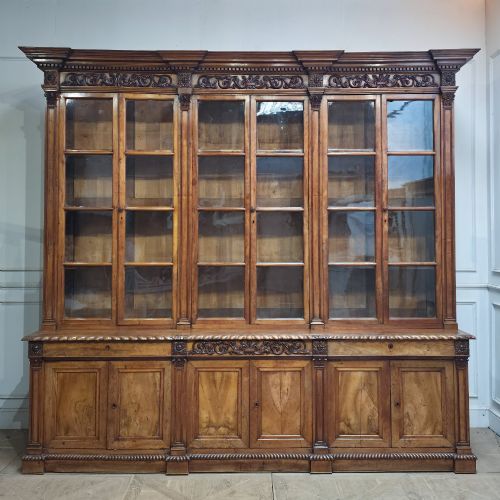
A vintage glazed kitchen dresser combines a lower base of cupboards and drawers with an upper section of glass doors, designed to hold crockery and foodstuffs. When searching for a vintage glazed kitchen dresser, buyers encounter various regional styles ranging from English West Country and Scottish country designs to French provincial pieces.
The pieces span multiple periods, most frequently appearing from the nineteenth century alongside Edwardian and 1930s examples. Construction typically involves two separate sections forming a substantial two-piece unit for practical household storage.
Materials and construction methods
Carpenters built these dressers primarily using solid timber frameworks of pine, oak, and walnut, often combining woods such as oak and mahogany within a single piece. Surfaces frequently received painted finishes, scrumbled treatments, or natural waxing to protect the timber.
Glass panes fitted into upper doors allowed owners to display tableware while keeping dust away, supplemented by brass hardware on drawers and cupboards.
Some nineteenth-century cupboards retain traces of old flour dust wedged deep inside the drawer corners from decades of baking.
Distinguishing quality in construction
Quality emerges in the selection of timber and the structural integrity of the joinery between the upper and lower sections. Finer examples display balanced proportions, original glass within the upper doors, and well-executed regional decorative details.
The handling of painted finishes, whether original layers or later applications, contributes significantly to the visual character and historical integrity of each cabinet.
The Vintage Glazed Kitchen Dresser Glossary
- Welsh dresser
- A traditional kitchen storage unit featuring base cupboards with shelves or a glazed cabinet above for displaying plates.
- Scrumbled finish
- A decorative surface treatment using translucent paint layers dragged or mottled to imitate the grain of more expensive hardwoods.
- Breakfront
- A cabinet design where the central section projects forward from the flanking outer wings.
- Two-piece unit
- Furniture constructed in a detachable top and bottom section to facilitate transport and placement in domestic spaces.
Vintage Glazed Kitchen Dresser: Frequently Asked Questions
How do I clean the wood?
Dust the timber regularly with a soft, dry cloth to prevent the accumulation of grit in the grain. Apply a traditional beeswax polish occasionally to nourish waxed pine and oak surfaces.
Avoid using silicone-based sprays or harsh chemical cleaners, as these can strip historical finishes and damage the timber over time.
Can I paint an unpainted dresser?
Many pine dressers were historically painted or stripped depending on domestic fashion, making contemporary repainting a common practice. Ensure the surface is properly cleaned and lightly keyed before applying breathably formulated paints.
Consider whether the piece retains an original painted finish, as historical pigments warrant preservation rather than overpainting.
How do I secure the top section?
Large two-piece dressers rely on the weight of the upper glazed cabinet resting securely upon the lower base unit. Use discreet metal brackets fixed to the wall behind the upper section to prevent tipping in busy kitchens.
Check that the floor beneath the dresser is level so the doors hang square and the upper cabinet sits firmly.
What is tiger oak?
Tiger oak refers to quarter-sawn oak timber that displays prominent, contrasting medullary ray figuring resembling tiger stripes. Cabinet makers utilised this cut to highlight the natural decorative grain patterns on prominent furniture surfaces.
This method of sawing also yielded more stable boards that resisted warping in domestic environments.