




Scottish Country Dresser
A Scottish country dresser brings functional warmth and regional character into a room, offering robust storage built for daily domestic life.

Scottish Country Dresser
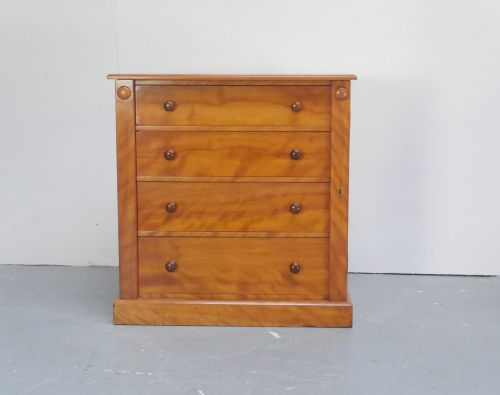
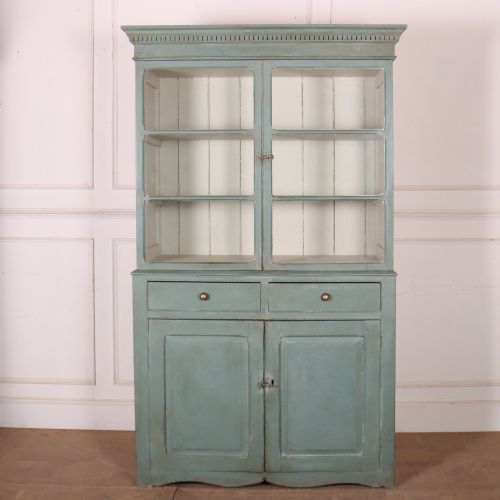
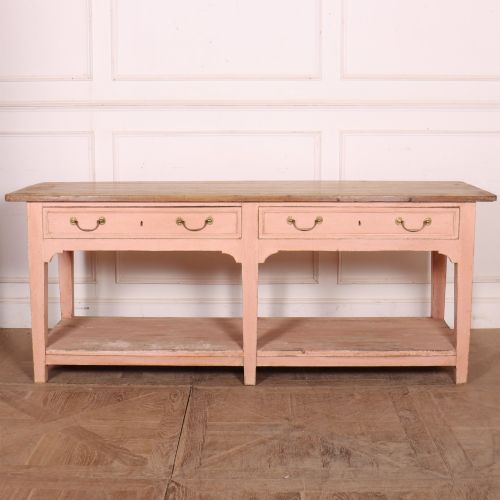
When you search for a Scottish country dresser, you are looking at sturdy regional furniture designed for practical use in rural households. The pieces appearing here span the nineteenth century, including Victorian examples and specific dates like eighteen-sixty and eighteen-eighty. Forms include kitchen dressers, glazed cabinets, potboard bases, and painted console tables.
You are most likely to meet Scots pine and walnut constructions, often finished with original paint or scumbled surfaces. These items reflect the vernacular traditions of Scottish cabinet making, prioritising honest utility and local materials over ornate metropolitan fashions.
Materials and construction
The makers relied primarily on Scots pine and walnut, shaping timber for everyday endurance in domestic settings. Surfaces were frequently left in original paint or treated with scumbled finishes to simulate richer grain patterns.
Hardware typically incorporates brass fittings, while glazed sections utilise glass panels for upper kitchen cabinets. Construction methods followed traditional vernacular woodworking techniques suited to regional workshops.
Scottish Country Dresser Retail Price Guide 2026
Typical asking prices for scottish country dresser among the pieces listed under this phrase on Sellingantiques today, from the lower quarter to the upper quarter. They describe what is for sale here now, not the wider market.
Scumbled paint allowed nineteenth-century makers to turn humble pine into a grand statement, giving everyday kitchen dressers the swagger of expensive walnut.
Distinguishing quality
Quality rests upon the preservation of original surfaces, such as untouched paint or scumbled finishes, which dictate the visual integrity of a piece. Finer examples retain their original brass hardware and glass without modern alterations.
The architectural proportion and timber selection set superior items apart from simpler utilitarian variants. Construction honesty and the survival of regional vernacular traits elevate the standing of individual dressers and bases.
The Scottish Country Dresser Glossary
- Scumbled paint
- A decorative oil-painting technique used to create textured, simulated wood grain effects over a lighter base colour. This finish appears frequently on nineteenth-century regional pieces.
- Potboard dresser base
- A kitchen table or sideboard featuring an open lower shelf traditionally used for storing pots and heavy kitchenware. It represents a practical form within rural Scottish vernacular furniture.
- Scots pine
- A durable softwood native to Scotland, extensively utilised by regional cabinet makers for domestic furniture and kitchen dressers. It accepts painted and scumbled finishes particularly well.
- Victorian
- The period spanning the reign of Queen Victoria, encompassing much of the nineteenth-century material seen here. Furniture from this era often blends traditional vernacular forms with industrial-age production methods.
Scottish Country Dresser: Frequently Asked Questions
How do I identify original paint?
Original paint surfaces show natural wear and patination consistent with nineteenth-century domestic use rather than modern restoration. Look for integrated layers that have aged uniformly alongside the underlying pine timber.
Scumbled finishes should display authentic brushwork and craquelure appropriate to the Victorian period.
Where were these dressers made?
These dressers were produced in Scottish regional workshops and rural domestic settings during the nineteenth century. Makers utilised locally sourced Scots pine and walnut to supply practical furniture for country houses and farmhouses.
The styles align closely with Scottish vernacular and rustic farmhouse traditions.
How should I care for scumbled surfaces?
Protect scumbled and painted finishes by keeping pieces away from direct sunlight and fluctuating humidity. Dust gently with a dry, soft cloth and avoid chemical cleaning agents that might strip the historic surface.
Maintaining stable room conditions preserves the original nineteenth-century paint layers.