



Rustic Green Sideboard
A rustic green sideboard brings earthy warmth and historic utility into a room, offering practical storage grounded in centuries of country craftsmanship.
Rustic Green Sideboard
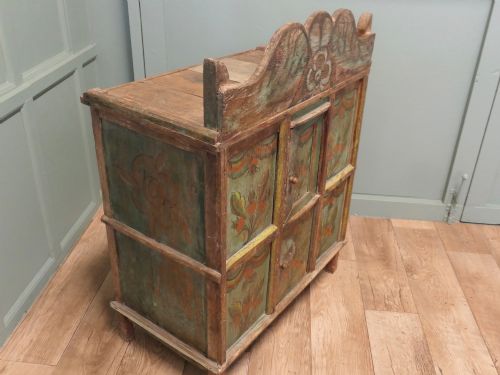
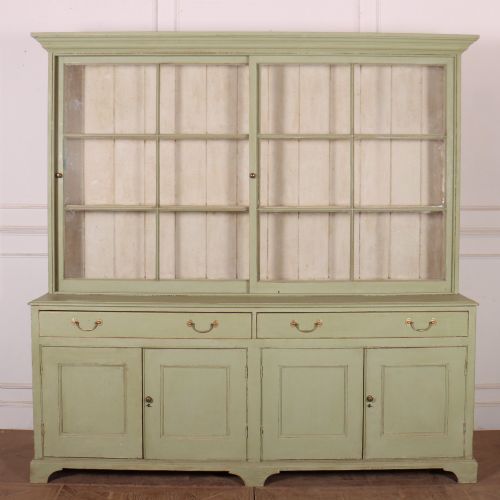
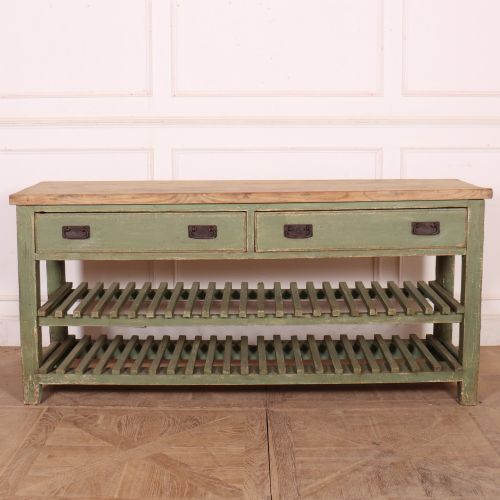
A rustic green sideboard encompasses various utility forms designed for storage and display, originating from domestic and commercial settings across Britain and continental Europe. When exploring a rustic green sideboard, expect to encounter kitchen dressers, dresser bases, serving tables, and cupboards dating primarily from the eighteenth and nineteenth centuries.
The regional diversity within these listings spans English country houses, French provincial settings, Scottish dairies, and Scandinavian farmhouses. These pieces served practical roles in kitchens, dairies, and shops before finding a place in modern homes as characterful storage units.
Materials and Construction
Makers built these pieces predominantly using sturdy timbers such as pine and oak, often reinforced with iron, brass, and metal hardware. Construction relied on traditional joinery methods suited to hardworking domestic or commercial environments.
Surfaces frequently display historic paintwork, which defines the distinctive visual character of the furniture. Additional utilitarian elements include zinc tops on specific serving tables and cupboards, reflecting their functional origins.
Rustic Green Sideboard Retail Price Guide 2026
Typical asking prices for rustic green sideboard among the pieces listed under this phrase on Sellingantiques today, from the lower quarter to the upper quarter. They describe what is for sale here now, not the wider market.
Regional forms on offer include English country house pieces, French provincial serving tables, Scottish dairy dressers, and Scandinavian cupboards.
Quality Variations
The distinction between standard and superior pieces rests in the integrity of the original construction and the preservation of historic surfaces. Original paint finishes that have matured naturally hold greater interest than later refinishing efforts.
Proportion and scale also dictate distinction, with larger potboard serving tables and fitted kitchen dressers demonstrating more ambitious regional cabinetmaking. The clarity of period characteristics, from eighteenth-century English joinery to nineteenth-century continental folk art details, elevates individual examples.
The Rustic Green Sideboard Glossary
- Potboard
- An open lower shelf on a dresser or serving table traditionally used for storing heavy pots and pans. It sits just above the floor, supported by the main legs.
- Dresser base
- The lower section of a kitchen dresser featuring cupboards and drawers without the upper plate rack. These served as standalone workspace and storage units.
- Serving table
- A long, narrow table utilised for food preparation or service in domestic dining spaces. They frequently incorporate pot shelves or drawers beneath the main surface.
- Housekeeper's cupboard
- A large tall storage cabinet designed for household linens and provisions. They represent substantial vernacular cabinetmaking from the eighteenth and nineteenth centuries.
- Shop counter
- A commercial retail fixture adapted for domestic use, featuring panelled timber construction and deep working surfaces. These pieces originated in nineteenth-century shops.
Rustic Green Sideboard: Frequently Asked Questions
Where were these pieces used?
These sideboards and dressers originated in working domestic and commercial environments, including farmhouse kitchens, Scottish dairies, and country house utility rooms. They functioned as primary storage for provisions, tableware, and household goods.
Over time, these utilitarian objects transitioned into principal living spaces, valued for their generous storage capacities and distinctive regional aesthetics.
How do I care for historic paint?
Historic painted surfaces require minimal intervention to preserve their character and stability. Dusting gently with a dry, soft cloth prevents the accumulation of dirt without risking the finish.
Avoid chemical cleaners, modern solvents, and excessive moisture, which can lift or damage old layers of paint. Maintaining stable room humidity protects the underlying timber from movement.
How do I distinguish regional styles?
Regional styles reveal themselves through timber choices, construction methods, and painted finishes. English pieces often utilise native pine and oak with traditional vernacular joinery, while Scandinavian and French examples display distinct folk art palettes and panel details.
Examining the hardware, such as brass pulls or iron hinges, further helps identify the geographic origin and period of manufacture.