




Vintage Kitchen Dresser Top
A vintage kitchen dresser top provides open display and storage, bringing immediate character and practicality to a room.
Vintage Kitchen Dresser Top
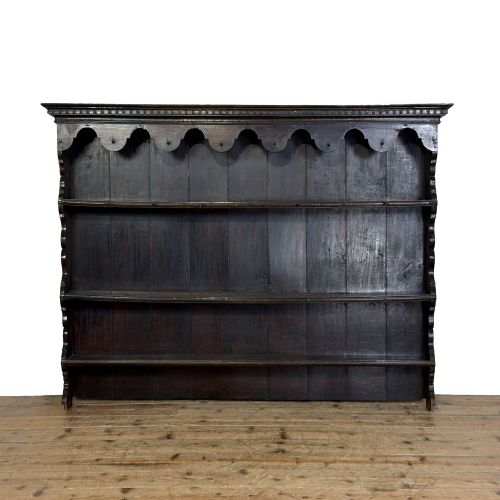
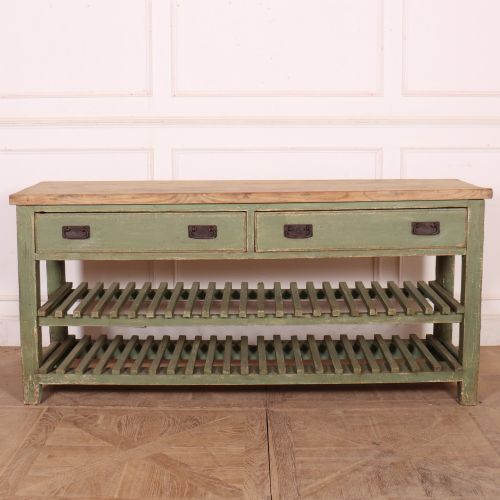
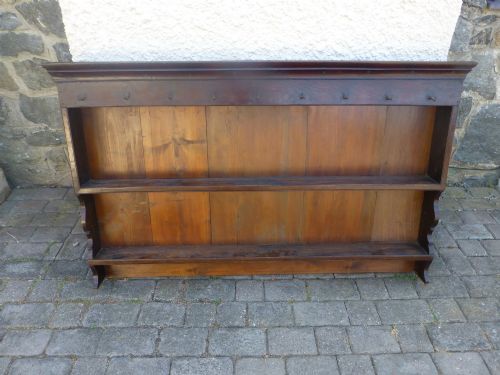
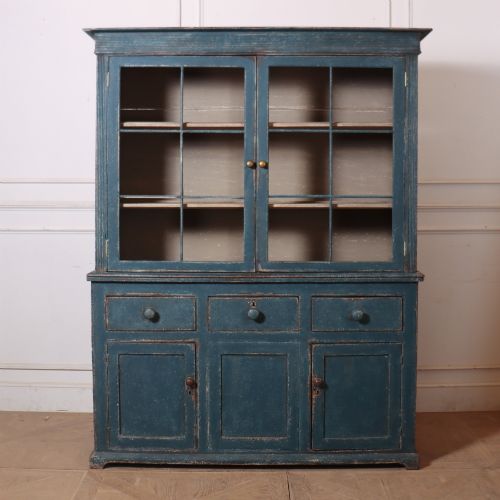
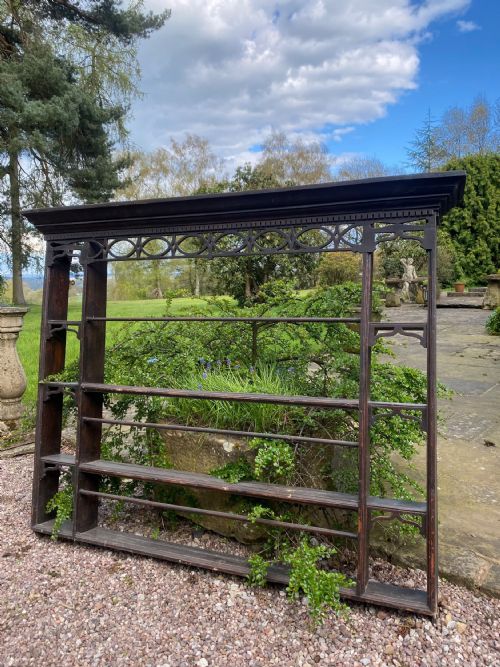
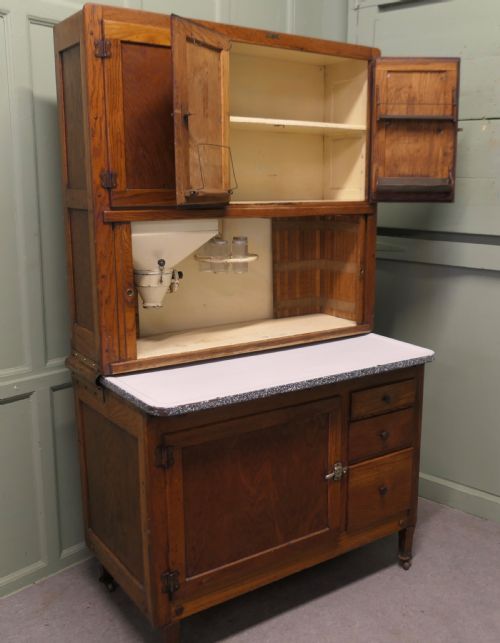
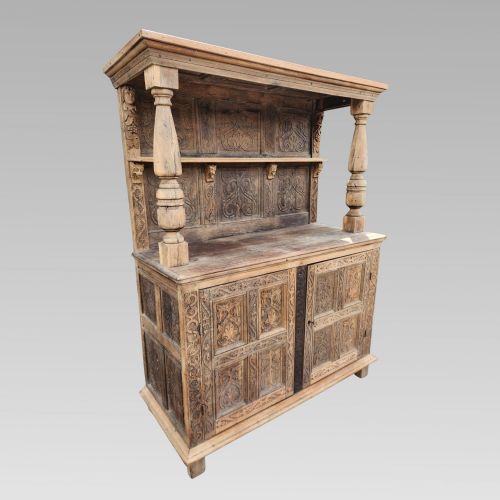
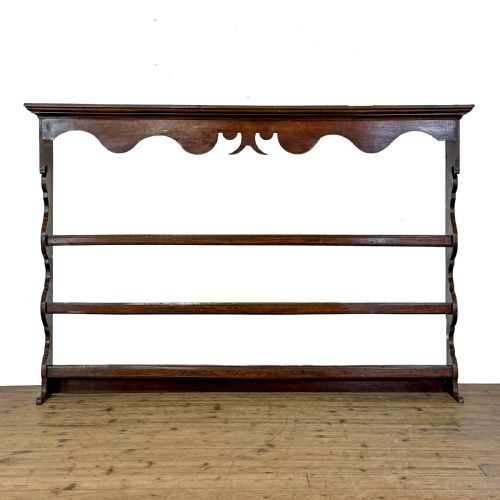
When searching for a vintage kitchen dresser top, you encounter upper shelving units and plate racks designed to sit atop a base or mount directly to a wall. These pieces primarily originate from the eighteenth and nineteenth centuries, spanning Georgian and Victorian periods.
The forms vary from simple oak and pine plate racks to larger architectural elements. Many examples showcase English country, rustic farmhouse, and Gothic revival styles.
Most items on this page function as dedicated wall shelves and delft racks designed to display ceramics and kitchenware. They reflect centuries of domestic utility in farmhouse and country settings.
Materials and construction methods
Carpenters relied principally on solid oak and pine to build these plate racks and upper sections. Timber was selected for durability, with painted finishes applied to many pine examples over subsequent generations.
Joinery techniques involve traditional pegged or jointed construction suitable for supporting heavy earthenware plates and platters. Brass and iron hardware occasionally supplement the wooden structures for hanging and mounting.
Vintage Kitchen Dresser Top Retail Price Guide 2026
Typical asking prices for vintage kitchen dresser top among the pieces listed under this phrase on Sellingantiques today, from the lower quarter to the upper quarter. They describe what is for sale here now, not the wider market.
Listings feature eighteenth-century and nineteenth-century pieces constructed primarily from oak and pine.
Judging quality and character
Quality rests in the choice of timber and the proportion of the shelving tiers. Finer pieces display careful timber selection, such as richly figured oak, alongside well-proportioned mouldings and cornice details.
Surface history and original patination dictate the visual appeal of these items. Untouched surfaces, honest wear, and early painted finishes distinguish superior examples from heavily restored or altered pieces.
Hudson Bros
The Vintage Kitchen Dresser Top Glossary
- Delft rack
- A set of wall-mounted shelves specifically designed with plate grooves and retaining rails to display ceramic plates upright.
- Dresser base
- The lower cabinet or sideboard component upon which a dresser top or plate rack traditionally sits.
- Cornice
- The decorative moulded projection that crowns the top of a dresser rack or cabinet.
- Welsh server
- A regional term for a kitchen storage piece, often featuring open upper shelving combined with a serving surface below.
Vintage Kitchen Dresser Top: Frequently Asked Questions
How do I hang a dresser top?
These upper racks generally require secure wall fixings to bear the substantial weight of solid wood and displayed ceramics. Professional installation into masonry or wall studs is strongly recommended.
Ensure the weight distribution is properly supported by heavy-duty brackets or direct screw fixings through the backboards into structural wall timbers.
Were these made to match the base?
Many dresser tops and plate racks evolved separately from their original lower cabinets. Over generations, upper and lower sections were frequently paired or separated according to domestic needs.
Looking closely at timber species, wear patterns, and construction styles helps determine whether a top and base started life together.
Can I mount these directly on the wall?
Most antique dresser tops function equally well as standalone wall-mounted plate racks without a lower cabinet. They were routinely hung directly above counters or serving tables in country kitchens.
Checking the back edge and fixing points reveals whether the piece was originally intended for wall suspension.
How do I clean antique pine?
Maintenance requires gentle dusting and occasional cleaning with mild, non-abrasive soap and a lightly dampened cloth. Avoid modern solvent-based polishes that can damage aged timber.
Preserving the dry, historic surface patina maintains the visual character accumulated over centuries of kitchen use.