
Rustic Farmhouse Seating
Rustic farmhouse seating brings durable, characterful timber chairs, benches, and stools into daily use.
Rustic Farmhouse Seating
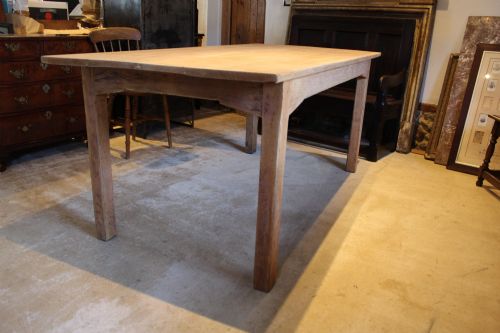
Rustic farmhouse seating comprises sturdy wooden dining chairs, long benches, refectory tables, and stools designed for practical domestic utility. When searching for rustic farmhouse seating, buyers typically encounter sturdy seating forms rooted in the nineteenth century and the Edwardian era.
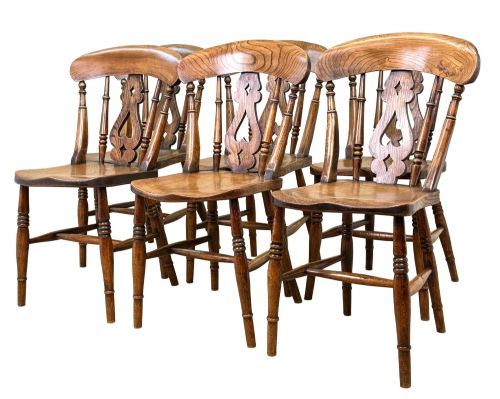
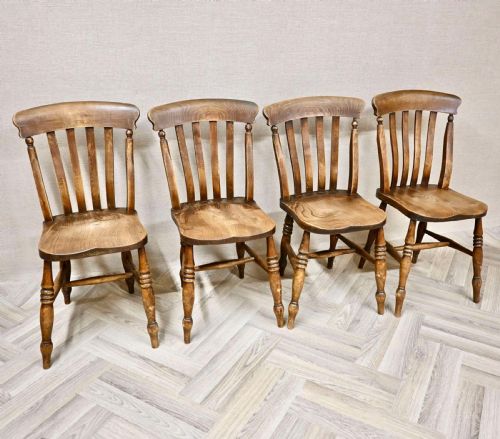
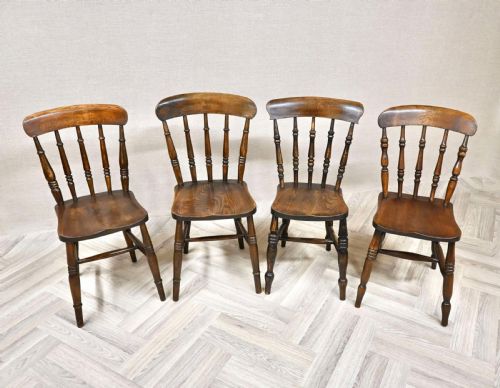
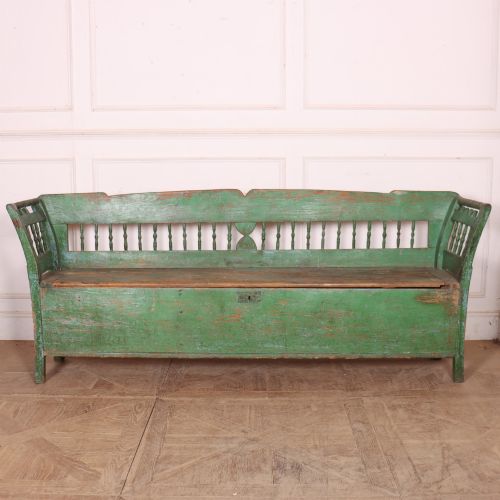
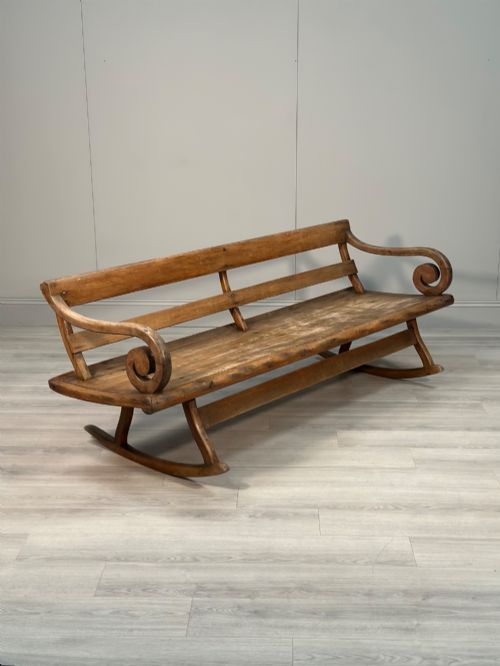
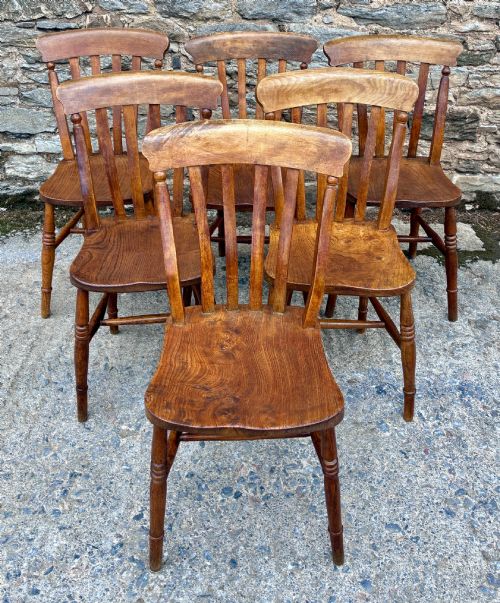
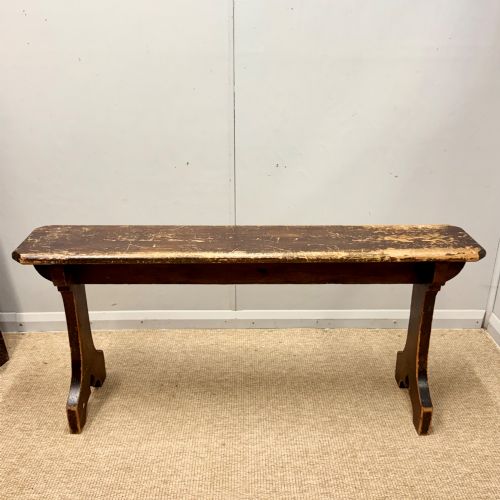
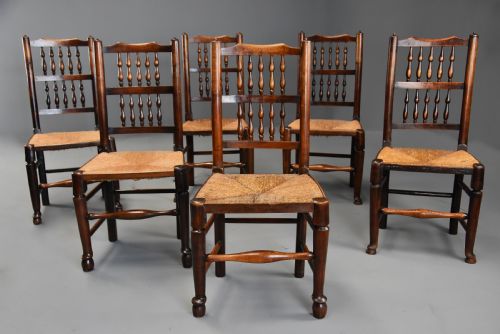
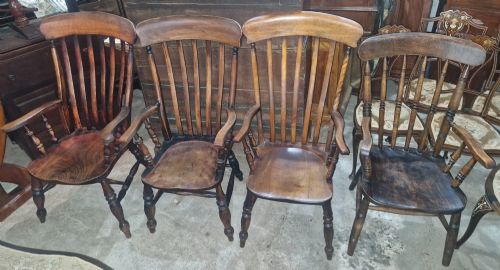
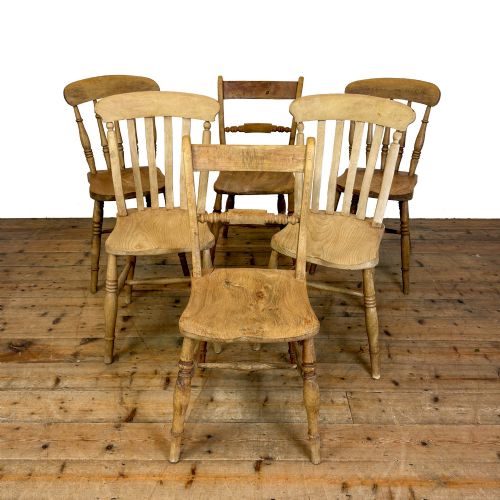
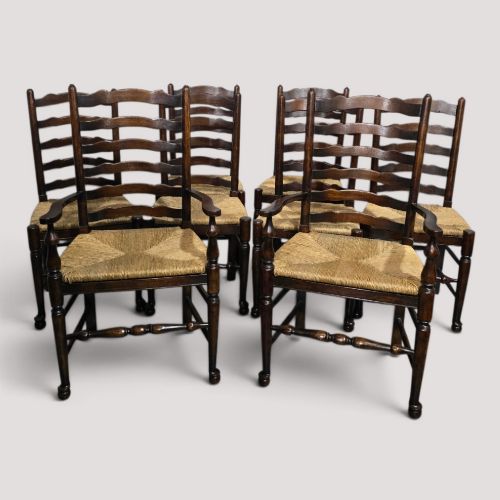
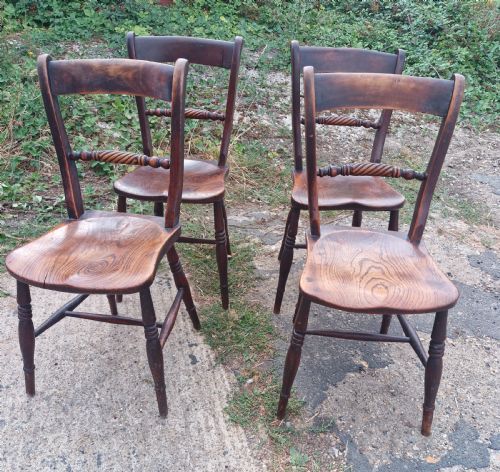
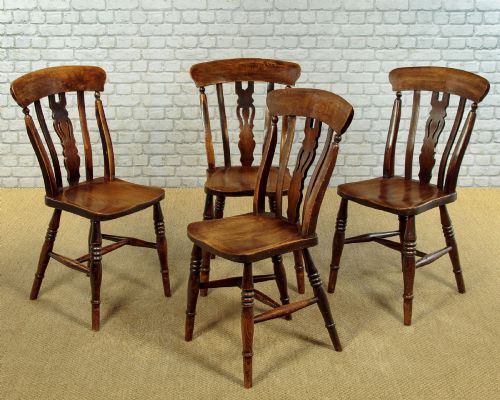
The inventory on this page centres on traditional forms such as Windsor kitchen chairs, ladder-backed dining seats, spindle backs, and long pine or oak benches. These pieces originate from English, French, and Austrian country traditions, reflecting vernacular craftsmanship.
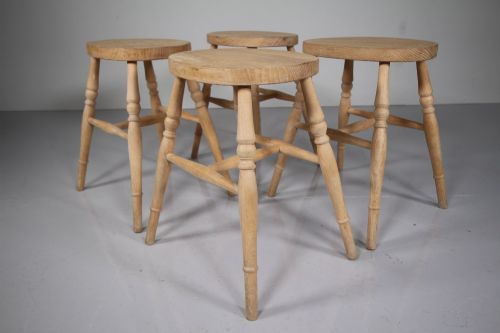
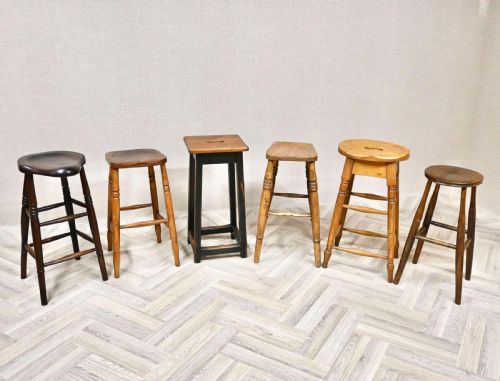
Matching sets appear alongside harlequin groups and pairs, offering flexible options for kitchen and dining spaces. Simple stools and tall bar stools supplement the main seating arrangements, constructed for everyday communal dining.
How they were made
Maker workshops relied upon accessible regional timbers, combining woods like elm, oak, beech, ash, and pine within a single piece for structural strength. Elm frequently provided durable, split-resistant seats for Windsor chairs, while ash and beech formed flexible spindles and legs.
Traditional joinery methods such as mortise and tenon joints, steam bending, and turned components ensured daily endurance without metal fixings. Surfaces often display natural patination, occasional painted finishes, or bleached treatments developed through decades of domestic use.
Listings span the nineteenth century, Victorian era, and early twentieth century, utilising elm, oak, pine, beech, ash, and rush.
What varies in quality
Quality in these pieces rests upon timber selection and the integrity of the original construction rather than elaborate decoration. Chairs featuring robust, thick elm seats and well-turned spindles demonstrate superior rural craftsmanship compared to later, simpler iterations.
The depth of the natural patina and the survival of matching components across a set dictate desirability. Uniformity in harlequin sets and the structural tightness of joints separate utilitarian utility from enduring antique merit.
The Rustic Farmhouse Seating Glossary
- Windsor chair
- A wooden chair built with a solid sculpted seat into which the legs and back spindles are directly inserted. This design provides sturdy support through socketed joints.
- Ladder back
- A chair back constructed from horizontal wooden slats set between two vertical uprights. This style frequently incorporates rush seating.
- Refectory table
- A long dining table traditionally utilised in communal halls and farmhouses for large gatherings. These tables utilise heavy timber frames for stability.
- Harlequin set
- A collection of dining chairs that share similar periods or styles rather than forming an identical factory-made set. These groups assemble organically over time.
- Vernacular
- Architecture or furniture designed independently of grand architectural styles, using local traditions and materials. These objects prioritise local utility above academic design trends.
Rustic Farmhouse Seating: Frequently Asked Questions
How do I care for antique pine benches?
Keep wooden benches away from direct heat sources and sudden temperature shifts to prevent timber splitting.
Apply natural beeswax periodically to nourish the surface and maintain the historic patina without sealing the wood.
What is a harlequin set of chairs?
A harlequin set consists of individual chairs sharing similar proportions, periods, or vernacular styles rather than matching identically.
Collectors assembled these groups historically around farmhouse tables to accommodate growing households.
Are rush seats durable for daily use?
Rush seating utilises twisted wetland grasses woven tightly over wooden frames to create a resilient, supportive surface.
Avoid excessive moisture to protect the natural fibres from weakening during daily dining.
How can I date nineteenth century Windsor chairs?
Examine the thickness of the seat plank, the tool marks underneath, and the turning style of the legs.
Earlier nineteenth century examples often feature heavier elm seats and distinct regional turning patterns.