
Carved Turned Leg Stool
A carved turned leg stool is a sturdy seat combining shaped timber and dynamic joinery, prized for adding historic texture to modern rooms.
Carved Turned Leg Stool
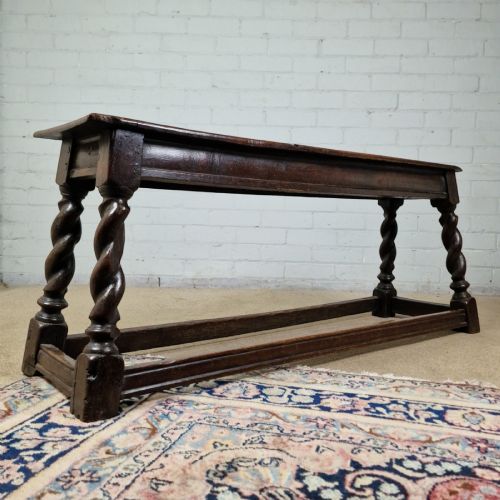
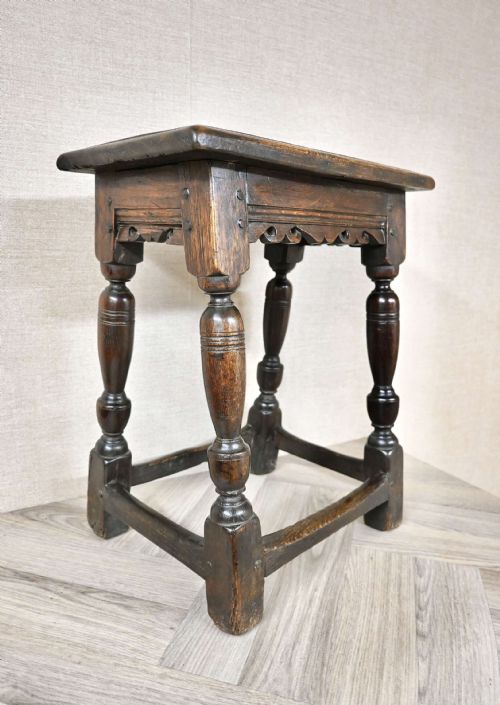
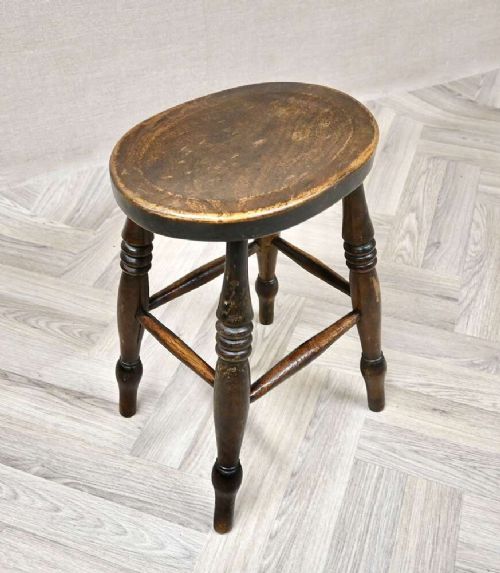
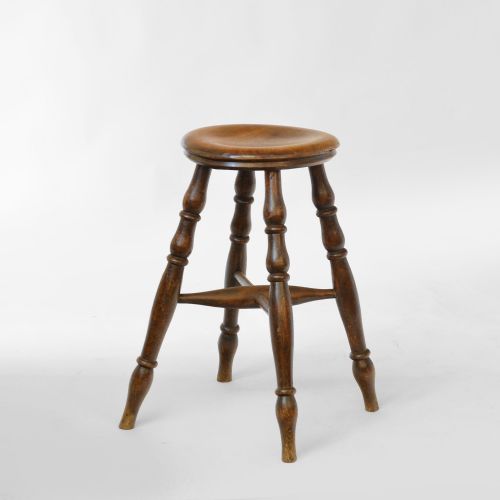
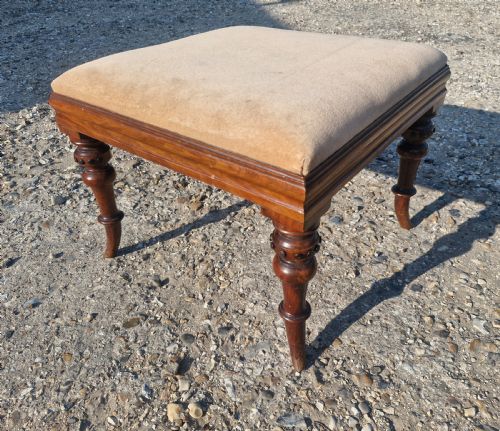
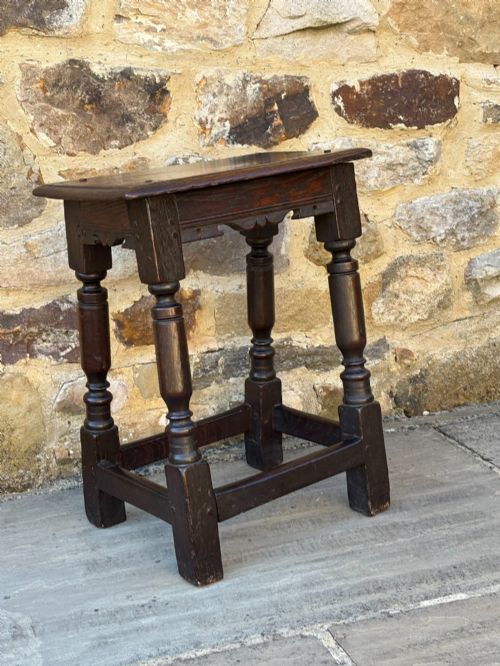
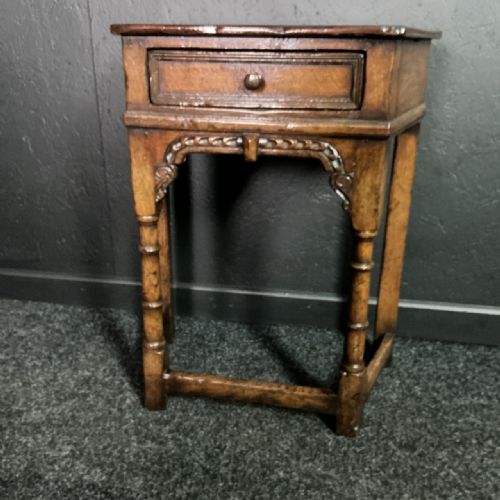
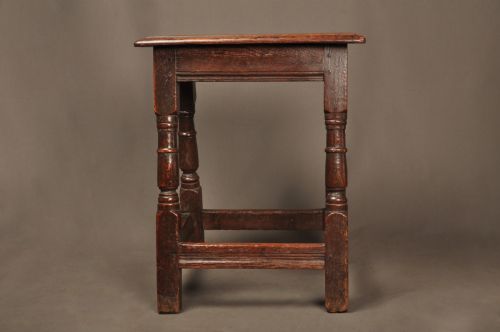
A carved turned leg stool brings centuries of domestic history into focus, drawing from traditions where timber was shaped by hand and lathe. When you search for a carved turned leg stool, you encounter forms ranging from sturdy joint stools of the seventeenth century to later country house and Victorian seating.
The version you meet most frequently on this page is constructed from oak, often echoing the architectural details of the seventeenth century or the revival periods of the nineteenth century. These pieces serve multiple roles in an interior, functioning as seats, small stands, or occasional tables beside larger chairs.
How they were made
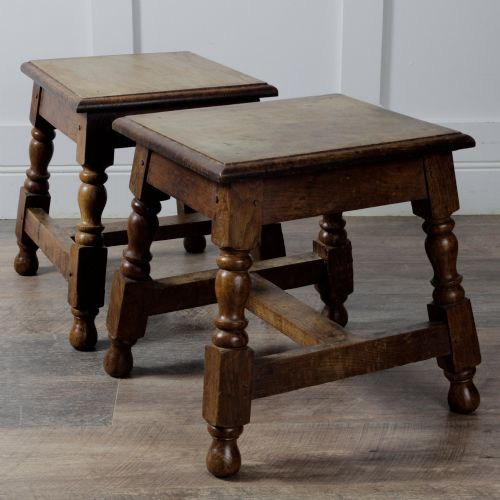
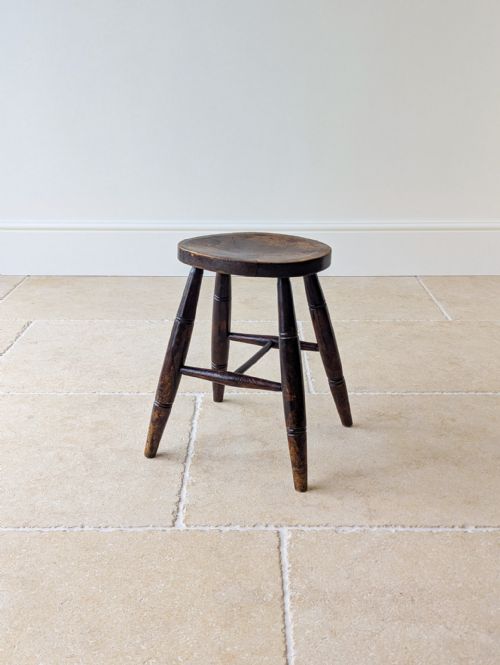
Makers relied on native hardwoods like oak, elm, walnut, and mahogany, selecting timber for strength and grain pattern before shaping the components with hand tools and lathes. Structural integrity relied on pegged mortise and tenon joints, creating rigid frames capable of withstanding heavy daily use in taverns, halls, and parlours.
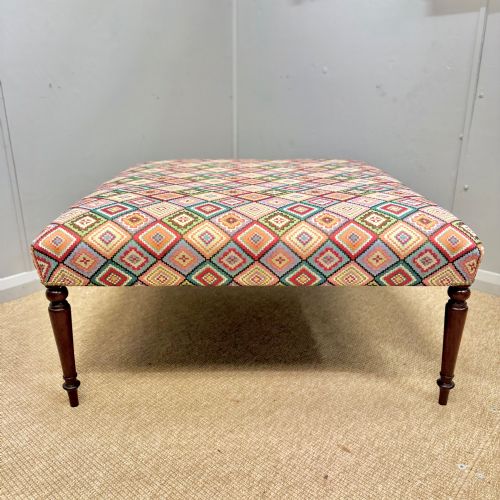
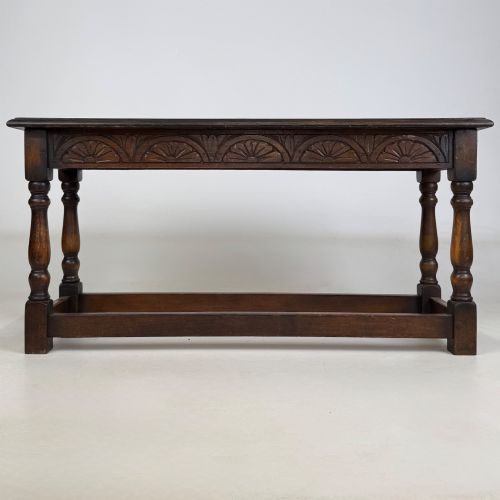
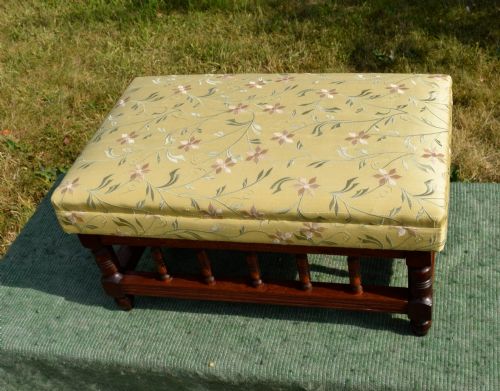
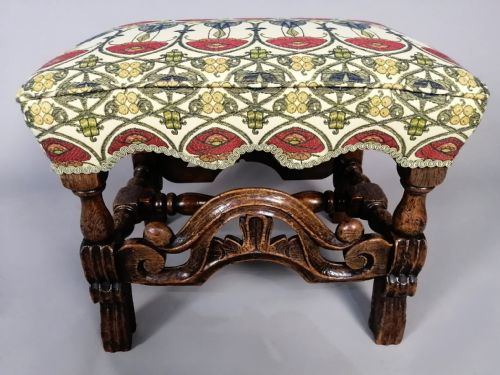
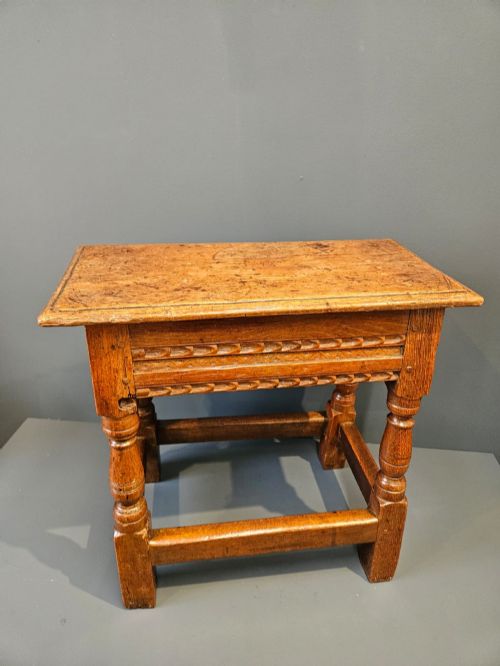
Surface decoration frequently combined linear turning on the legs with chip carving or geometric incision on the rails and tops. Upholstered variants incorporated fabric and stuffing secured with brass tacks, while plain wood surfaces were left to develop a natural patina over decades of handling.
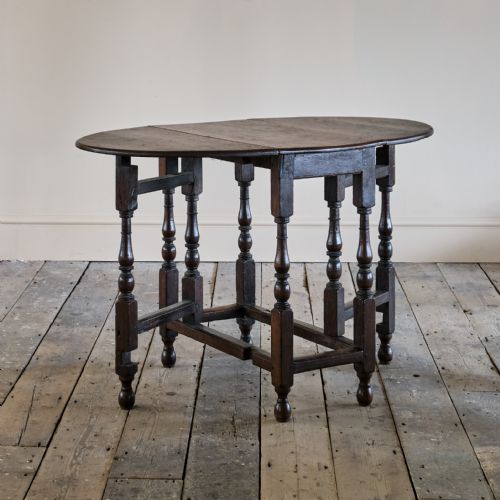
Object forms extend beyond standard seating to encompass footstools, window seats, side tables, and occasional stands with turned supports.
What varies in quality
The distinction between ordinary utility items and superior examples lies in the crispness of the turning and the depth of the hand carving. Pieces featuring well-proportioned baluster or bobbin legs display a deliberate design intent that elevates them beyond simple seating.
Proportion and structural survival determine the standing of an individual piece within its period. Examples that retain their original timber surfaces without excessive replacement parts demonstrate the kind of integrity that seasoned collectors value above all else.
The Carved Turned Leg Stool Glossary
- Joint stool
- A sturdy wooden seat constructed with mortise and tenon joints pegged together, common in seventeenth-century households. These items were often used as seating at the dining table or for standing upon.
- Turning
- The technique of shaping wood on a lathe by applying gouges and chisels to a rotating piece of timber. This process creates cylindrical, baluster, or bobbin profiles on table and stool legs.
- Jacobean style
- An aesthetic reflecting the early seventeenth-century period, characterised by heavy proportions, geometric panel carving, and dark oak timber. Revival versions of this style appeared frequently during the nineteenth century.
- Patina
- The surface sheen and softening of edges developed by wood and metal over centuries of exposure to light, air, and human touch. A genuine patina cannot be easily replicated by modern chemical treatments.
Carved Turned Leg Stool: Frequently Asked Questions
How were these stools used historically?
These pieces served primarily as moveable seating around the home, often pulled up to tables for dining or placed near hearths. Their sturdy construction also suited them for use as small side tables or stands for holding household objects.
In public houses and taverns, simpler variants provided robust seating for patrons. Their compact footprint made them easy to store beneath larger furniture when floor space was needed.
How do I care for antique wooden stools?
Keep wooden seating away from direct heat sources and rapid temperature fluctuations to prevent the timber from splitting or joints from loosening. Applying a neutral beeswax polish periodically helps maintain the moisture and lustre of the surface.
Avoid using modern silicone sprays or harsh chemical cleaners, as these can strip the historic polish and degrade the natural finish. Gentle dusting with a soft, dry cloth is usually sufficient for daily maintenance.
How can I tell a seventeenth-century stool from a Victorian copy?
Original pieces from the seventeenth century display tool marks consistent with hand-cleaving and pit-sawing, along with timber shrinkage appropriate to great age. The joinery typically shows irregular peg placement and substantial wear patterns on the lower foot sections.
Nineteenth-century revival examples often exhibit machine-sawn timber uniformity and sharper, more mechanical turning profiles. Examining the underside and the interior joints usually reveals the manufacturing methods characteristic of later workshops.
Can I use an antique stool as everyday seating?
Sturdily constructed wooden examples remain entirely functional for regular use provided the joints are stable and secure. Checking that the pegged connections remain tight ensures the piece can safely support weight without shifting.
For fragile or heavily carved items with delicate feet, placing them in low-traffic areas or utilising them as display surfaces preserves their condition. Assessing the structural strength of each individual piece determines its suitability for daily sitting.