

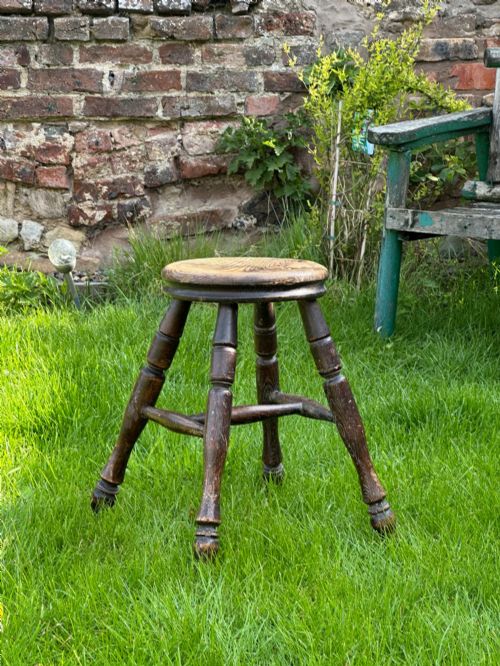

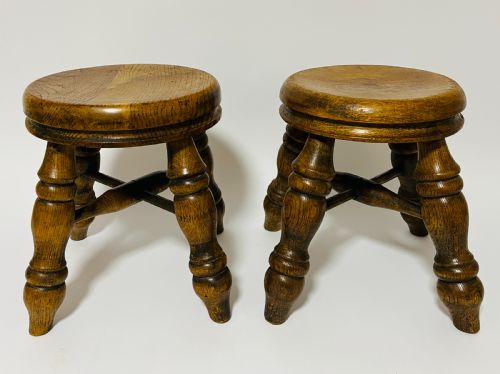
Vintage Wooden Milking Stool
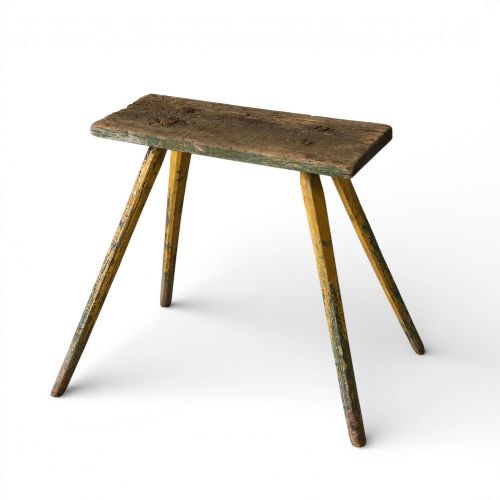
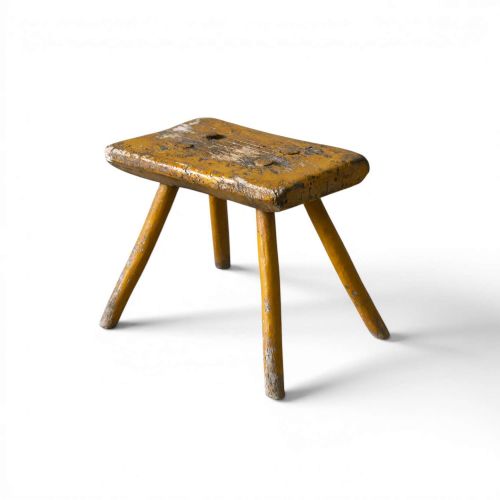
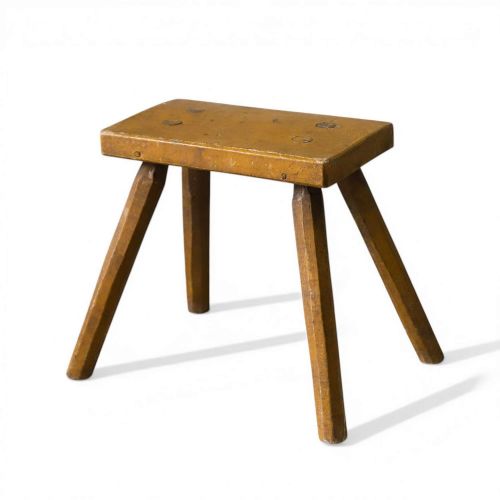
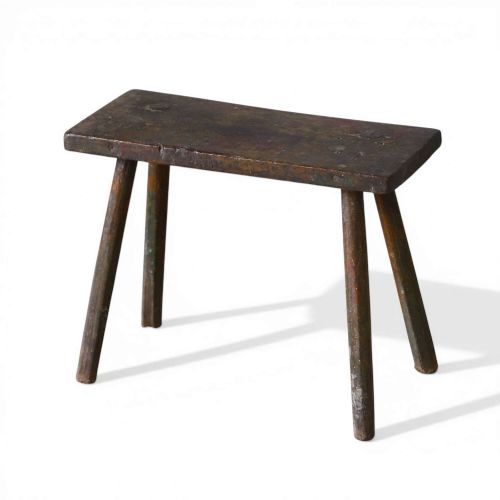
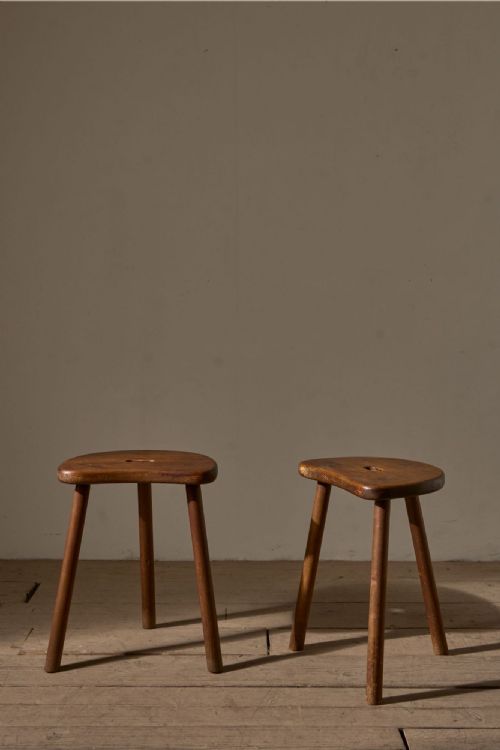
A vintage wooden milking stool brings honest vernacular character and sturdy utility into a modern interior.
Vintage Wooden Milking Stool
When you search for a vintage wooden milking stool, you encounter low, simple seats shaped by agrarian utility rather than courtly fashion. These pieces span centuries from the eighteenth through to the early twentieth, drawing on diverse regional traditions from English country workshops to Eastern Europe.
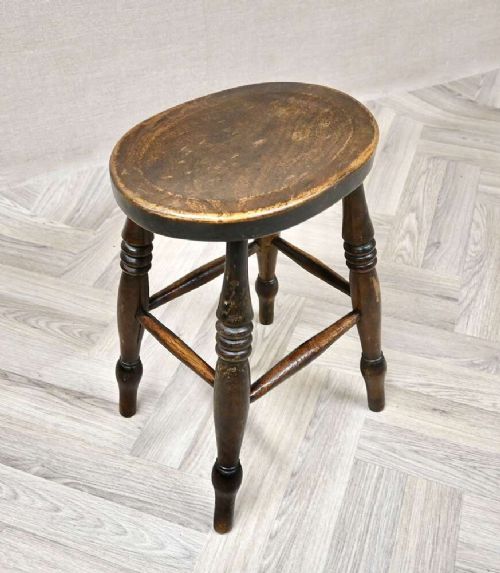
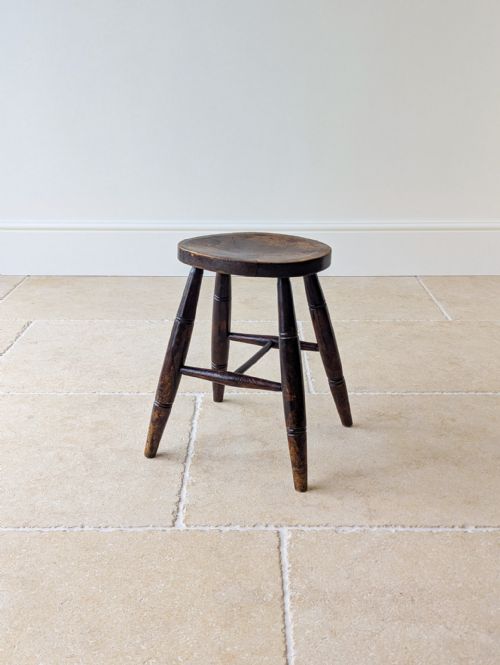
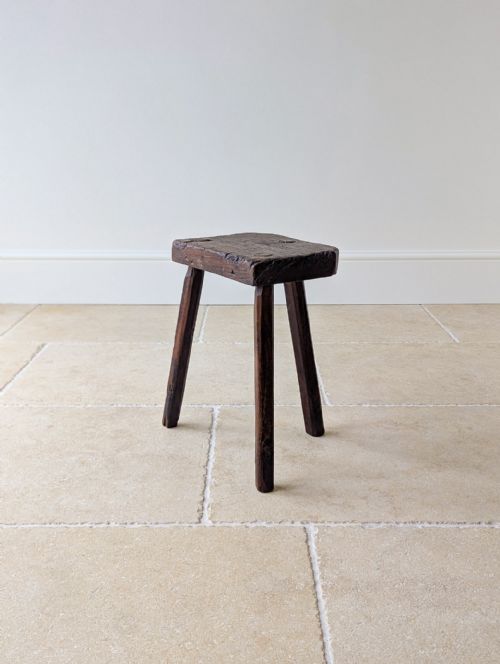
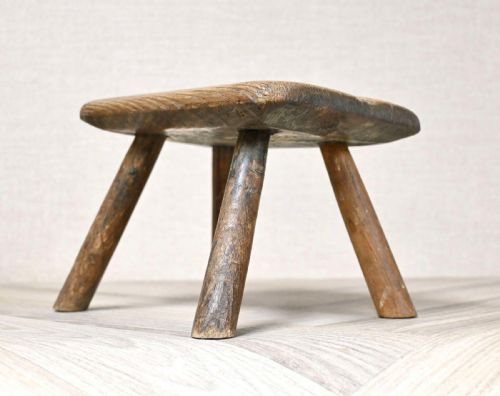
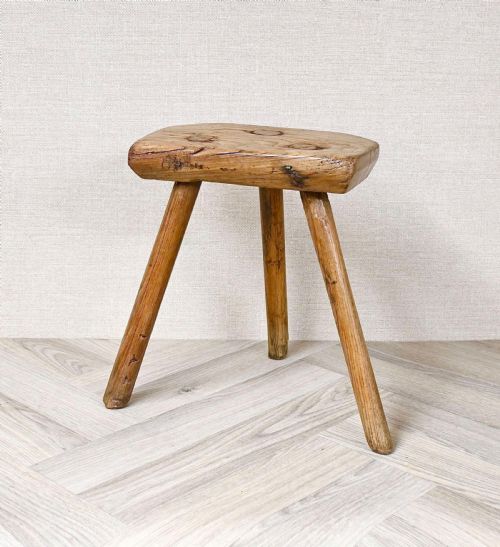
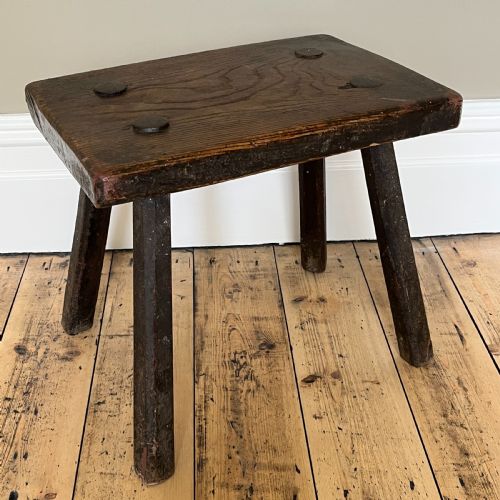
The most common examples you meet on this page are three-legged or four-legged vernacular seats fashioned from native hardwoods. Makers built them for specific practical tasks in dairies, farmhouses and hearths, resulting in wonderfully unpretentious forms that double easily as small side tables or plant stands.
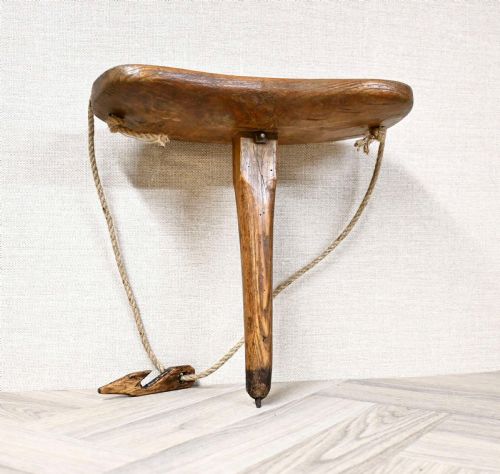
Beyond standard domestic seating, the category widens to include specialist variants like jeweller's stools, low children's furniture and whimsical single-leg designs. Each survivor bears the distinct marks of daily rural labour, carrying a quiet sculptural presence that suits contemporary living spaces.
How they were made
Carpenters and rural makers relied heavily on robust native timbers such as elm, ash, oak and pine, often combining contrasting woods within a single piece. Elm provided tough, splitting-resistant seats, while straight-grained ash or oak served reliably for turned legs and structural stretchers.
Construction techniques remained resolutely functional, utilising pegged joints, wedged tenons and simple socketed legs driven straight through the seat plank. Many examples preserve surfaces coated in original paint finishes, from ochre and yellow to green, alongside natural waxed grains and live-edge cuts.
Among the selection sits a nineteenth-century Scottish pokerwork stool boldly inscribed with the spirited challenge 'Touch me wha daur'.
What varies in quality
The distinction between ordinary utility items and exceptional examples lies in the integrity of the timber and the honesty of the wear. Superior pieces display deep, natural patination built through generations of use, where the wood grain has softened without losing structural stability.
Proportion and character dictate desirability, separating heavily altered items from those retaining untouched original paint or authentic regional turning details. A well-balanced stance and clear evidence of vernacular craftsmanship elevate a humble dairy seat into a compelling decorative object.
The Vintage Wooden Milking Stool Glossary
- Vernacular
- Everyday objects made by local craftsmen for practical use rather than following high architectural styles. These pieces reflect regional materials and traditions rather than metropolitan workshop standards.
- Pegged construction
- A traditional method of joining wooden components using tight wooden dowels instead of metal nails or modern glues. This allows the timber to expand and contract naturally with seasonal changes in temperature.
- Live edge
- A type of furniture design that incorporates the natural outer edge of the tree into the finished piece. It highlights the organic contours and irregularities of the original log.
- Treen
- Small, functional wooden household items traditionally turned or carved by hand. The term covers everything from small stools and candlesticks to domestic kitchenwares.
- Windsor
- A chair or stool style featuring turned legs and spindles socketed directly into a solid, thick wooden seat. This construction creates a lightweight yet remarkably strong framework.
Vintage Wooden Milking Stool: Frequently Asked Questions
What were milking stools originally used for?
Farm workers used these low, stable seats while milking cows by hand in the dairy or pasture. Their compact size and three-legged designs ensured balance on uneven earthen or cobbled floors.
Over time, these versatile little seats found alternative jobs around the farmhouse, serving as fireside perches, children's furniture or elevated platforms for household tasks.
How do I style a milking stool at home?
Their small footprint makes them remarkably adaptable accents in almost any room of the house. Use one beside an armchair as a compact side table, or place it in a hallway to hold a stack of books.
They also work brilliantly as plant stands in bright corners, allowing the natural grain and aged paint surfaces to stand out against modern interiors.
How do I tell an older stool from a newer copy?
Examine the underside and the joint construction for signs of hand tools, adze marks and genuine age-related wear. Older timbers display characteristic shrinkage, surface patination and tool methods distinct from modern machinery.
Look closely at the pegging, the oxidation around nail or screw holes, and the way the legs meet the seat underside for confirmation of period authenticity.