


Rust Wool Oriental Rug
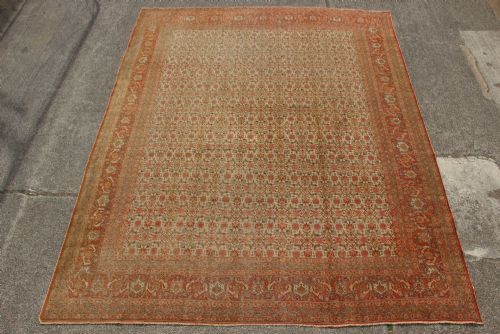
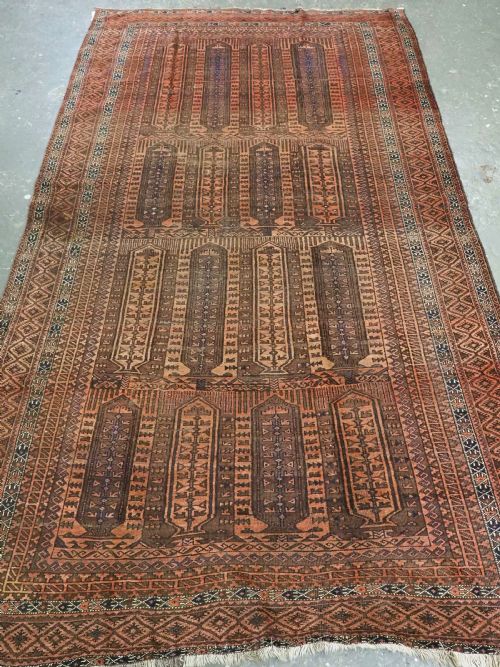
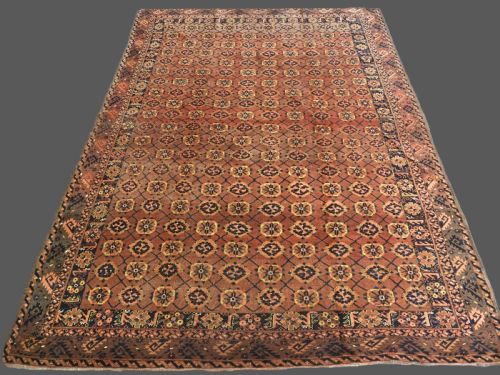
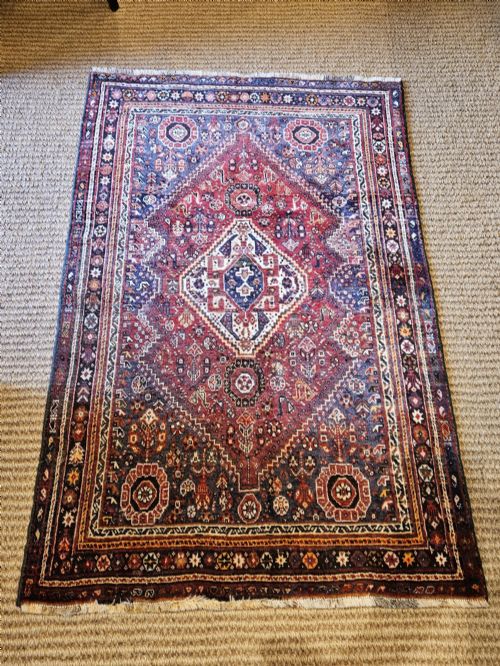
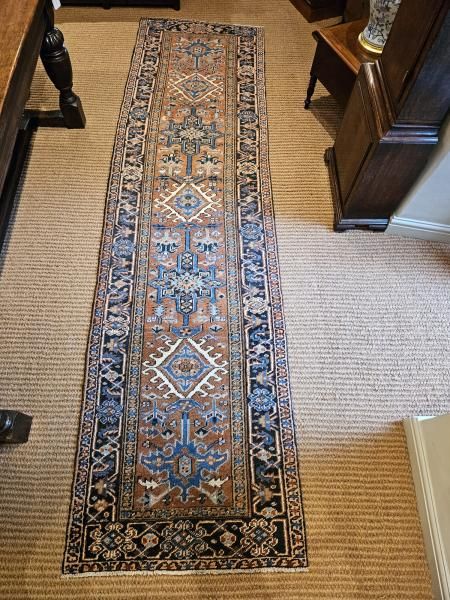
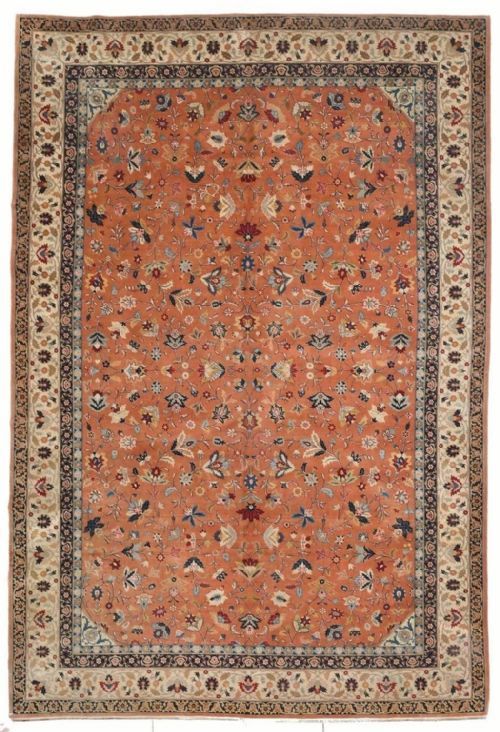
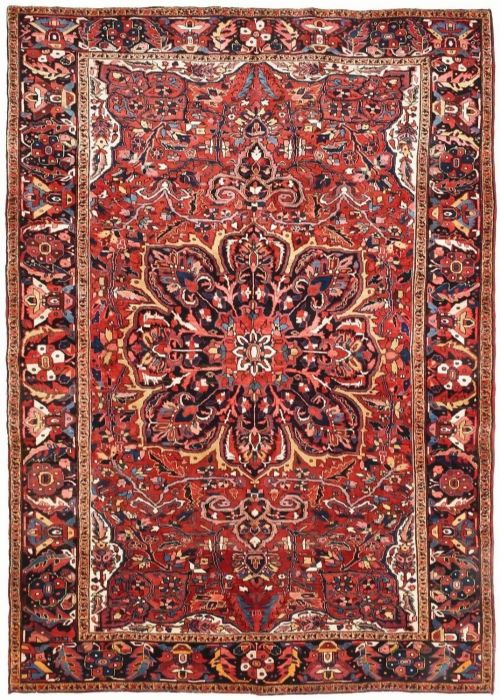
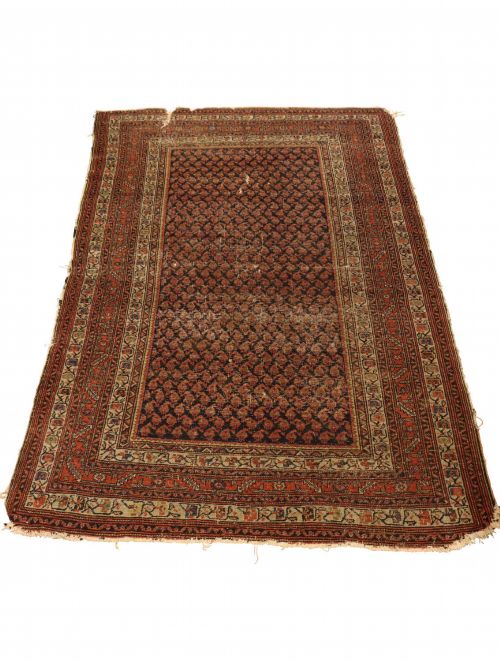
A rust wool oriental rug anchors a room with earthy warmth and complex tribal or classical geometry.

Rust Wool Oriental Rug
When searching for a rust wool oriental rug, collectors encounter hand-knotted pieces originating from Persian, Anatolian, and Turkmen weaving traditions dating from the late nineteenth and early twentieth centuries. These floor coverings range from intimate village and tribal rugs to large country house carpets displaying medallion, all-over, and prayer designs.
The selection on this page leans heavily toward Heriz, Tabriz, Baluch, and Afshar works produced between eighteen-eighty and nineteen-thirty. These examples deliver the characteristic rust background tones alongside rich indigo, madder, and ivory details inherent to traditional regional weaving.
How they were made
Weavers constructed these rugs using hand-spun wool pile knotted tightly onto cotton or wool foundations, occasionally incorporating goat hair in the outer cords for durability. The reliance on natural dyes yielded deep, enduring rust hues that soften harmoniously over decades of light and use.
Nomadic and village workshops utilised upright or horizontal looms, tying symmetrical or asymmetrical knots by hand following generational patterns. The edges were routinely overcast by hand, securing the structure before the pile was clipped to an even height.
Listings span production periods from the nineteenth century through nineteen-thirty, predominantly featuring wool pile on cotton foundations from Persian and tribal origins.
What varies in quality
The distinction between standard village production and exceptional workshop output rests on knot density, handle, and precision of design execution. Finer pieces demonstrate superior wool selection yielding a supple, pliable handle alongside crisp geometric or curvilinear drawing.
The complexity and stability of the natural dye palette separate ordinary examples from masterworks. Gradations in the rust ground, achieved through careful mordanting and dyeing batches, create a mottled depth that lesser chemical dyes fail to replicate.
The Rust Wool Oriental Rug Glossary
- Boteh
- A stylised floral motif resembling a pear, almond, or flame shape seen across Persian and tribal carpets. It remains one of the most enduring symbols in oriental textile history.
- Heriz
- A style of carpet hailing from north-west Persia known for bold geometric central medallions and robust structural integrity. These rugs typically employ thick wool suited for heavy domestic wear.
- Madder
- A natural red dye derived from the roots of the Rubia tinctorum plant, fundamental in achieving traditional rust and terracotta tones. This dye interacts with mineral mordants to produce complex, lightfast shades.
- Gul
- An octagonal or medallion-like motif utilised primarily in Turkmen and Baluch tribal weaving. Each tribe maintained distinct variations to signify lineage and cultural identity.
- Prayer rug
- A small format rug featuring a mihrab or arch design indicating the direction of prayer. These pieces were historically used for personal devotion rather than general floor placement.
Rust Wool Oriental Rug: Frequently Asked Questions
How do I clean an antique rug?
Professional specialist cleaning is essential for antique wool and natural dye textiles to prevent dye migration and fibre damage. Regular gentle suction without a rotating brush bar keeps surface dust from settling deep into the pile.
Avoid home chemical treatments, steam cleaning, and excessive water immersion. Specialists adjust their methods depending on whether the foundation relies on cotton or wool.
Can I place these rugs in heavy traffic areas?
Traditional wool pile carpets woven with natural foundations withstand moderate to heavy residential traffic successfully. Placing a quality underlay beneath the piece prevents lateral sliding and cushions the fibres against hard subfloors.
Rotating the rug every six to twelve months ensures even wear patterns and balanced exposure to sunlight. Hallways and living rooms benefit from denser village and workshop weaves.
How do I identify a tribal rug from a city carpet?
Tribal rugs display geometric motifs, memory-driven designs, and heavier, coarser wool structures often incorporating goat hair or undyed materials. They reflect nomadic or village production methods rather than formal workshop cartoons.
City carpets feature intricate curvilinear floral arrangements, finer knot counts, and strict symmetrical planning executed on cotton foundations. Urban centres like Tabriz and Khorasan produced these planned, highly detailed compositions.
What causes rust tones in antique oriental rugs?
Dyers produced rust and red tones using natural madder root extracts combined with specific mineral mordants like alum or iron. Over decades, exposure to air and light mellows these organic dyes into subtle terracotta and brick hues.
Synthetic aniline dyes introduced later in the nineteenth century often aged less evenly. Natural dye rust displays a vibrant, varied depth across individual wool strands.