
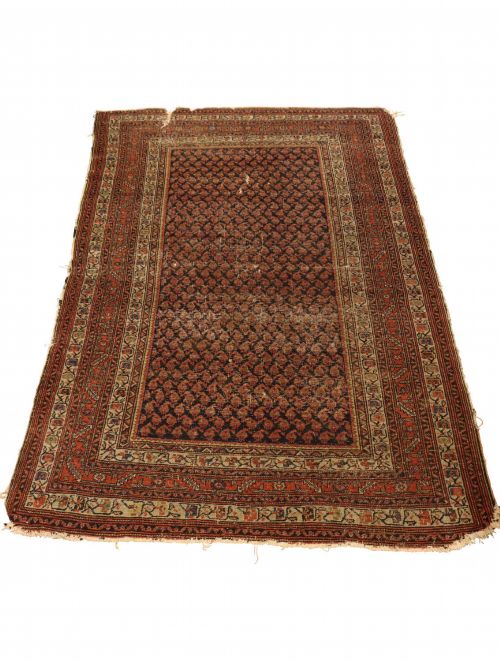


Rust Red Persian Rug
A rust red persian rug brings deep madder tones and geometric motifs into a room, grounding the space with centuries of nomadic and village weaving tradition.
Rust Red Persian Rug
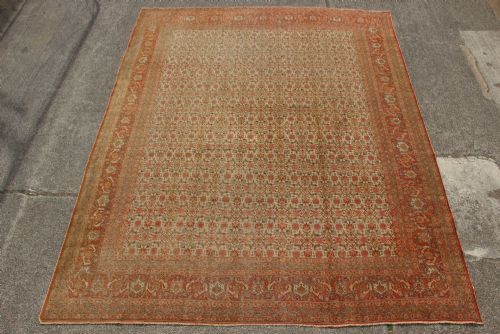
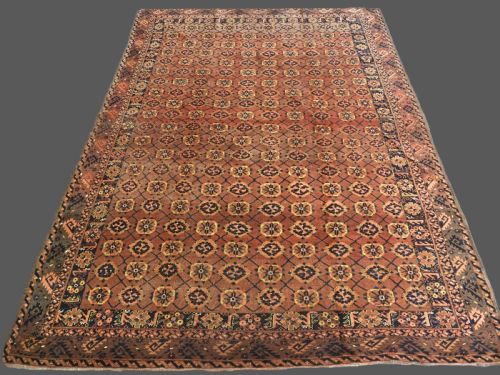
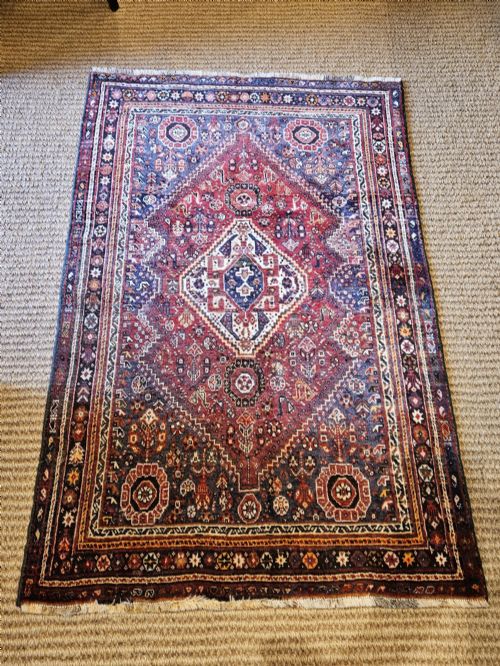
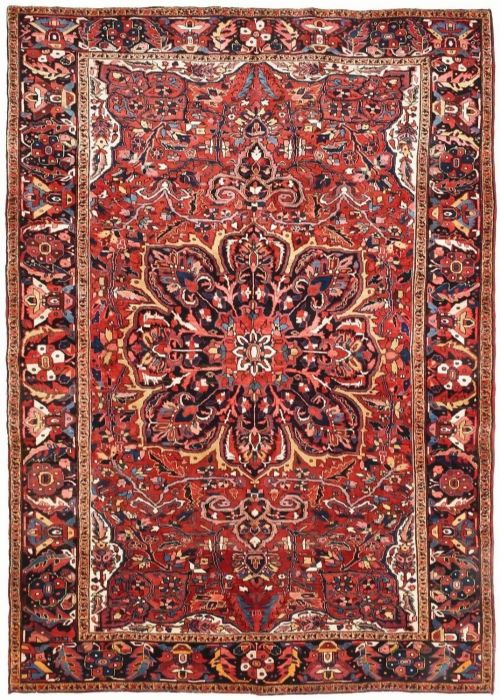
A rust red persian rug encompasses hand-knotted village and tribal carpets originating from distinct weaving regions across Persia and surrounding territories. These floor coverings span the late nineteenth and early twentieth centuries, capturing the distinct aesthetic of Heriz, Tabriz, Baluch, and Mahal workshops.
Buyers exploring this category encounter varied formats, from room-sized carpets down to narrow runners and compact scatter rugs. The palette relies heavily on rich madder red and terracotta hues contrasted against deep indigo and ivory details.
Geographic attribution often dictates the structure of the piece, with village carpets displaying bold geometric medallions while tribal pieces favour repeating motifs and asymmetrical layouts.
Materials and construction methods
The foundation of these textiles typically relies on hand-spun wool pile knotted onto sturdy cotton or wool warp and weft threads. Certain nomadic pieces incorporate goat hair along the outer corded edges for added structural resilience.
Natural dye stuffs, particularly madder root for the characteristic red tones, provide the foundation for the colour palette. Weavers tie the pile by hand using symmetric or asymmetric knots before shearing the surface to an even pile.
Rust Red Persian Rug Retail Price Guide 2026
Typical asking prices for rust red persian rug among the pieces listed under this phrase on Sellingantiques today, from the lower quarter to the upper quarter. They describe what is for sale here now, not the wider market.
Nomadic weavers sometimes inserted intentional irregularities into their geometric patterns to ward off the evil eye.
Evaluating weave and material standards
Knot density and structural tension determine the crispness of the geometric patterns and the overall durability of the floor covering. Tighter knotting allows intricate medallions and boteh motifs to maintain sharp definition.
The quality of the wool impacts the handle and lustre of the pile, with high-lanolin fleeces retaining suppleness and rich colour saturation over decades of use.
Ersari Turkmen·Salar Khani Baluch·Sauj Bulagh Tribe·Khorasan Baluch
The Rust Red Persian Rug Glossary
- Boteh
- A teardrop or almond-shaped motif representing a floral sprout or cypress tree. This ancient symbol appears frequently across tribal and village carpets.
- Madder
- A natural dye derived from the root of the Rubia plant, producing deep red and rust tones. It forms the primary colour base for these traditional floor coverings.
- Warp
- The vertical foundation threads stretched tightly on the loom before knotting begins. The visible fringes at either end of the rug are extensions of these structural cords.
- Weft
- The horizontal threads passed across the warp strands after every row of knots to secure the pile in place. They dictate the structural firmness of the woven fabric.
- Gul
- A medallion or repeating octagonal stamp used primarily by tribal weavers. These geometric emblems often signify specific nomadic lineages and ancestral designs.
Rust Red Persian Rug: Frequently Asked Questions
How do I clean an antique rug safely?
Gentle surface brushing and professional specialist washing maintain the integrity of the natural wool pile. Avoid harsh chemical agents and excessive moisture during upkeep.
Periodic rotation prevents uneven fading and wear patterns from foot traffic and direct sunlight exposure.
Where should I place a long runner?
Narrow formats suit hallways, corridors, and galley kitchens where foot traffic benefits from a durable wool barrier. Measuring the clearance ensures doors swing freely over the piled surface.
Underlay placement prevents slipping on hardwood and stone flooring while reducing friction against the foundation threads.
How are different regional styles told apart?
Heriz and Karadja formats display large geometric centre medallions with sharp, architectural lines. Baluch and Afghan pieces favour smaller repeat patterns and darker indigo fields.
Border designs and structural stiffness also provide clues to whether a piece originated from a sedentary village workshop or a nomadic camp.
What causes the rust red colour variation?
Natural madder dye reacts to mineral content in local water supplies and variations in wool absorption during the boiling process. These subtle shifts create abrash, where the shade transitions organically across the field.
Hand-spun yarn further enhances this tonal depth because different fleece batches absorb dye pigments at varying rates.