




Caucasian Style Wool Carpet
A caucasian style wool carpet brings geometry and dense natural colour to a hallway or floor, drawing on centuries of village and tribal weaving traditions.
Caucasian Style Wool Carpet
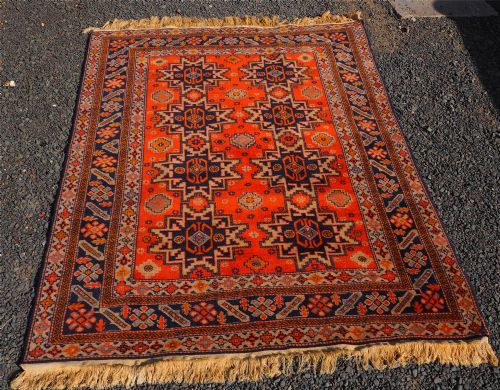
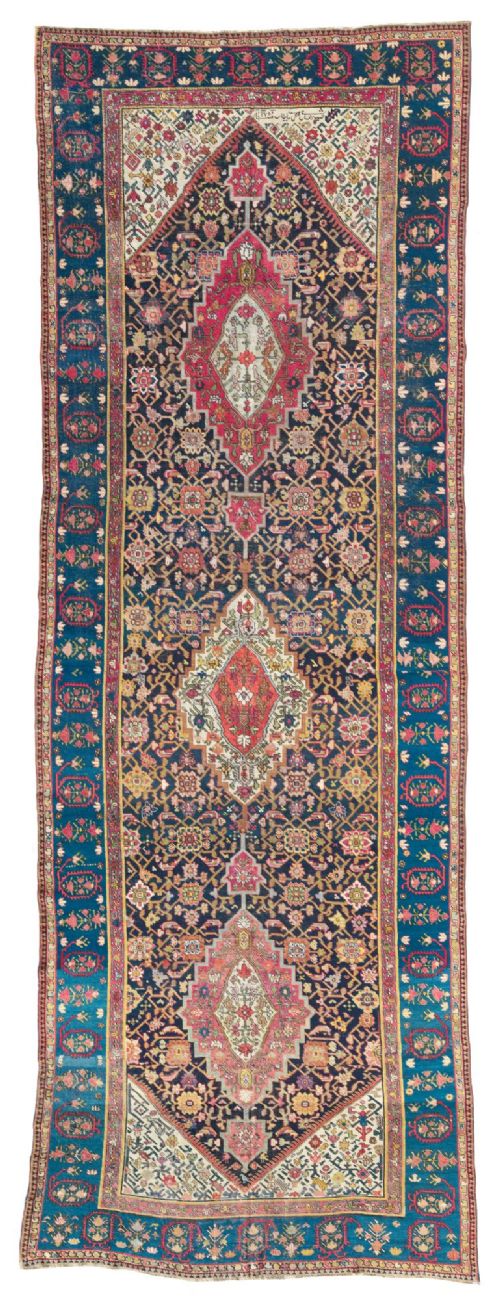
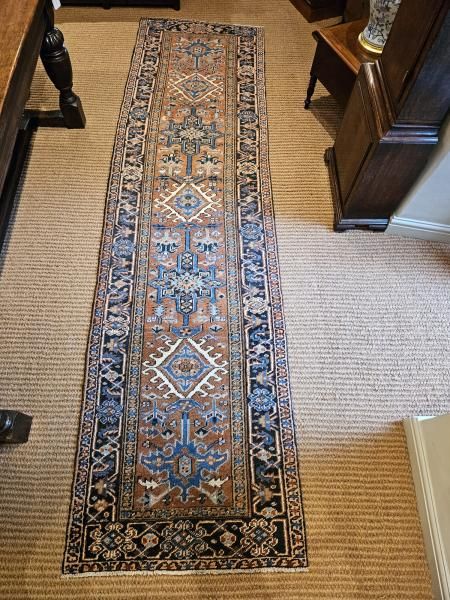
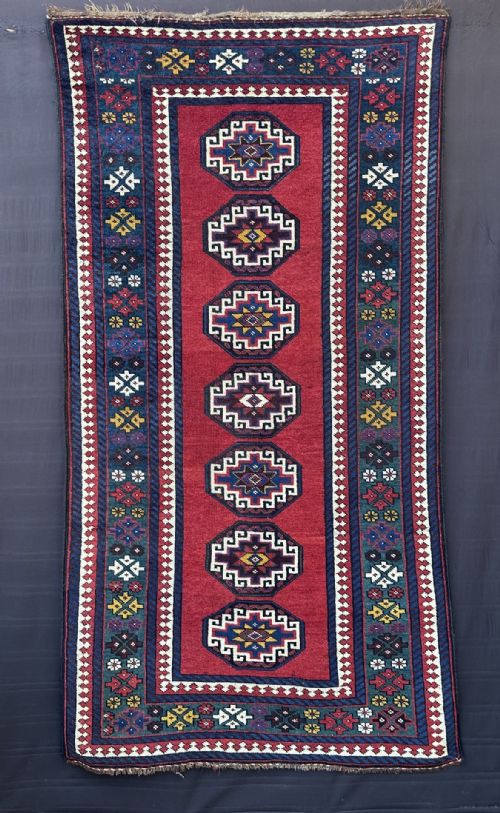
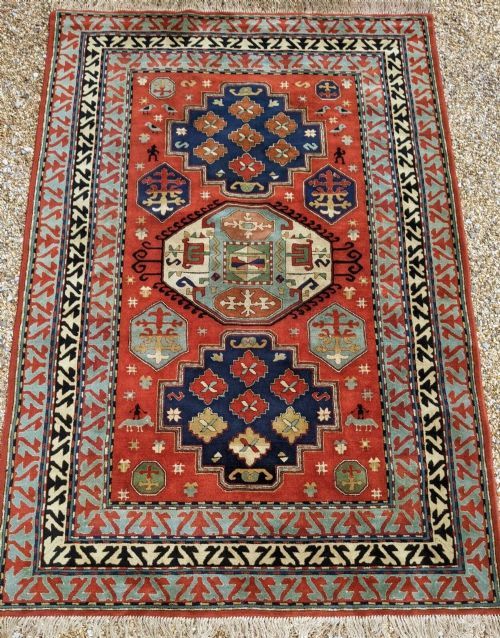
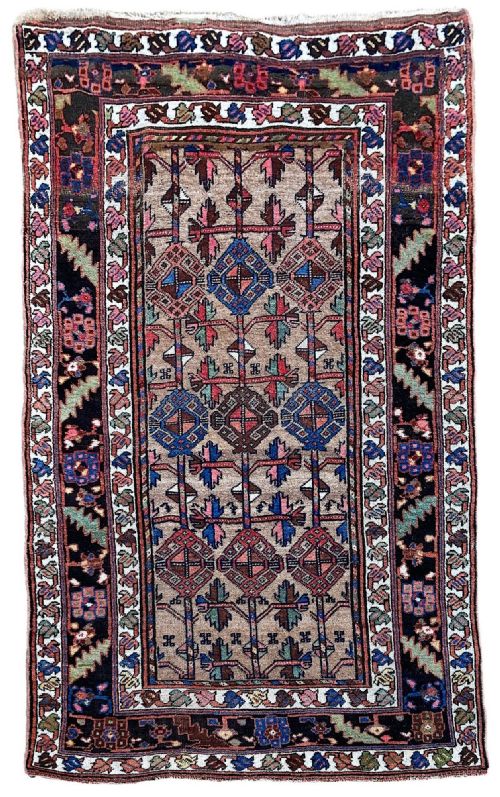
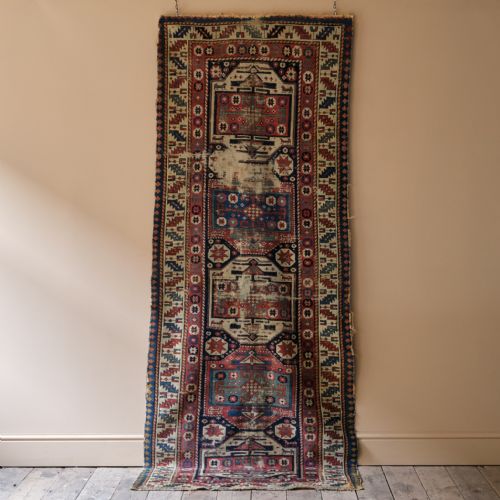
When someone searches for a caucasian style wool carpet, they find hand-knotted village and tribal floor coverings originating from the nineteenth and early twentieth centuries. The selection encompasses formats ranging from long hallway runners to square area rugs, often displaying strong geometric medallions and stylised animal or plant motifs. These floor coverings reflect regional traditions from the Caucasus and north-west Persia, produced by weavers working in small communities.
The pieces on this page span several decades from the late nineteenth century up to the 1930s. Buyers frequently encounter formats such as the Kazak, Karaja, Heriz, and Sarab, each exhibiting distinct palette choices and border arrangements. Hand-knotted formats include prayer rugs, village carpets, and narrow runners suited to specific architectural spaces.
Village production accounts for a substantial proportion of the inventory, showing the character of household or local workshop output rather than large factory manufacture. These items often integrate traditional motifs passed down through generations, resulting in repeating geometric patterns and saturated primary colours set against dark or ivory grounds.
How they were made
The construction relies fundamentally on wool piles knotted onto cotton or wool foundation warps and wefts. Many examples incorporate hand-spun wool, which absorbs natural dyes with subtle variations in tone along the length of each single strand. Camel hair also appears in specific areas, contributing un-dyed natural brown or golden shades to the overall composition.
Weavers utilised upright looms to knot the wool yarn by hand, creating dense pile structures designed to withstand heavy domestic traffic. Foundation threads typically consist of sturdy cotton or wool cords that maintain the tension and geometric integrity of the design. Once knotted, the pile is sheared to a uniform height, revealing the intricate linear patterns of the field and border.
Materials recorded across current inventory include hand-spun wool, cotton foundations, and natural camel hair.
What varies in quality
Quality in these woven items rests on the density of the knotting and the crispness of the drawn geometry. Finer knot counts allow complex geometric medallions and sharp outlines to emerge with greater clarity across the central field. Materials also play a role, as hand-spun wool yields a softer tactile handle and a richer depth of colour compared to more uniform machine-spun yarns.
The integrity of the foundation and the preservation of the original borders influence the overall status of a piece. Examples retaining their outer guard stripes and original end finishes display a greater degree of completeness. Furthermore, the harmonious ageing of natural dyes creates a pleasing patination that distinguishes superior village and tribal weaving.
Karabagh weavers·Kelardasht weavers·Heriz workshops·Sarab weavers·Afshar weavers
The Caucasian Style Wool Carpet Glossary
- Warp
- The vertical foundation threads stretched tightly on the loom before knotting begins. These longitudinal threads form the structural skeleton of the rug.
- Weft
- The horizontal threads passed back and forth between the warp rows to secure the knots in place. They determine the firmness of the rug body.
- Medallion
- A large central ornamental motif placed in the middle of the field. These geometric shapes often dominate the visual composition of village carpets.
- Pile
- The upright cut ends of the knotted yarn that form the usable surface of the carpet. Its thickness and density dictate the tactile feel underfoot.
- Guard stripe
- A narrow border flanking the primary main border of a rug. These secondary bands frame the central decorative programme.
Caucasian Style Wool Carpet: Frequently Asked Questions
Where were these carpets originally made?
The pieces originate primarily from the Caucasus region and north-west Persia, including areas such as Karabagh, Shirvan, Heriz, and Sarab. Village weavers and nomadic tribes produced them in local communities using regional design motifs.
Production methods remained tied to household and small workshop traditions rather than large industrial outputs, ensuring distinct local characteristics for each valley or town.
How do I care for an old wool rug?
Regular gentle vacuuming without a rotating power brush helps remove grit from the wool pile without damaging the foundation threads. Professional cleaning suited to antique textiles preserves the natural lanolin in the wool.
Keeping the rug out of direct, prolonged sunlight prevents the natural dyes from fading unevenly across the surface of the pile.
What is the difference between a runner and a carpet?
Runners are long, narrow formats specifically designed for hallways, corridors, and narrow passageways. Carpets and large area rugs offer broader rectangular proportions intended to anchor seating groups and larger rooms.
Both formats employ the same hand-knotting techniques and wool materials, varying only in their proportional dimensions.
Are camel hair rugs different from standard wool?
Camel hair introduces un-dyed natural golden-brown or beige tones into the palette without relying on applied vegetable or synthetic dyes. The fibre provides a distinct texture and warm undertone within the pile.
Weavers frequently utilised this material in specific borders or background fields to create subtle tonal contrast against brighter red or blue wool areas.