









Rosewood Plant Stand
A rosewood plant stand elevates a heavy pot or urn, bringing foliage into the room on a sturdy, decorative pillar.
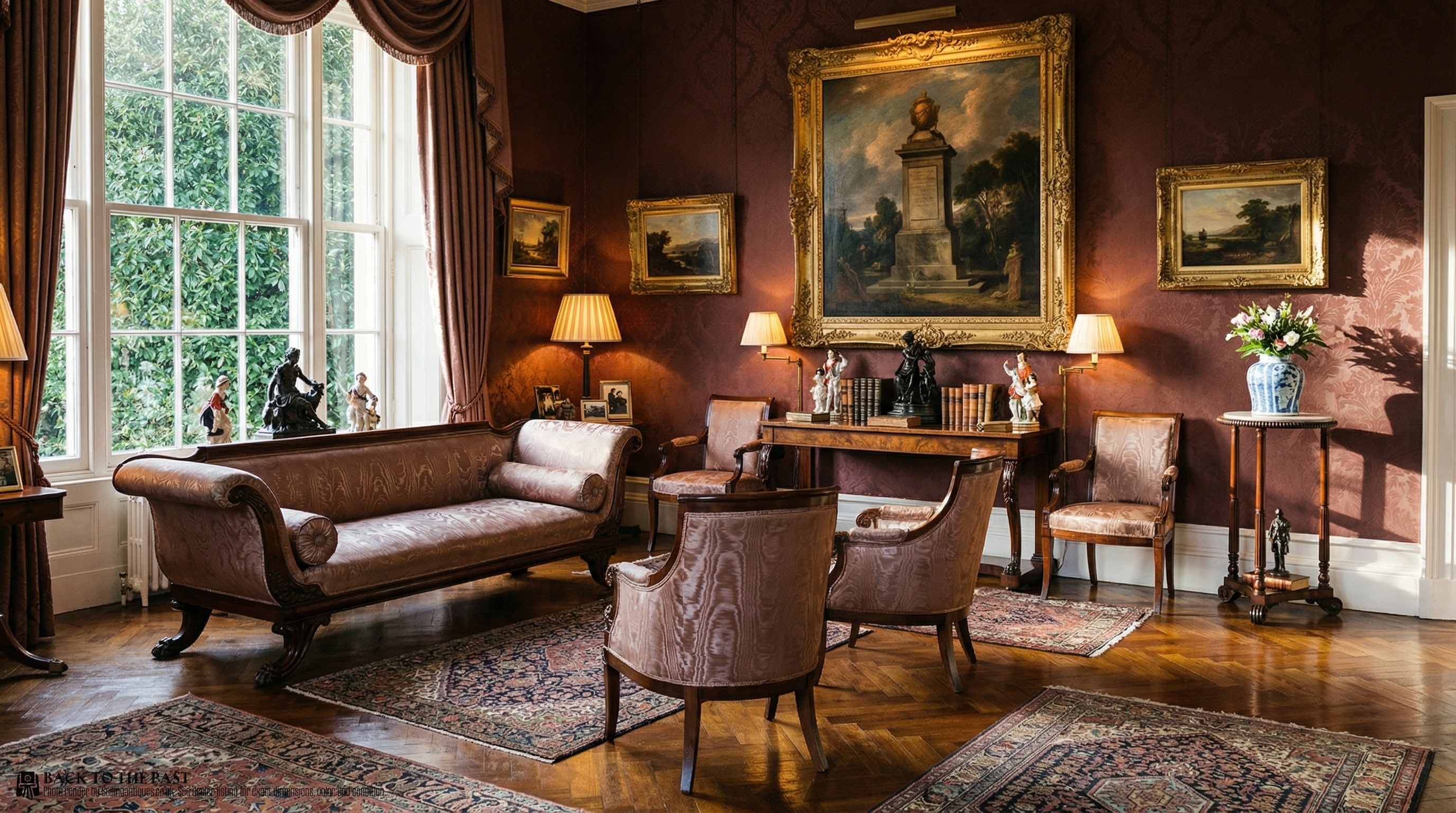
Rosewood Plant Stand
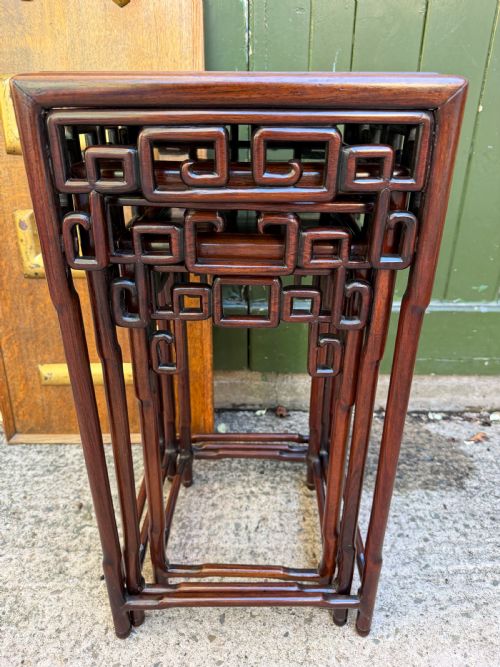
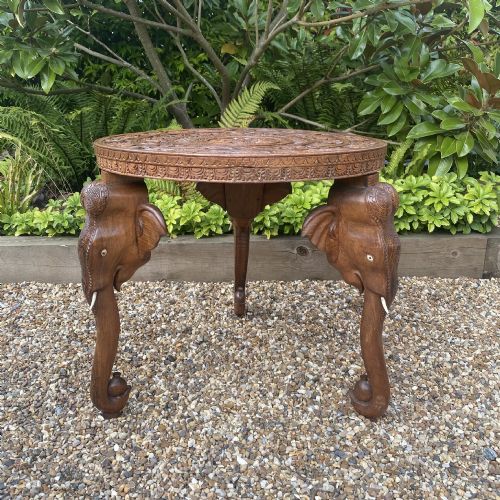
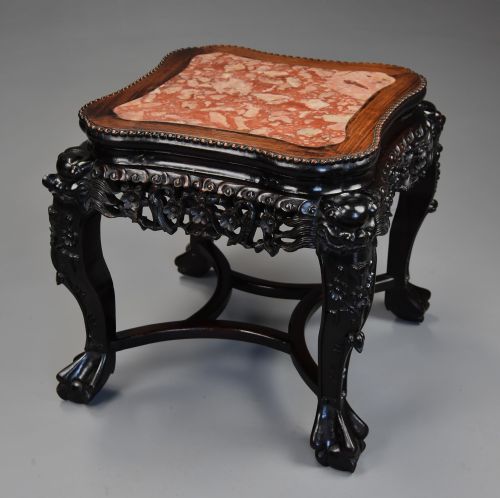
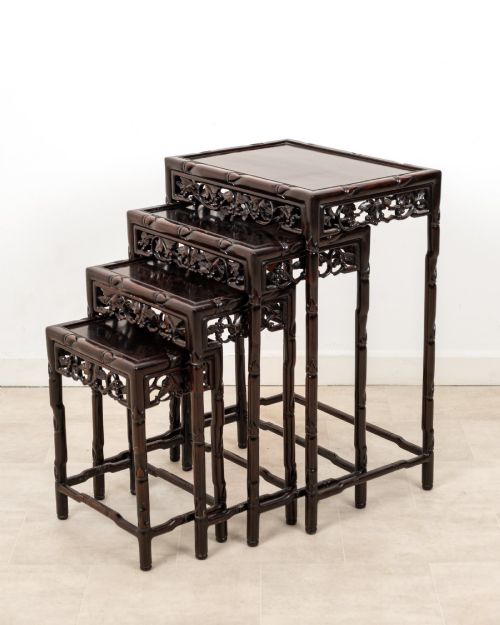
A rosewood plant stand appears in various forms across this selection, serving as a pedestal, low table, or jardiniere stand for displaying a ceramic pot or vase.
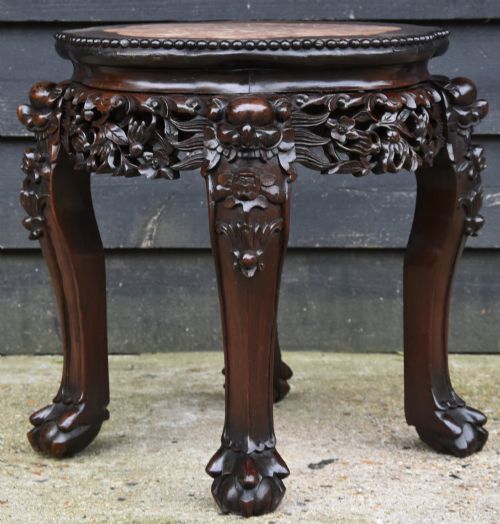
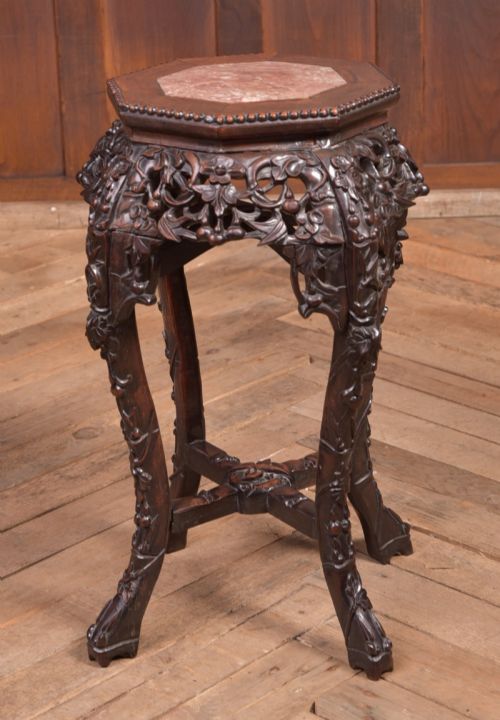
The most frequent style met here is the Chinese carved hardwood stand, often featuring a circular or square top inset with marble.
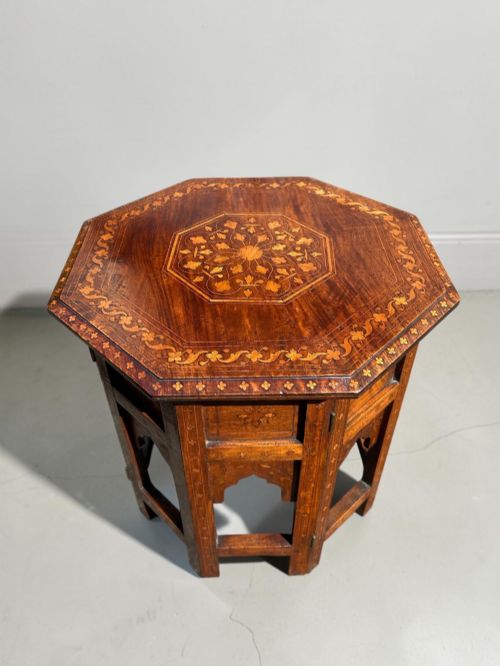
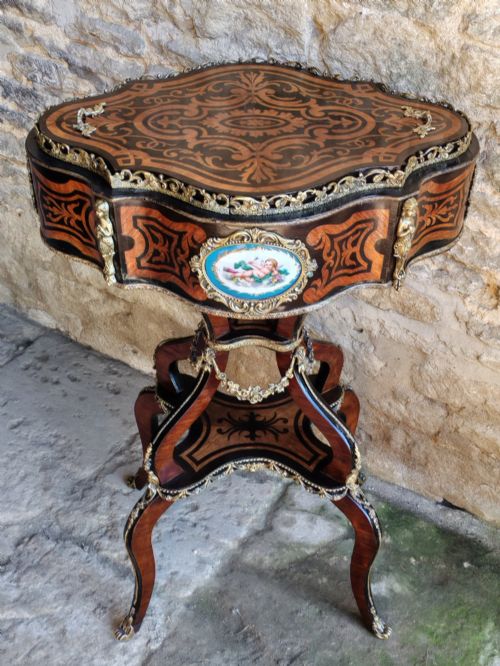
Beyond East Asian export pieces, the search phrase encompasses British Victorian and Regency designs, alongside intricate Anglo-Indian octagonal tables and occasional stands.
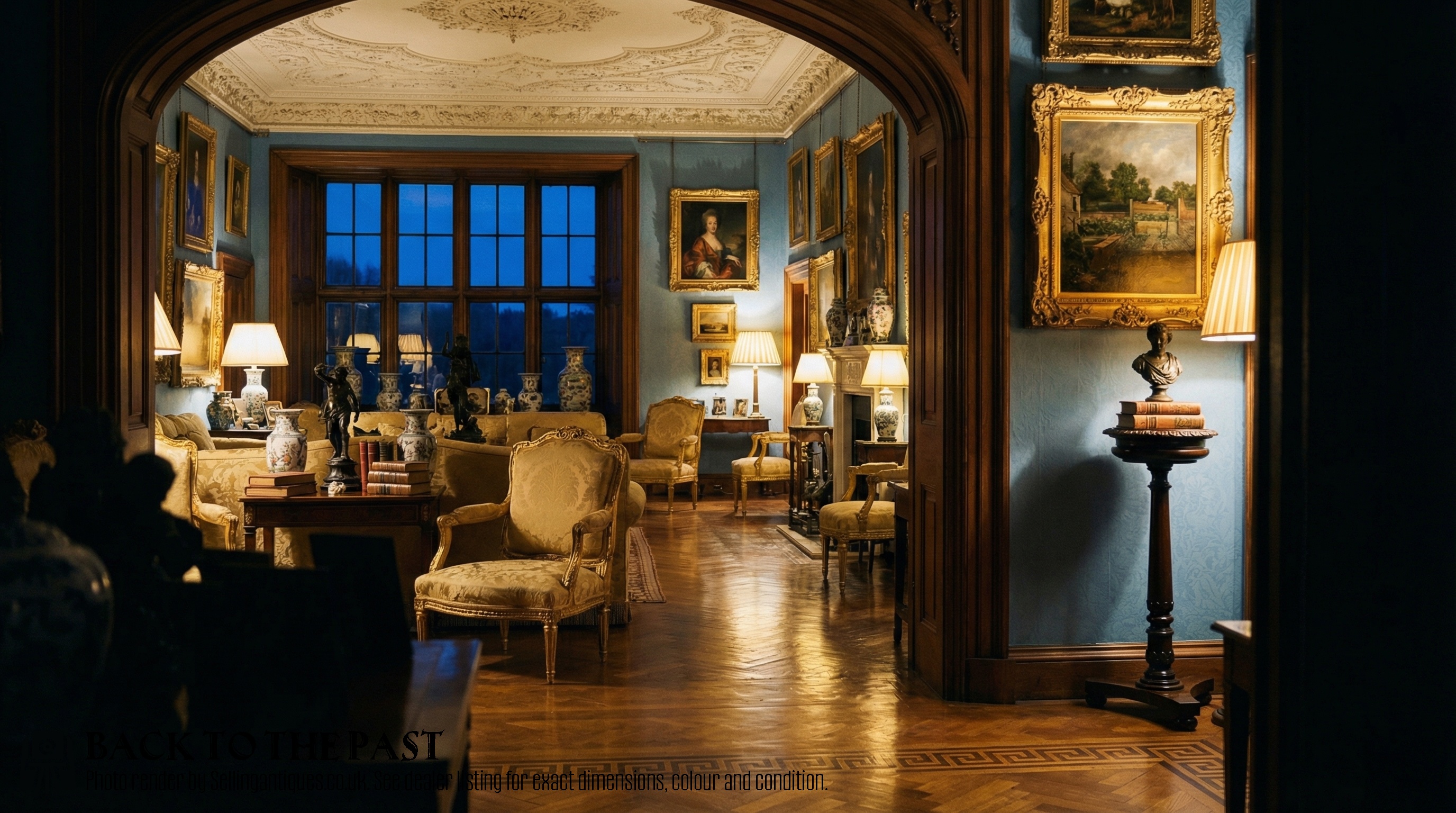
How They Were Made
Craftsmen shaped dense timbers like rosewood, padouk, and other hardwoods using traditional joinery, allowing the dense grain to carry deep, hand-carved motifs.
Many tabletops incorporate inset panels of rouge or white marble to create a cool, water-resistant surface designed to hold damp flowerpots.
Finer examples integrate contrasting materials, employing bone inlay, brass wirework, mother-of-pearl, or gilded ormolu mounts to accentuate the dark wood.
Rosewood Plant Stand Retail Price Guide 2026
Typical asking prices for rosewood plant stand among the pieces listed under this phrase on Sellingantiques today, from the lower quarter to the upper quarter. They describe what is for sale here now, not the wider market.
The inventory combines nineteenth-century Chinese export hardwood stands with British Victorian rosewood furniture and Anglo-Indian bone-inlaid occasional tables.
What Varies in Quality
The depth and crispness of the carving distinguish a superior stand from a plain one, with high-tier pieces displaying undercut foliage and pierced aprons without mechanical shortcuts.
The choice of secondary materials marks the grade of the piece, particularly the weight and figuring of the marble insert and the precision of inlaid bone or brass.

Gillows·Liberty And Co
The Rosewood Plant Stand Glossary
- Jardiniere
- An ornamental pot or stand designed to hold a plant or flower arrangement. It often sits upon a matching pedestal or low table.
- Hongmu
- A traditional Chinese term for dense hardwoods, encompassing rosewood and padouk. These timbers take a dark, polished finish.
- Padouk
- A heavy exotic hardwood with a reddish-brown hue. It shares similar working properties and durability with rosewood.
- Torche, or Torchere
- A tall, slender stand meant to hold a lamp, vase, or decorative urn. It lifts the object well above floor level.
- Marquetry
- The art of applying small pieces of veneer to a structure to form decorative patterns. It frequently employs contrasting timbers.
Rosewood Plant Stand: Frequently Asked Questions
What is a plant stand used for?
These pieces elevate indoor plants, jardiniere bowls, and heavy ceramic vases to improve visibility and protect flooring from moisture. They function in domestic spaces as decorative focal points for greenery.
Historically, they placed prized botanical specimens at window height to capture sunlight. Today, they serve equally well supporting lamps or decorative objects.
How do I tell Chinese export stands apart from Victorian ones?
Chinese export stands utilise dense Asian hardwoods like hongmu and padouk, frequently featuring marble inset tops and deep, sinuous carving motifs. They reflect Qing dynasty aesthetics.
British Victorian pieces generally employ European rosewood or satinwood, sometimes showing Aesthetic Movement crossbanding or Regency proportions. The structural joinery and timber preparation differ accordingly.
Can these stands support heavy pots?
Solid rosewood and hardwood construction provides exceptional natural strength, allowing these stands to bear heavy ceramic jardiniere bowls filled with soil. The dense grain resists warping under vertical loads.
Stands featuring delicate inlaid bone or intricate pierced aprons require careful placement to avoid lateral knocks. The stability depends primarily on the breadth of the base.
Where should I place a marble top stand?
The marble insert tolerates damp terracotta pots and overflowing water, making these stands ideal for indoor plant displays near a light source. The stone surface wipes clean easily.
Positioning the stand away from direct radiator heat prevents the surrounding hardwood from drying out and splitting. Placing it on level flooring ensures the tall pedestal remains secure.