


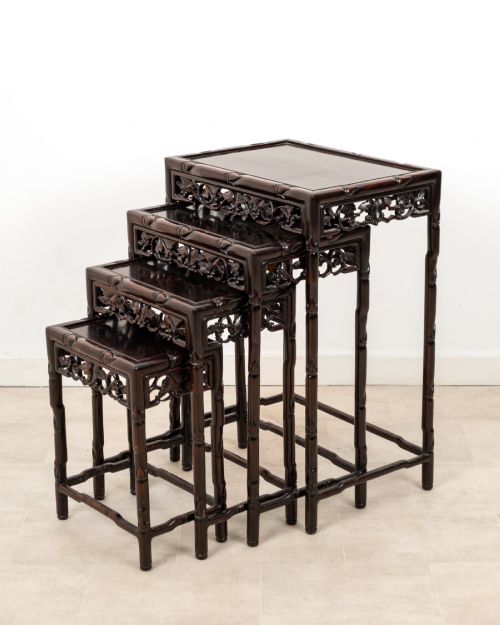
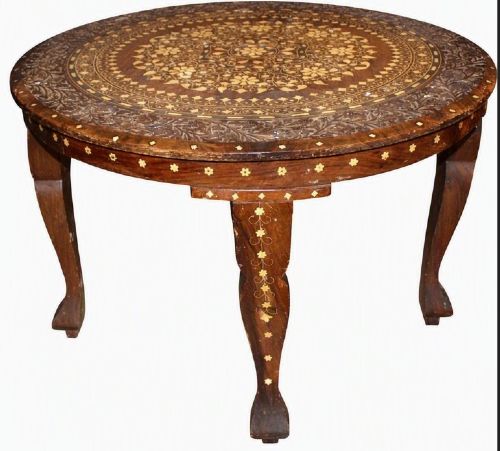
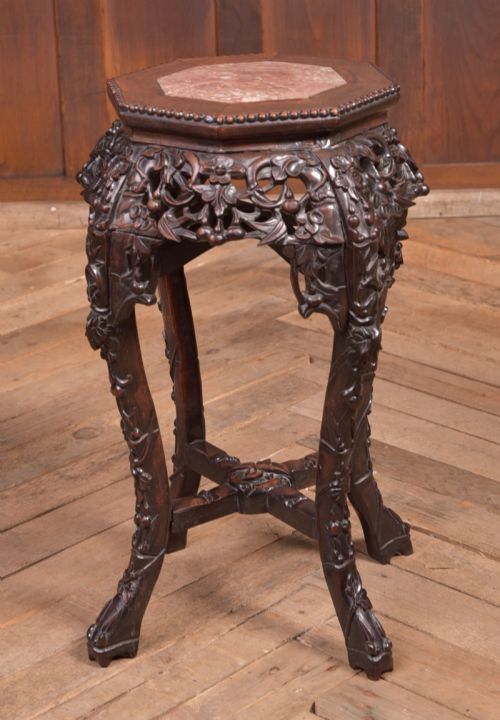
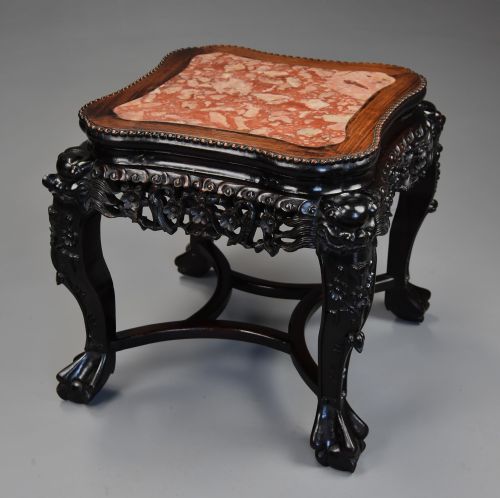
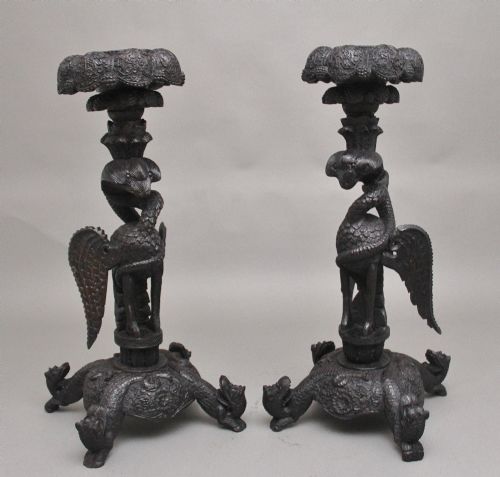
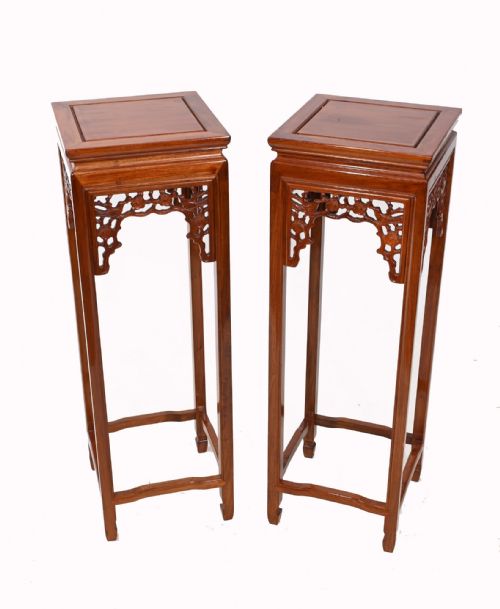
Rosewood Oriental Stand
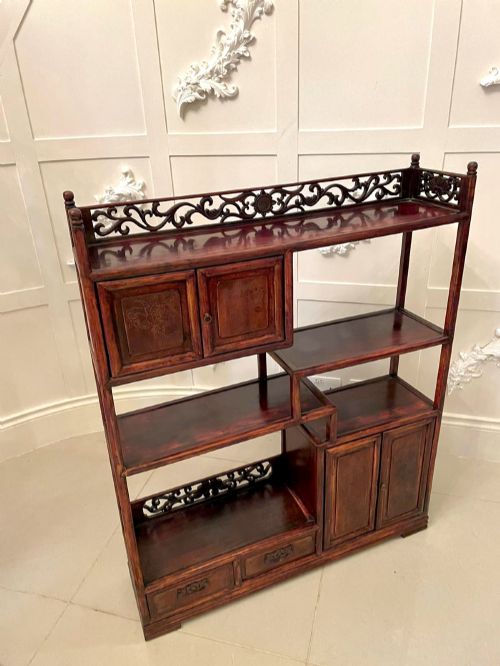
These rosewood oriental stand pieces elevate heavy ceramic pots and display precious objects through solid construction and carved timber.
Rosewood Oriental Stand
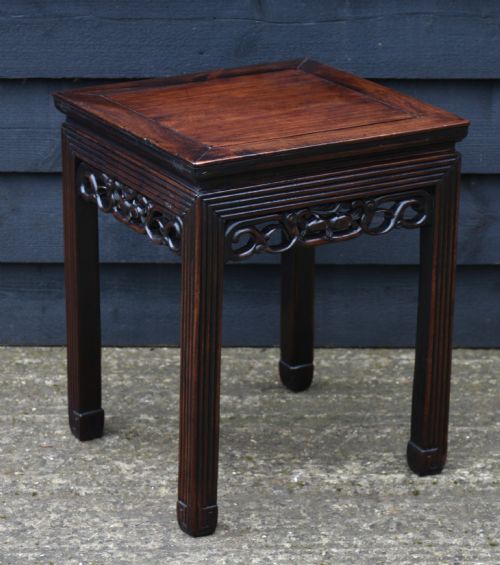
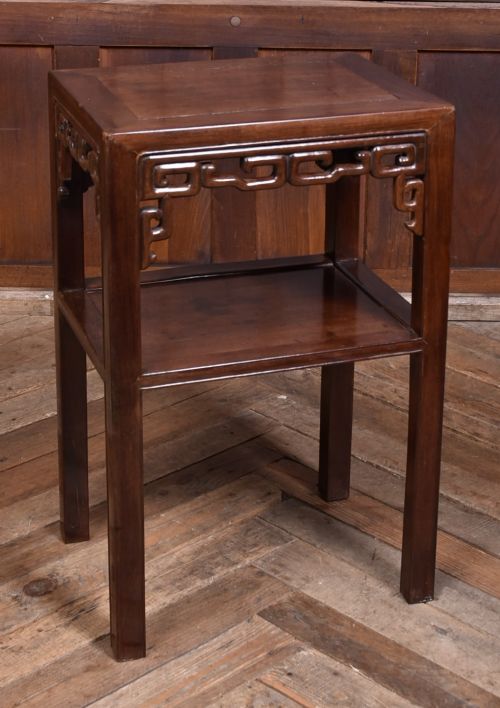
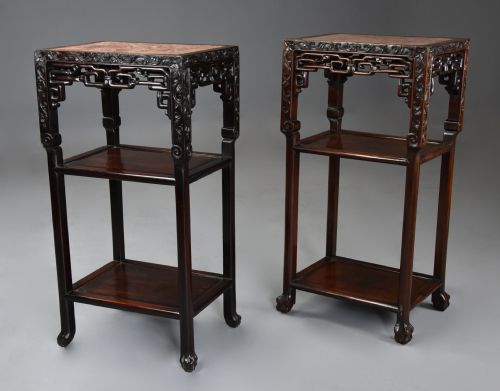
A rosewood oriental stand serves primarily as a decorative platform for plants, vases, and urns within traditional interiors. Buyers searching this phrase encounter diverse forms ranging from low table variations to tall pedestal supports.
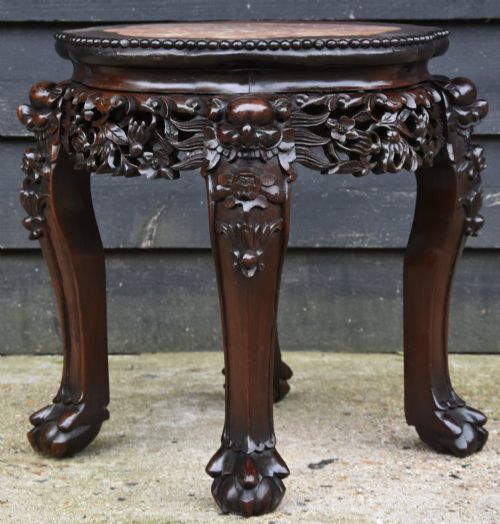
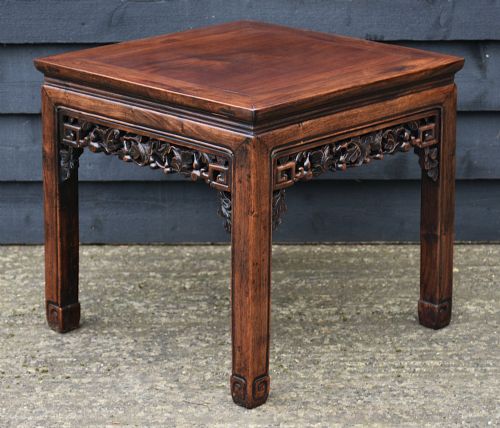
Most examples originate from nineteenth century Chinese workshops or Anglo-Indian trading centres. The selection commonly includes marble inset surfaces, square low tables, and specialised jardiniere holders designed for domestic display.
Materials and construction methods
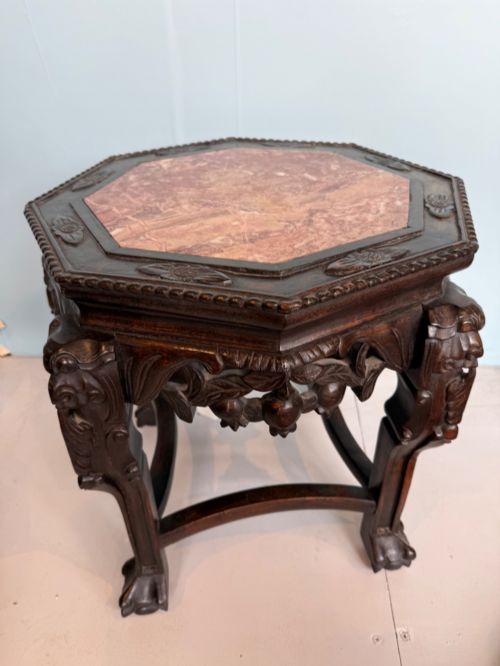
Craftsmen utilised dense hardwoods including rosewood, hongmu, and padouk, which supported intricate hand-carved relief detailing without splitting. These heavy timbers frequently incorporate inset marble panels to provide a stable, heat-resistant surface for ceramic vessels.
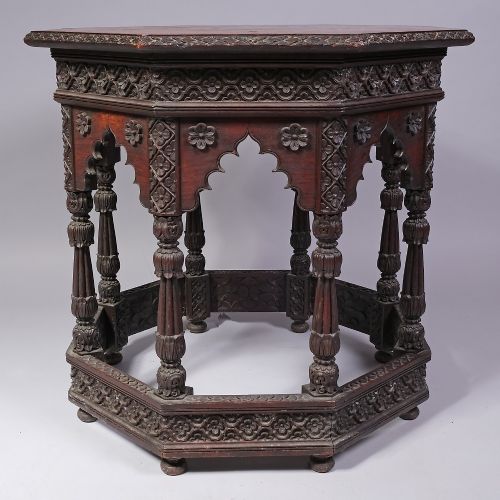
Assembly often relied on traditional joinery techniques combined with bone inlay, mother of pearl accents, or brass elements. Workshops shaped the structural frames into circular, square, or octagonal configurations suited to specific domestic uses.
Several heavy hardwood tables double as pedestals for solid wooden elephants.
Distinctions in craftsmanship and material
Quality depends upon the crispness of the hand-carved decoration and the density of the selected hardwood. Superior examples display deep, three-dimensional relief work that remains sharp across complex floral or geometric motifs.
The integration of inset marble panels and secondary materials like bone or mother of pearl influences the overall execution. Tighter joinery and well-balanced proportions separate standard production items from finer workshop pieces.
Liberty & Co
The Rosewood Oriental Stand Glossary
- Hongmu
- A dense, dark tropical timber frequently utilised in traditional Chinese furniture manufacture. The material accepts intricate hand carving exceptionally well.
- Jardiniere stand
- A tall or low support specifically designed to hold heavy ceramic plant pots and floral containers. These pieces feature water-resistant surfaces such as marble or glazed tile.
- Pedestal stand
- An elevated vertical support utilised for displaying sculptures, vases, or decorative lamps. They offer significant height while maintaining a compact footprint.
- Chinoiserie
- European artistic styles reflecting Chinese decorative motifs and construction techniques. Makers applied these designs to furniture produced for Western markets.
Rosewood Oriental Stand: Frequently Asked Questions
How were these stands originally used?
These pieces functioned primarily as elevated platforms for heavy ceramic jardiniere pots, bronze vases, and decorative interior objects.
Owners placed them in reception rooms and hallways to display treasured possessions at eye level while protecting wooden floors.
What woods appear in these pieces?
Makers utilised dense tropical timbers including rosewood, hongmu, padouk, and general Asian hardwoods.
These heavy materials supported intricate hand-carved decoration and provided the structural integrity required to bear weighty ceramic vessels.
Why do some tops have marble?
Inset marble panels provided a cool, flat, and water-resistant surface that protected the surrounding wood from damp plant pots.
This stone insert also added decorative contrast and increased the overall weight and stability of the support.
How do I distinguish Chinese and Indian pieces?
Chinese examples frequently display traditional floral carvings, marble inserts, and Qing dynasty design influences.
Indian or Anglo-Indian pieces often incorporate distinct bone inlay, carved animal motifs, and octagonal table configurations.