

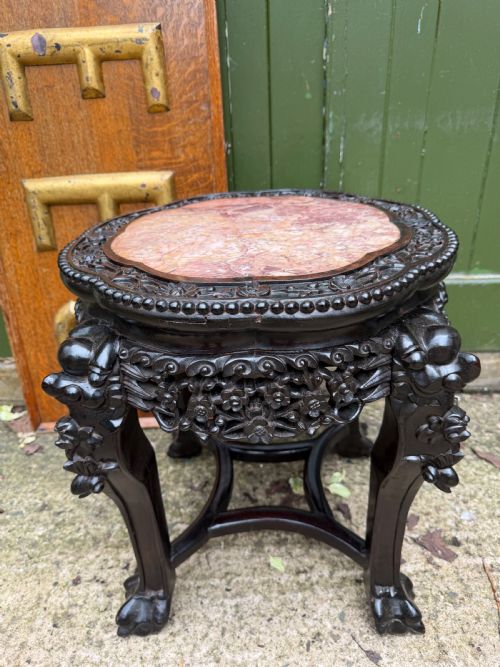


Chinese Carved Vase Stand
A Chinese carved vase stand elevates a vessel or plant with timber and marble, bringing balanced proportion and structural poise to a room.
Chinese Carved Vase Stand
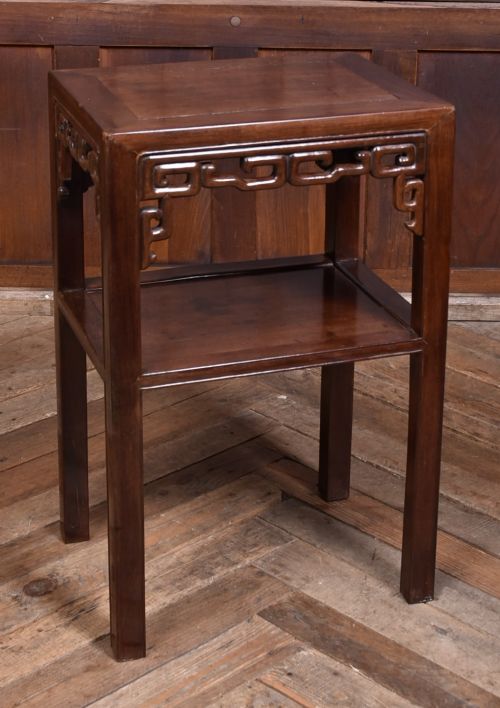
When searching for a Chinese carved vase stand, you encounter low tables, plant pedestals, and jardiniere supports designed to hold heavy vessels. These pieces range from compact nineteenth-century examples to early twentieth-century creations.
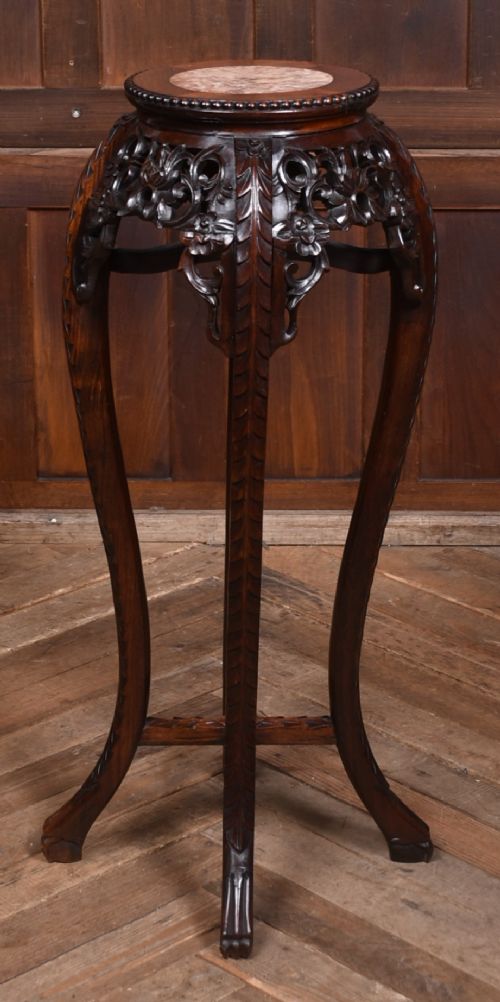
The version you meet most often on this page is constructed from dense timber with an inset marble top, reflecting traditional Qing Dynasty aesthetics and Victorian tastes.
Makers shaped these stands for domestic display, utilising sturdy hardwoods to support ceramic vases, bronze urns, and decorative bowls without shifting.
Materials and Construction
Craftsmen utilised dense exotic timbers such as hongmu, huali, mahogany, and rosewood, carving intricate floral and botanical motifs directly into the solid wood frames.
Many examples incorporate inset variegated rouge marble panels, fitted precisely into the timber top to provide a cool, flat surface for ceramic vessels.
Joinery relied on traditional interlocking techniques without metal fasteners, ensuring the frame held firm under the weight of large porcelain vases and planters.
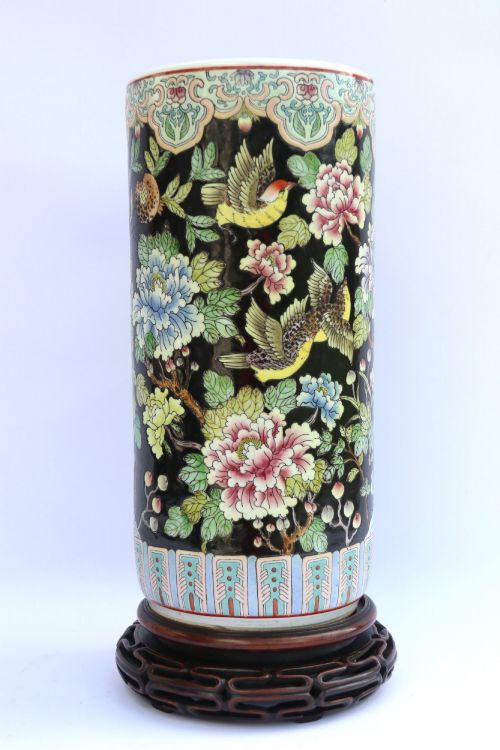
Listings feature pieces spanning the nineteenth century through the 1930s, utilising hardwood, marble, porcelain, and lacquer in traditional Chinese and export styles.
Craftsmanship and Material Depth
The quality of a stand rests upon the depth and crispness of the wood carving, where sharper undercutting and defined botanical details distinguish finer workshop output.
Selection of the timber and marble also varies, with superior pieces showing rich grain patterns in the hardwood and well-matched, unblemished stone inserts.
Structural integrity and the retention of original surface patination separate well-preserved examples from those with replaced components or heavily stripped finishes.
The Chinese Carved Vase Stand Glossary
- Hongmu
- A dense, dark tropical hardwood traditionally used in fine Chinese furniture and vase stands. It translates literally to red wood.
- Huali
- A fragrant and highly prized Chinese hardwood prized for its decorative grain and durability. Furniture makers utilised it for prestigious display pieces.
- Jardiniere
- A large ornamental pot or container for plants and flowers. These stands were specifically proportioned to elevate such vessels.
- Qing Dynasty
- The final imperial dynasty of China, lasting from the seventeenth to the early twentieth century. Many surviving stands reflect the styles of its later decades.
- Cloisonne
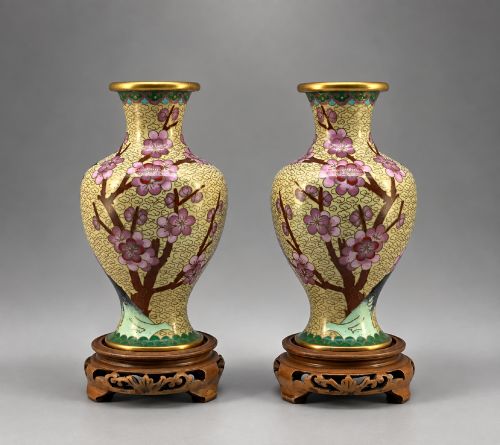
- An enamel technique where metal wire creates compartments on a base to hold coloured paste. Some listings feature these decorated vessels paired with wooden stands.
Chinese Carved Vase Stand: Frequently Asked Questions
What were these stands used for?
These pieces served primarily to elevate heavy porcelain vases, jardiniere bowls, and decorative urns off the floor or table surface. Raising the vessel protected delicate surfaces and displayed the ceramic art at eye level.
In Western interiors of the Victorian period, they also functioned as small occasional tables, lamp stands, or plant pedestals to showcase imported Asian wares.
How do I date a Chinese vase stand?
Dating relies upon timber selection, construction methods, and stylistic indicators such as the presence of Qing Dynasty carving conventions. Nineteenth-century pieces typically exhibit heavier, denser hardwoods and hand-carved joinery.
Later Edwardian and early twentieth-century examples often display slight variations in proportion and finish, reflecting the changing demands of European export markets.
What is hongmu wood?
Hongmu is a category of dense, heavy tropical hardwood used extensively in traditional Chinese furniture making. It possesses a naturally dark colour and high structural durability.
This material allowed artisans to execute deep, intricate relief carvings without compromising the load-bearing strength of the stand.
Why do some stands have marble tops?
Inset marble tops provided a cool, durable surface that could withstand moisture from potted plants or damp vase bases. Variegated rouge or grey marble also added visual contrast to the dark timber frame.
This combination of stone and wood became a signature feature of export pieces destined for Western homes.
How do I care for antique hardwood?
Maintain the timber by keeping it away from direct heat sources and sudden humidity changes, which can cause the wood to split. Dust regularly with a dry cloth and occasionally apply a neutral wax.
Avoid liquid polishes containing silicones, as they degrade the historic patination accumulated on the surface over the decades.