







Rosewood Marble Table
When you search for rosewood marble table, you are looking at resilient timber frames set with cool stone panels.

Rosewood Marble Table
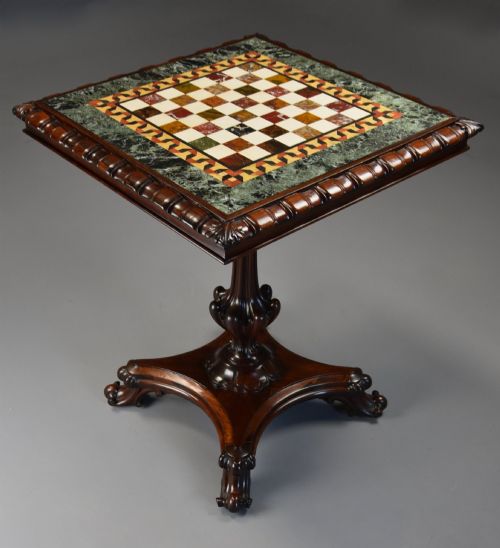
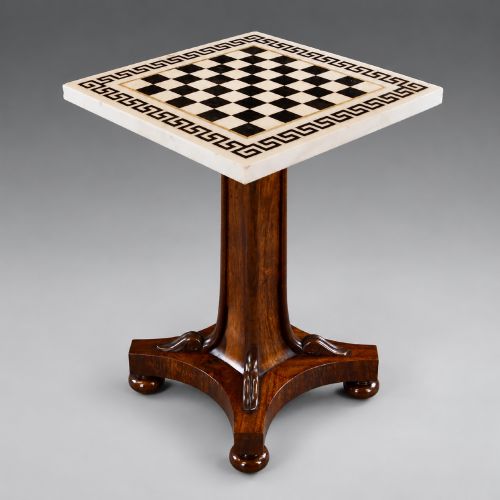
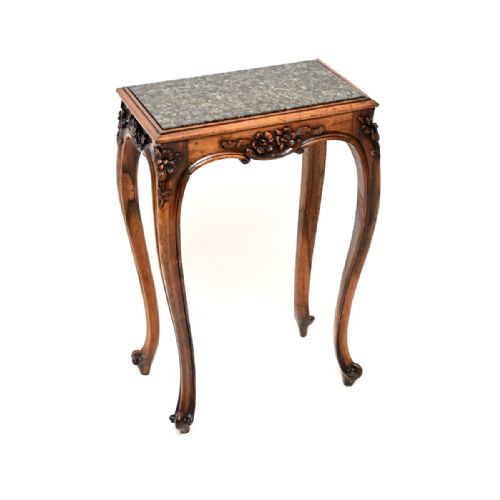
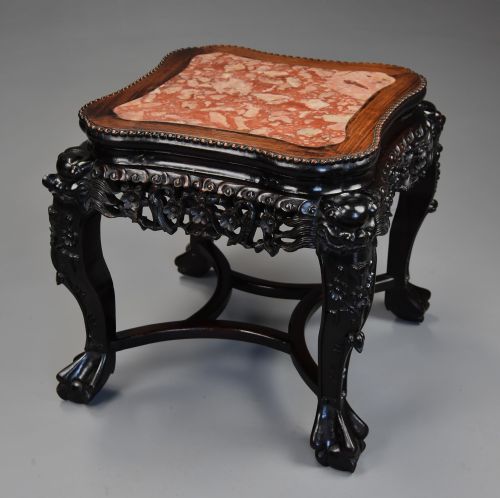
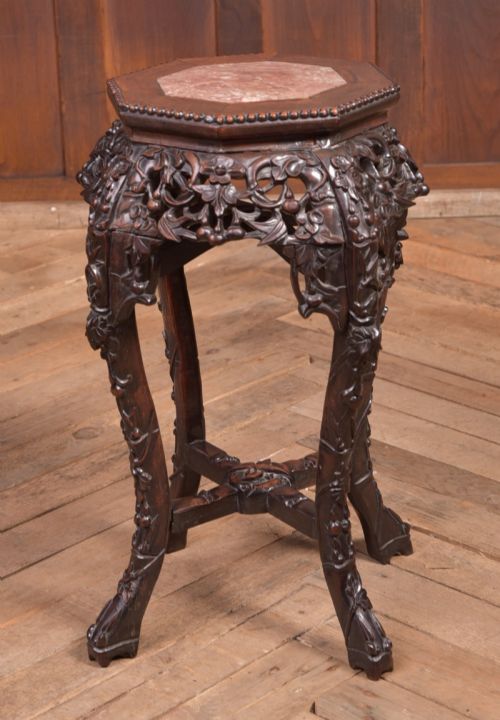
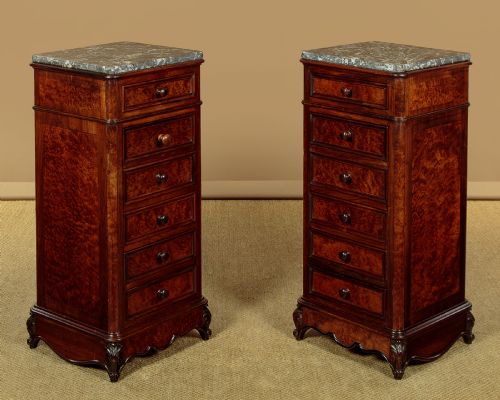
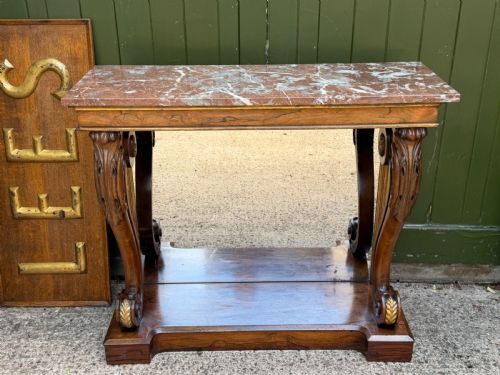
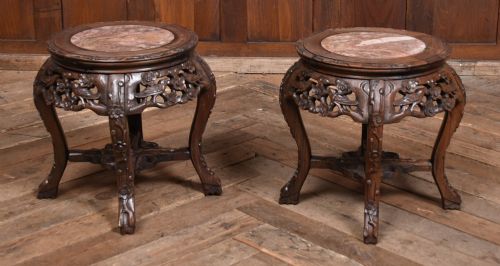
A rosewood marble table combines heavy tropical timber with an inset stone top designed for display or serving. Buyers frequently encounter low plant stands and tall pedestals alongside substantial console and centre tables.
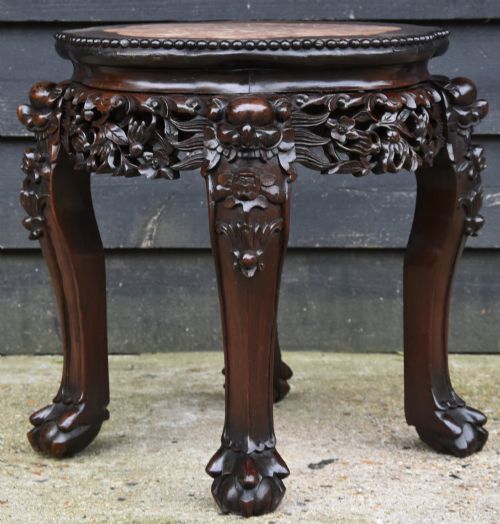
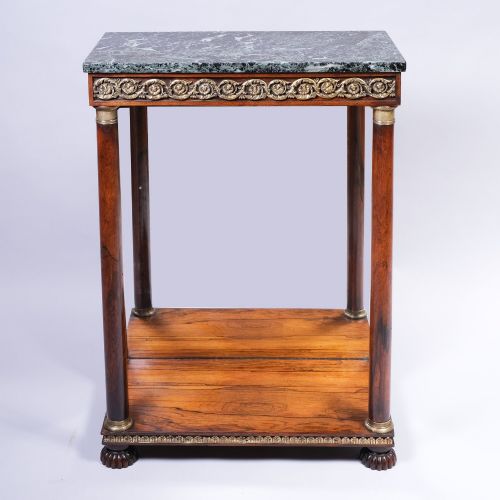
The selections span distinct cultural origins, including European Regency and Victorian drawing-room pieces alongside intricately carved Chinese export furniture. These forms range from compact occasional surfaces to grand pier tables placed against hallways.
European examples often lean towards classical mounts and architectural symmetry, whereas oriental versions utilise dense hardwoods and pierced aprons. Both traditions prioritise the contrast between dark timber figures and polished stone.

How they were made
Cabinet makers joined dense timbers such as rosewood, padouk, and kingwood using traditional joinery to support heavy stone inserts. Frames were sometimes augmented with cast brass mounts, ormolu details, and parcel-gilding.
Marble slabs, including rouge and specimen varieties, were cut and polished to fit precisely into rebated timber tops. Inlaid elements like mother-of-pearl or pietra dura required meticulous hand-cutting into the wooden surface.
Rosewood Marble Table Retail Price Guide 2026
Typical asking prices for rosewood marble table among the pieces listed under this phrase on Sellingantiques today, from the lower quarter to the upper quarter. They describe what is for sale here now, not the wider market.
Common materials recorded include rosewood, padouk, brass, ormolu, and various types of marble.
What varies in quality
Quality rests in the depth of the timber grain and the precision of the carved detailing across skirts and legs. Crisp relief work on Chinese export stands or sharp Regency reeding separates finer examples from utilitarian pieces.
The Rosewood Marble Table Glossary
- Console table
- A wall-mounted or freestanding table designed to stand against a vertical surface, frequently fitted with a mirror back.
- Jardiniere stand
- A tall or low pedestal specifically built to hold heavy plant pots or floral arrangements.
- Pietra dura
- A pictorial inlay technique utilising precision-cut coloured stones fitted together to form ornamental designs.
- Specimen marble
- A polished top composed of various distinct geological marble samples arranged in geometric or mosaic patterns.
- Ormolu
- Gilded bronze mounts applied to furniture edges and legs for decorative contrast.
Rosewood Marble Table: Frequently Asked Questions
Where should I place a console table?
Console tables sit well in entrance halls or against living room walls where their shallow depth maintains clear walkways. They provide a stable surface for lamps and decorative objects without dominating the room.
Pairing them with a matching mirror or painting creates a traditional focal point in domestic interiors.
How do I care for the marble top?
Marble requires gentle cleaning with a damp cloth and mild soap to protect the polished finish from acidic spills. Avoid harsh chemical cleaners that can etch or dull the stone surface over time.
Using coasters under glasses prevents liquid rings from soaking into more porous stone varieties.
What is the difference between a jardiniere stand and a side table?
Jardiniere stands feature smaller surface areas with taller, narrower proportions designed to support heavy planters and urns. Side tables offer broader tops intended for everyday items and lamps.
Both incorporate stone inserts, but plant stands prioritize vertical stability under heavy loads.
How do I identify a Regency period table?
Regency pieces often display classical motifs such as brass inlay, paw feet, and architectural column supports. The timber choice leans heavily towards dark, figured rosewood with crisp carving.
Construction methods from this era utilise solid secondary woods and hand-cut joinery.