

Rosewood Inlay Side Table
These rosewood inlay side table pieces combine rich timbers with intricate decorative work, offering practical surfaces that anchor a room.
Rosewood Inlay Side Table
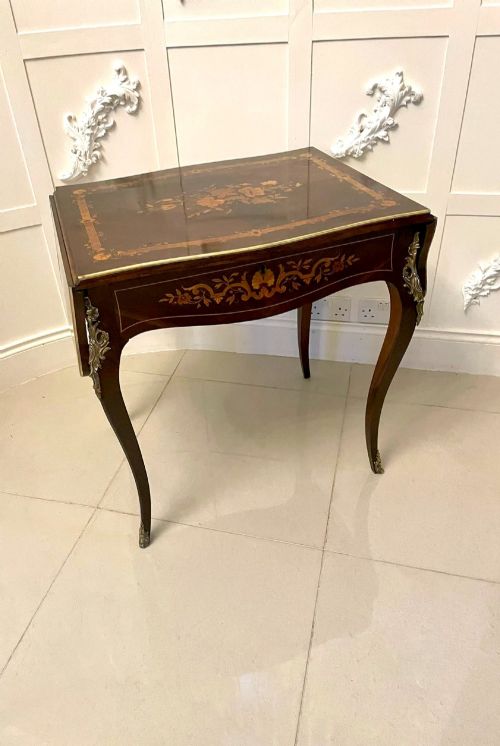
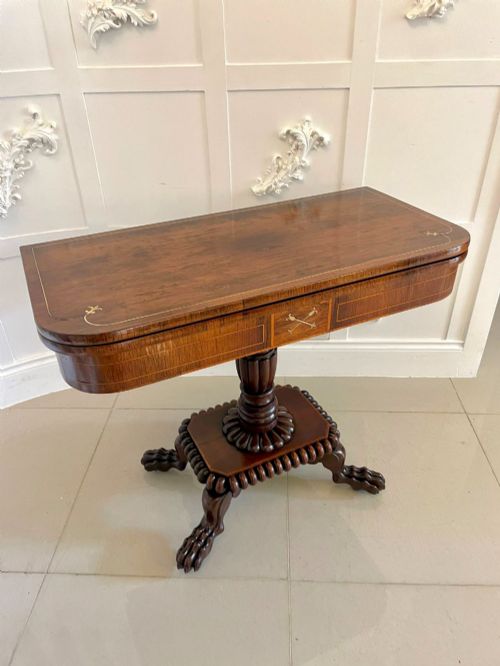
A rosewood inlay side table encompasses a diverse group of occasional, card, games, and centre tables spanning the nineteenth and early twentieth centuries. Buyers encounter domestic English pieces alongside French marquetry work, Chinese examples, and Anglo-Indian productions from Hoshiarpur.
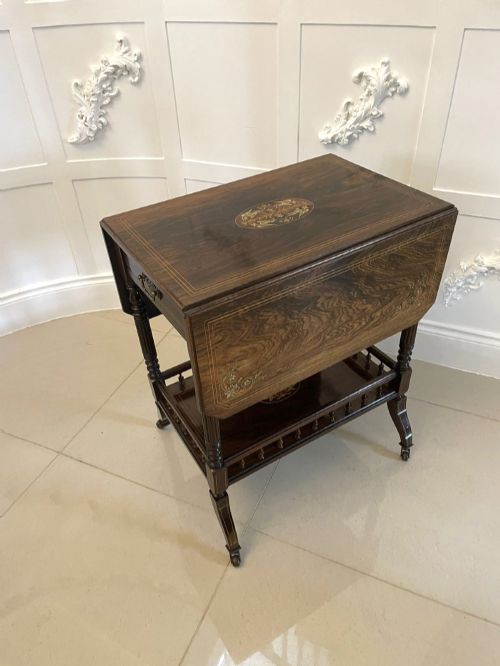
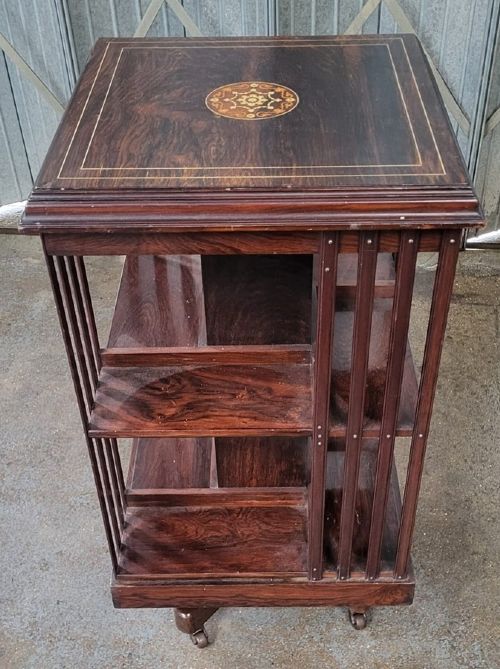
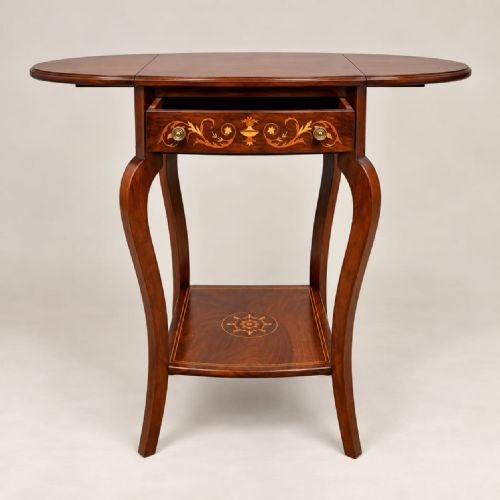
The domestic forms include drop-leaf occasional tables, nests of quartetto tables, and revolving bookcases, while larger variants serve as centre tables or card tables. Regional variations introduce distinct decorative vocabularies, notably through intricate bone, brass, and mother of pearl work.
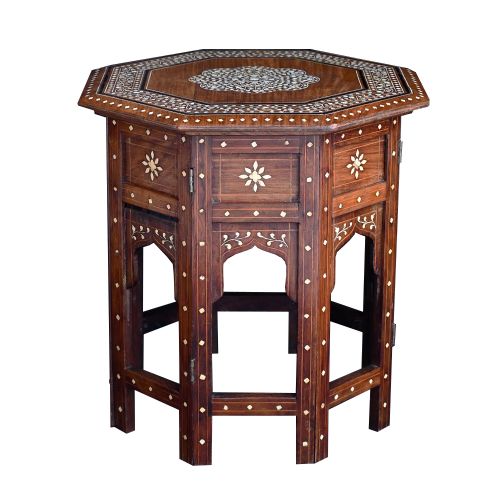
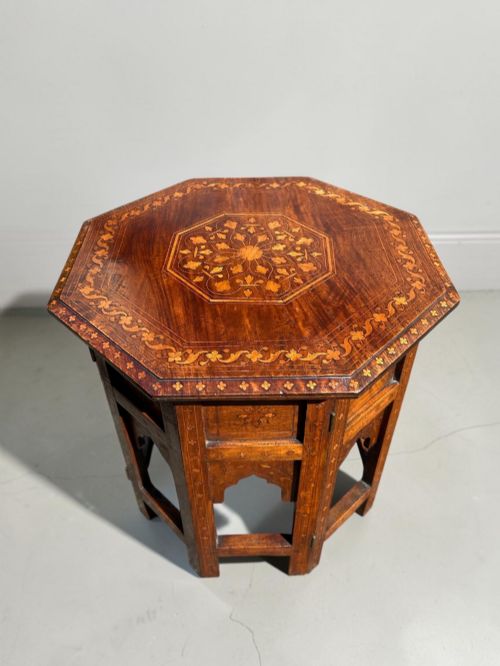
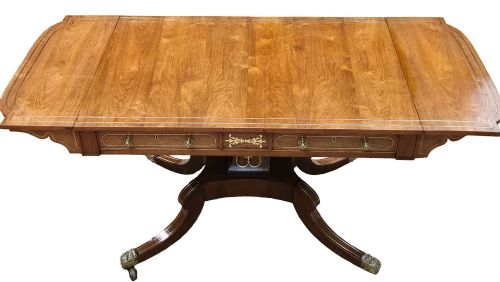
Origin periods stretch from the Regency and Georgian eras through the Victorian and Edwardian decades to the early twentieth century. This chronological range provides a variety of regional interpretations, from English brass-strung sofa tables to heavily carved Anglo-Indian octagonal stands.
Materials and construction methods
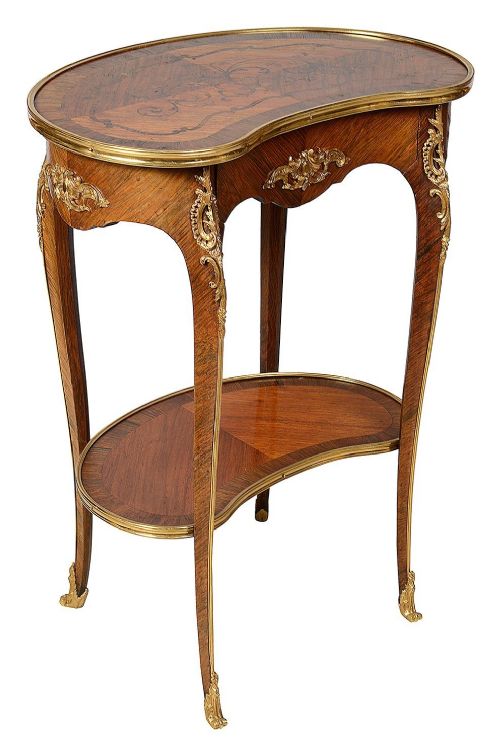
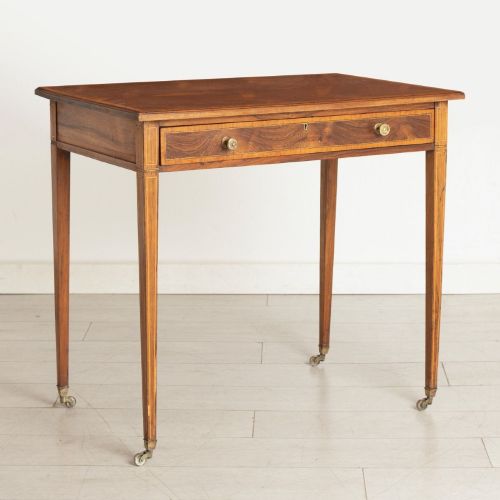
Makers built these tables using dense rosewood as the primary timber, frequently enhanced with contrasting crossbanding, parquetry, and pictorial marquetry in satinwood and boxwood. Brass inlay and stringing provide linear definition, while ormolu mounts appear on select French pieces.
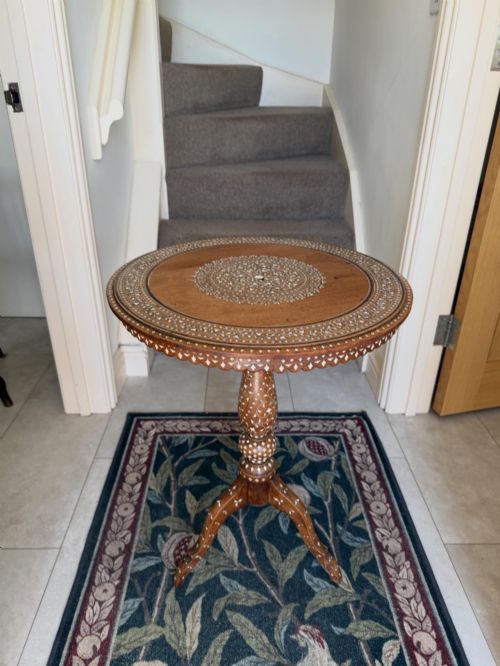
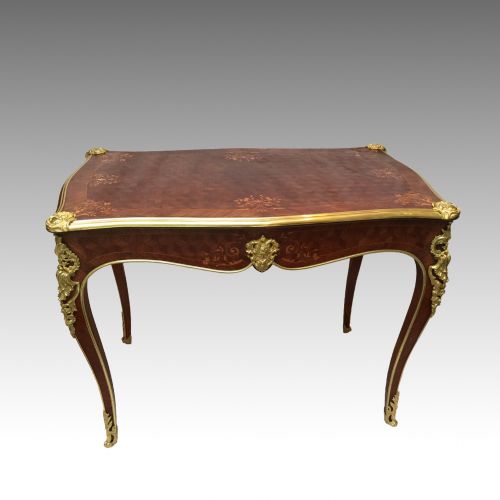
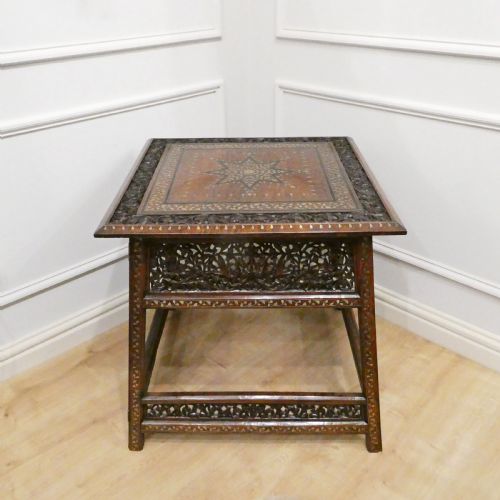
Specialised workshops employed regional techniques, such as the elaborate surface carving and bone or brass inlay characteristic of Hoshiarpur cabinet-makers. French pieces utilise complex floral marquetry patterns set into shaped tabletops, supported by fitted sabots and castors where appropriate.
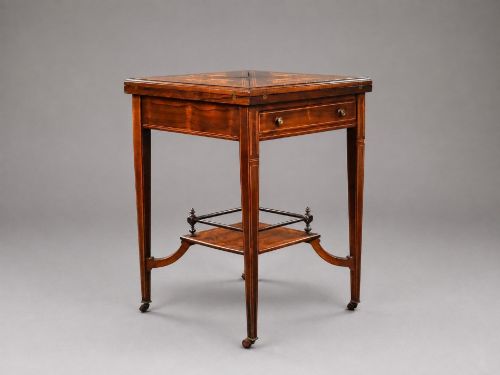
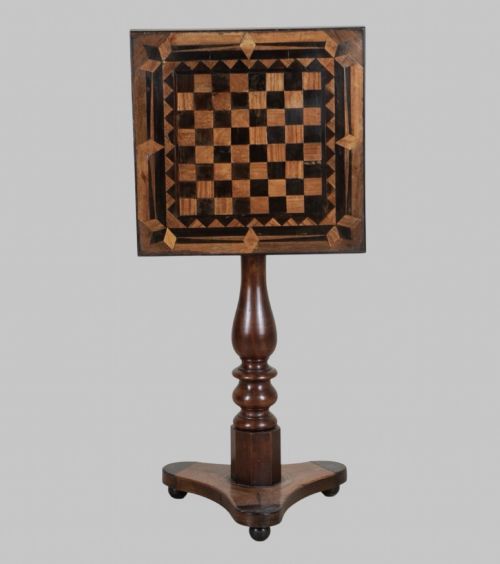
Certain antique tables conceal entire chess boards and nesting companions beneath their tops, ready for an impromptu parlor match.
Assessing craftsmanship and finish
Quality reveals itself in the precision of the timber matching and the execution of the inlay work, where tight joints and flush surfaces distinguish superior items. The crispness of carved details in Anglo-Indian examples and the complexity of parquetry patterns indicate the level of workshop skill.
Structural integrity and the retention of original brass mounts, castors, or integrated hardware such as chess boards define the better survivors. The depth and warmth of the polished rosewood surface further separate standard production from masterwork pieces.
Liberty & Co·Edwards & Roberts
The Rosewood Inlay Side Table Glossary
- Marquetry
- Decorative veneer work forming pictorial or geometric patterns using various coloured woods. It creates elaborate floral or architectural designs across the tabletop.
- Parquetry
- Geometric mosaic woodwork arranged in regular patterns like cubes or chequers. This technique appears frequently on French and Victorian table surfaces.
- Quartetto tables
- A set of four graduating nesting tables designed to slide beneath one another. Regency makers frequently produced these in rosewood with brass inlay.
- Crossbanding
- A border strip of veneer laid around the edge of a tabletop with the grain running perpendicular to the centre. It frames the primary rosewood field.
Rosewood Inlay Side Table: Frequently Asked Questions
What is a rosewood inlay side table used for?
These tables provide functional surface space for lamps, books, and decorative objects in living areas and bedrooms. Many designs incorporate folding leaves, swivelling tops, or nested configurations to adapt for card games and writing.
Compact forms serve easily as occasional lamp tables or bedside cabinets. Their decorative marquetry and contrasting brass details ensure they function as visual focal points within a room scheme.
How do I date a rosewood inlay side table?
Dating relies on identifying stylistic markers, construction methods, and period characteristics such as Regency brass stringing or Edwardian satinwood banding. Regency examples often display classical proportions and sabots, while Victorian pieces lean towards heavier marquetry and octagonal formats.
Later Edwardian and early twentieth-century pieces incorporate lighter frames or distinct regional carving styles, including Hoshiarpur work. Comparing the secondary timbers and joining techniques helps narrow the decade of production.
How do I care for rosewood furniture?
Maintain rosewood surfaces by keeping them away from direct sunlight and steady heat sources to prevent timber splitting and fading. Regular dusting with a soft, dry cloth preserves the polished finish without requiring heavy chemical polishes.
Apply high-quality beeswax sparingly only when the wood appears dry, buffing gently to a soft sheen. Avoid placing damp items directly onto the antique timber to protect the delicate inlay work.
What is Hoshiarpur inlay work?
Hoshiarpur inlay refers to intricate decorative work originating from the Punjab region of India, featuring dense floral carvings and geometric patterns. Artisans set bone, brass, or mother of pearl into dark rosewood surfaces to create striking visual contrast.
These pieces arrived in Britain in increasing numbers during the late nineteenth century, prized for their exotic craftsmanship. They typically appear as octagonal tables, pedestal stands, and occasional furniture.